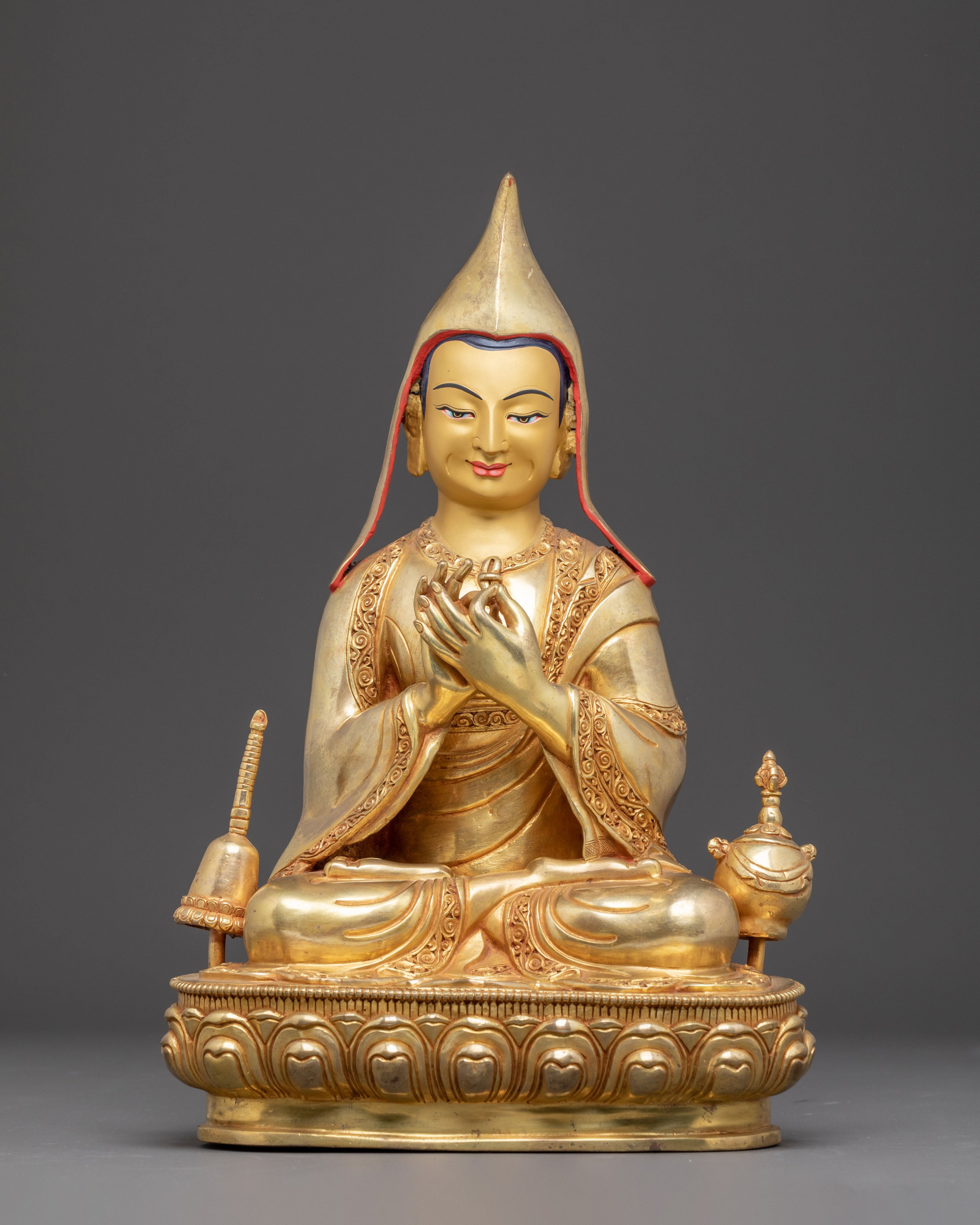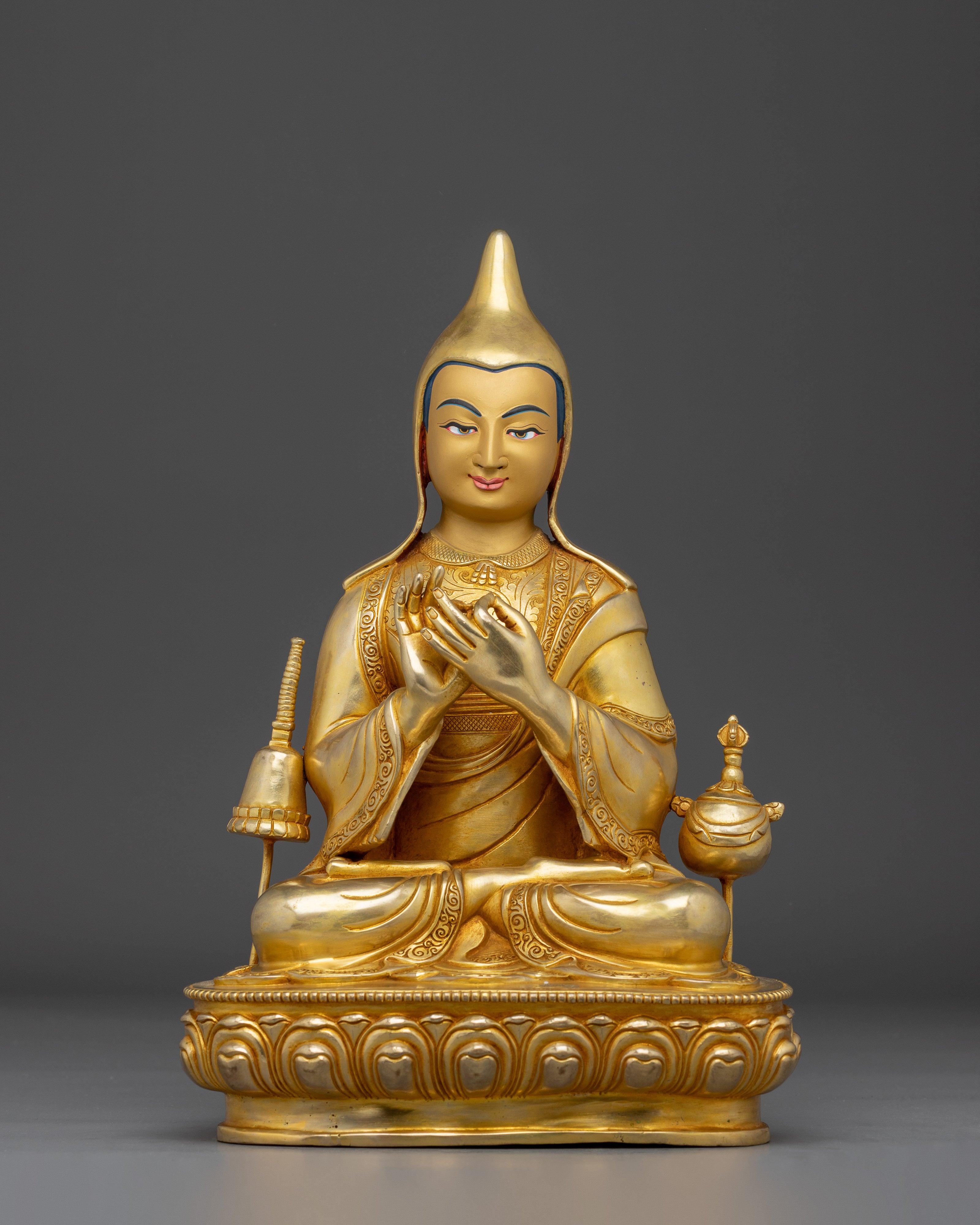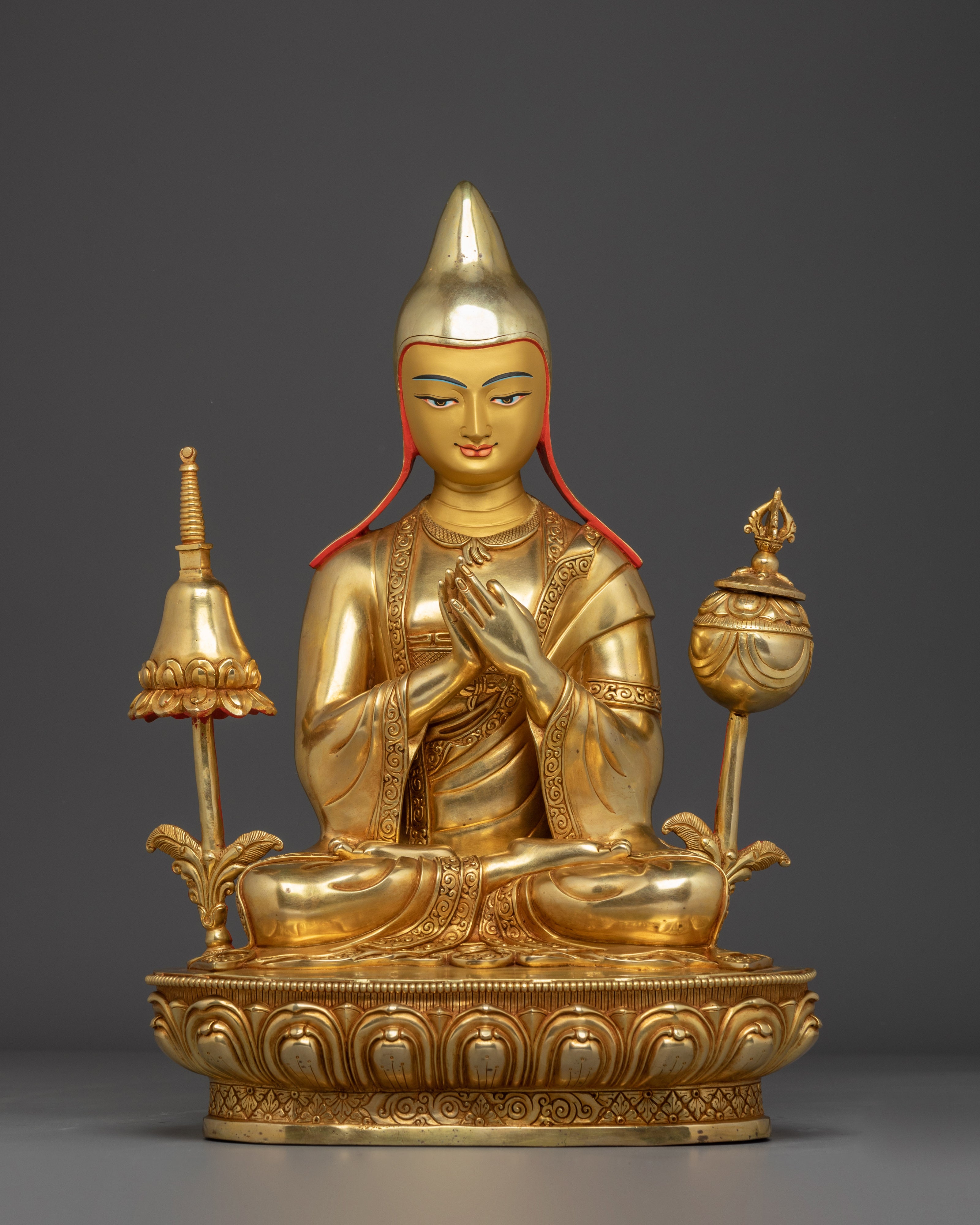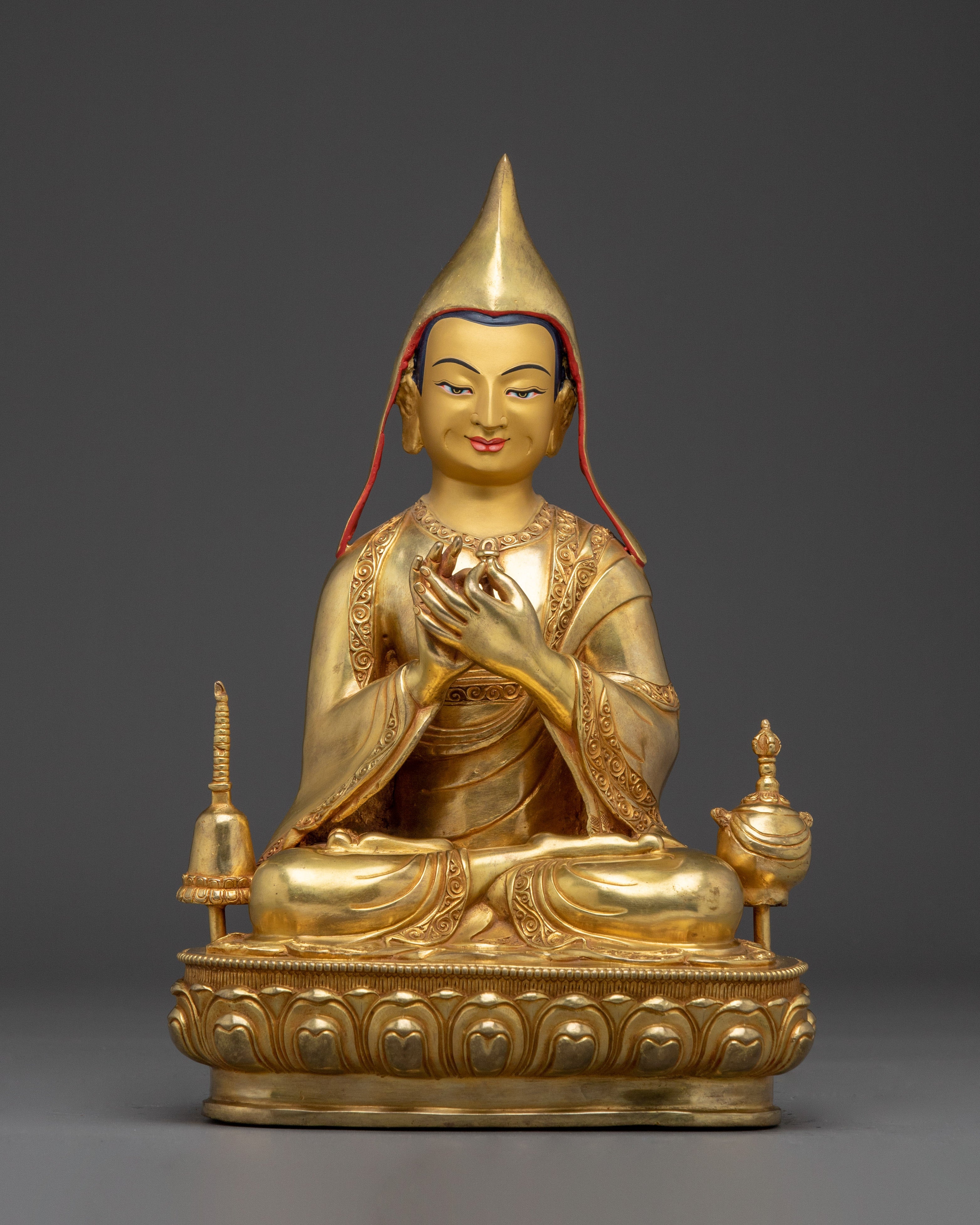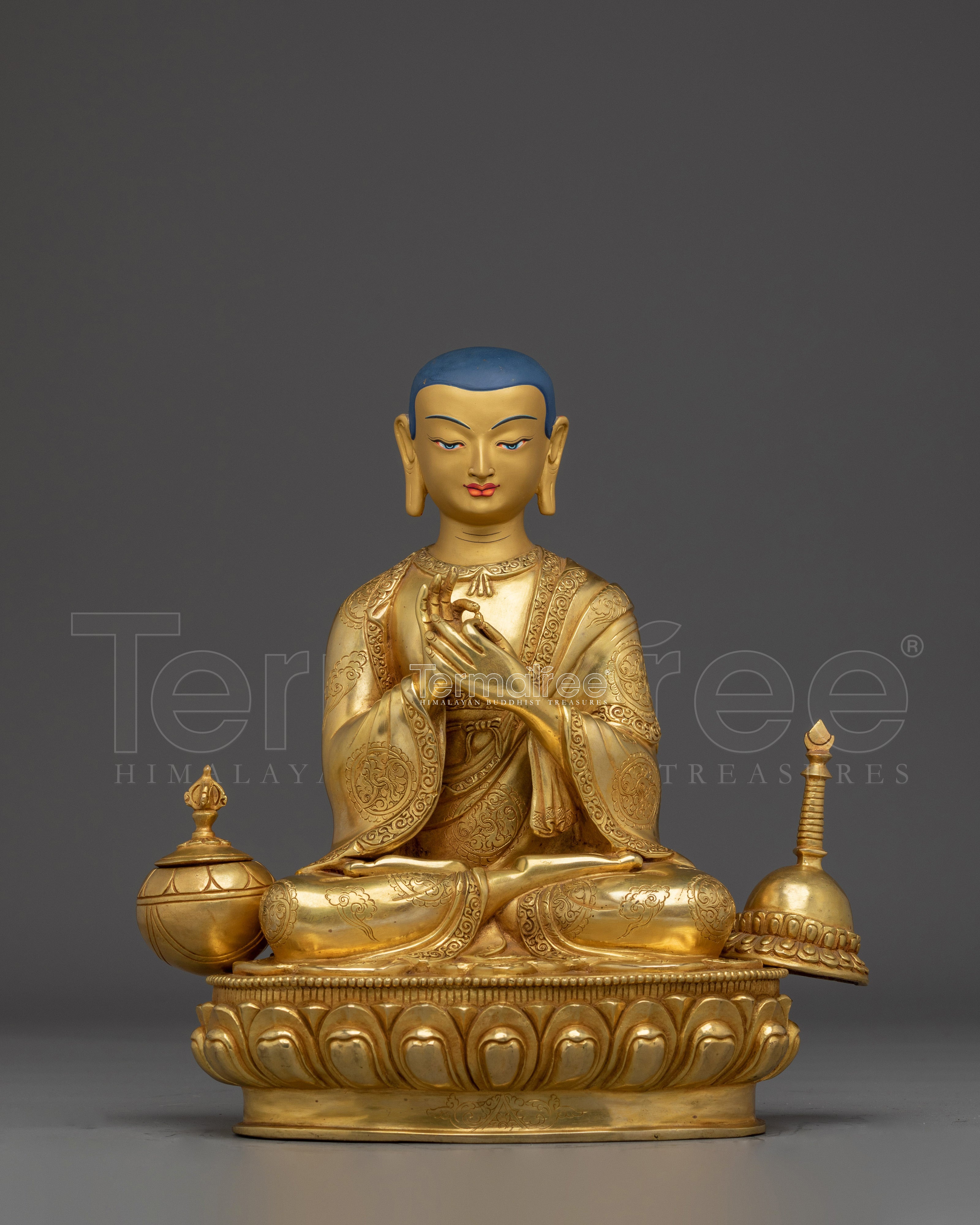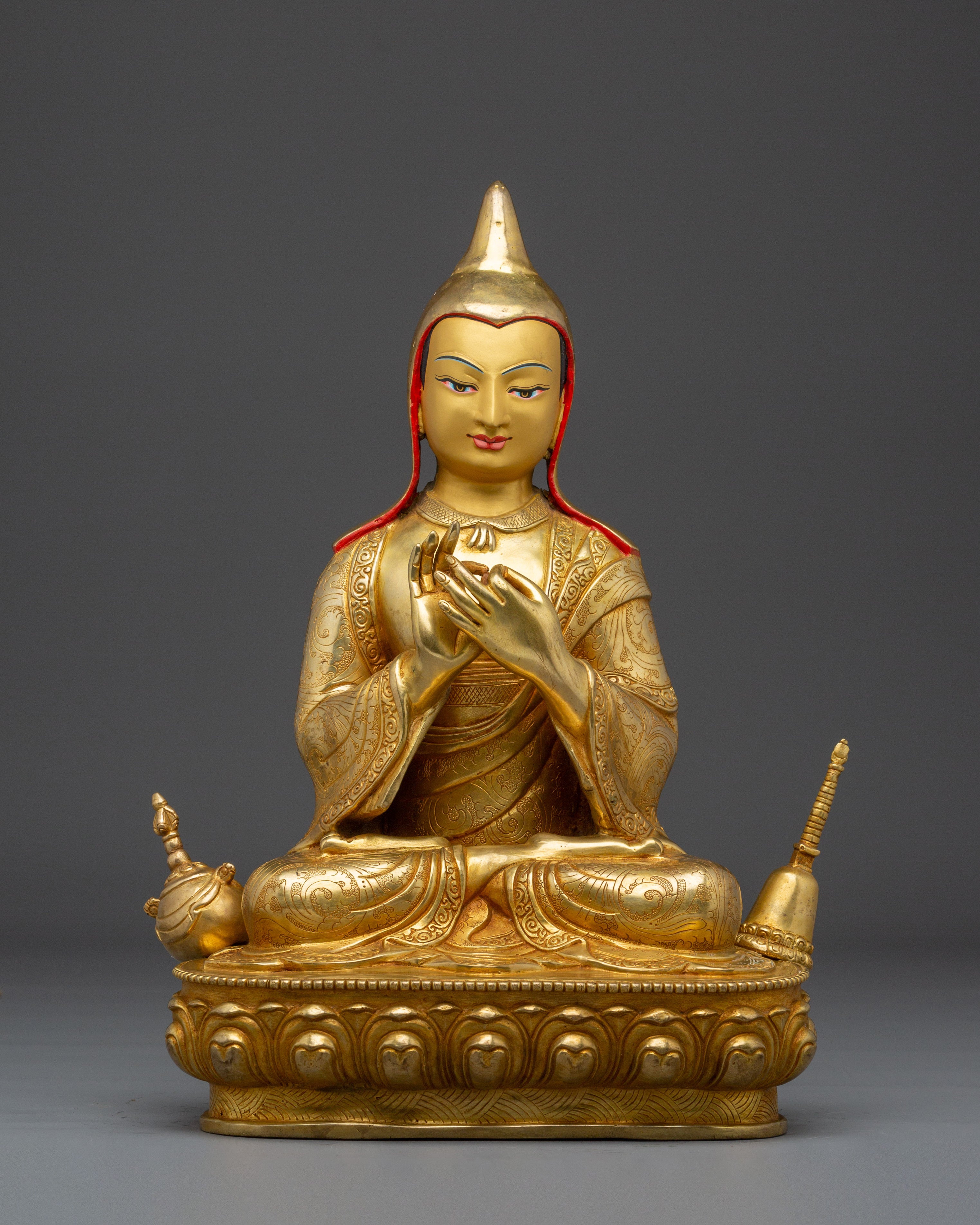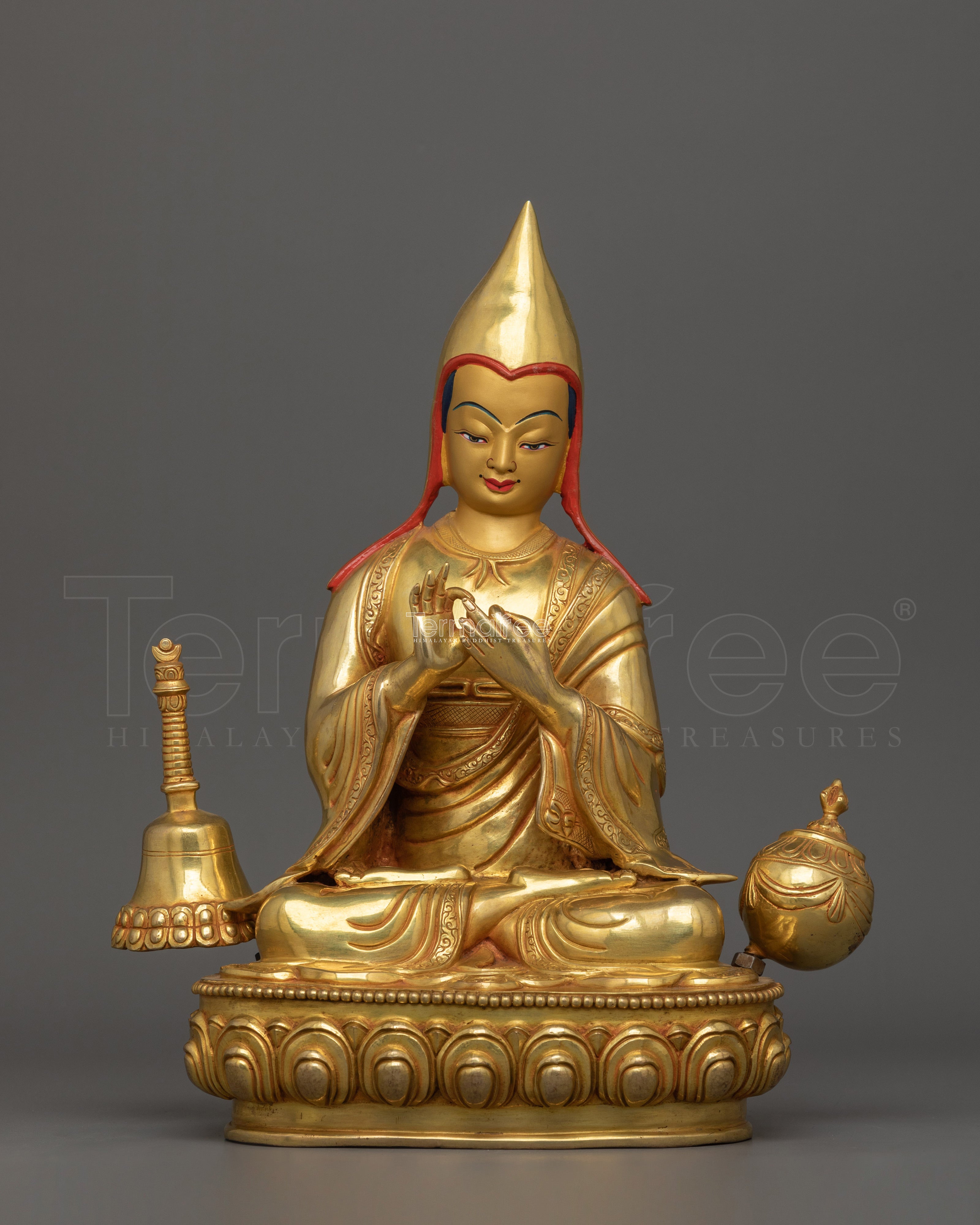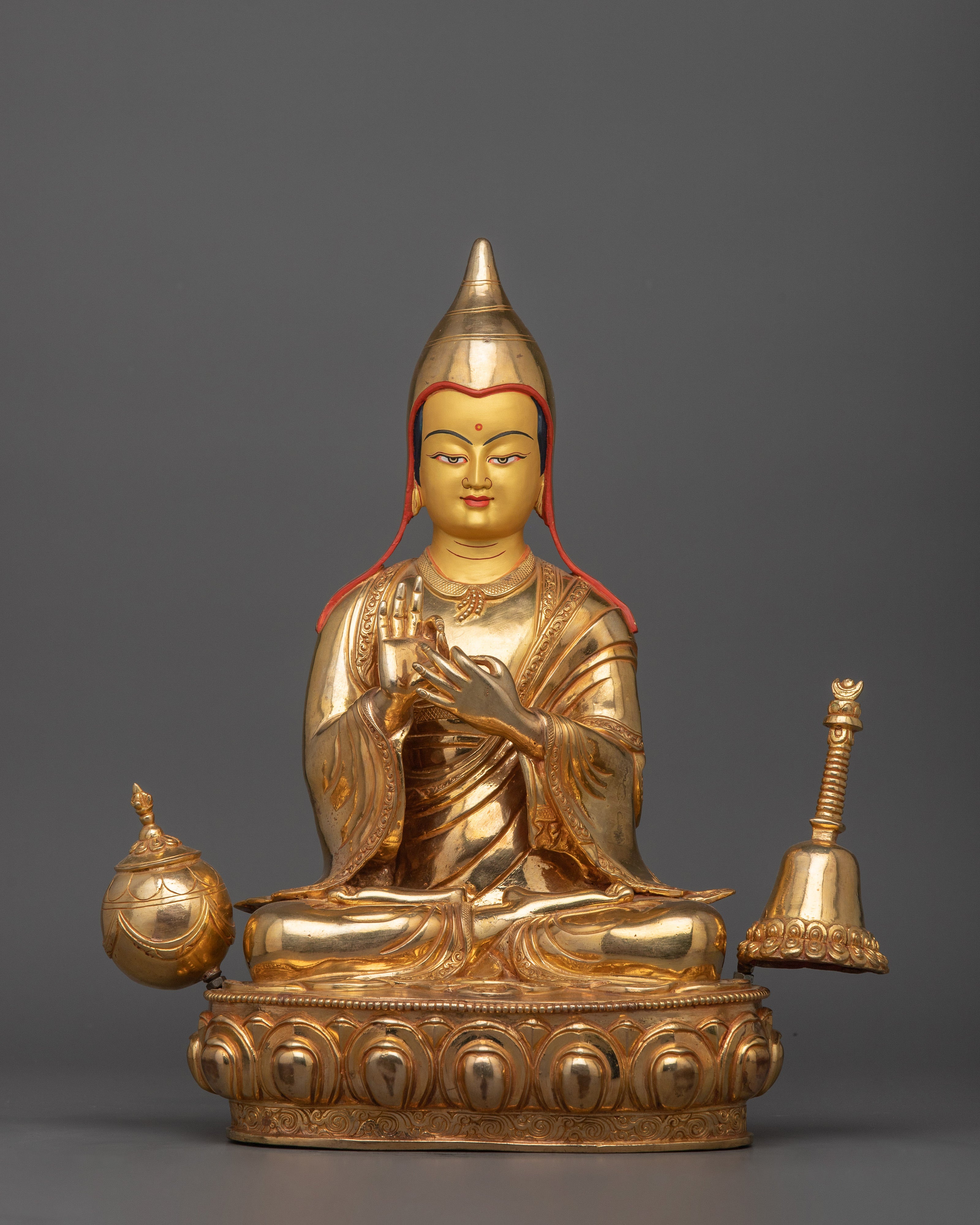
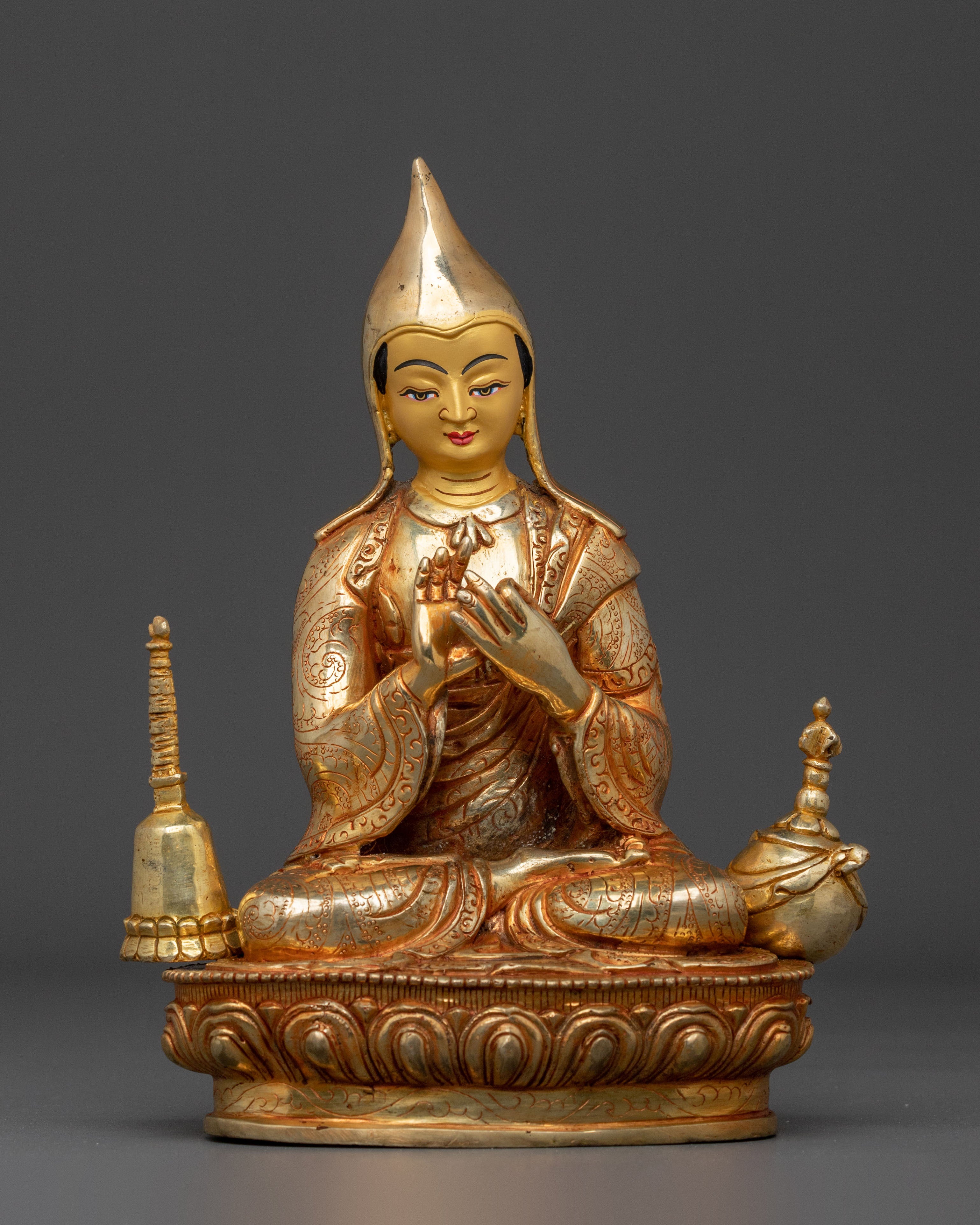
Atisa
12 products
Showing 1 - 12 of 12 products
Atisa: The Great Indian Master and Reviver of Buddhism in Tibet
Atisa (982-1054) is unquestionably among the top personalities concerning Tibetan Buddhism. He is an Indian scholar and teacher who has a major share in the revival of the Buddhist religion in Tibet during the 11th century. Atisa's influence, particularly his concentration on Lamrim (stages of the path), was a critical factor in the development of Tibetan Buddhist philosophy, ethics, and practices. His thoughts are still influencing Tibetan Buddhism now.
Symbols and Iconography
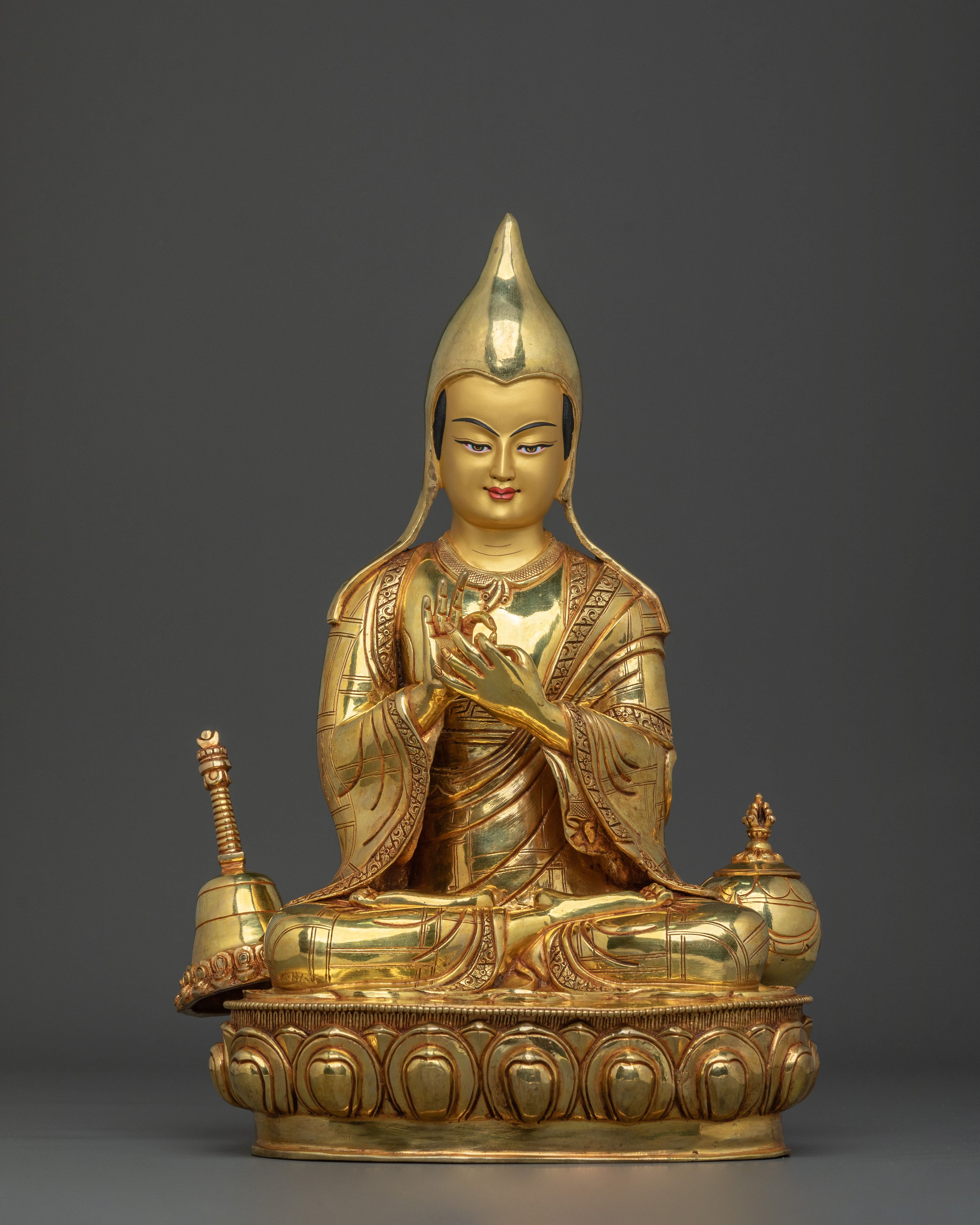
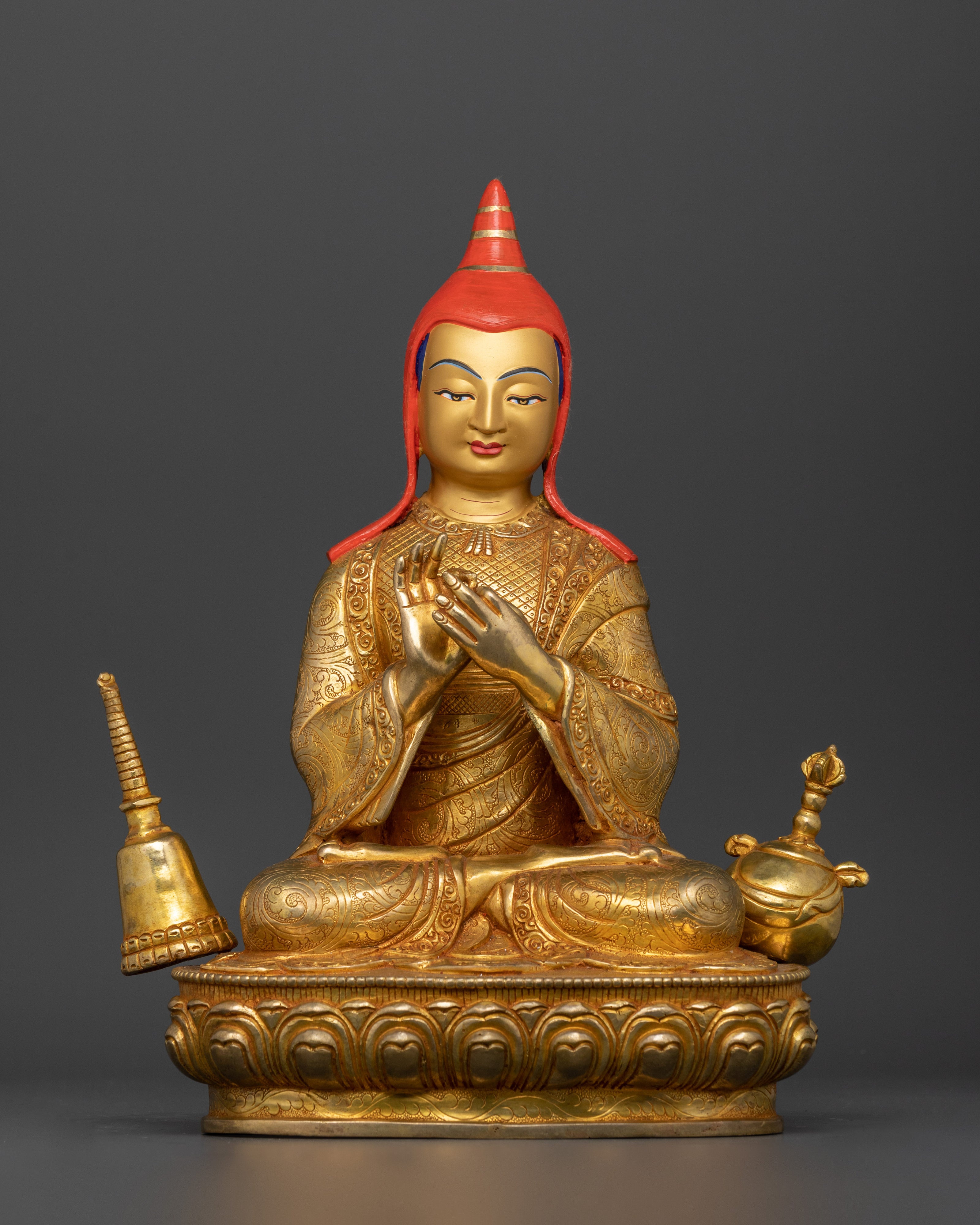
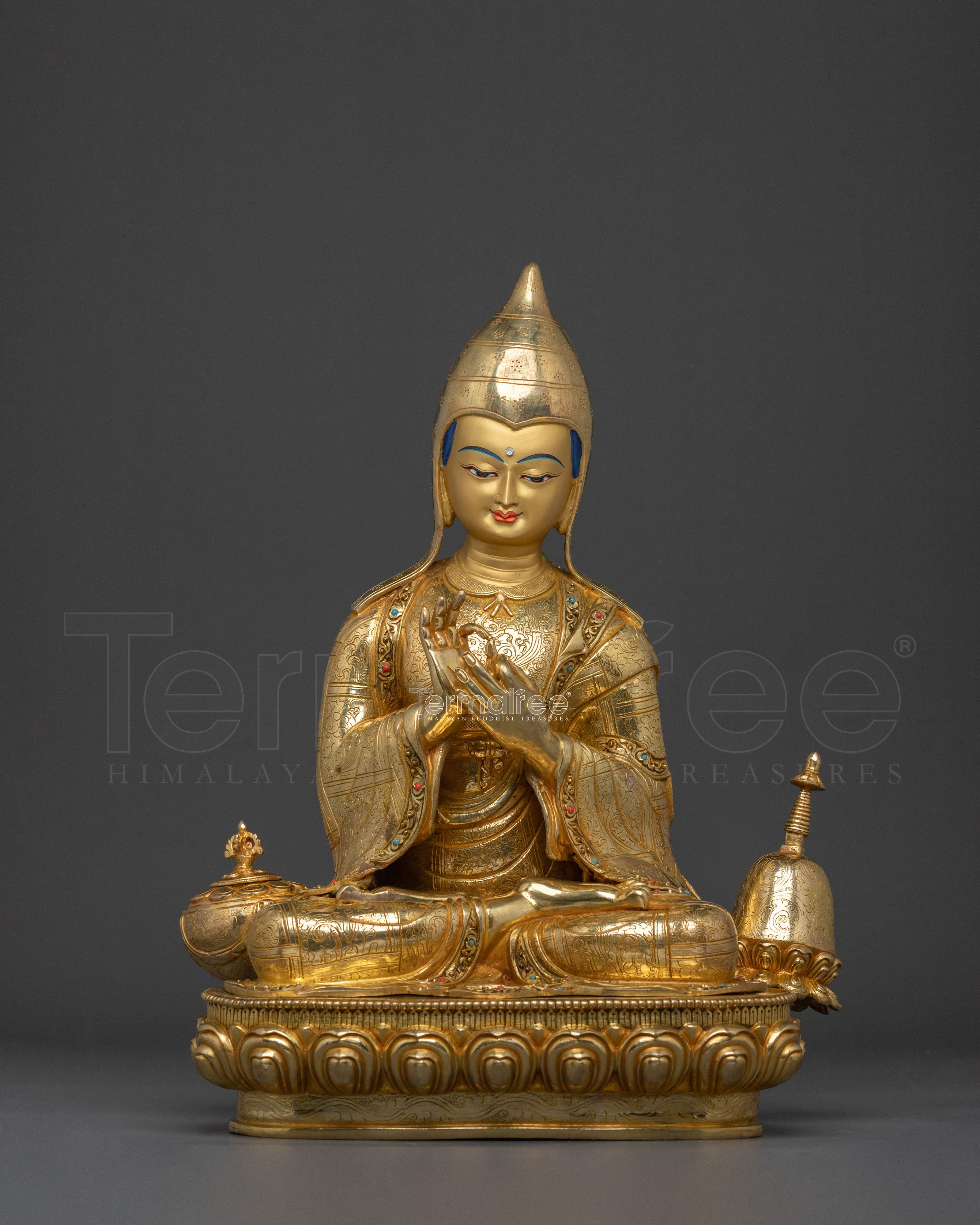
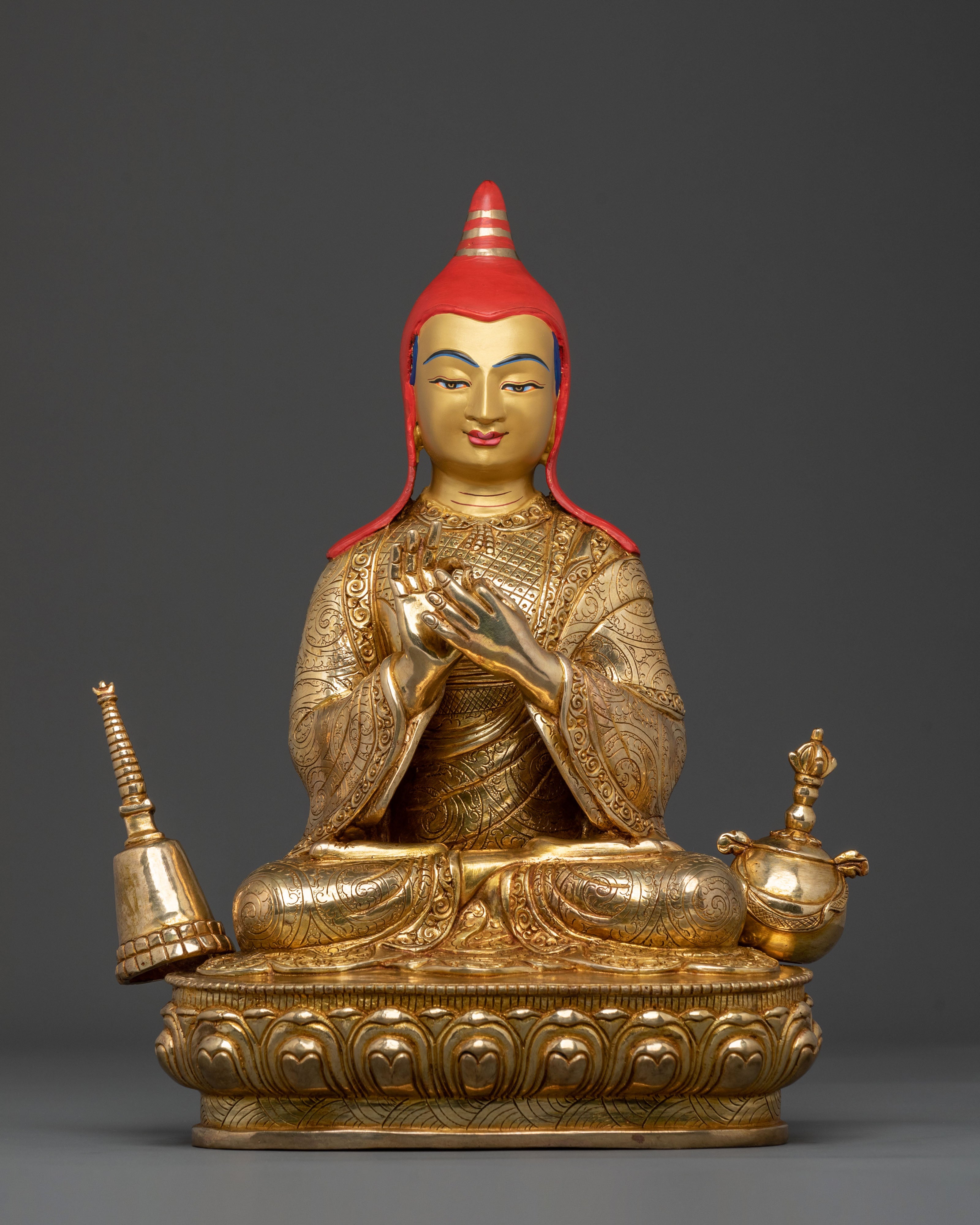
Atisa is depicted donning the traditional monastic garments, which represent the kind of devotion he had to study, discipline, and practice.
- Monastic Attire: Atisa is depicted in the garb of an Indian scholar-monastic. He is shown in these robes as one who is totally committed to the Buddhist teaching and leads a life of simplicity.
- Calm Expression: The face of Atisa is often illustrated with a tranquil, affectionate look that depicts how profoundly he grasps the Dharma and his function as a teacher.
- Lotus Seat: Atisa is frequently depicted as sitting on a lotus flower, which symbolizes his purity, insight, and power to rise above whatever might hinder the pursuit of his goals.
Life and Contributions
Atisa, whose life and teachings still today are central to Tibetan Buddhism, played a major role in the making of the Kadampa tradition. He established an Apostolate, India, and he became a renowned scholar and studied under the most respected teachers, reading the most important Buddhist texts in their entirety. In the year 1042, Atisa, who was invited by the Tibetan king Jangchub, revived Tibetan Buddhism with a new orientation towards moral discipline, meditation, and the practical applications of the Dharma. He laid the foundations of the Gelug tradition by establishing the Kadampa tradition that combined Madhyamaka and Yogacara wisdom with Tibetan teachings. His organization of the Lamrim teachings, which explain the path to enlightenment, had a great impact on Tibetan Buddhist practice, which was later developed by such great figures as Tsongkhapa.
Role in Tibetan Buddhist Practice
Atisa’s teachings significantly influenced Tibetan Buddhism, emphasizing both theoretical study and practical application. He highlighted ethical conduct (sila) as essential for spiritual practice, asserting that without moral discipline, meditation and wisdom lose effectiveness. Compassion and bodhicitta, the desire for enlightenment for all beings, were also central to his teachings. Atisa advocated for the balanced integration of rigorous intellectual study and profound meditation practice, fostering a comprehensive understanding of the Dharma. His efforts were vital in reviving Tibetan Buddhism, establishing a complete system of teachings that shaped the evolution of various traditions, particularly the Kadampa and Gelug schools.
Legacy and Influence
Atisa significantly shaped Tibetan Buddhism, with his teachings forming the foundation of the Kadampa and Gelug traditions. His emphasis on integrating ethics, meditation, and wisdom has notably influenced the Gelug school. The Lamrim teachings, central to Gelug practice, highlight the stages of the path to enlightenment and were expanded by figures like Tsongkhapa. Atisa's life and teachings continue to inspire Buddhist masters and practitioners by emphasizing compassion and ethical conduct.