Ekajati
26 products
Showing 1 - 24 of 26 products
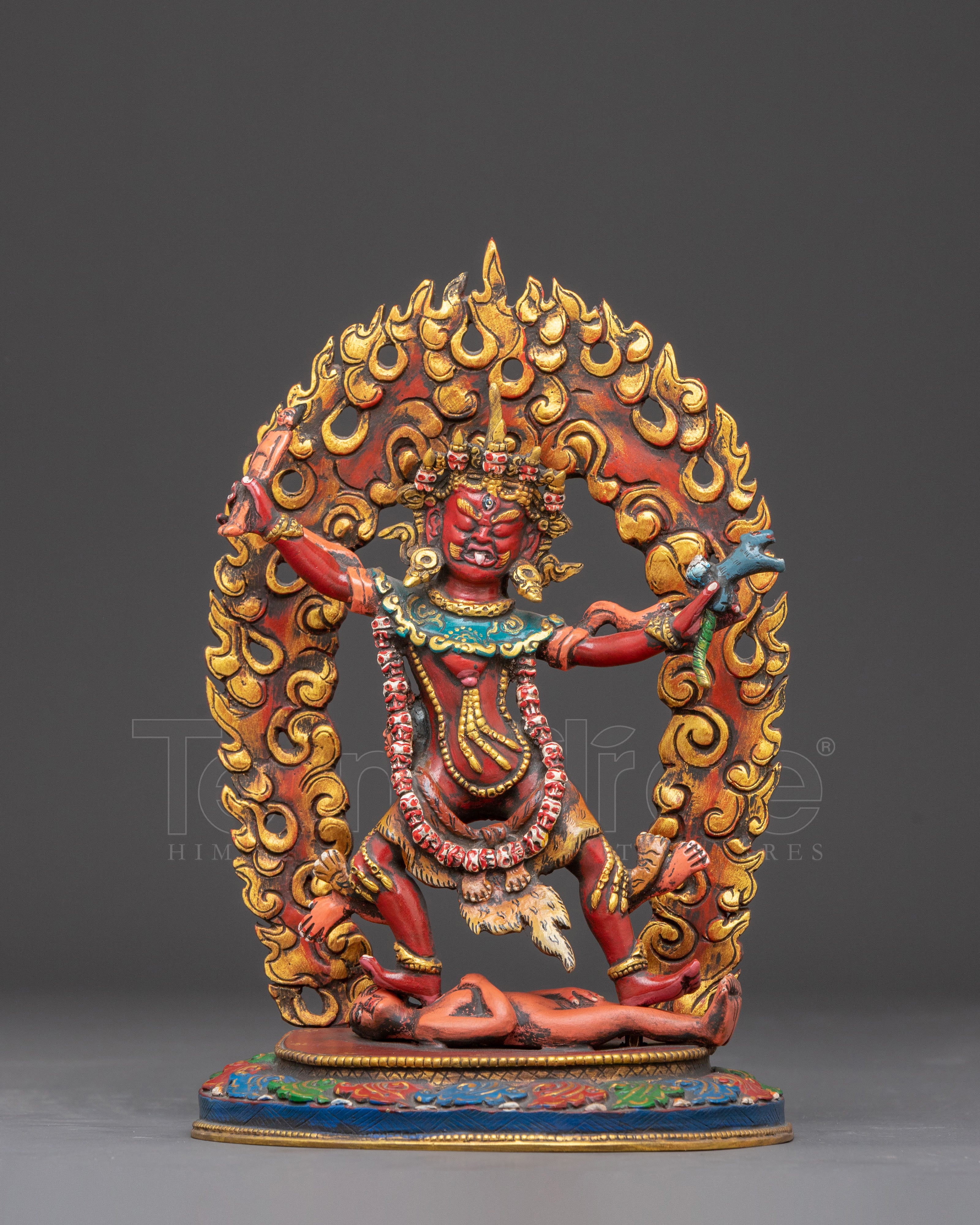
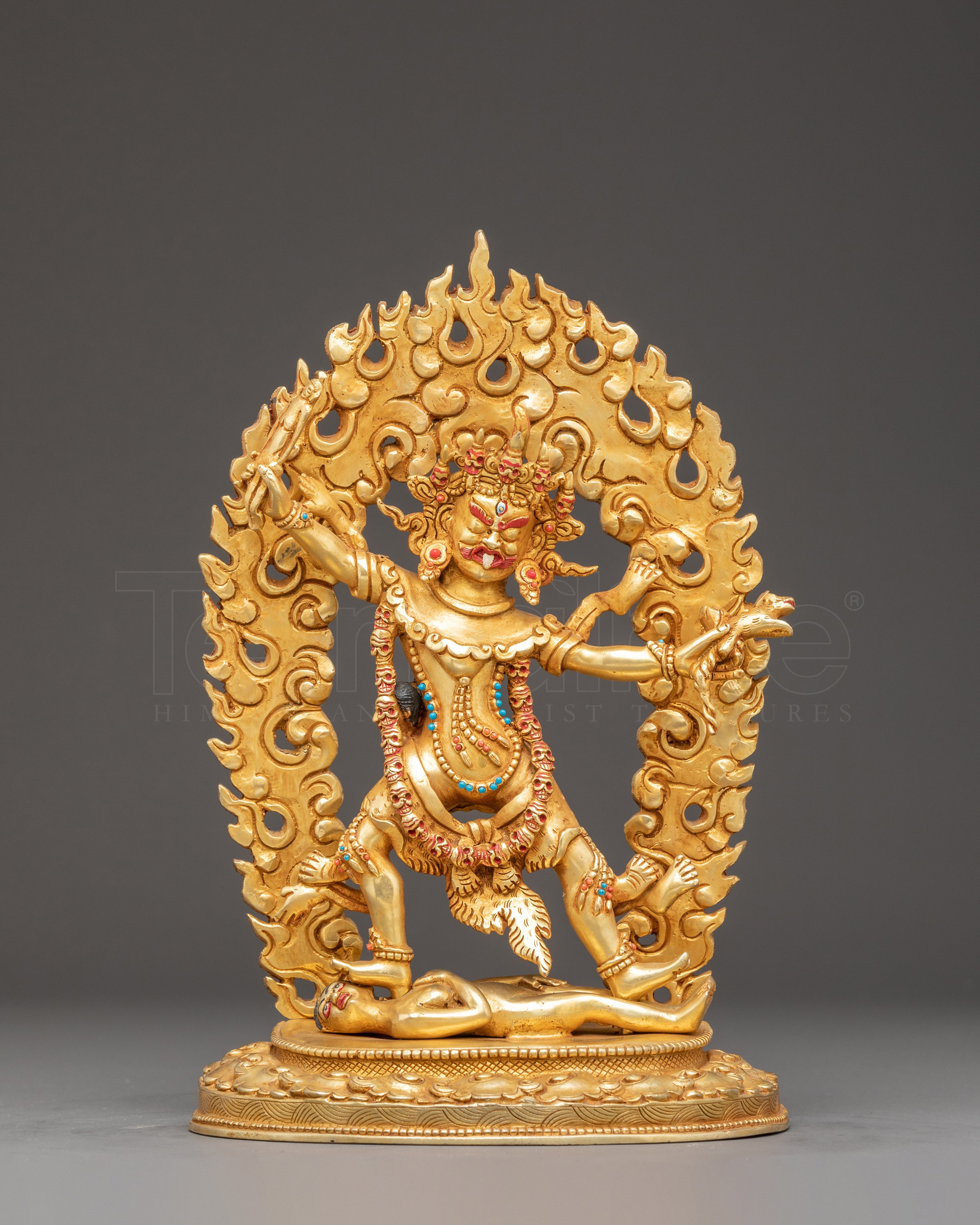
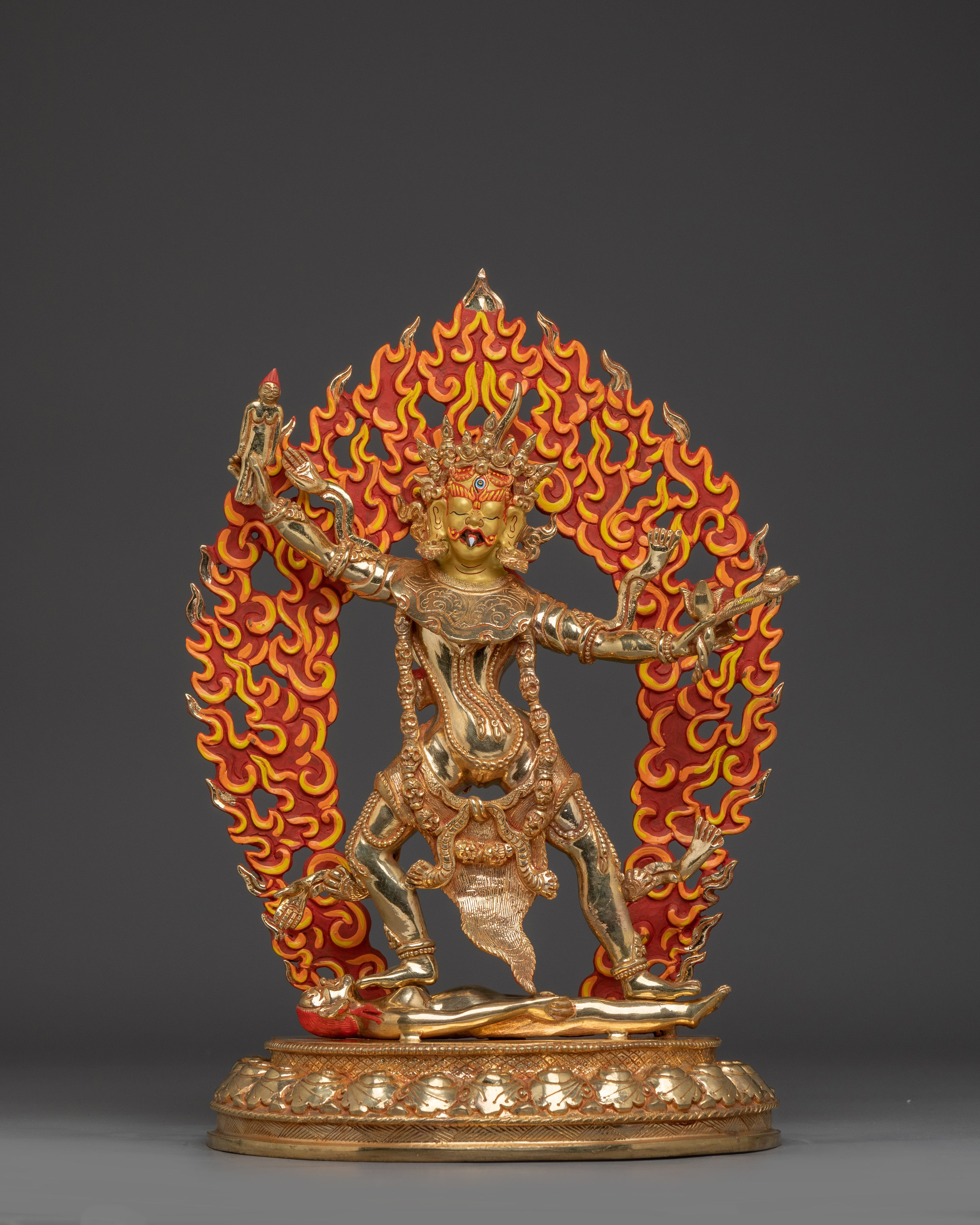
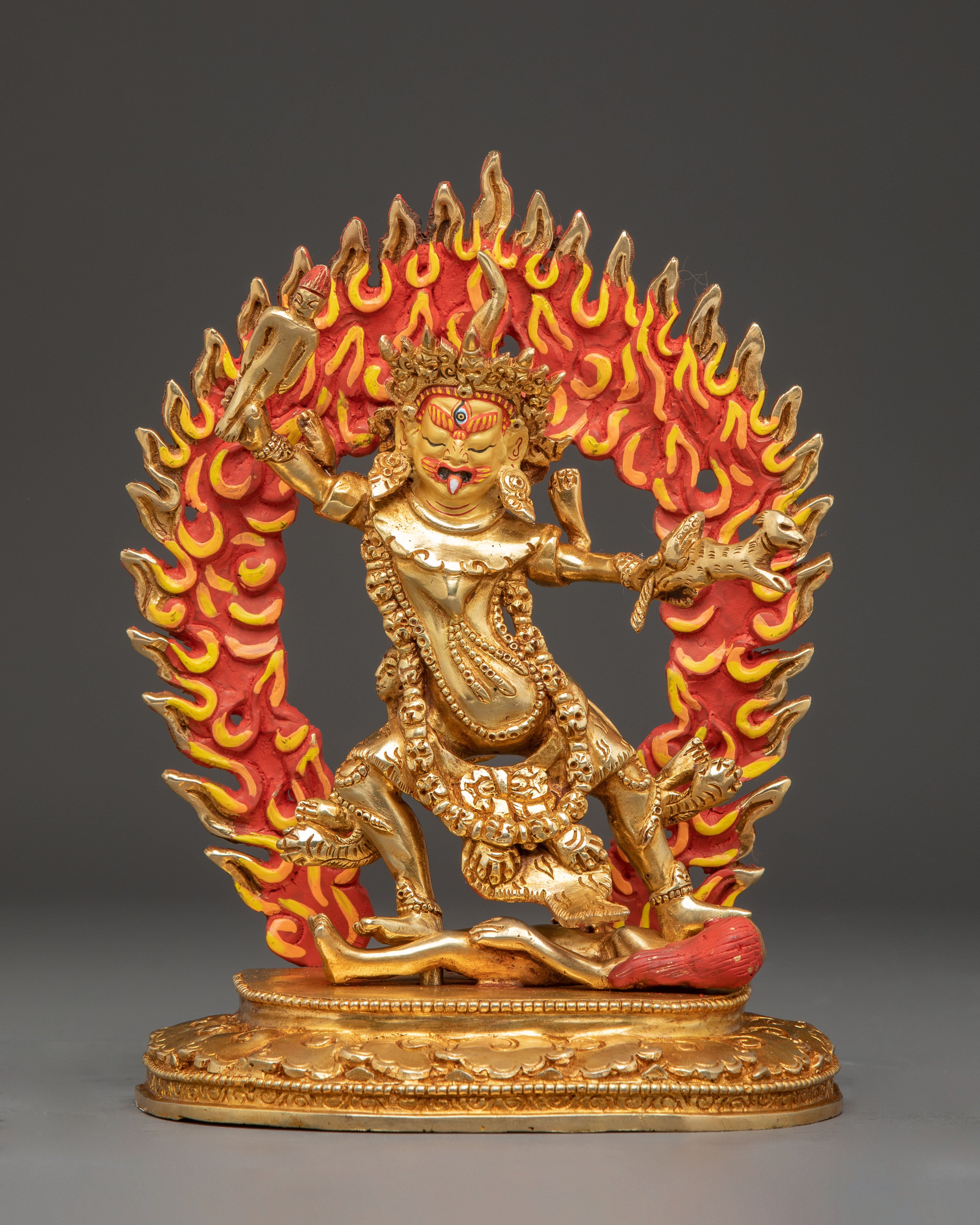
Ekajati: The Fierce Guardian and Protector
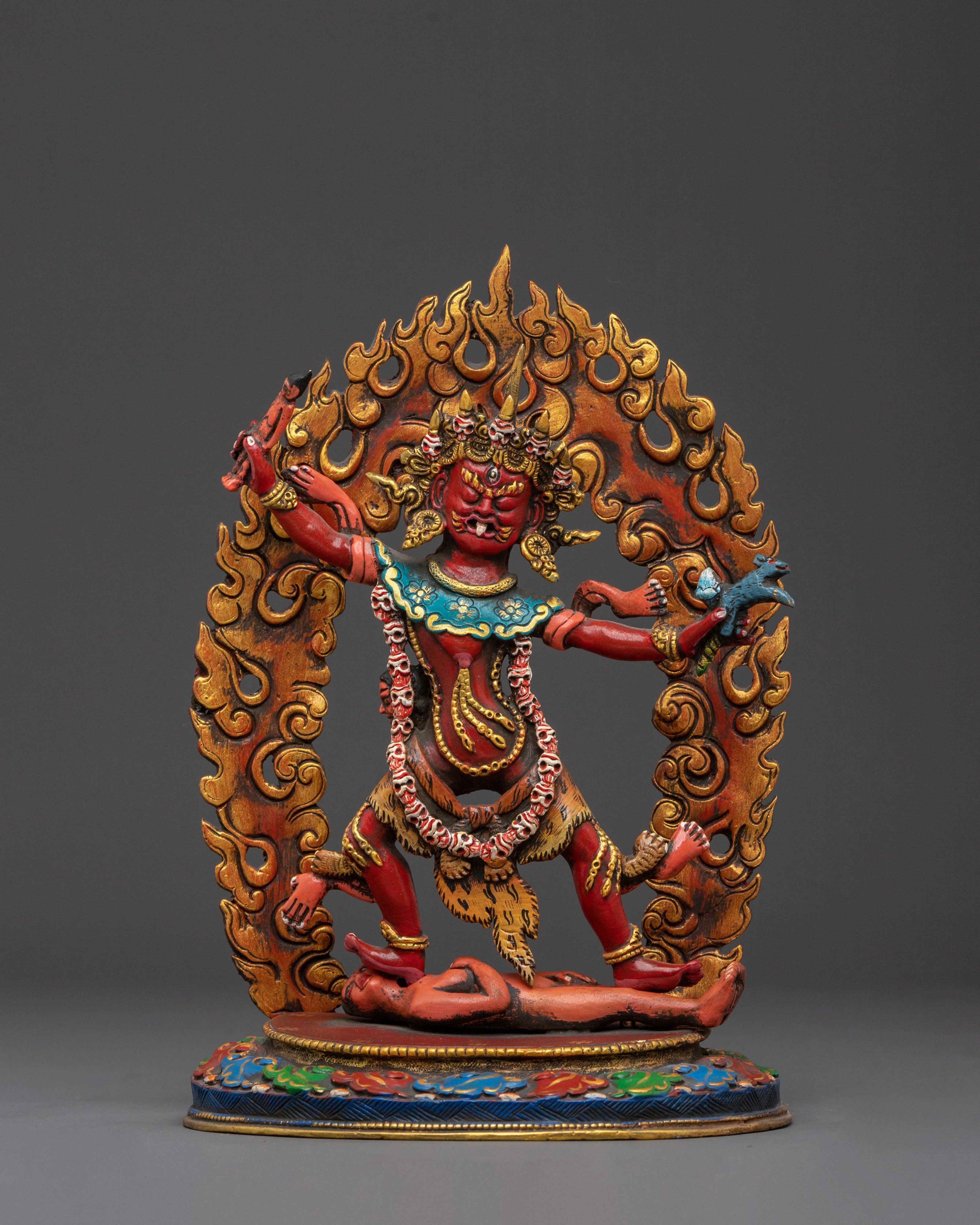
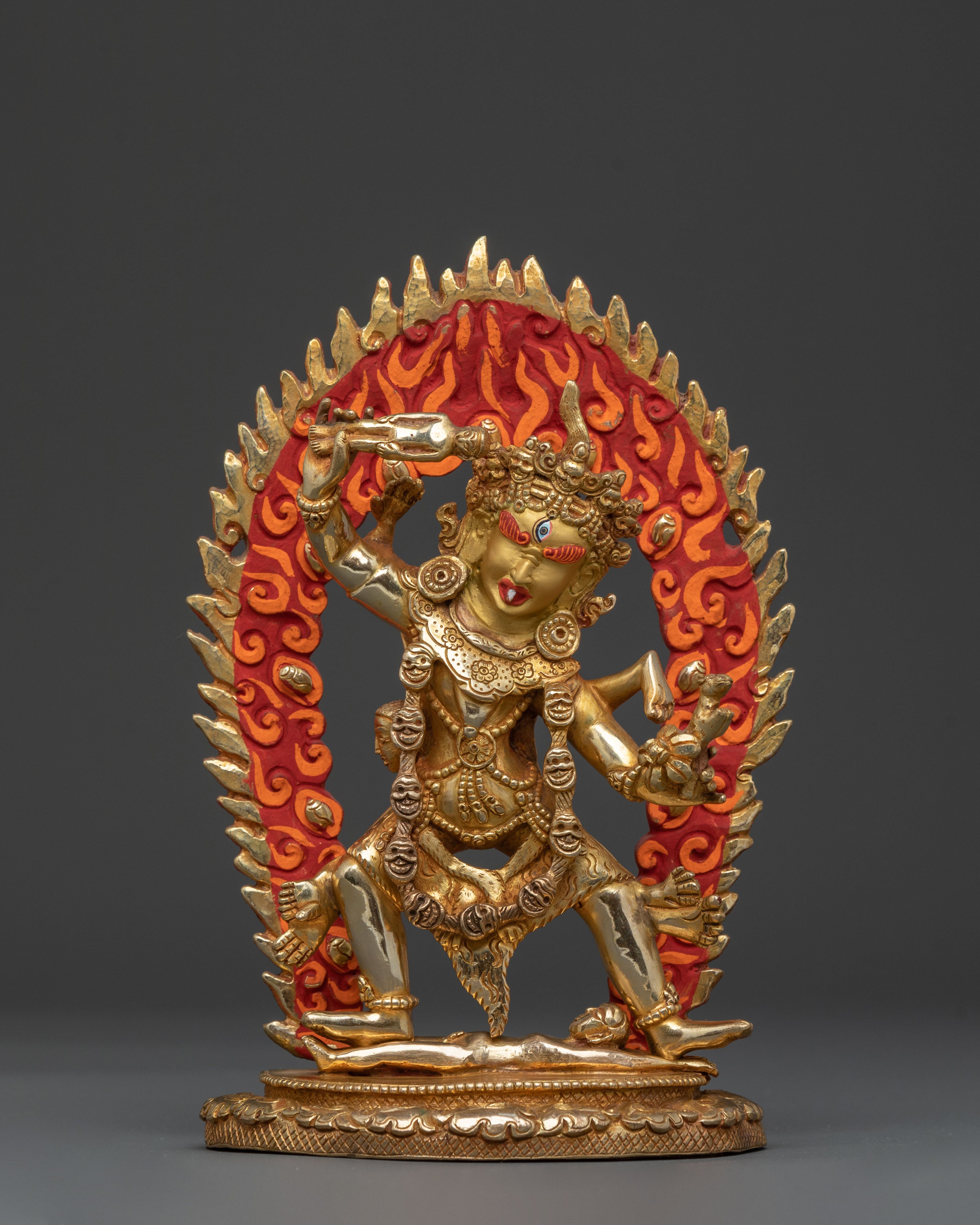
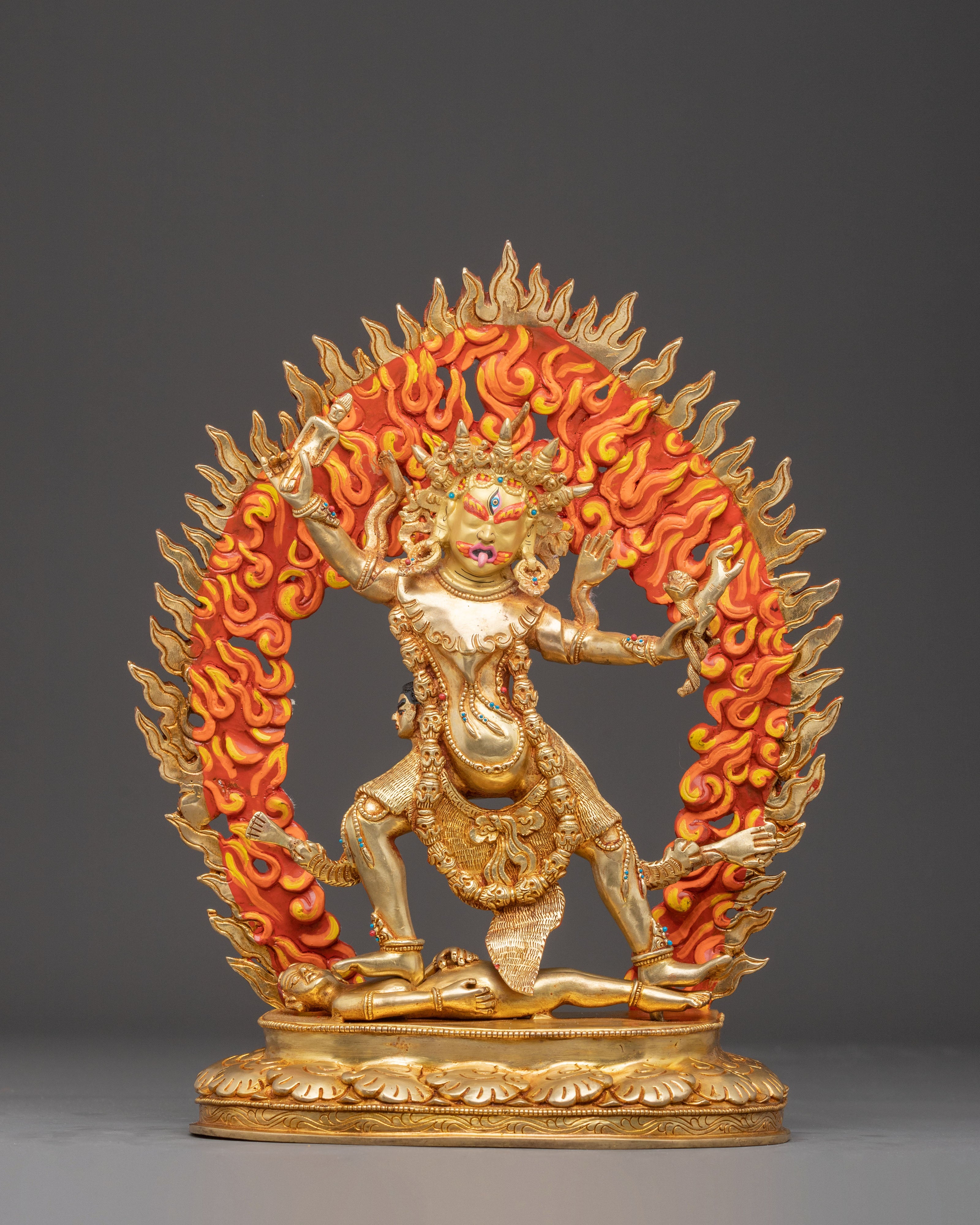
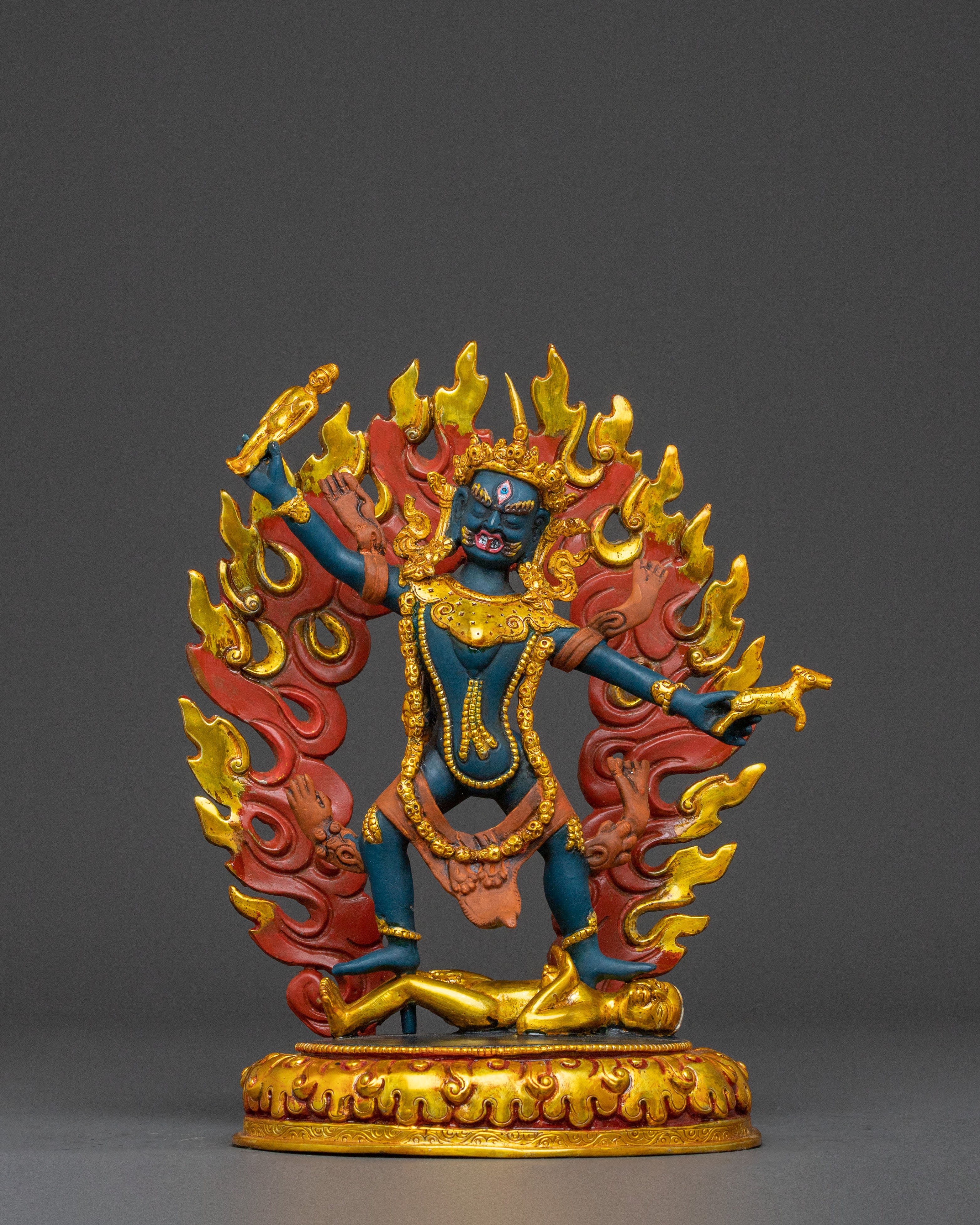
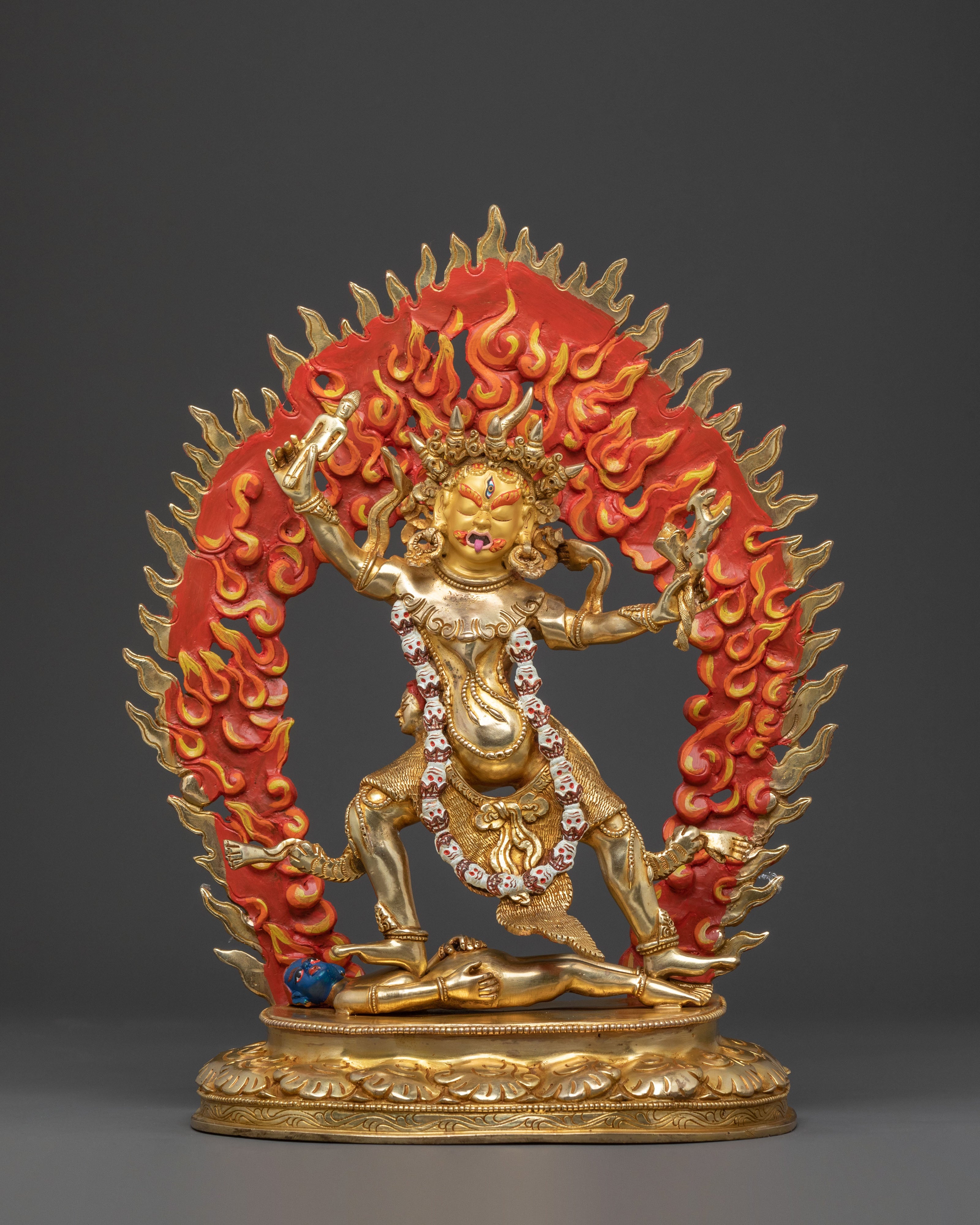
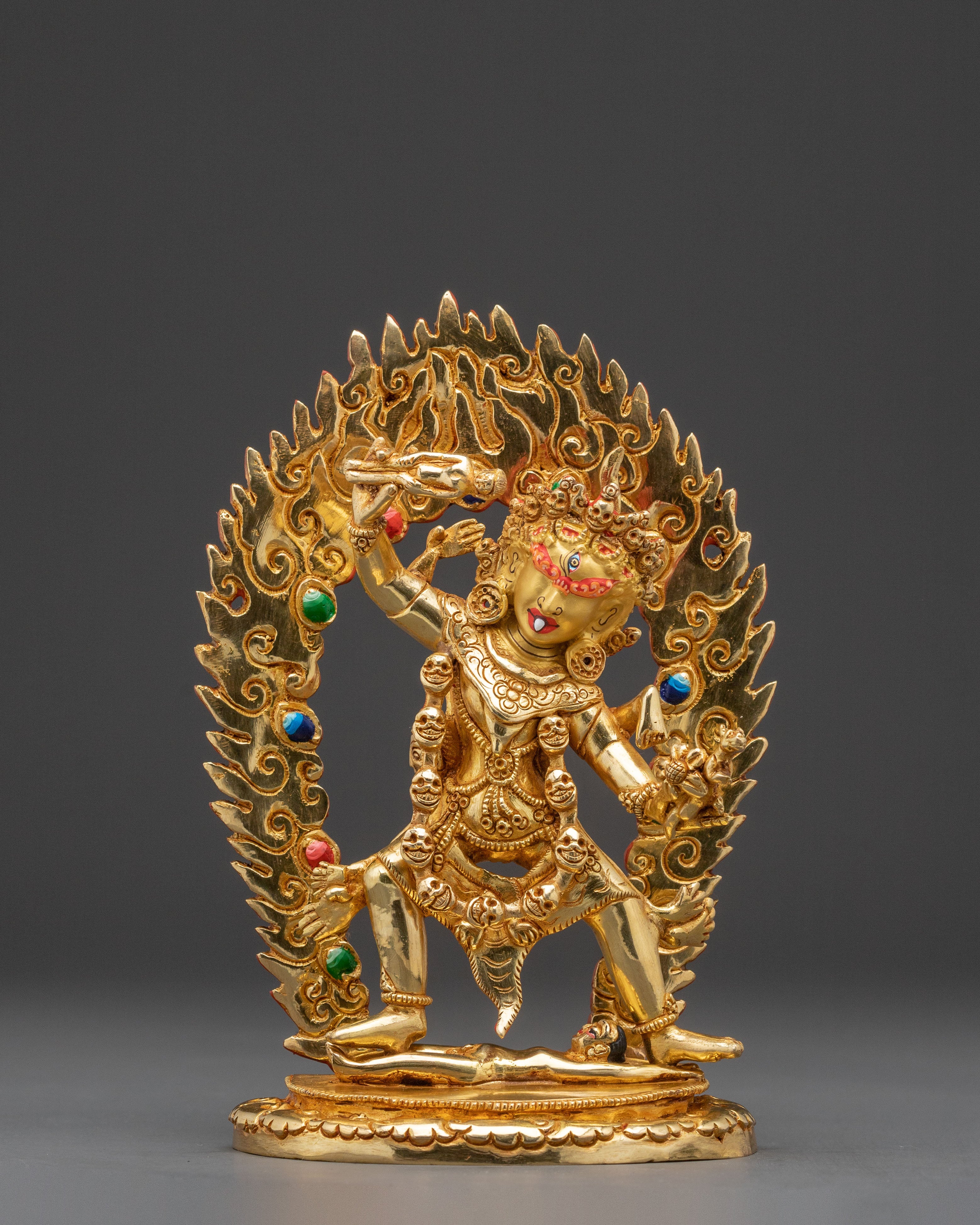
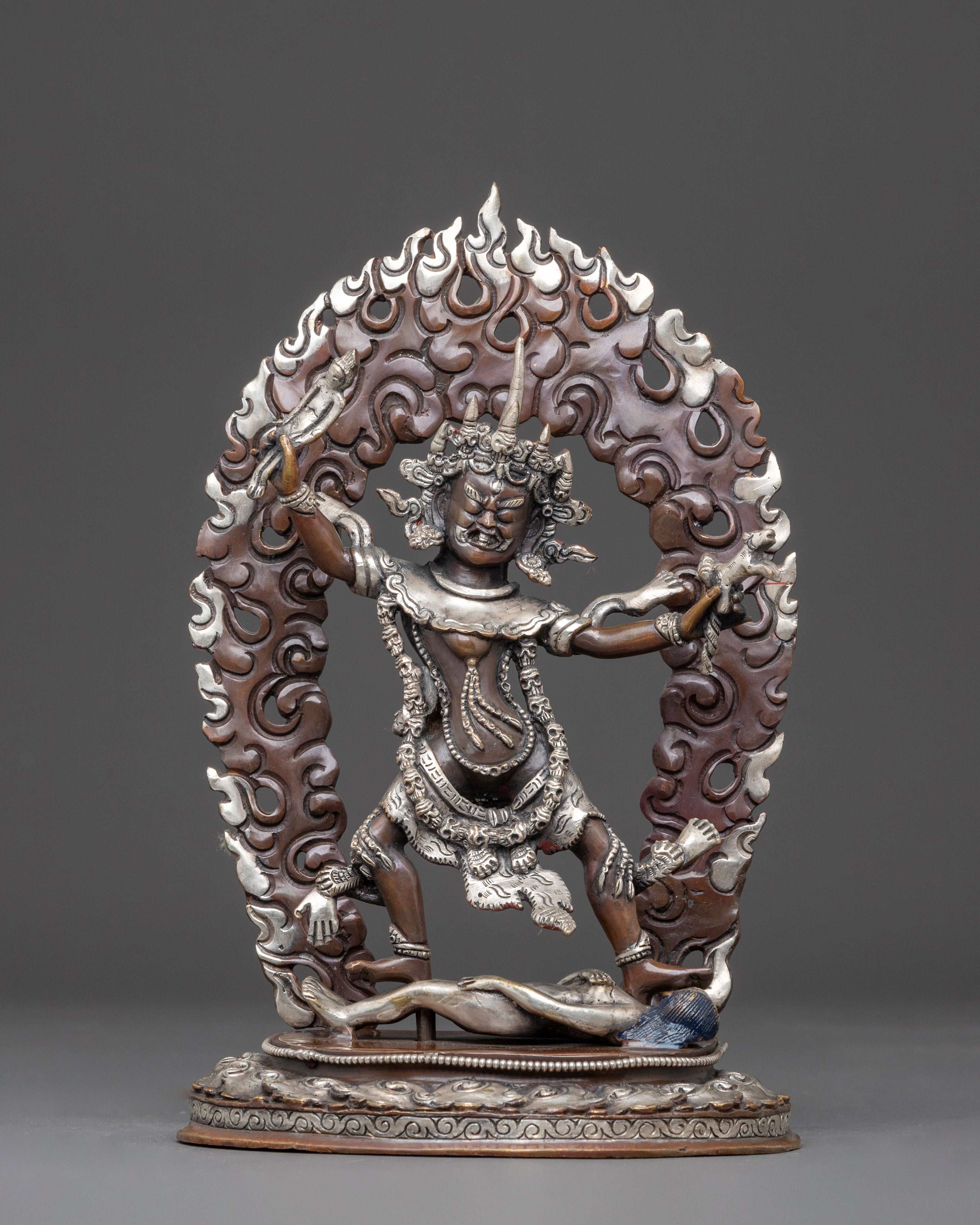
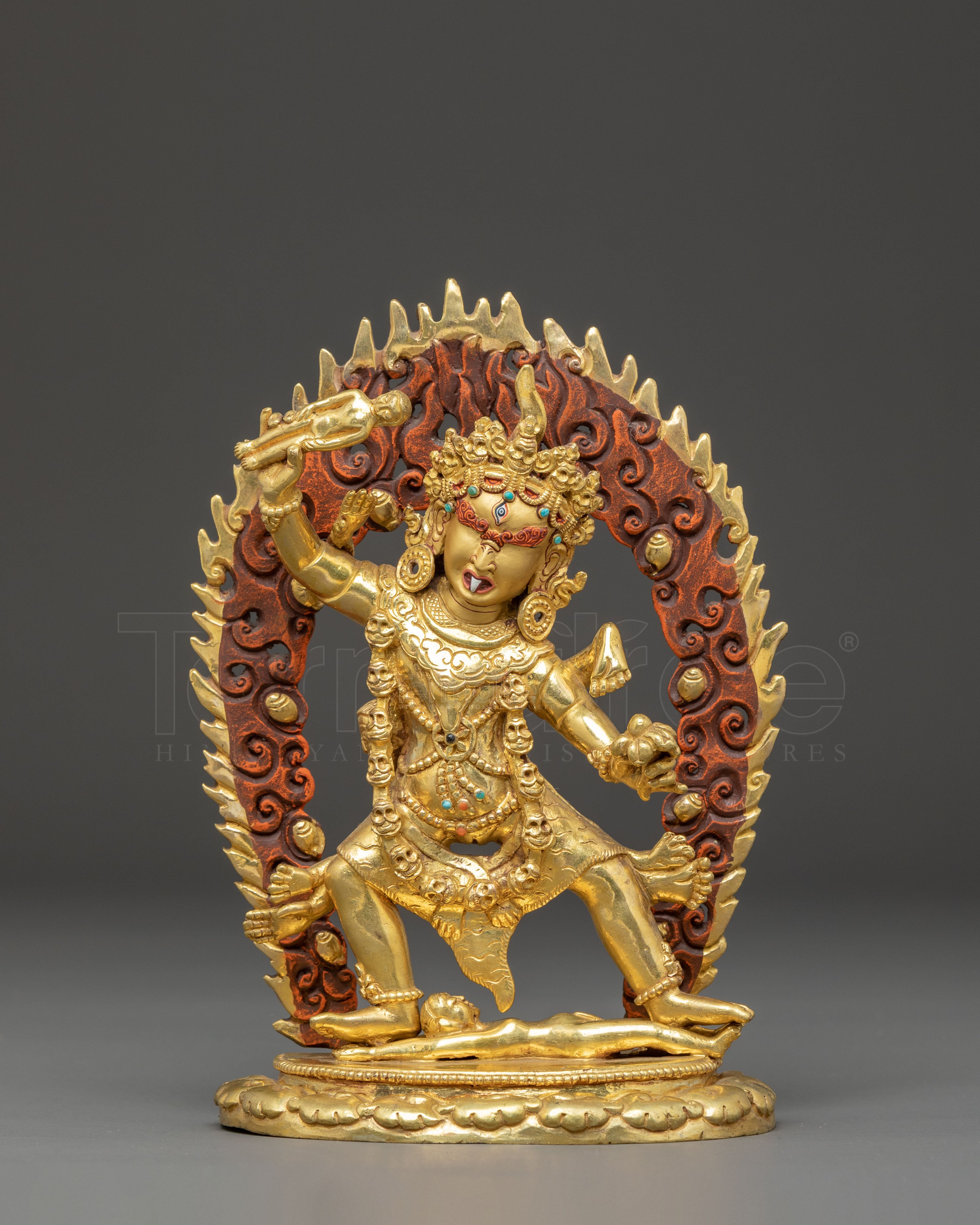
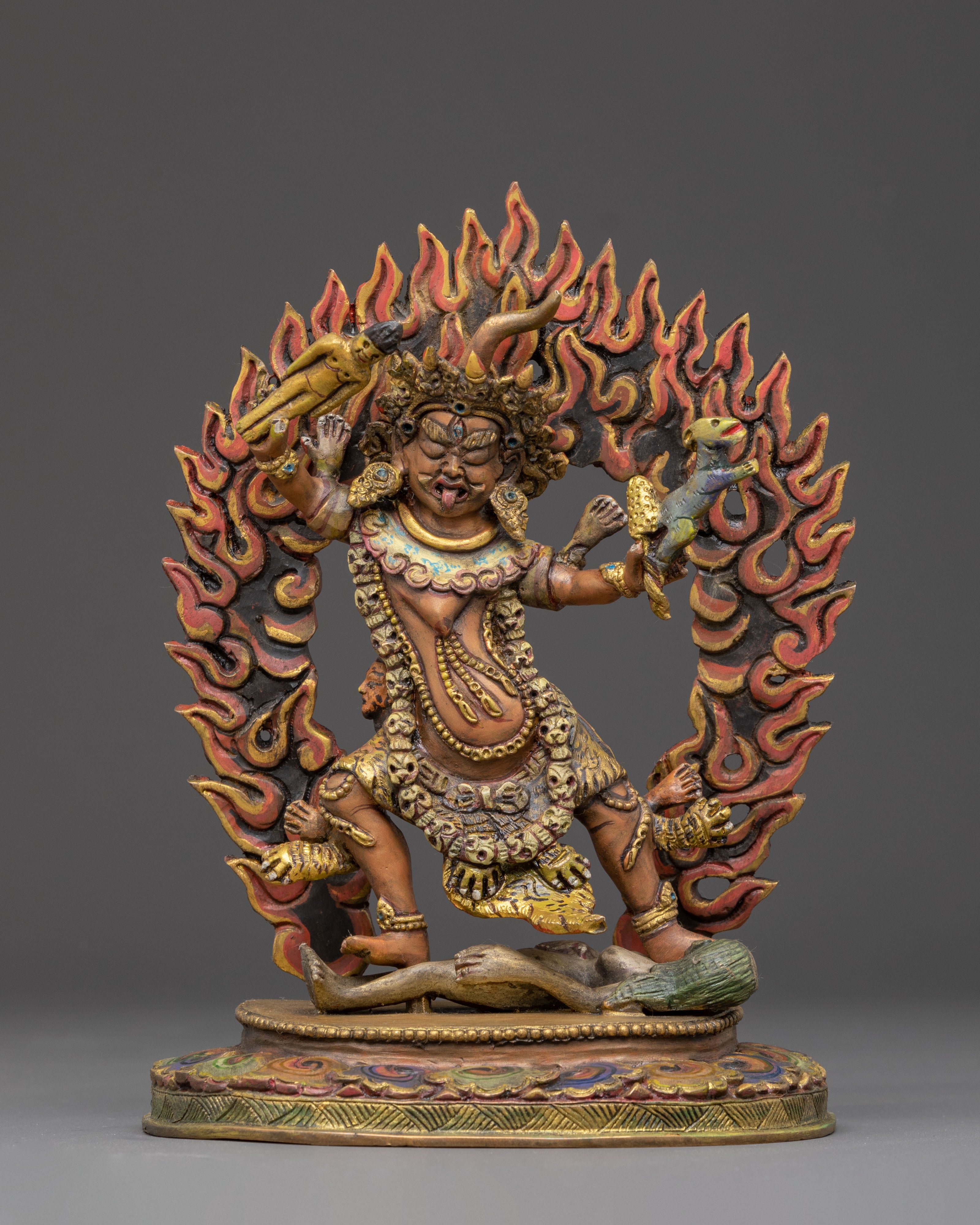
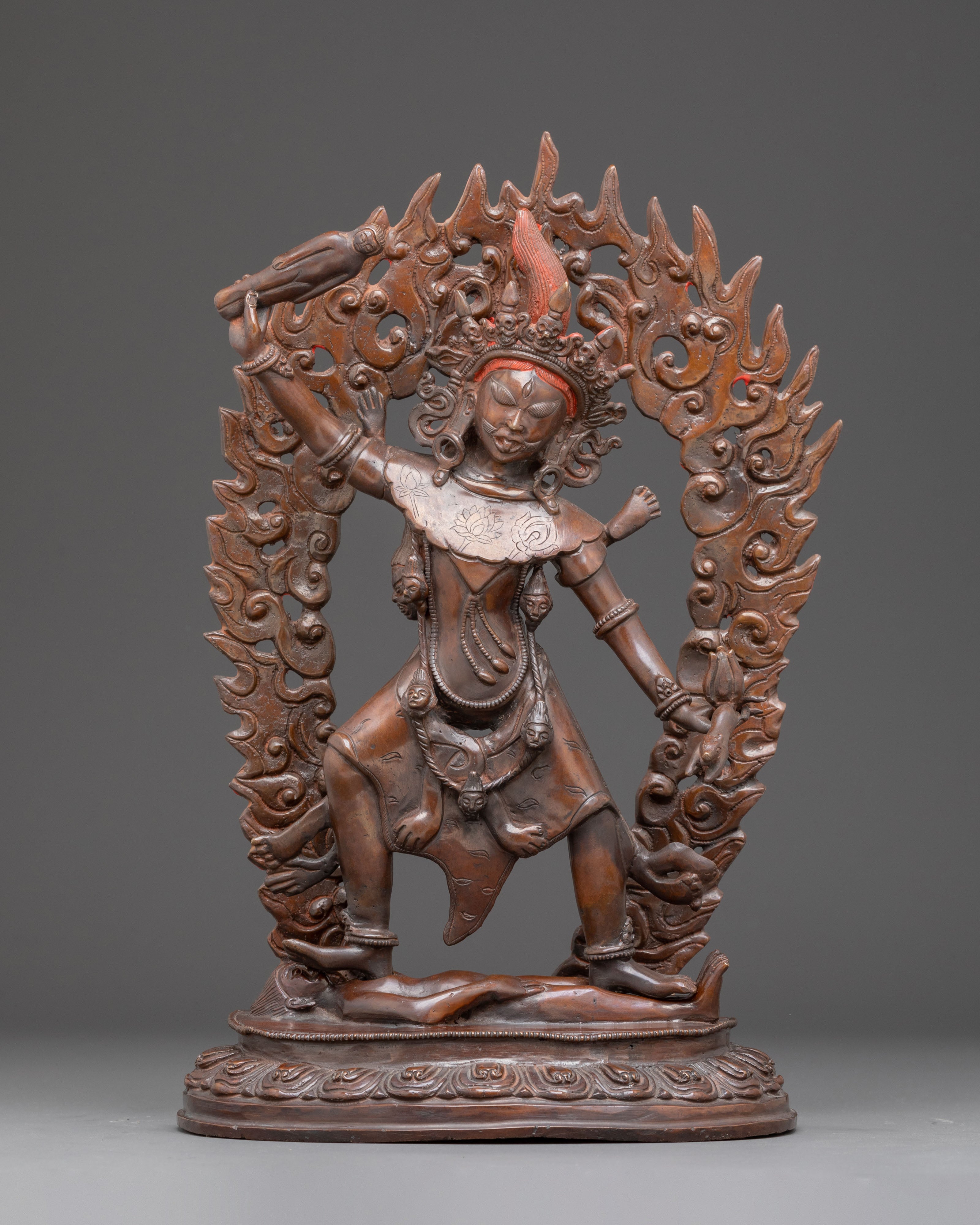
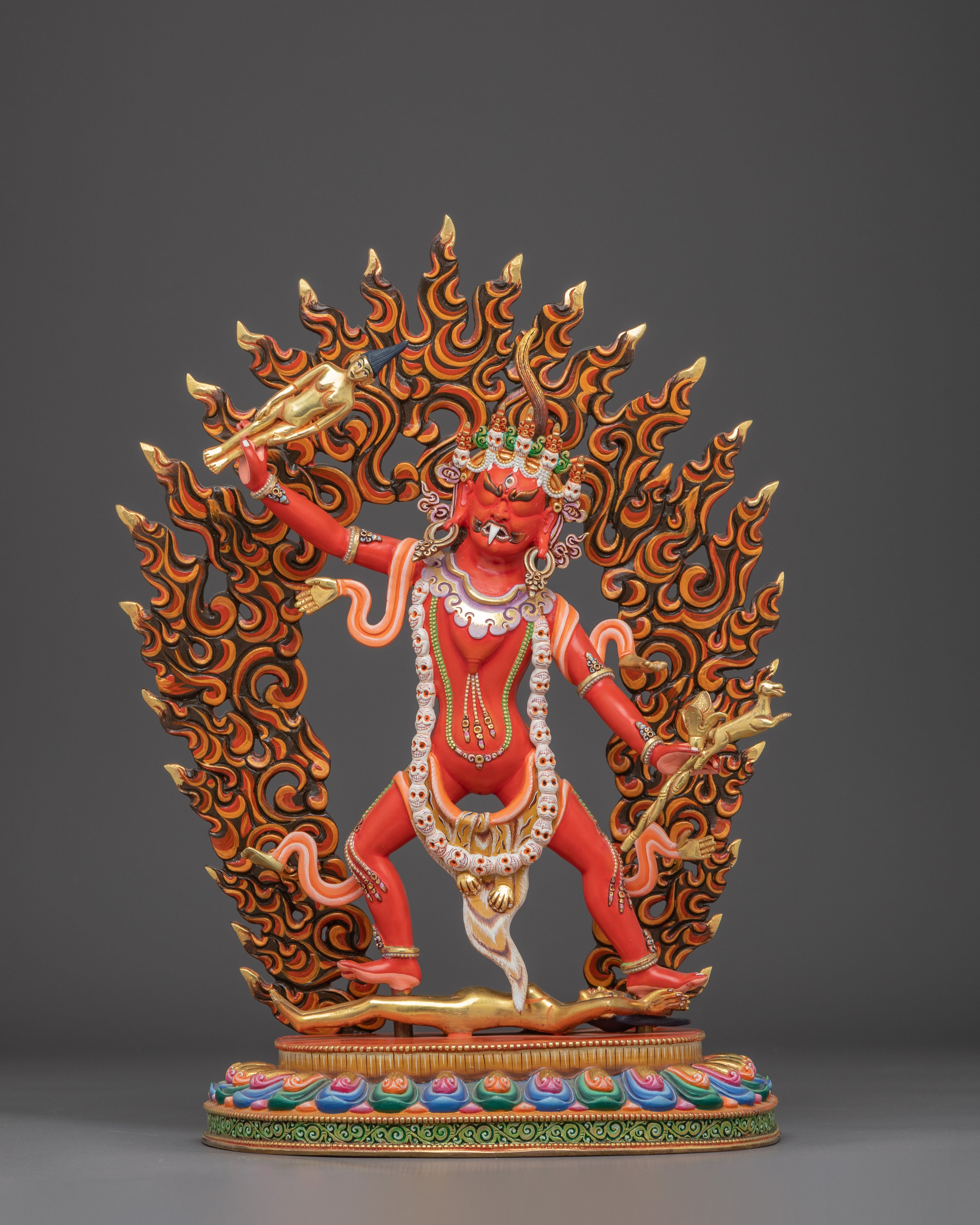
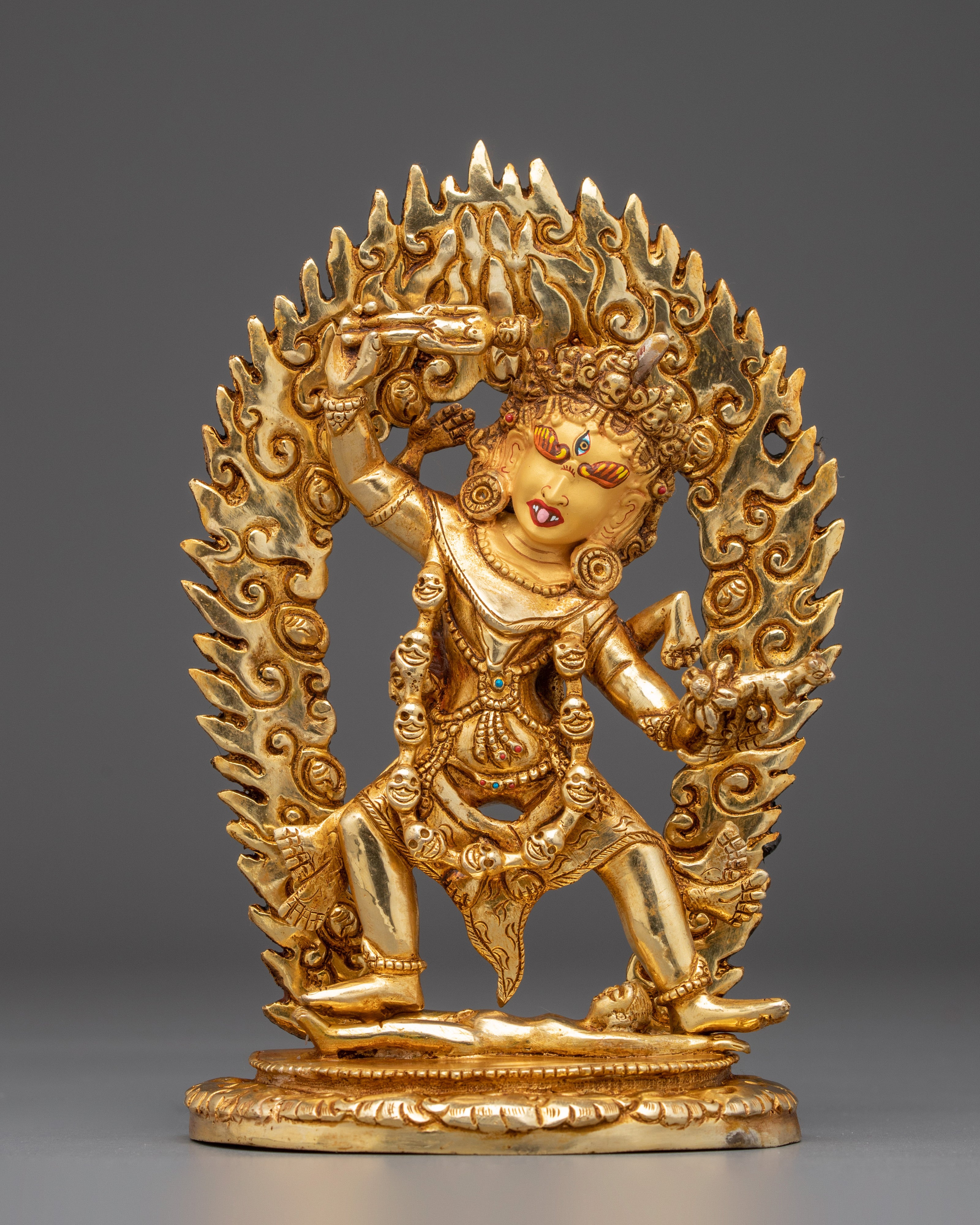
In Tibetan Buddhist culture, Ekajati is seen as a wrathful deity that serves as a fierce protector of the teachings of the Dharma as well as a means to overcome obstacles on the path towards enlightenment. The energy of Ekajati is particularly strong in both the Vajrayana and Tantric traditions; hence, the strength of he is harnessed to help protect all practitioners from negative outside influences and obstacles on their spiritual journey.
Symbols & Iconography
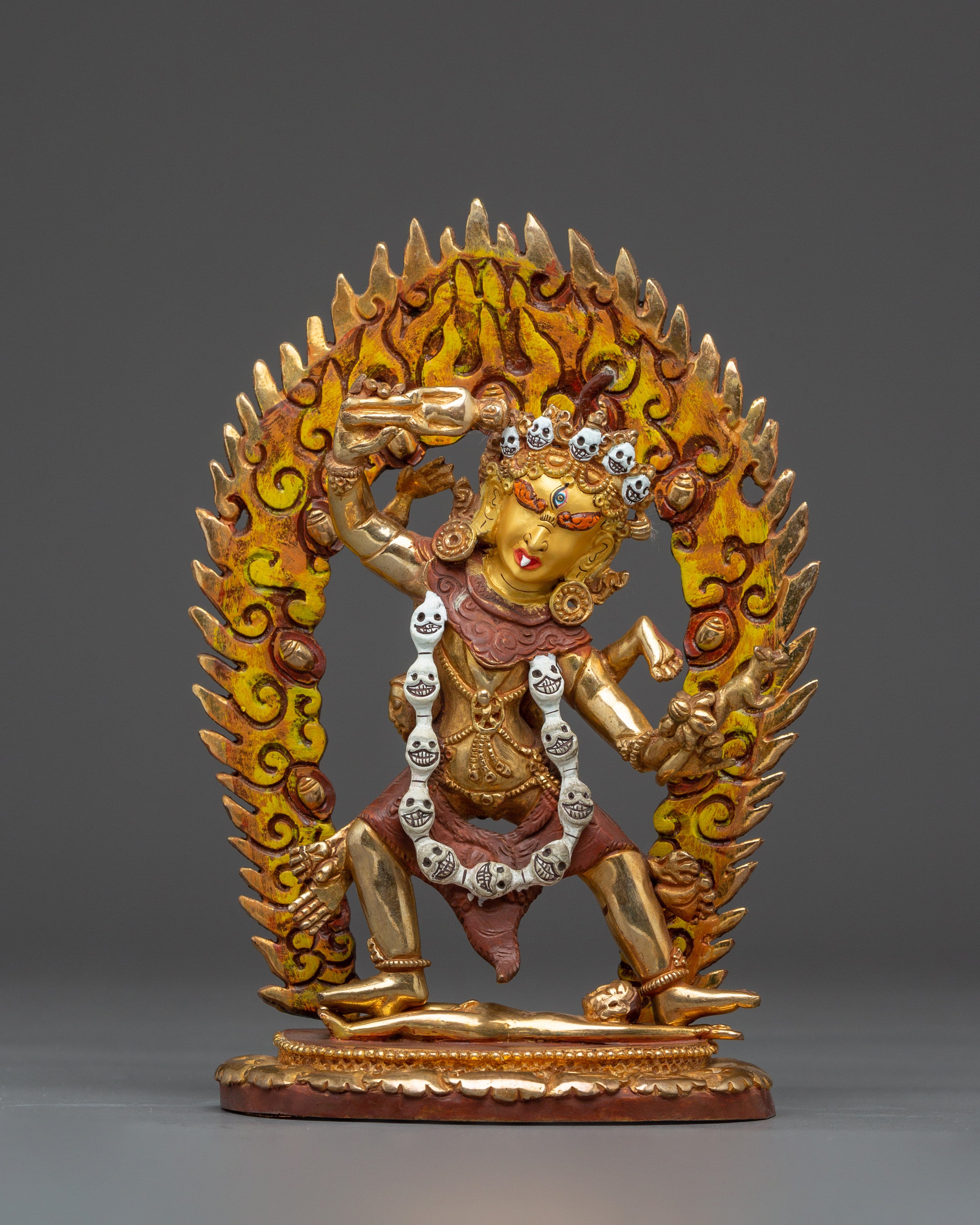
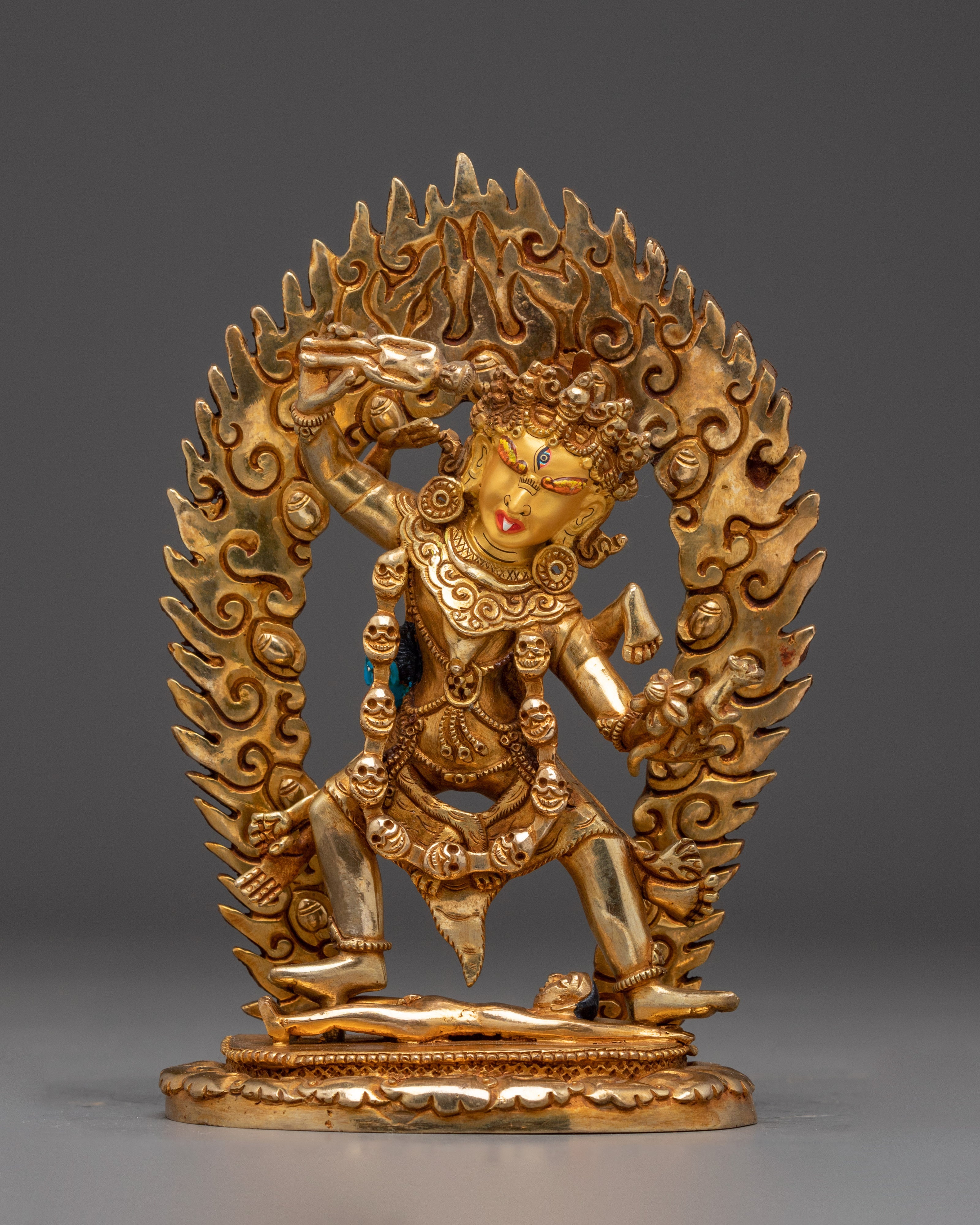
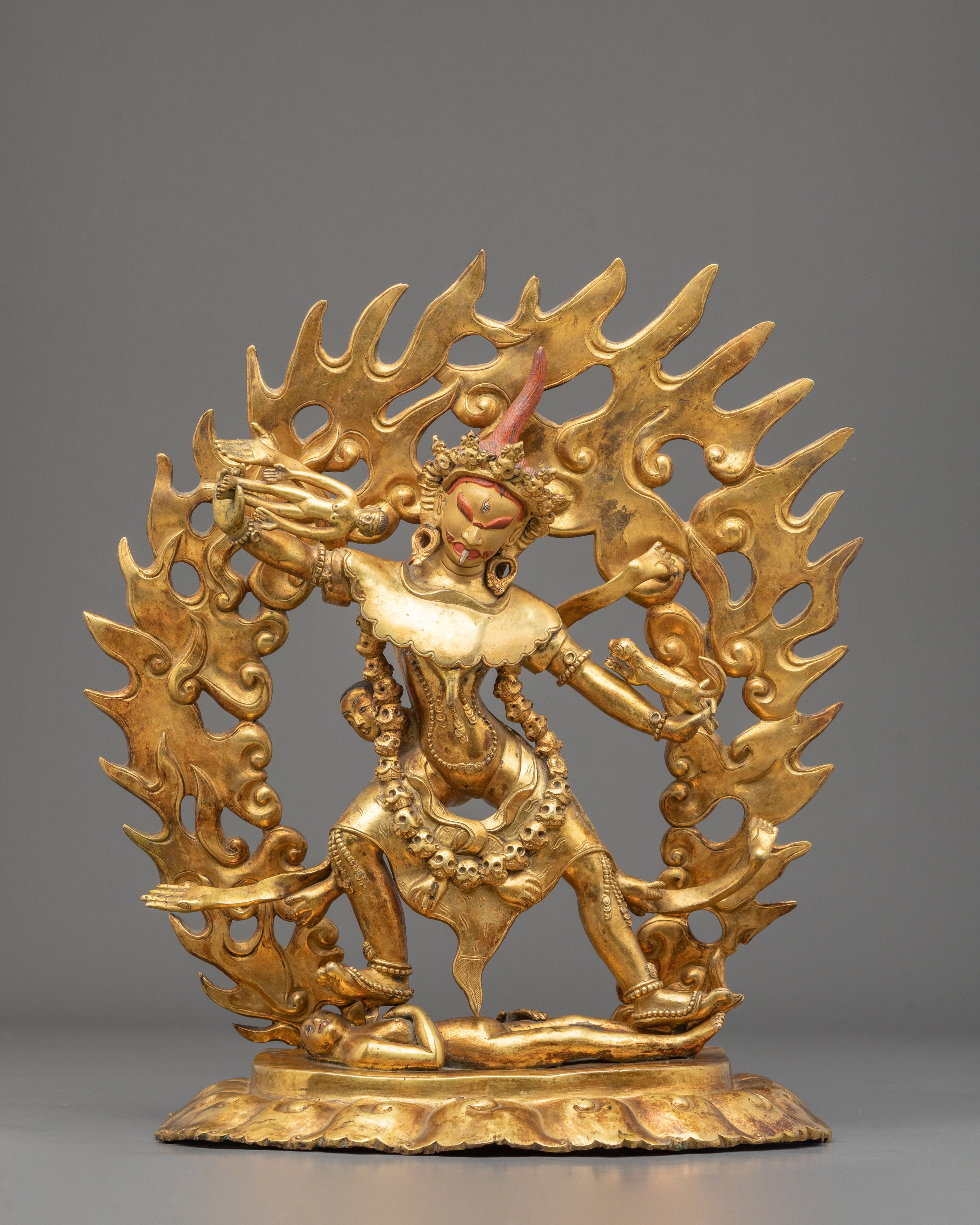
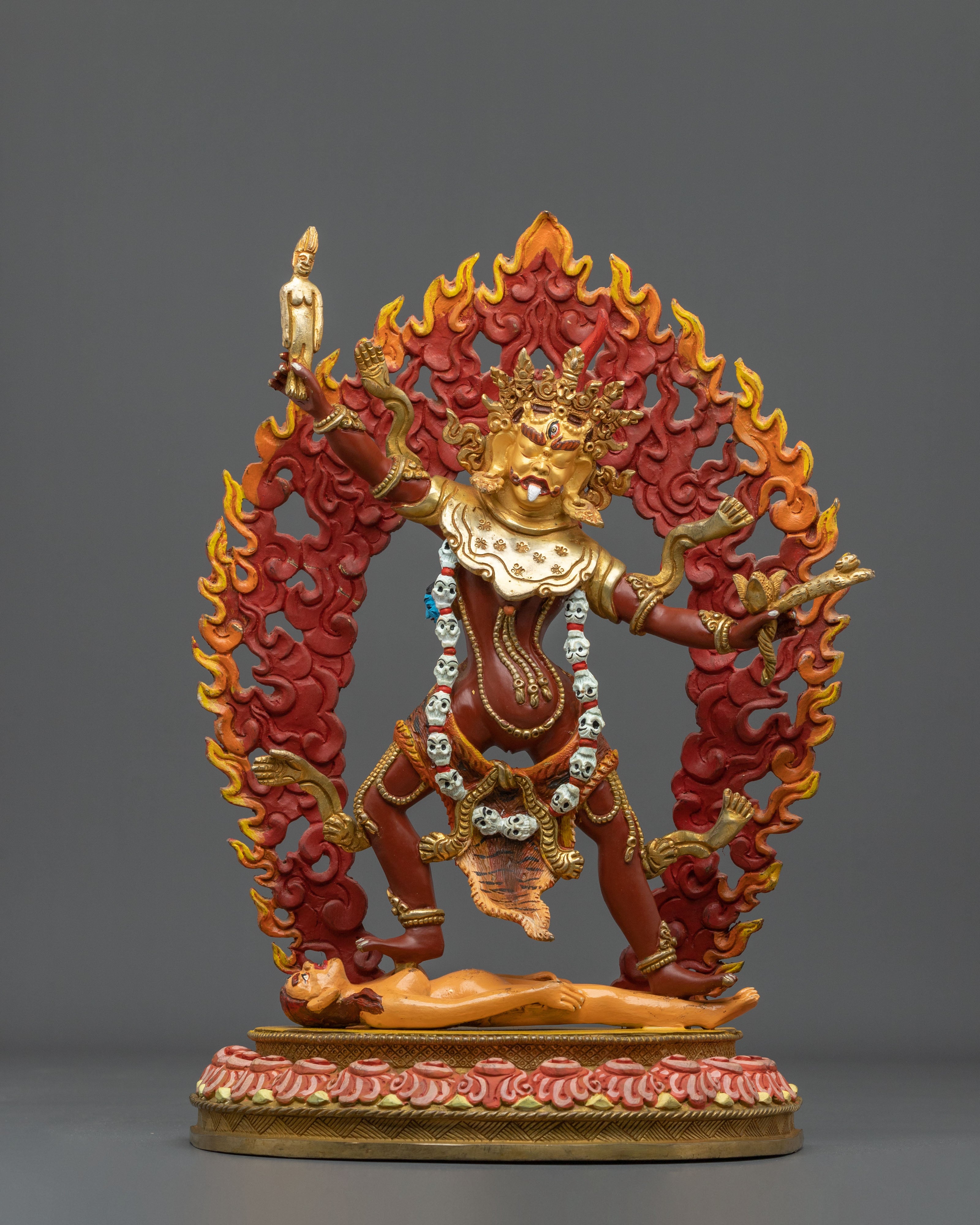
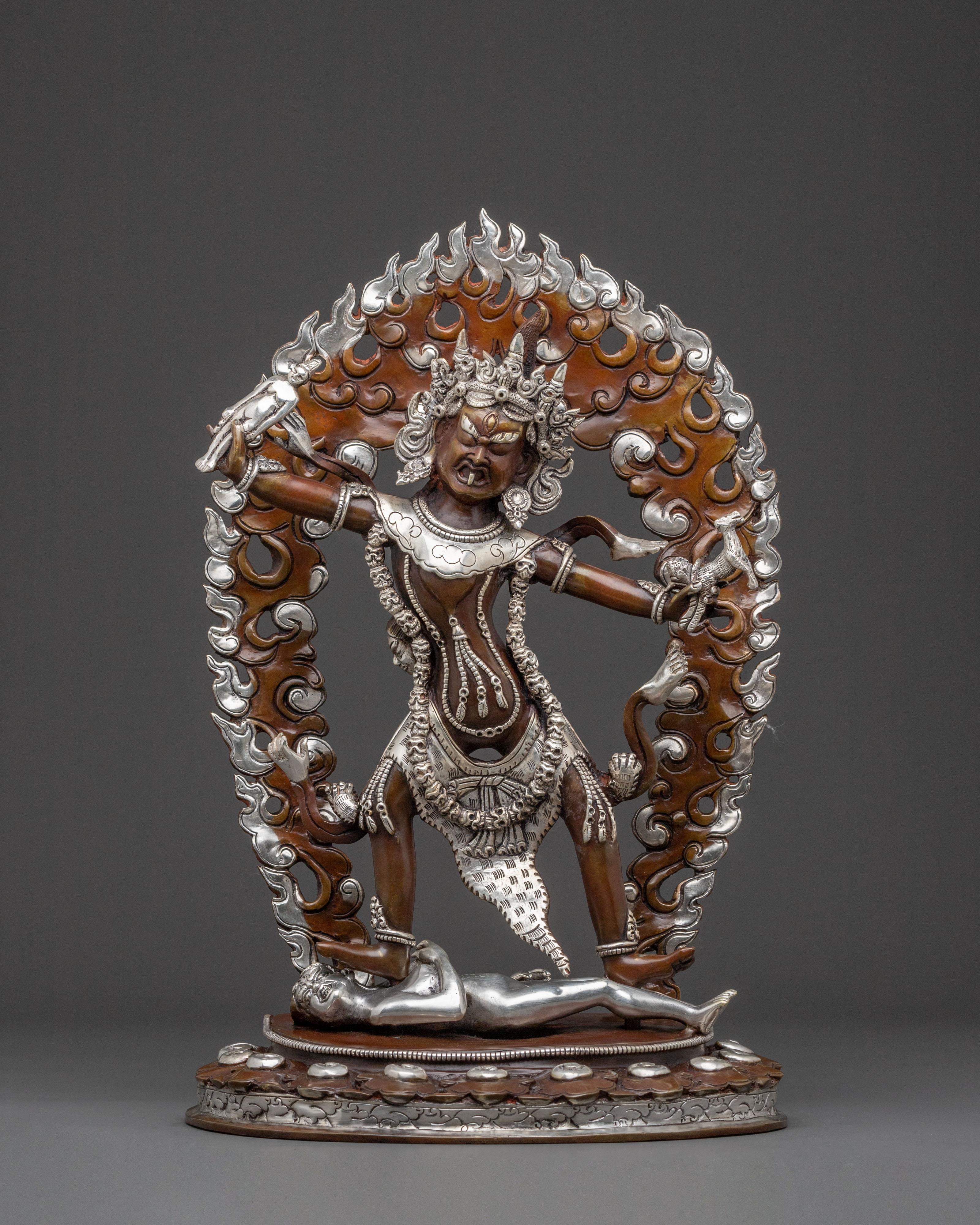
- Single Hair Knot: The most distinct of Ekajati's many attributes is her singular, coiled hair knot. This style symbolizes direct and focused energy or will toward the protection of those devotees.
- Anger: When depicted, Ekajati's intensely forceful and furious countenance, complete with bared teeth represents her power to eliminate ignorance and protect the teachings of the Dharma.
- Color & Clothing: In many illustrations, Ekajati is depicted with either dark red or dark brown skin and adorned with a necklace of human skulls, which symbolizes her power to conquer death and turn it into wisdom.
Ekajati is also frequently depicted brandishing various weapons, such as a sword or trident, that represent her ability to cut through obstacles and ignorance.
Role in Practice
- Ekajati offers people assistance & protection through purification of negative emotions and obstacles from one's path (karma). Because of this, she is there for all practitioners on their spiritual journey.
- Ekajati protects Dharma and protects Buddha's dharma from negative influences so practitioners may continue on their spiritual pilgrimage free from distraction or interference.
- Purification and Transformation Through Anger: Her nature is to purify ignorance and transform negative thoughts into wisdom.
- Guardian of Obstruction as a Guardian: Ekajati helps practitioners overcome difficult times during their spiritual growth towards enlightenment.
Legacy and Influence
Ekajati's teachings have been preserved most strongly in Nyingma and Kagyu traditions. The significance of her practice within the Tantric rituals of Hindus lies in her ability to help practitioners cleanse blockages, fears, and attachments and transform them into wisdom. Through her fierce protection, practitioners have been able to confront and defeat their inner demons, allowing them to advance towards enlightenment.