Ratnasambhava
18 products
Showing 1 - 18 of 18 products
Ratnasambhava: The Buddha of Generosity
Ratnasambhava is a Five Dhyani Buddha. He embodies the spirit of giving, wealth, and getting rid of pride. His name, translated as Born of the Jewel, is the symbol of the limitless richness of compassion, wisdom, and spiritual abundance that he provides all living things. Ratnasambhava is particularly a beloved object of worship in the Vedanta and Mahayana schools and is a representation of detaching the ego from attachment to material wealth and converting it into spiritual abundance and generativity.
Iconography and Symbolism
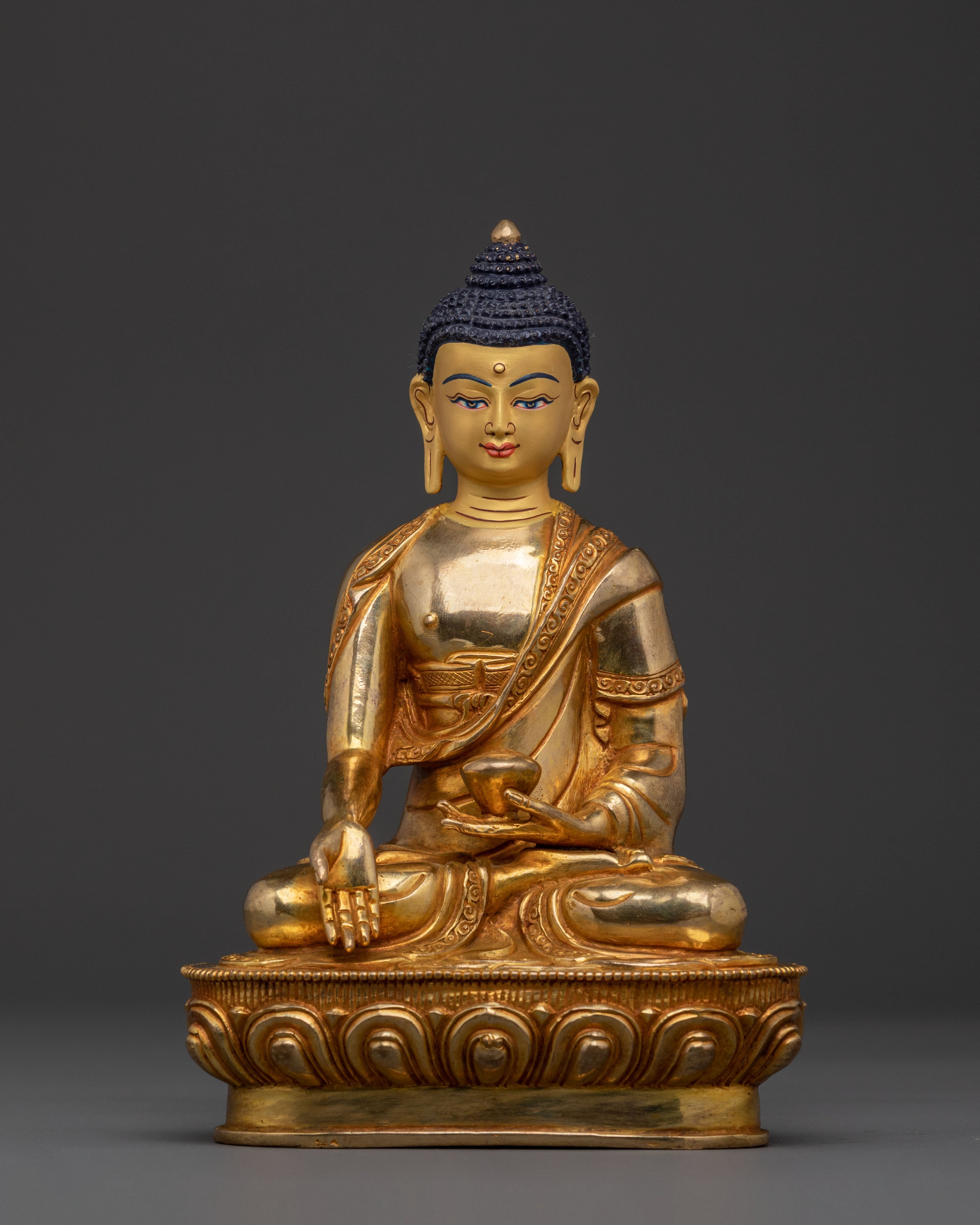
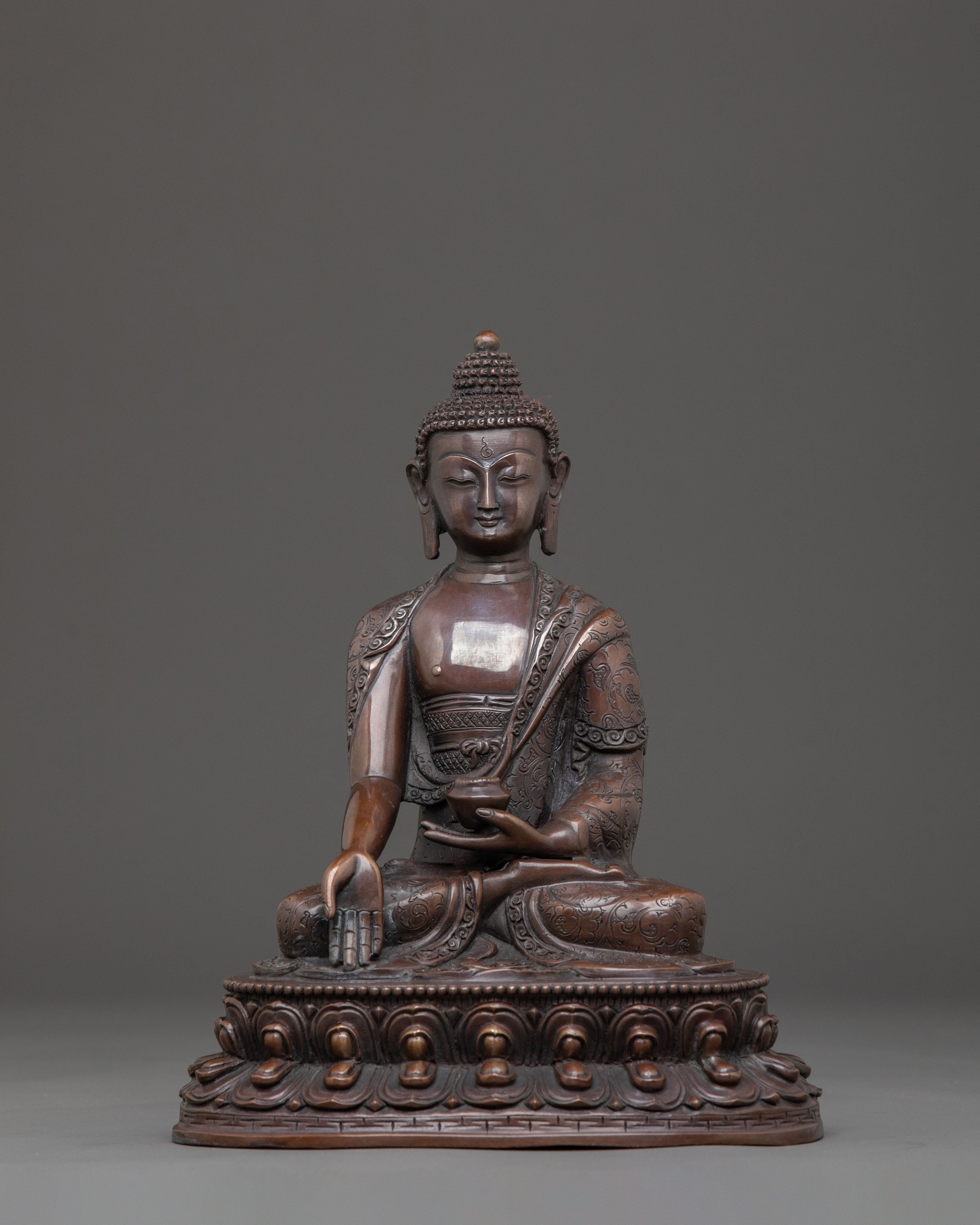
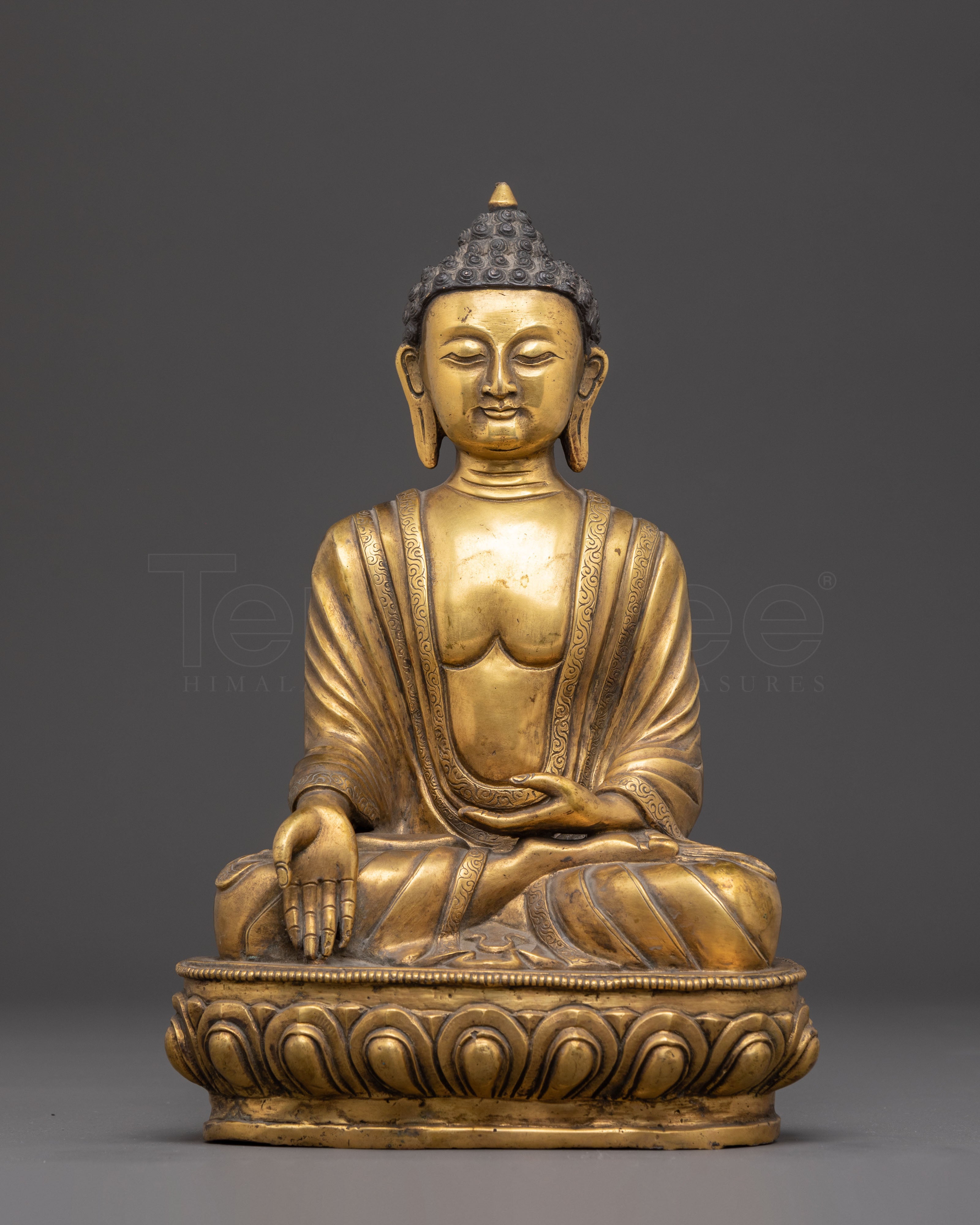
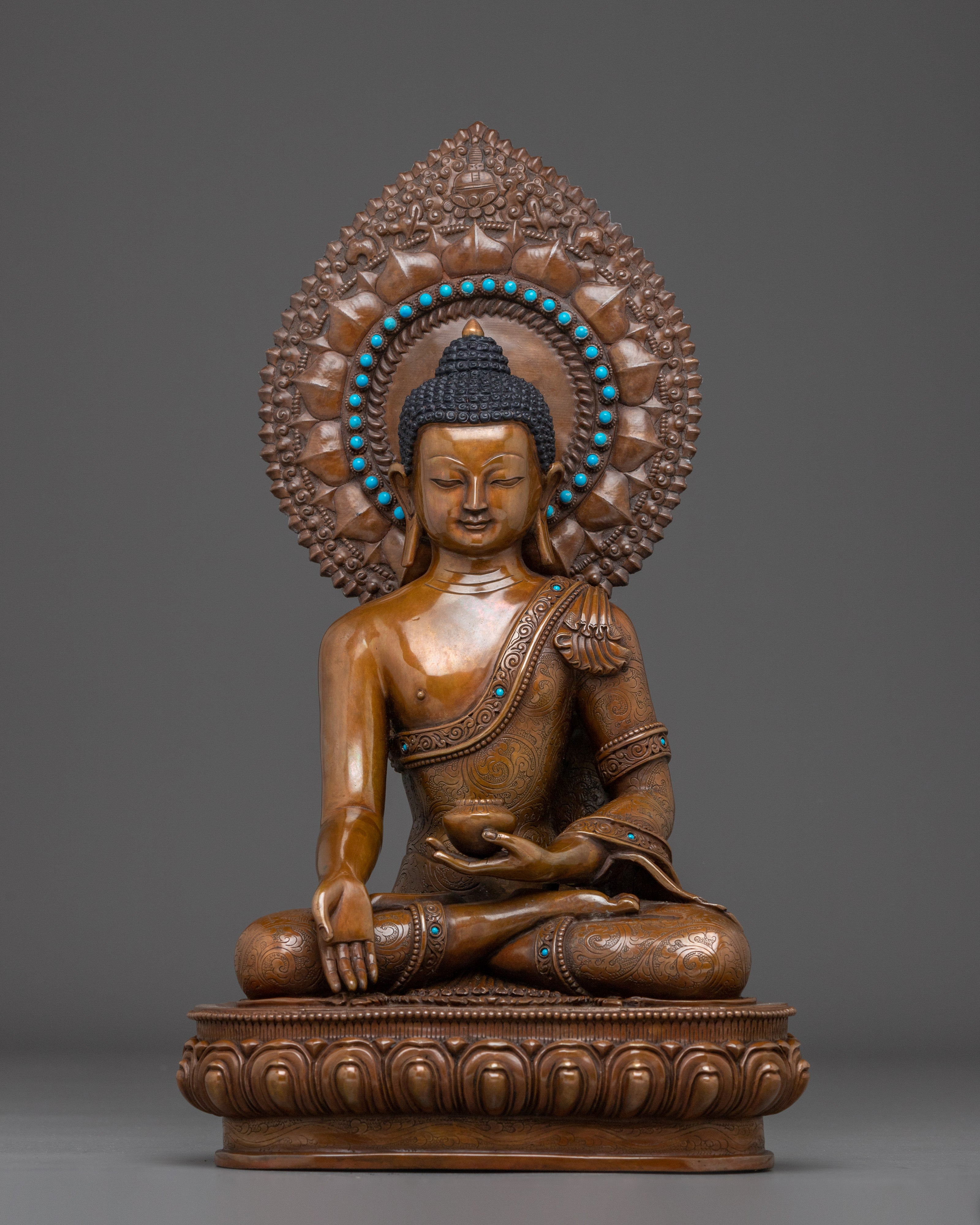
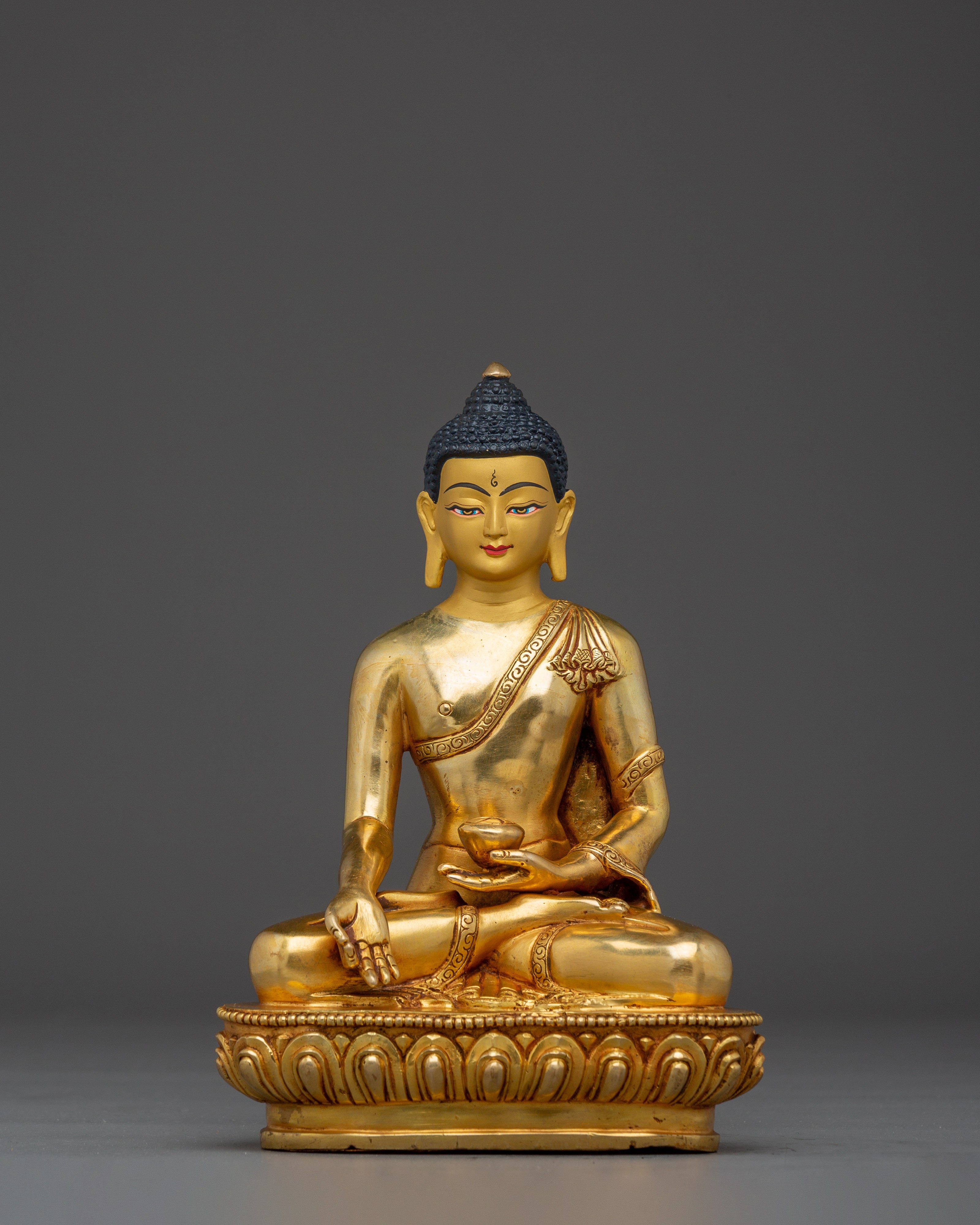
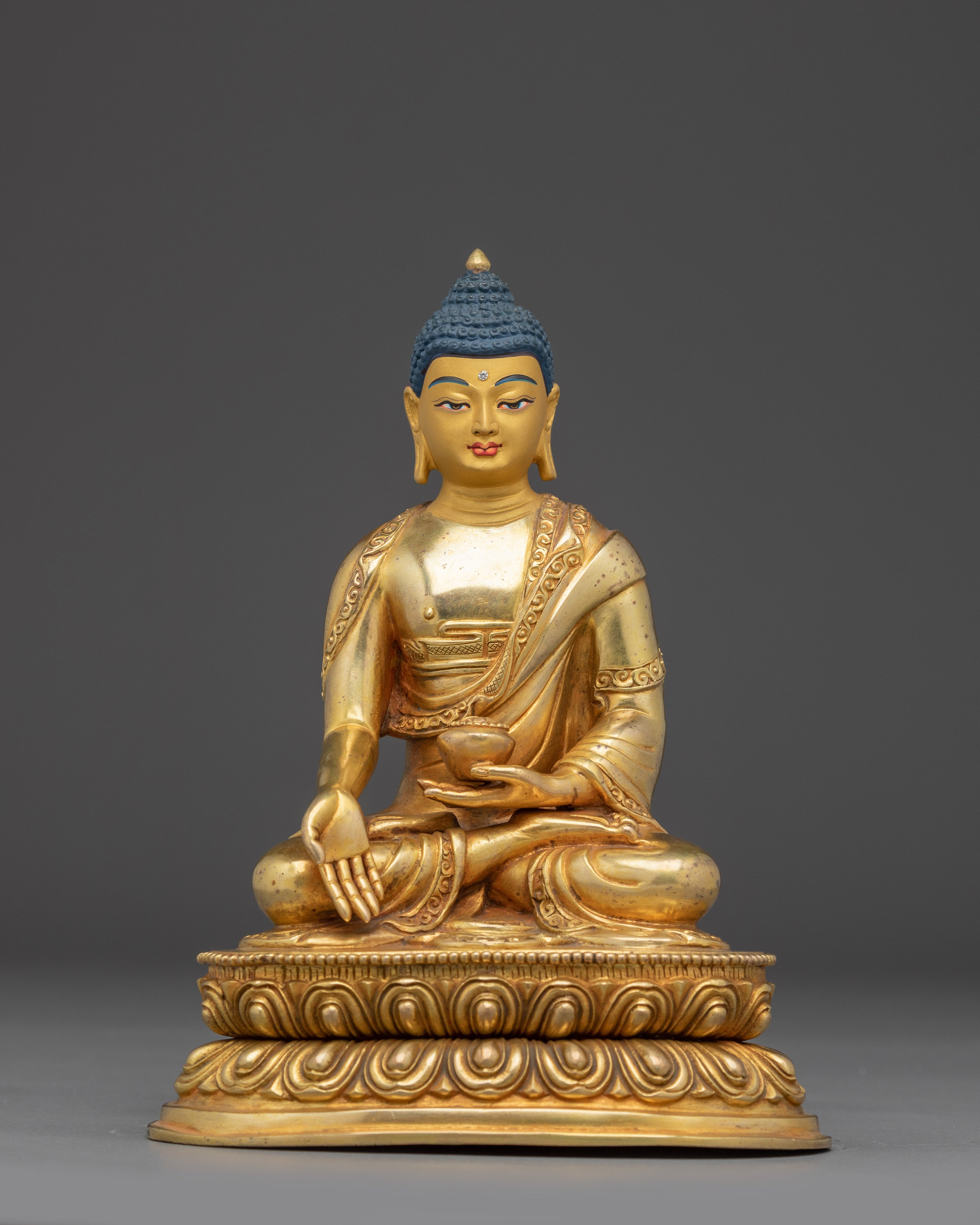
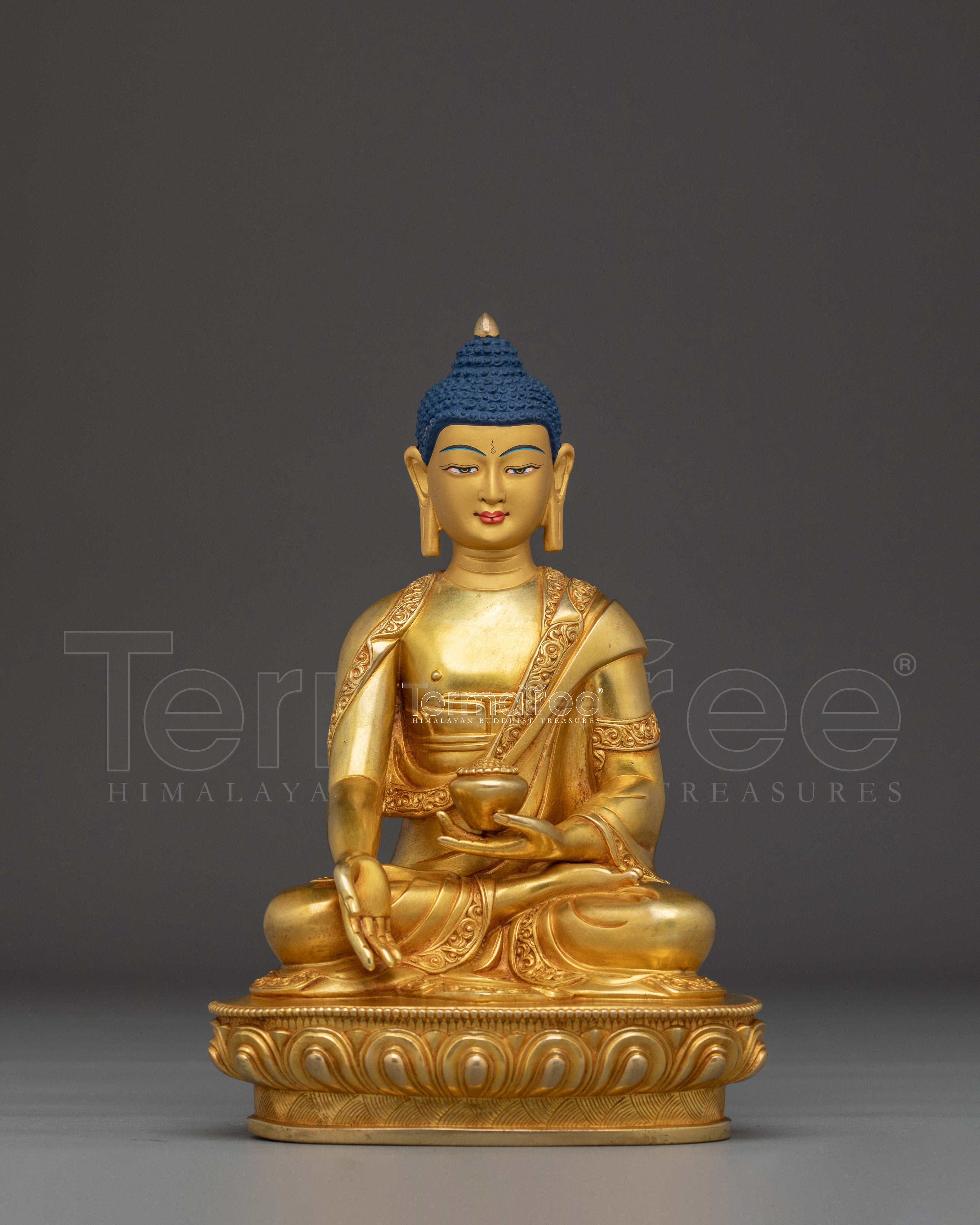
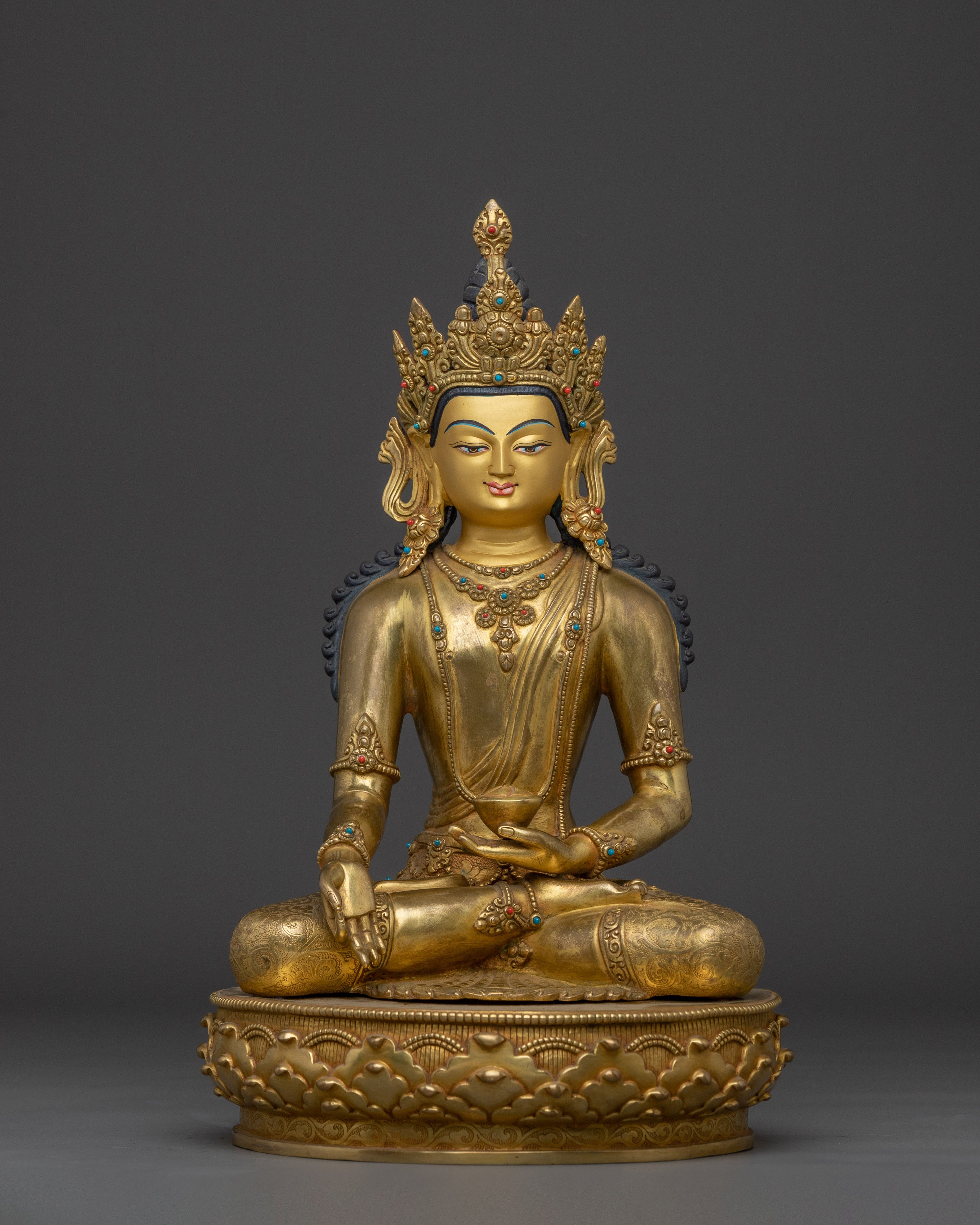
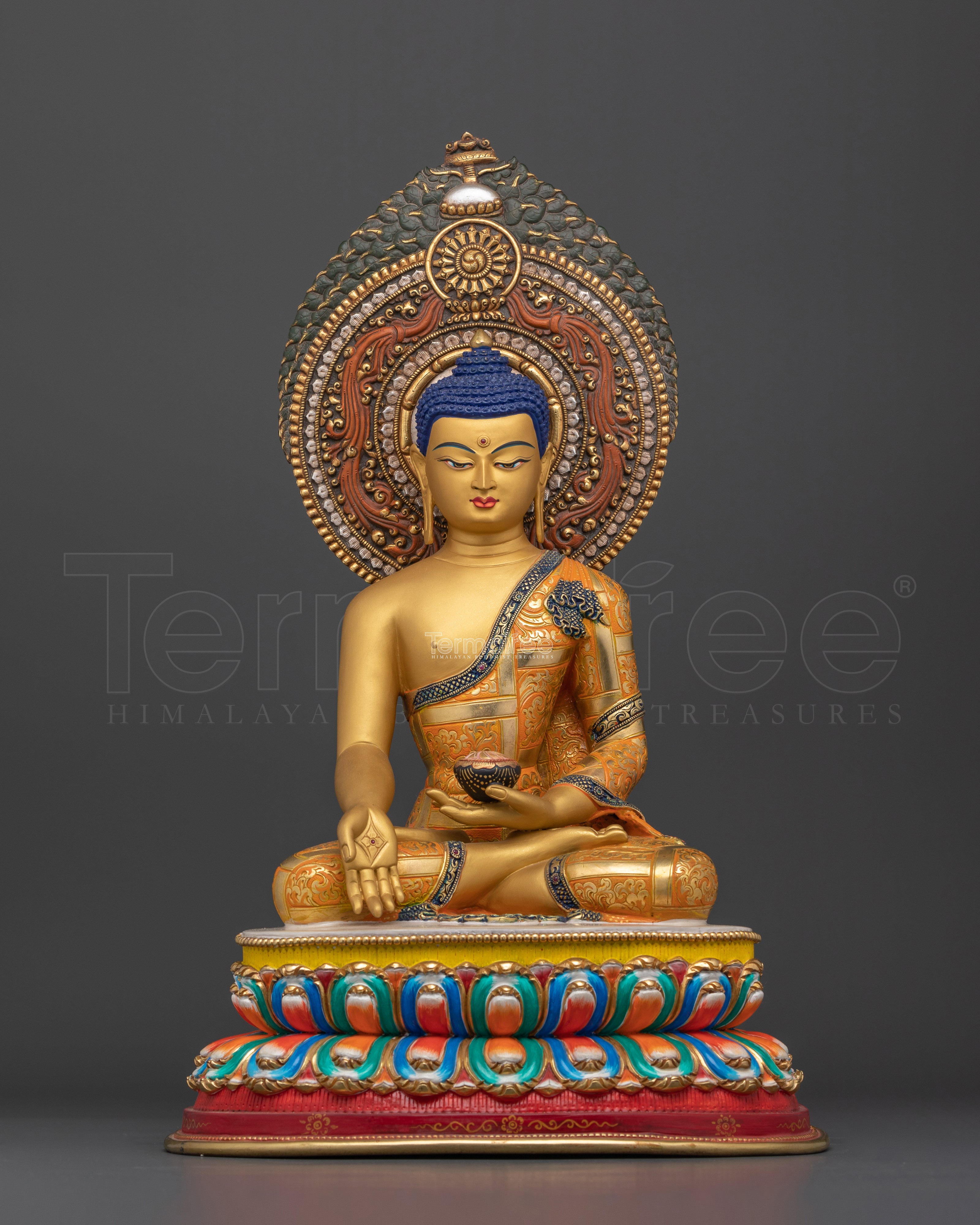
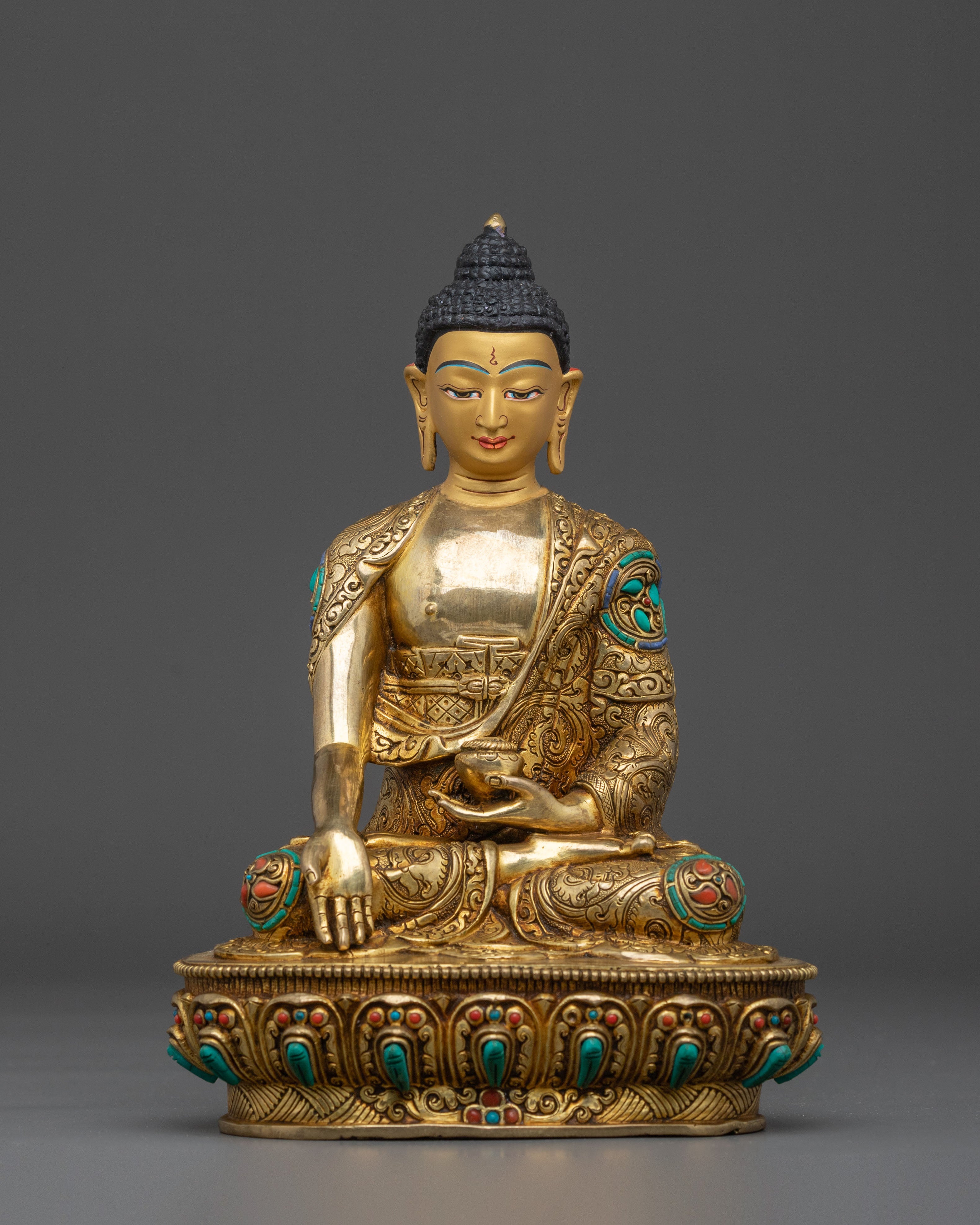
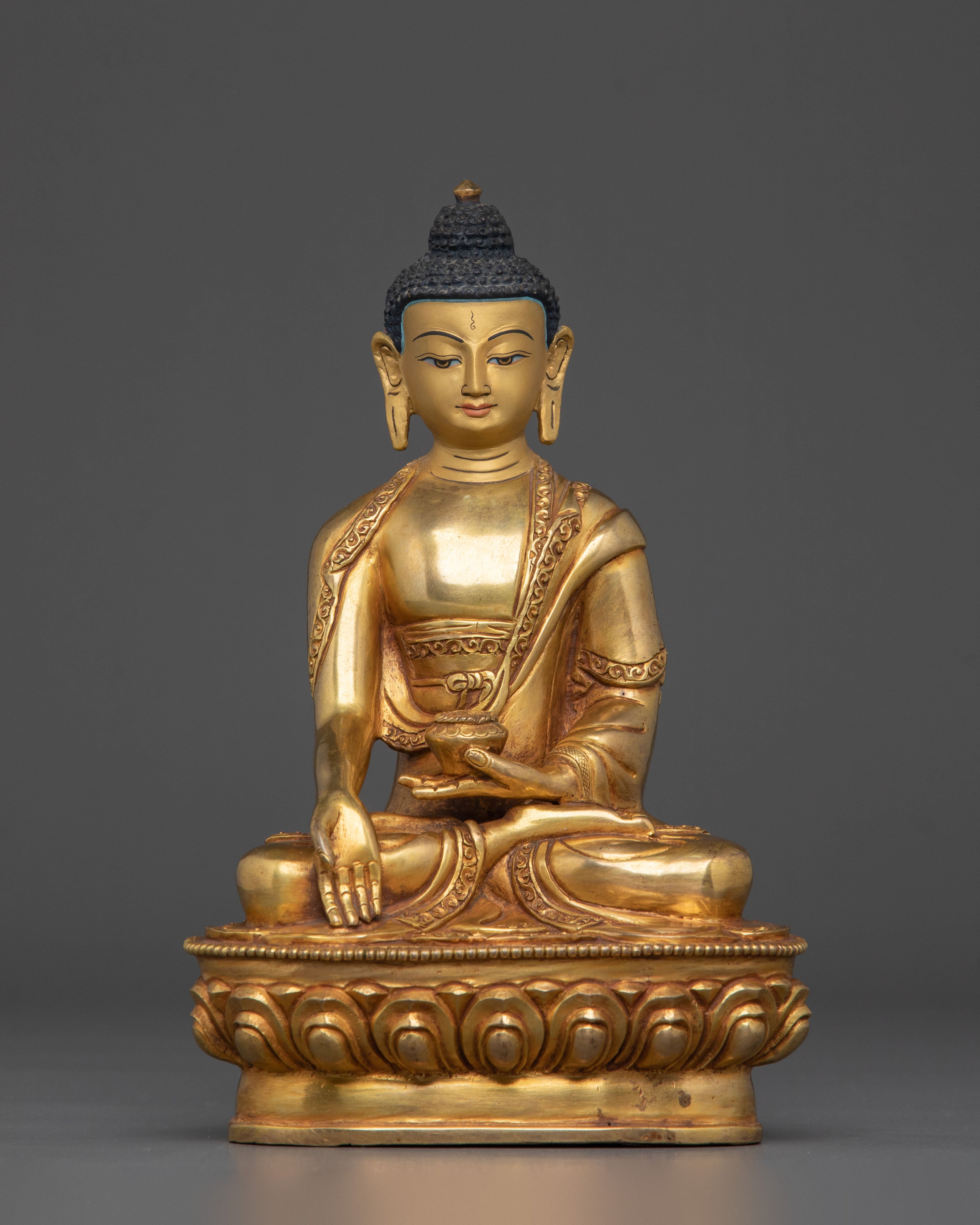
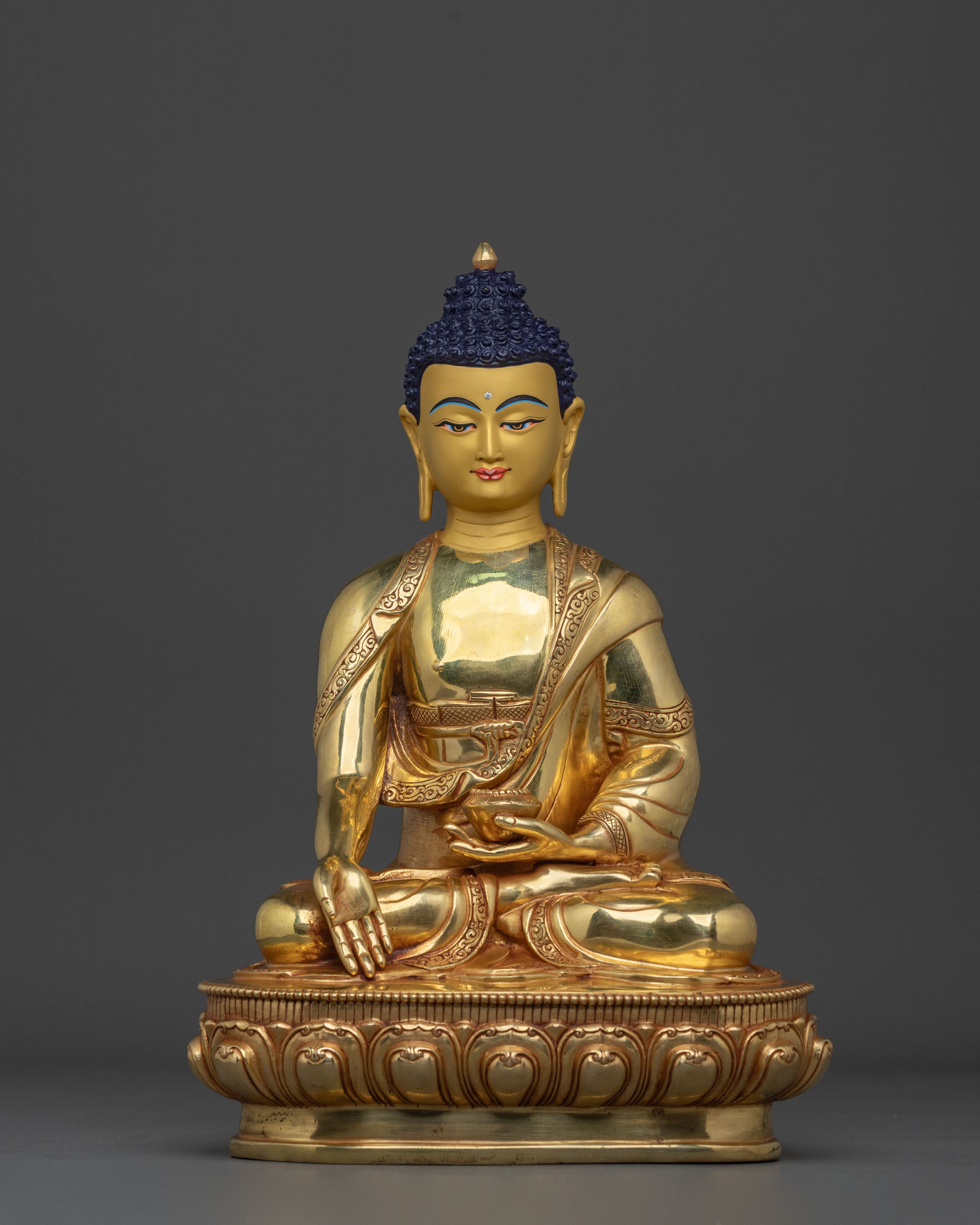
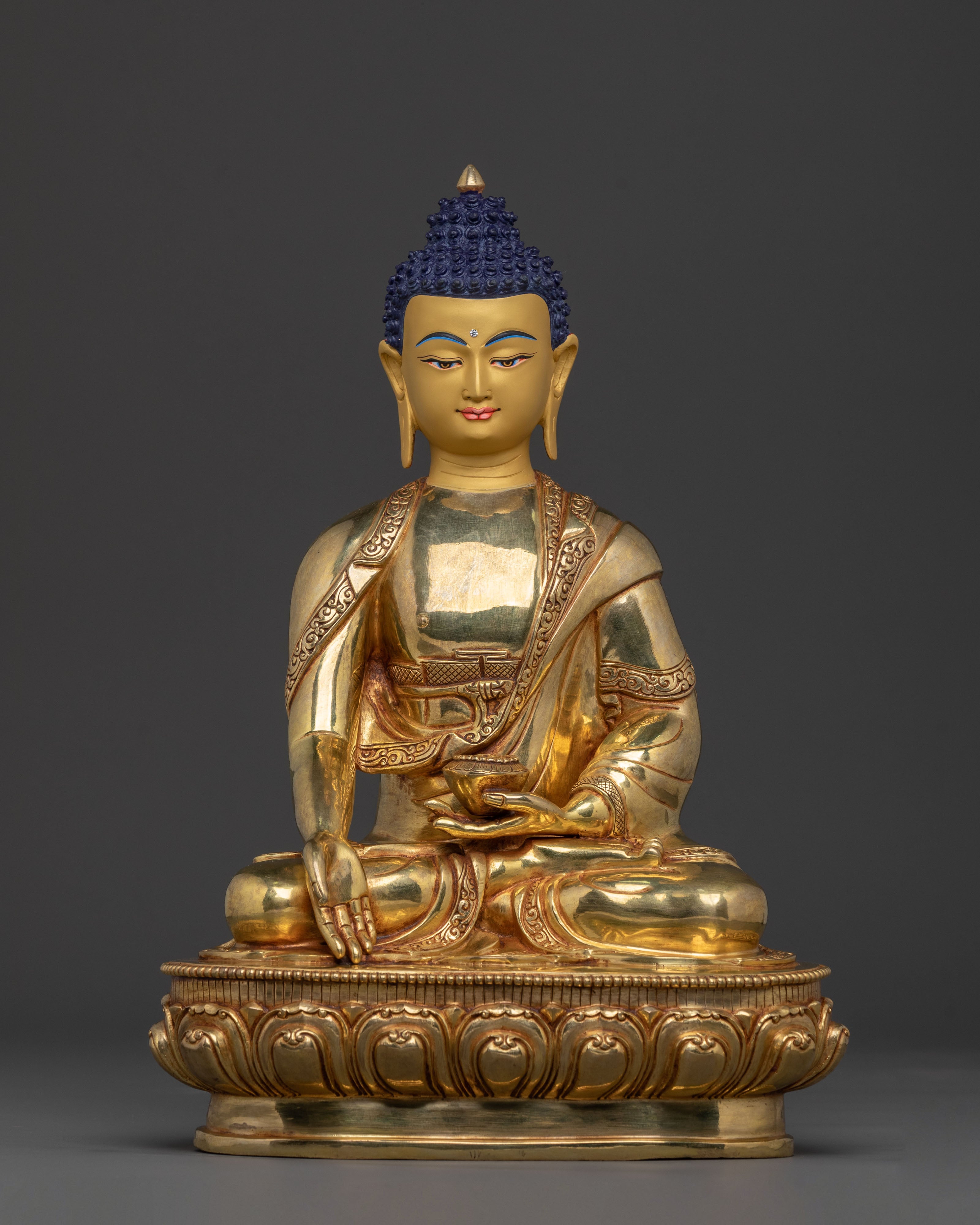
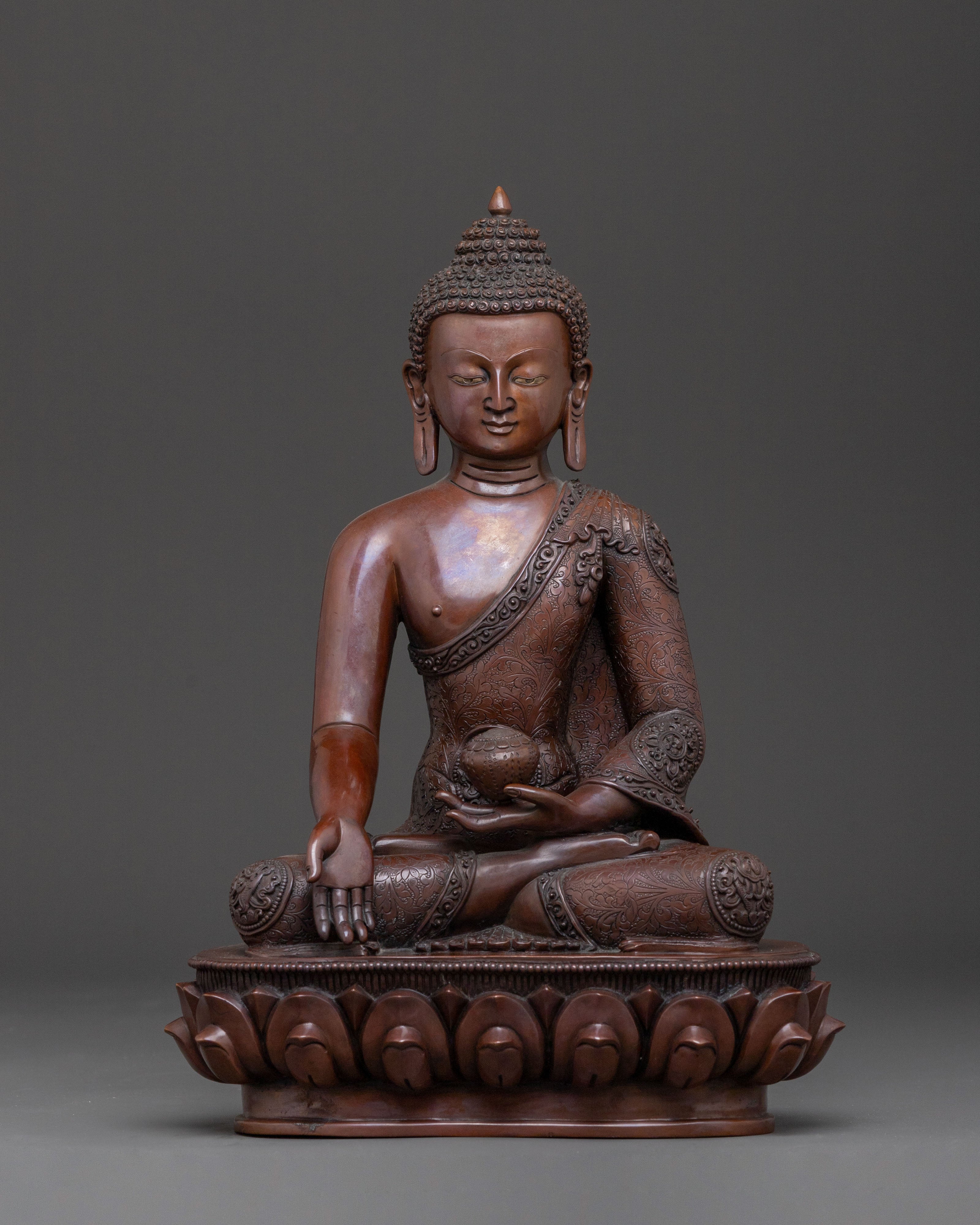
Ratnasambhava is commonly expressed by people in many forms, all of which signify his generosity and the prosperity of enlightenment. He is represented seated in the lotus pose with his right hand in the gesture of giving (Varada mudra). This is the provision of spiritual wealth and blessings. He is holding a gem or a jewel in his left hand, and this symbolizes the treasure of wisdom and compassion that he brings to the world.
Golden Color: His body is generally golden, which indicates how wise he is, and along with how generous he is. It is also the golden color, which symbolizes the fact that pride may become the unselfish will to help.
The Jewel: The Jewel in his left hand is a significant symbol, and it represents the Dharma, or the teachings of the Buddha, which helps people to get free. It is also used to represent all the good things and wisdom that one can acquire with the help of spiritual practice.
Role of Ratnasambhava in Buddhism
Ratnasambhava is strongly associated with the elimination of pride, which is one of the primary mental obstacles during Buddhist practices. Individuals believe that his power will assist those in practice to eliminate pride and arrogance and adopt humility and the genuine need to assist others. By doing this, Ratnasambhava becomes extremely significant in changing the mind since he guides the practitioners to a state of being selfless and giving.
Origins and Mythology
The Ratnasambhava mythology has to do with the greater cosmology of the five Dhyani Buddhas. According to Buddhism, every Dhyani Buddha is a personification of another type of wisdom and virtue. The Buddha of generosity is called Ratnasambhava and purifies the mind by removing the feelings of pride and changing it into a spiritual treasure that can be disseminated among all people.
People tend to believe that he was born at a time when his teachings were most needed; people were trapped in greed, pride, and materialism. As a Buddha, Ratnasambhava has made a promise to eliminate the darkness of pride and selfishness and, in the process, enable creatures to develop in generosity and wisdom.
Ratnasambhava of Tibetan Buddhism
Ratnasambhava is a Buddha of the mandala of the Five Dhyani Buddhas of Tibetan Buddhism. His presence is considered essential to the spiritual well-being of the practitioners, especially in the transformation of the obsessions of the mind towards material wealth to the growth of spiritual plenty.
The teaching and symbols of Ratnasambhava are regularly used by people in rituals to cleanse themselves, meditate on wealth and generosity, and perform activities that aid them in overcoming their pride and ego. People are also kind to one another, and this is also influenced by him, either materially or spiritually.
Connection of Ratnasambhava with the Bodhisattvas
Ratnasambhava is a Buddha, yet he is closely interconnected with the Bodhisattva way as well. Bodhisattva is a very generous person; his generosity is one of the most significant components of the Bodhisattva ideal. This is to extend compassion and wisdom to everybody with no attachment to the giver. Through this, the teachings of Ratnasambhava can be considered as an example to those individuals who desire to possess the virtues of humility, generosity, and selflessness in their pursuit of enlightenment.
It reminds practitioners of the limitless wealth of wisdom within them when they meditate on Ratnasambhava and his qualities. They are also advised to use this wealth to share with others in the service of all living things.