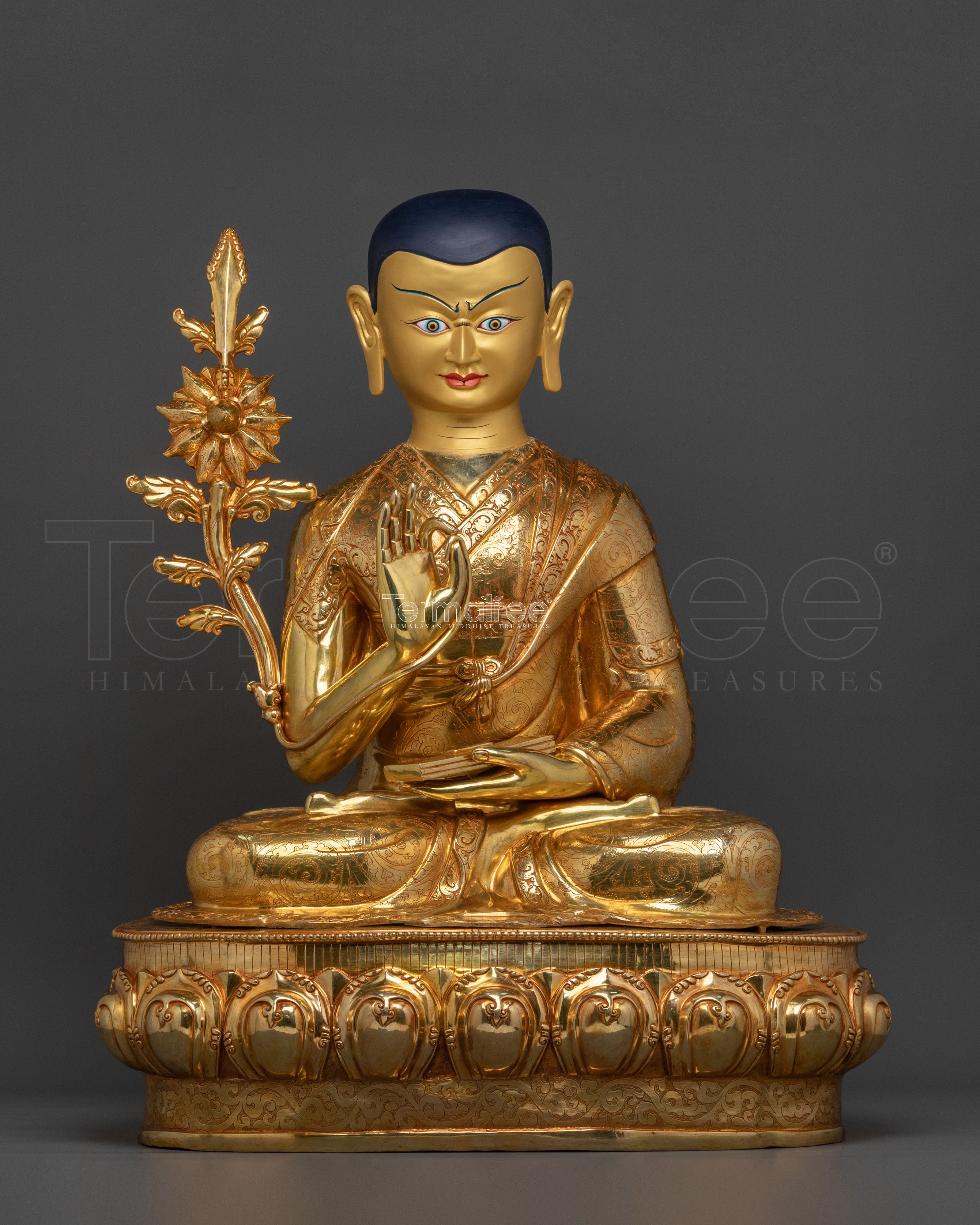
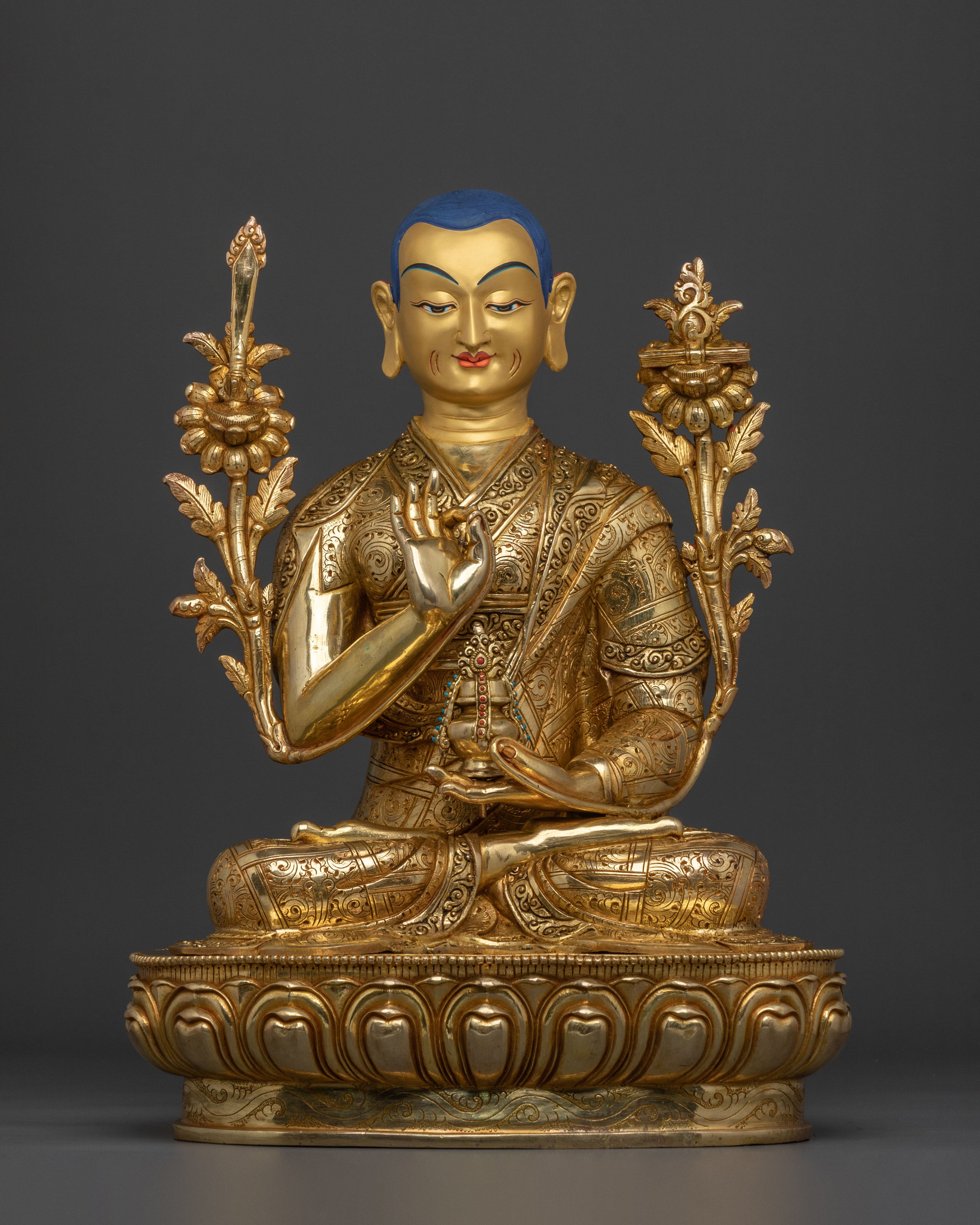
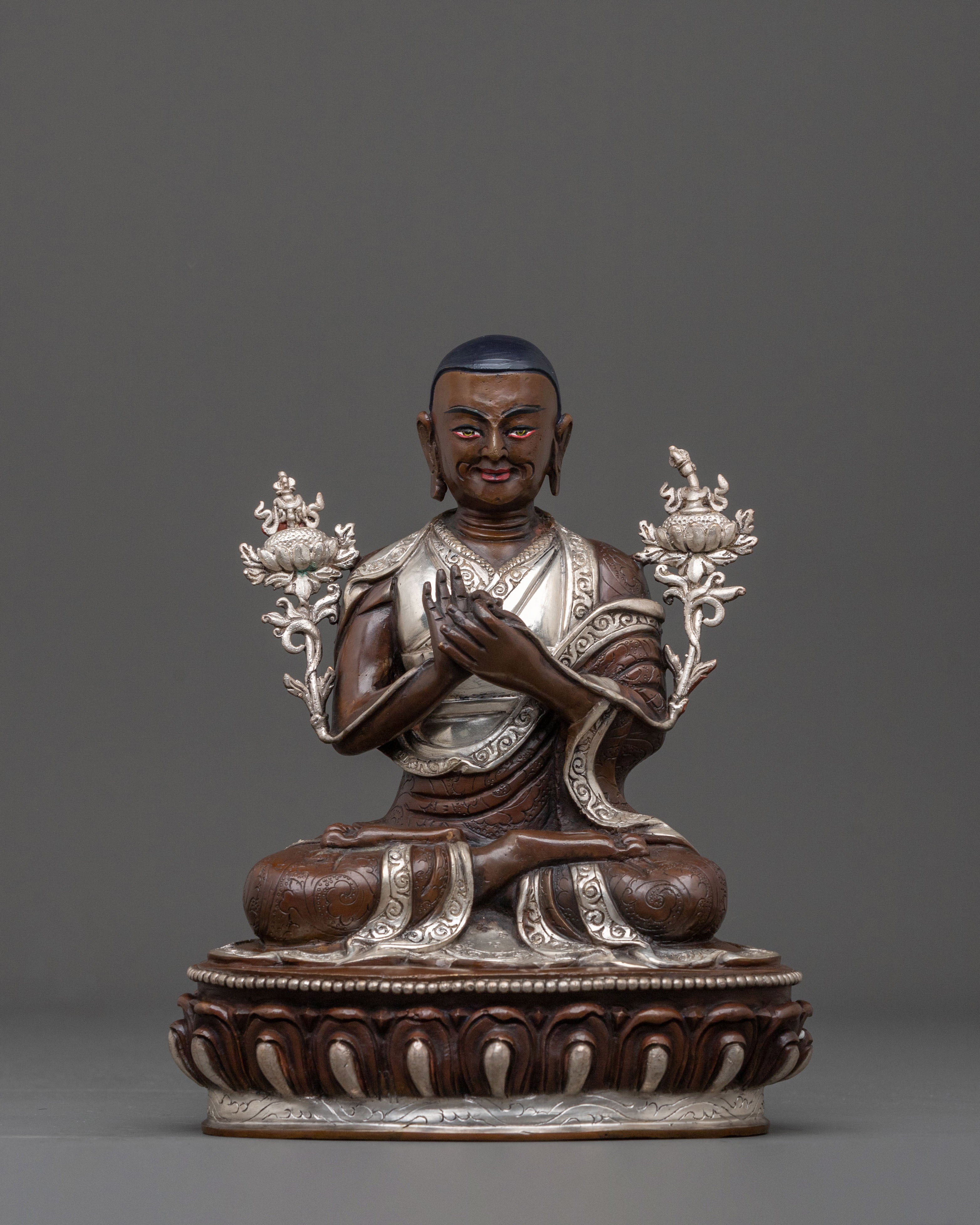
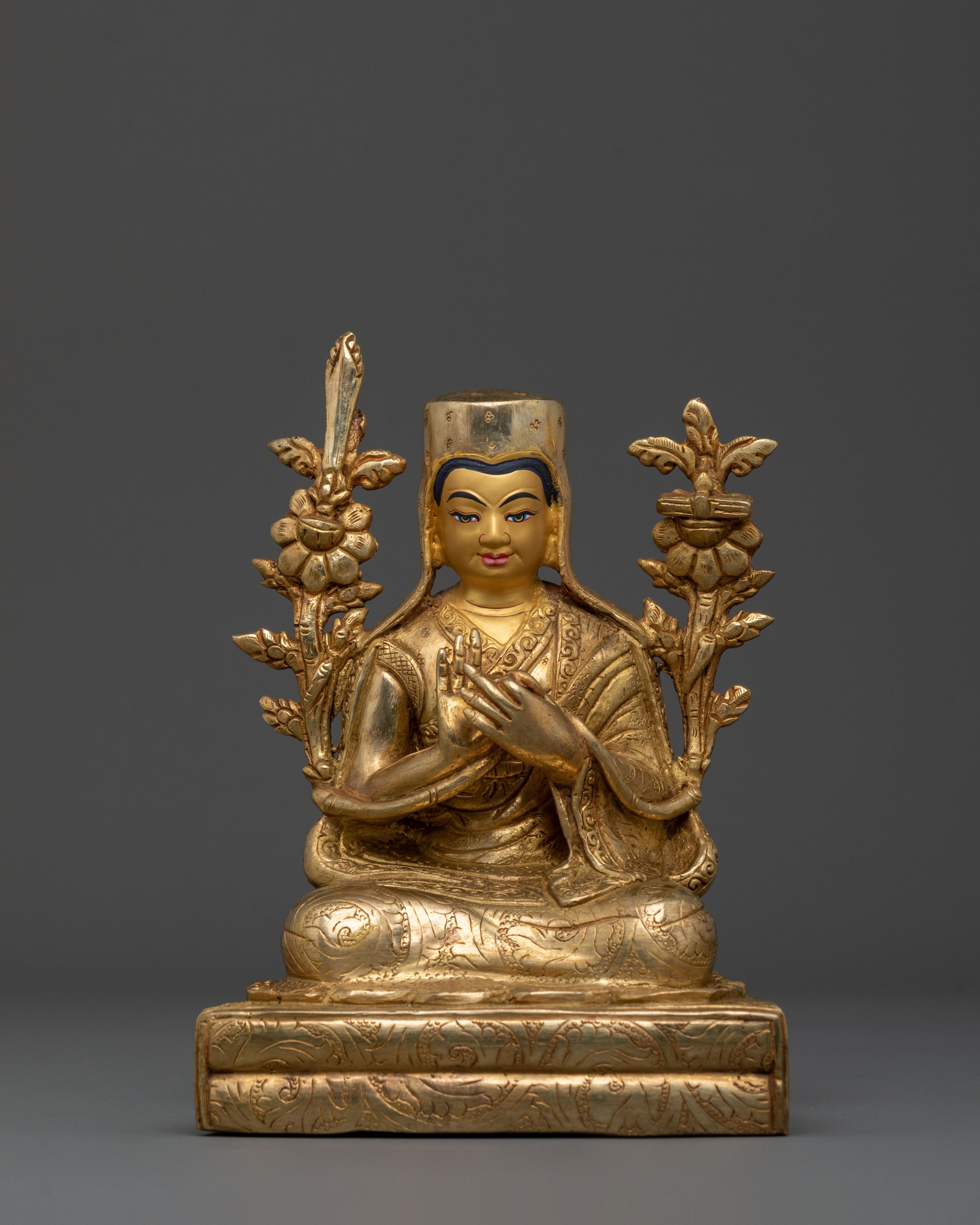
Tsongkhapa
100 products
Showing 1 - 24 of 100 products
Tsongkhapa: The Great Scholar and Teacher of Tibetan Buddhism
Tsongkhapa (1357-1419) is a Tibetan Buddhist scholar and teacher whose legacy lives on today in the Gelug School of Tibetan Buddhism, which he founded. He is often remembered for his contributions to Buddhist philosophy, ethics, and meditation. Tsongkhapa represents the more intellectual and philosophical aspects of Buddhism than the devotional aspects; however, he is always regarded as a great practitioner of both.
Iconography and Symbolism
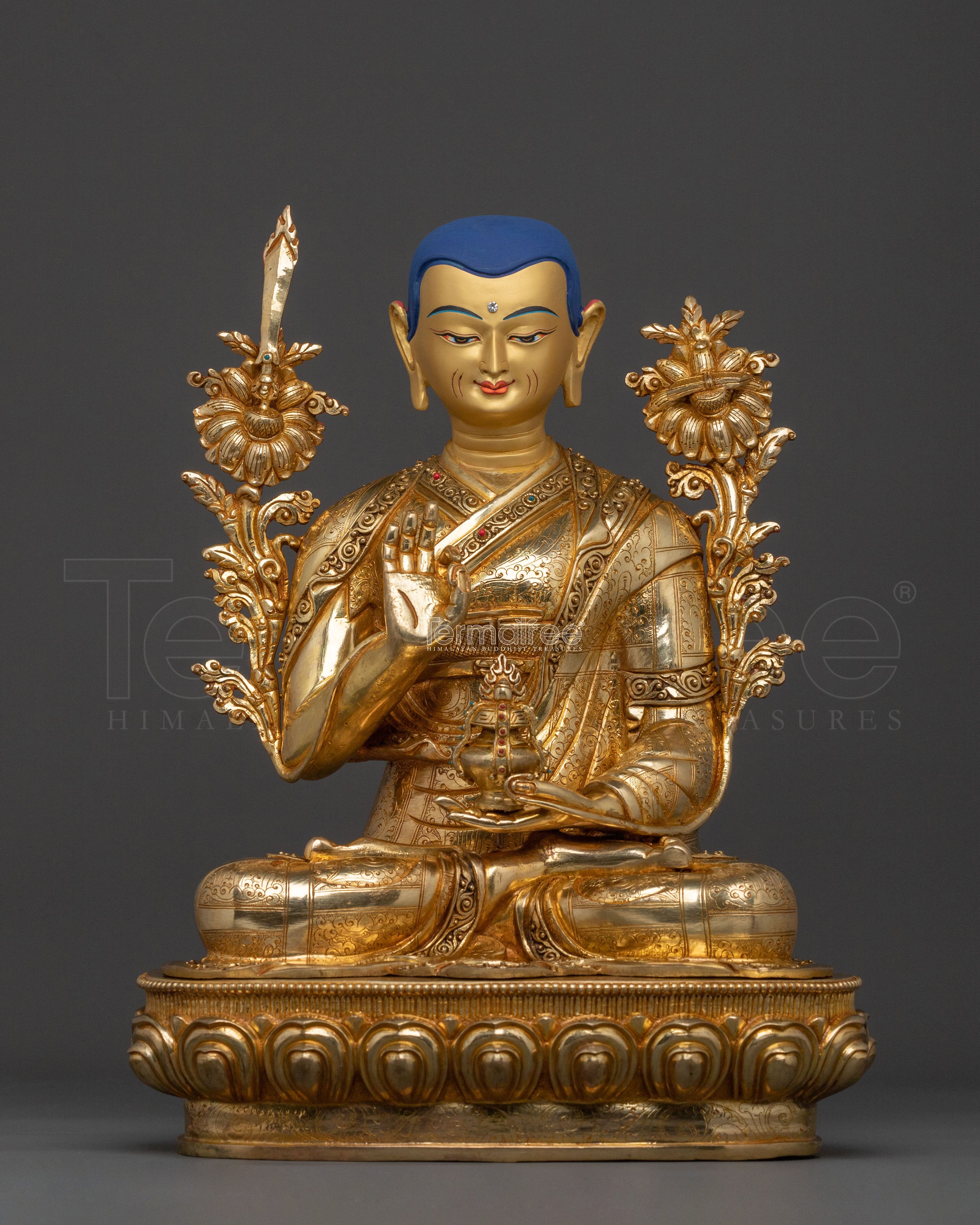
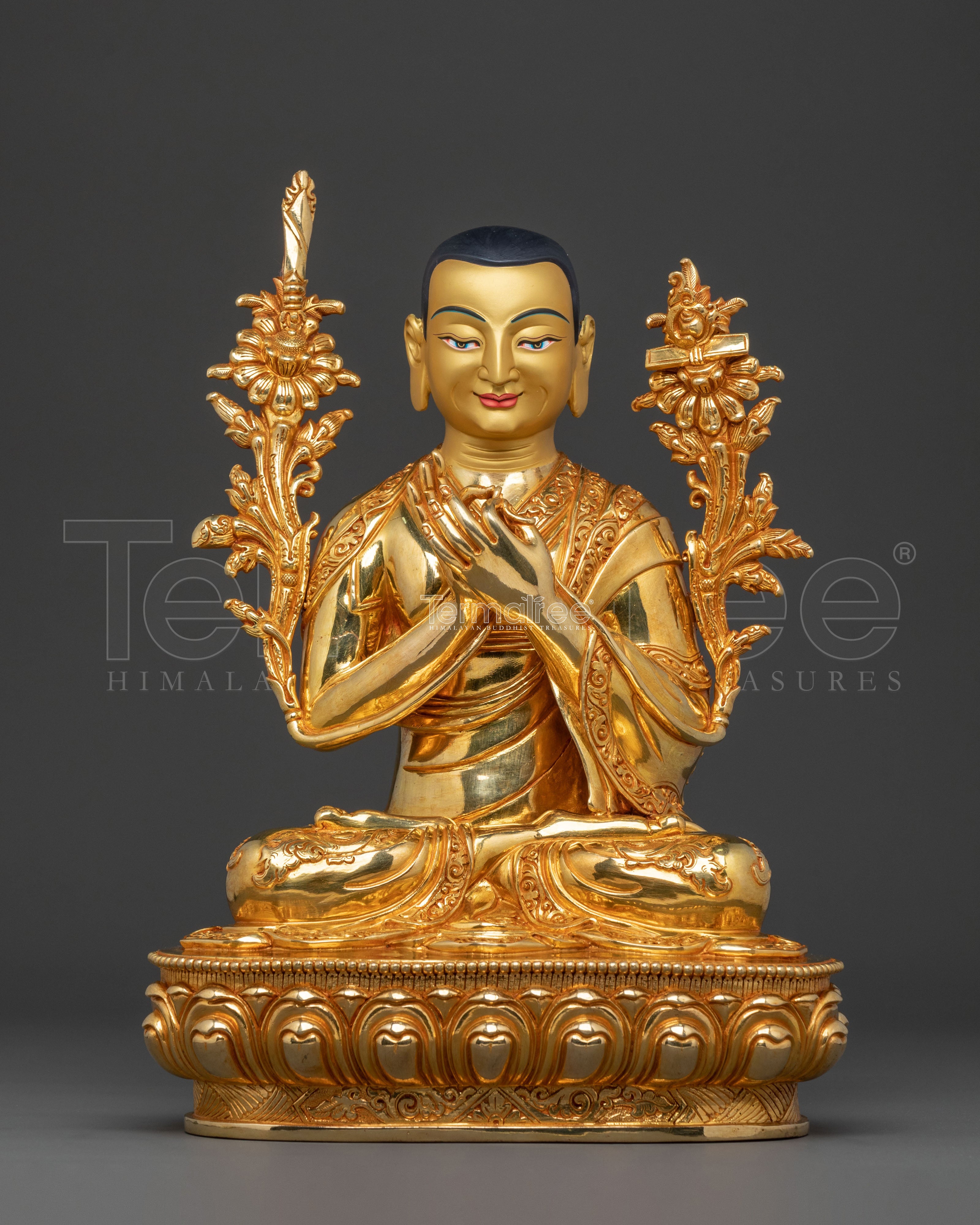
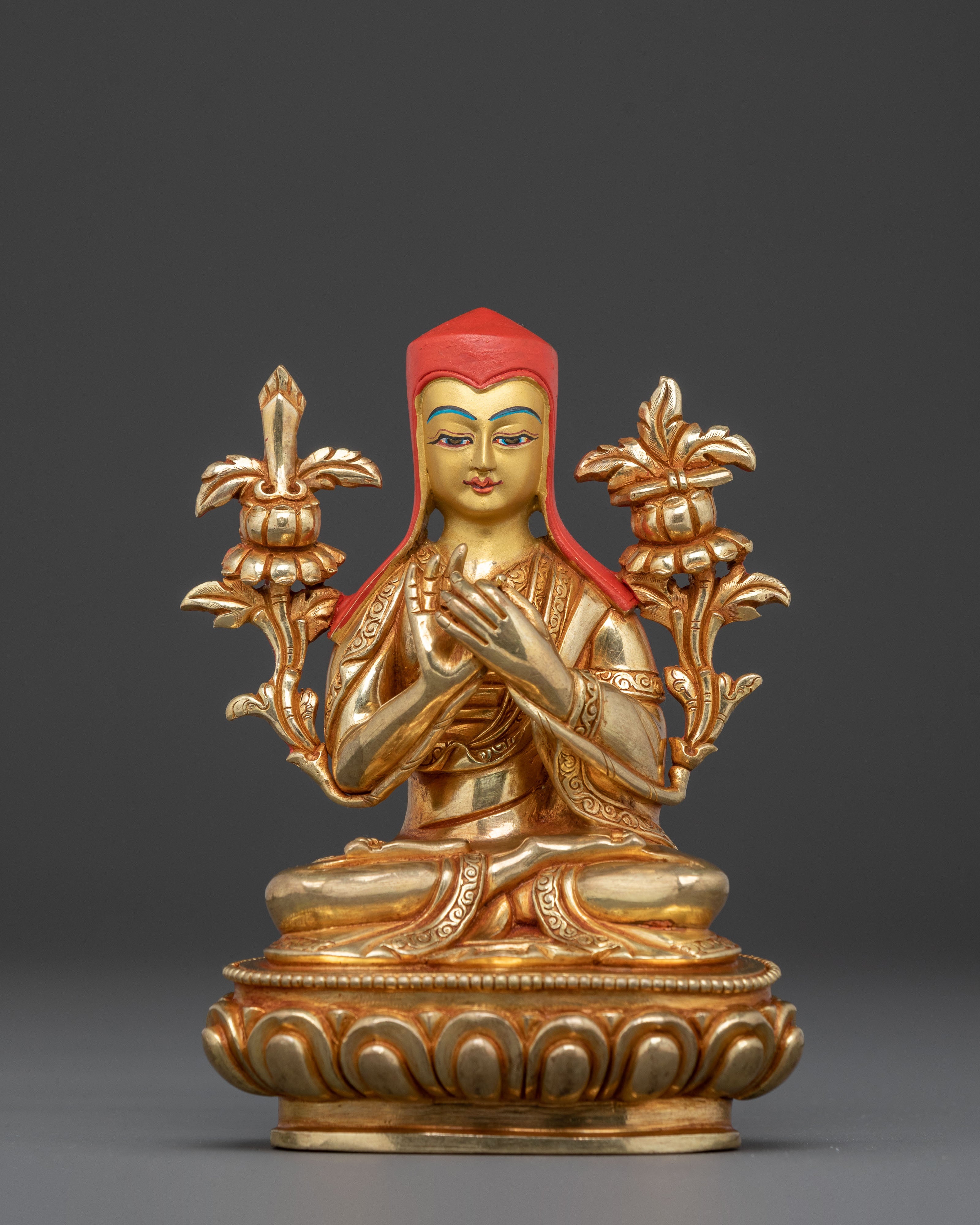
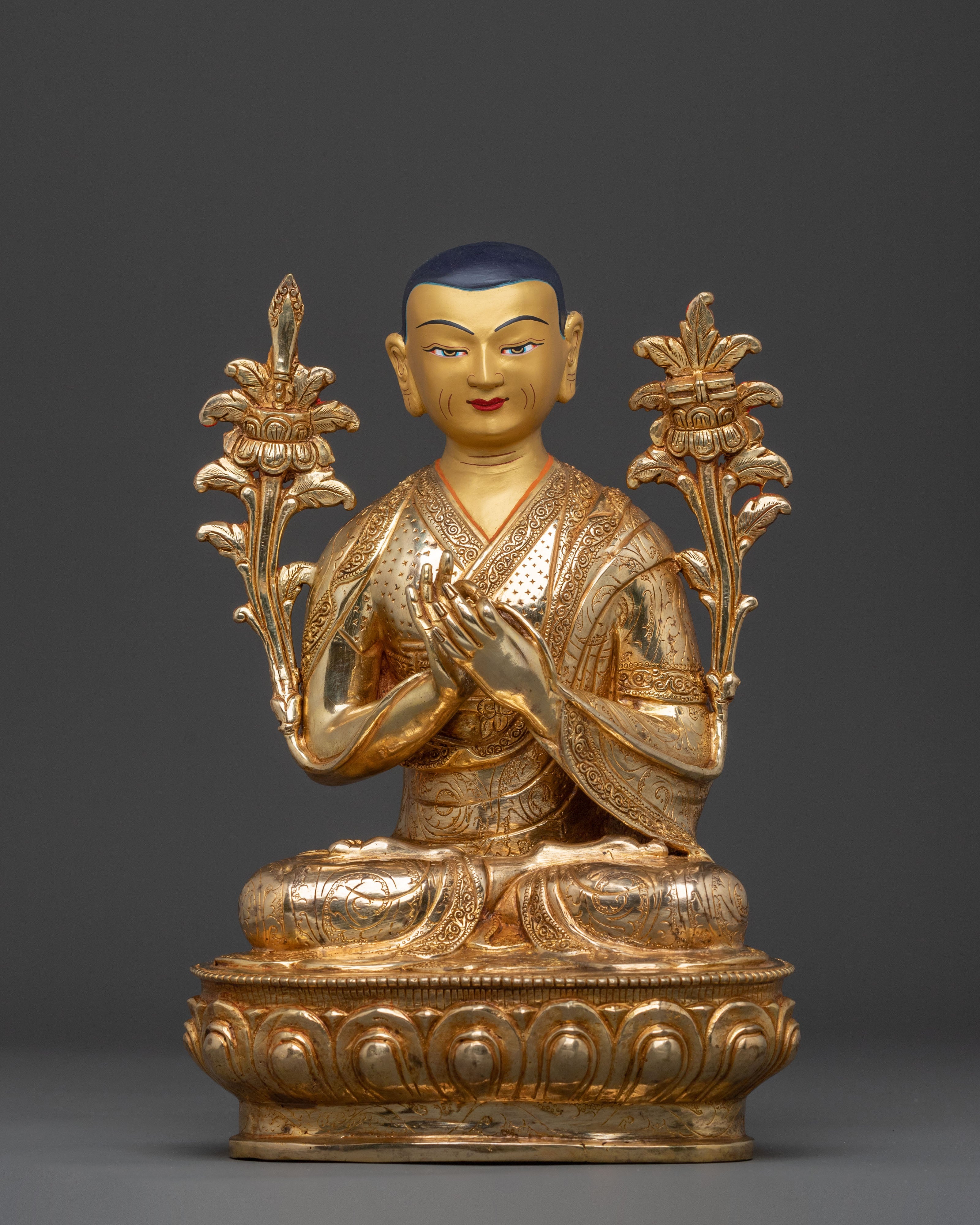
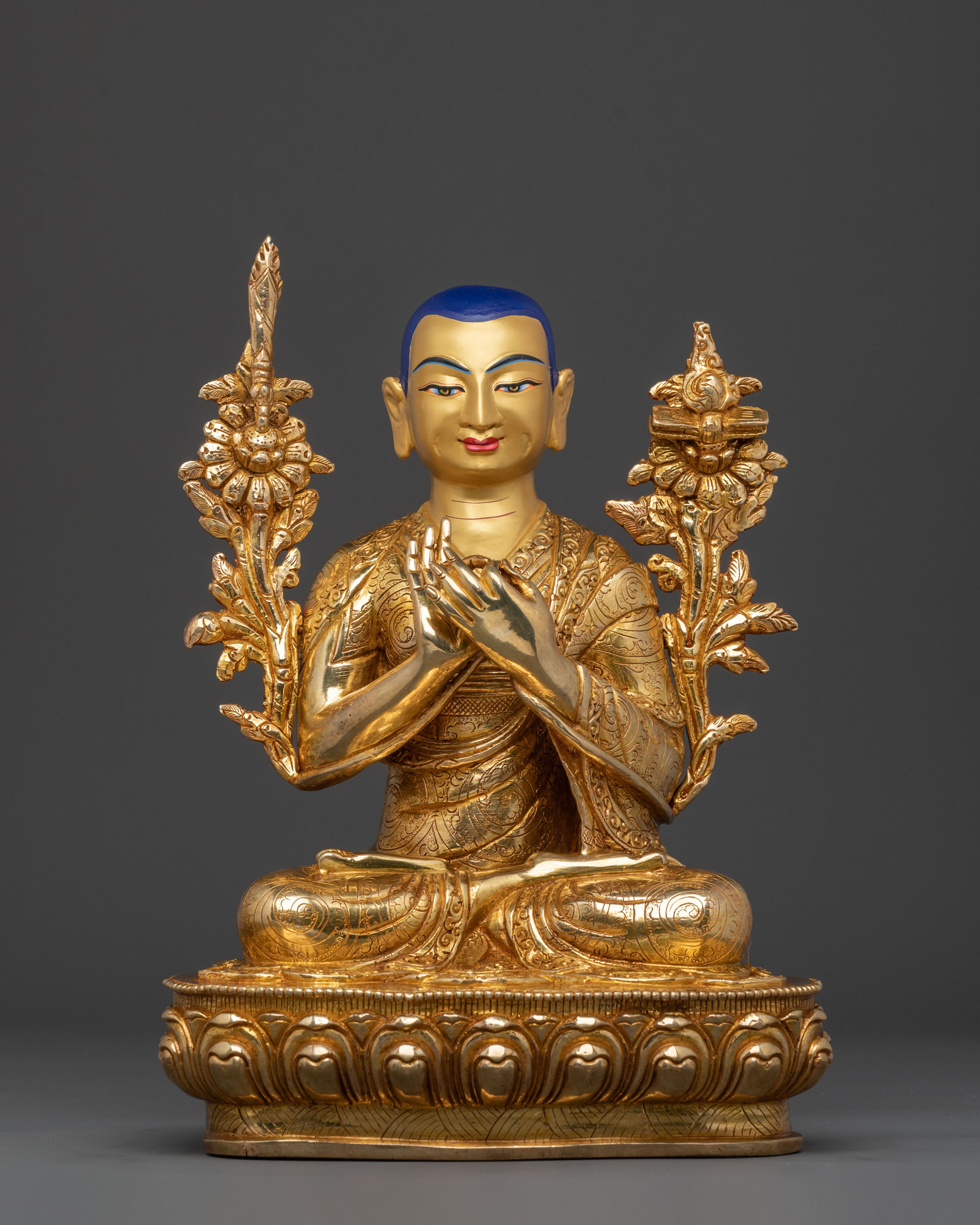
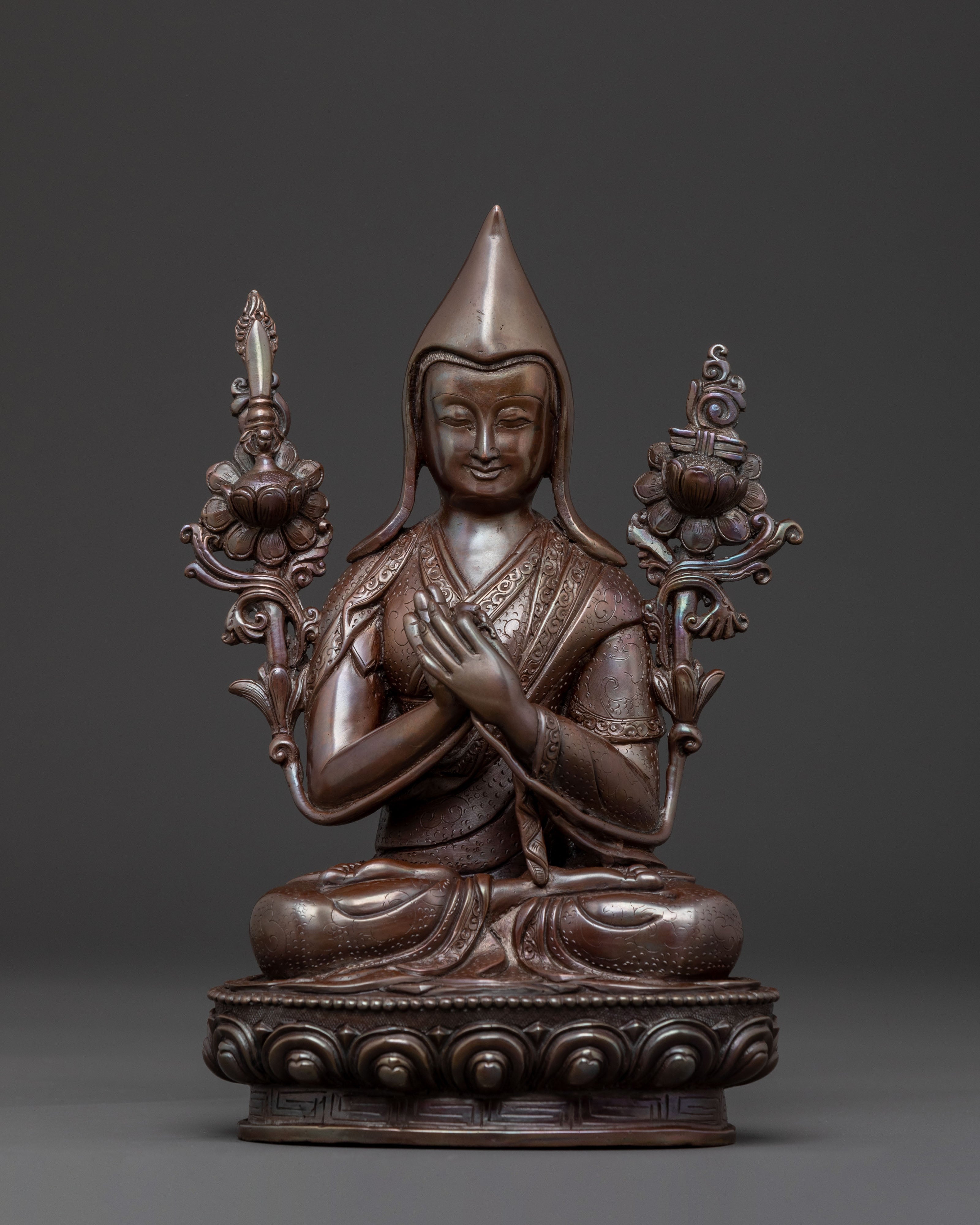
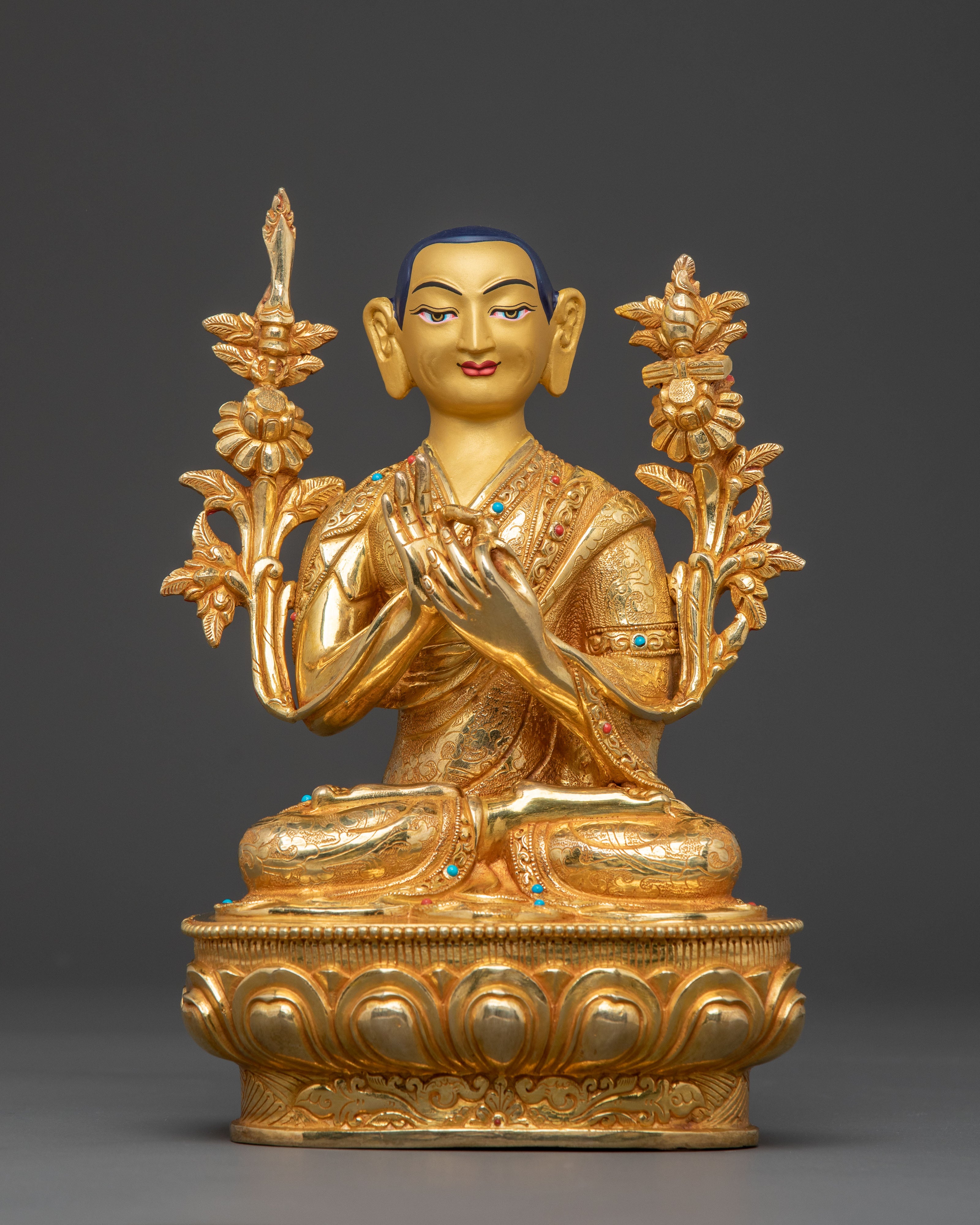
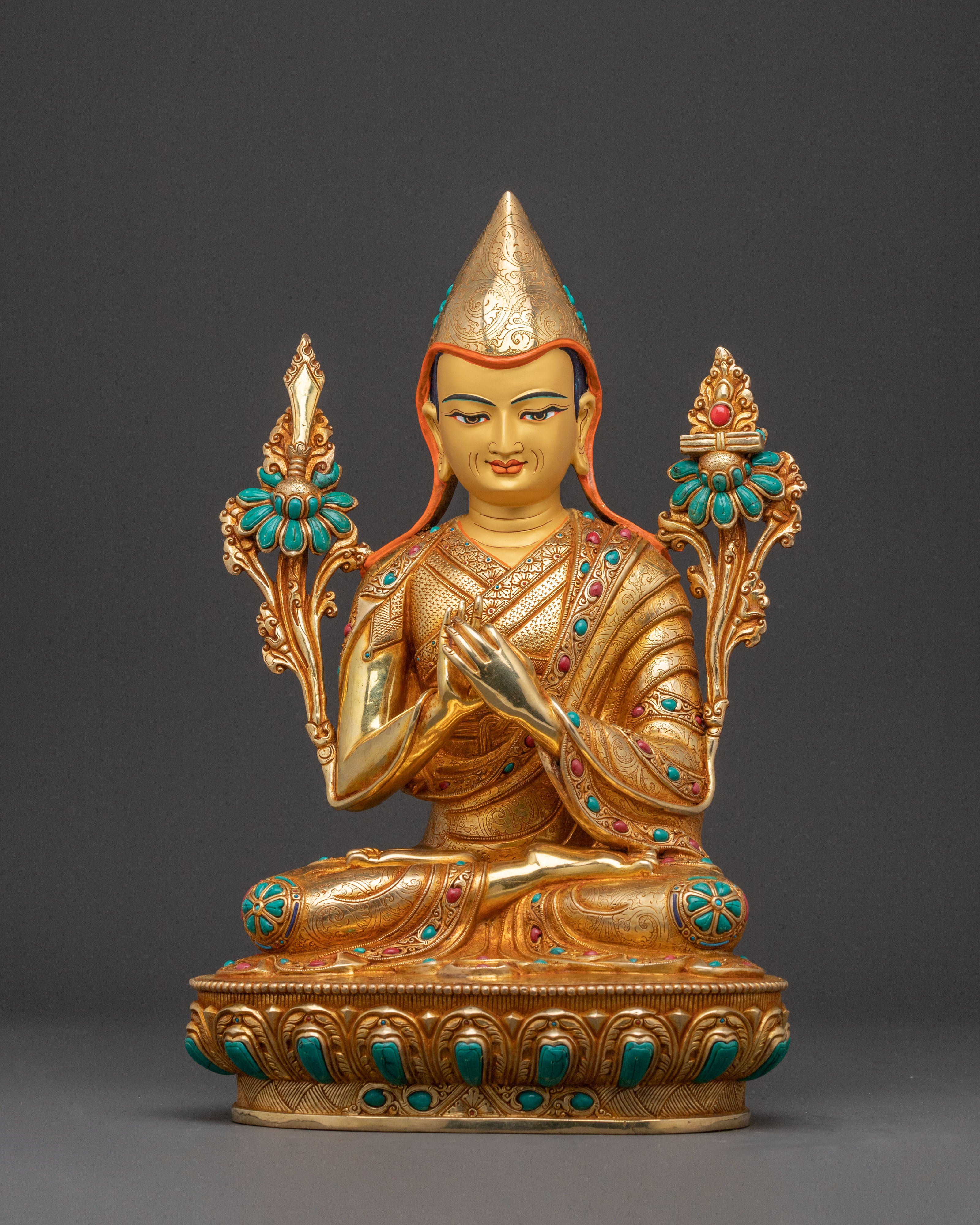
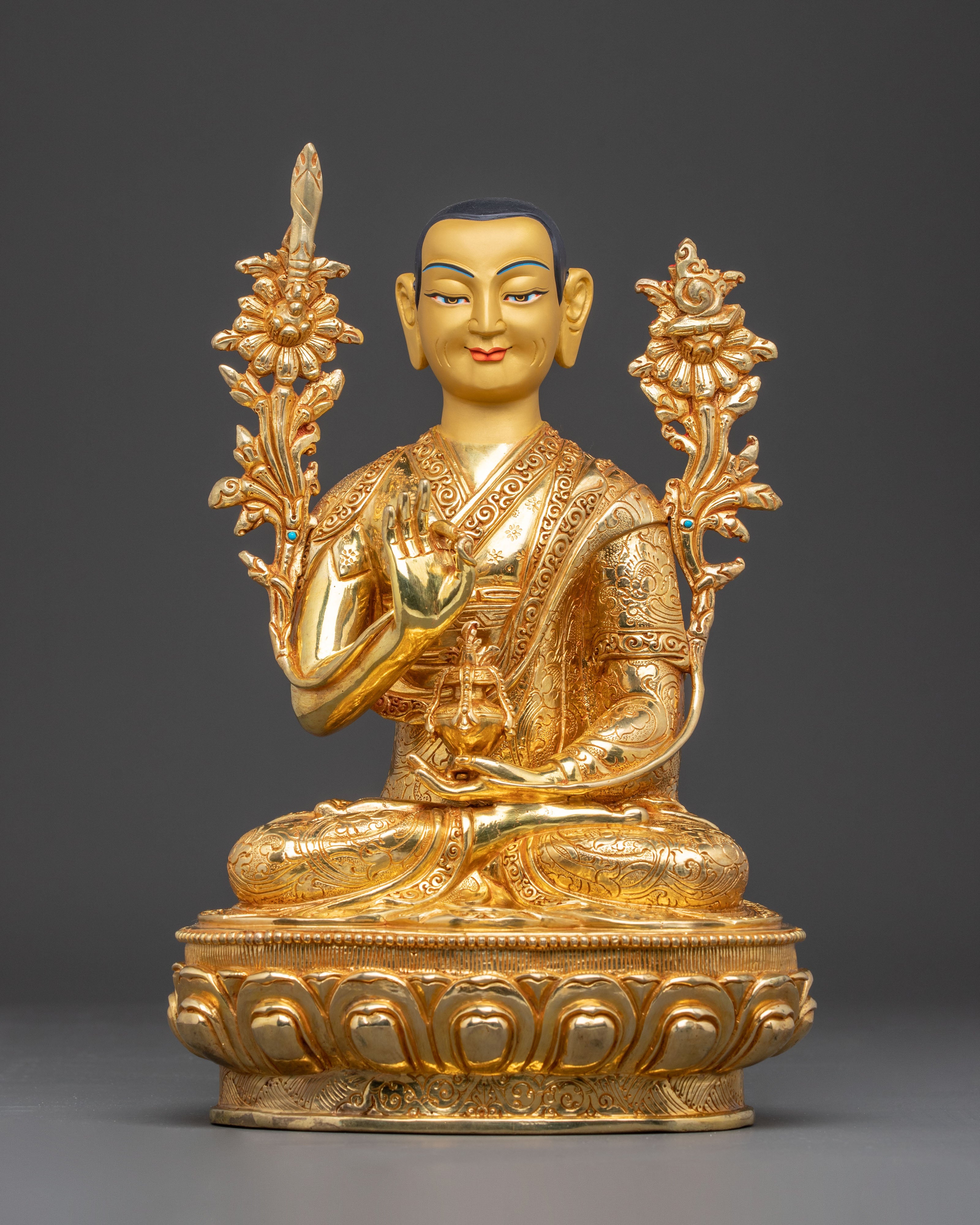
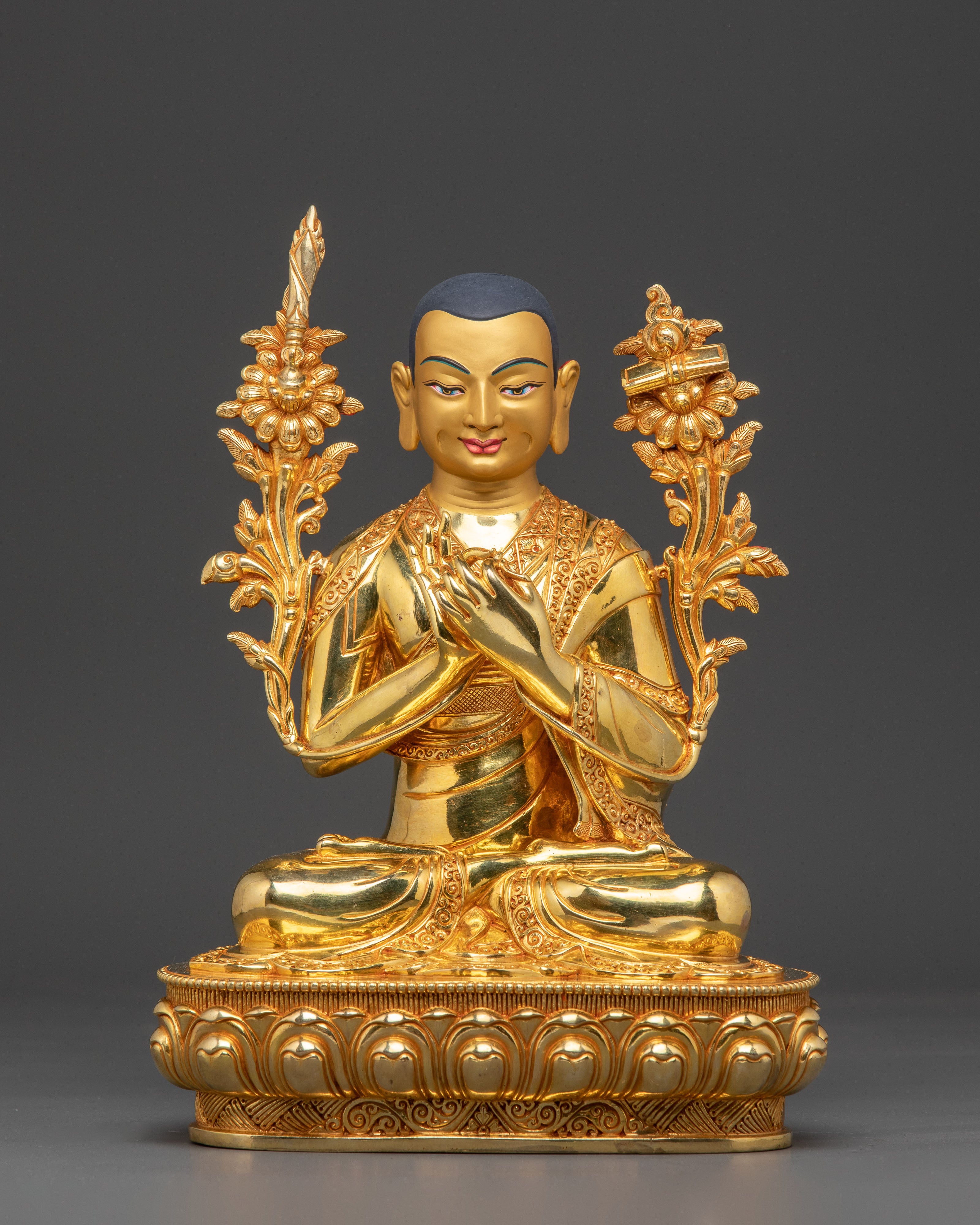
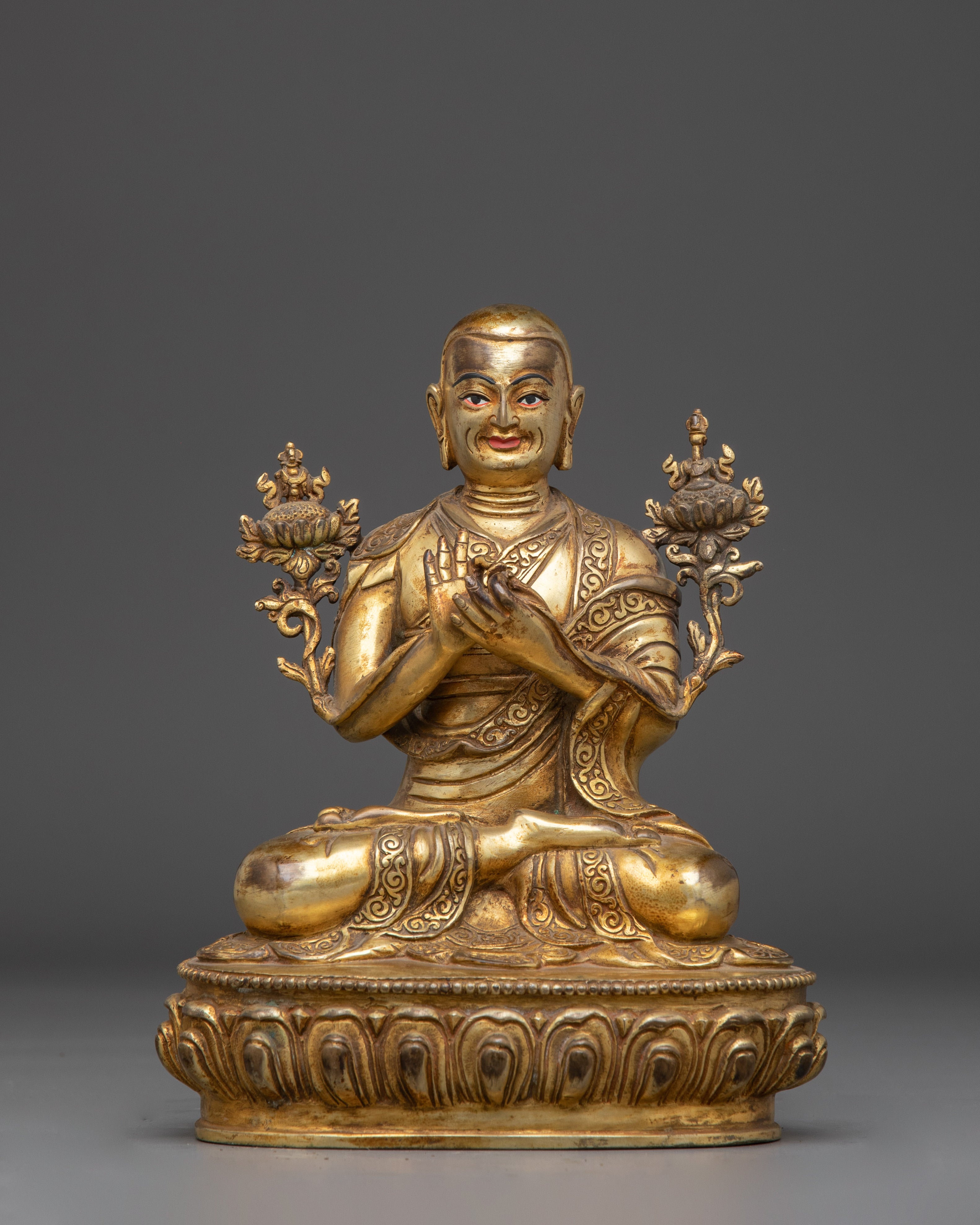
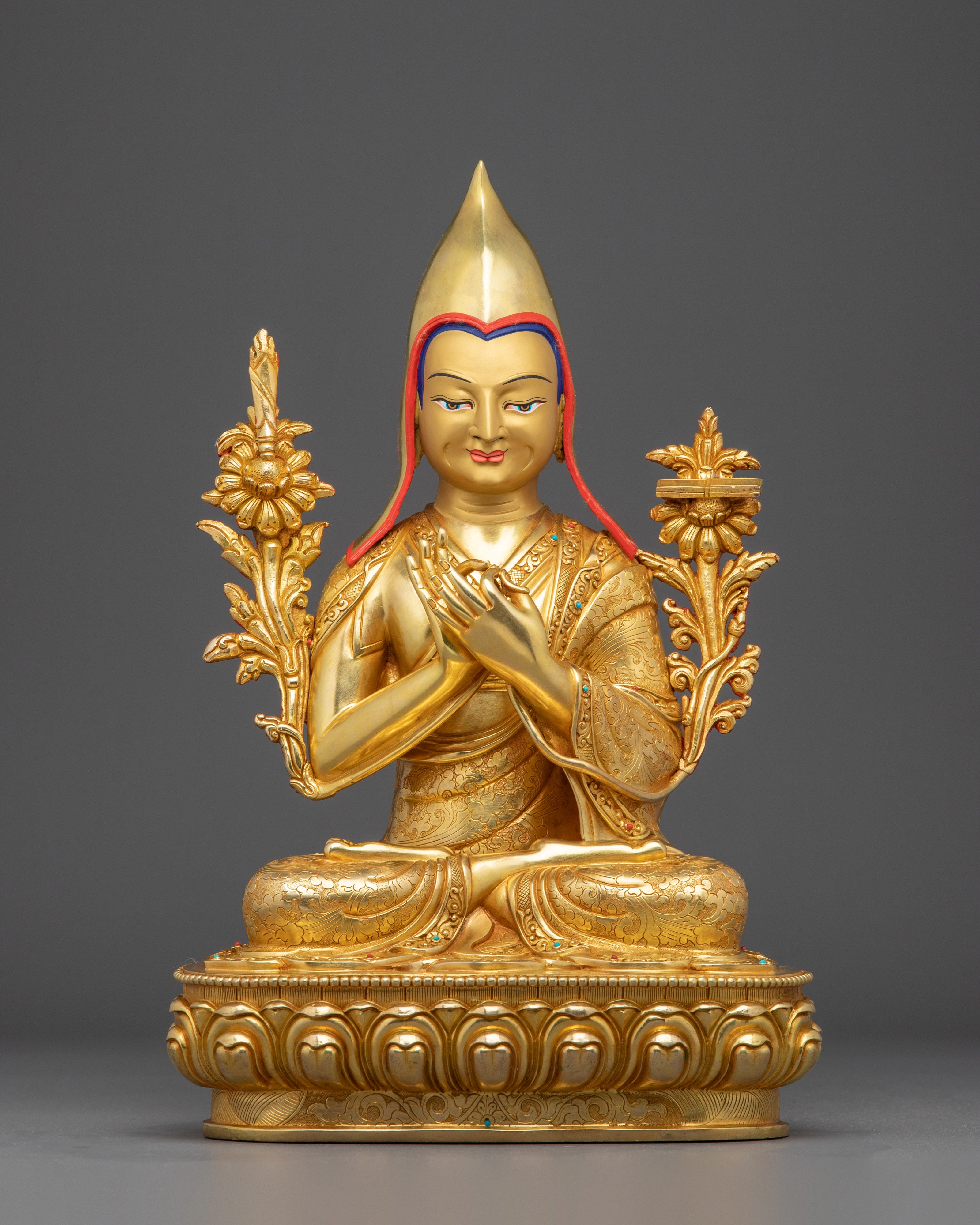
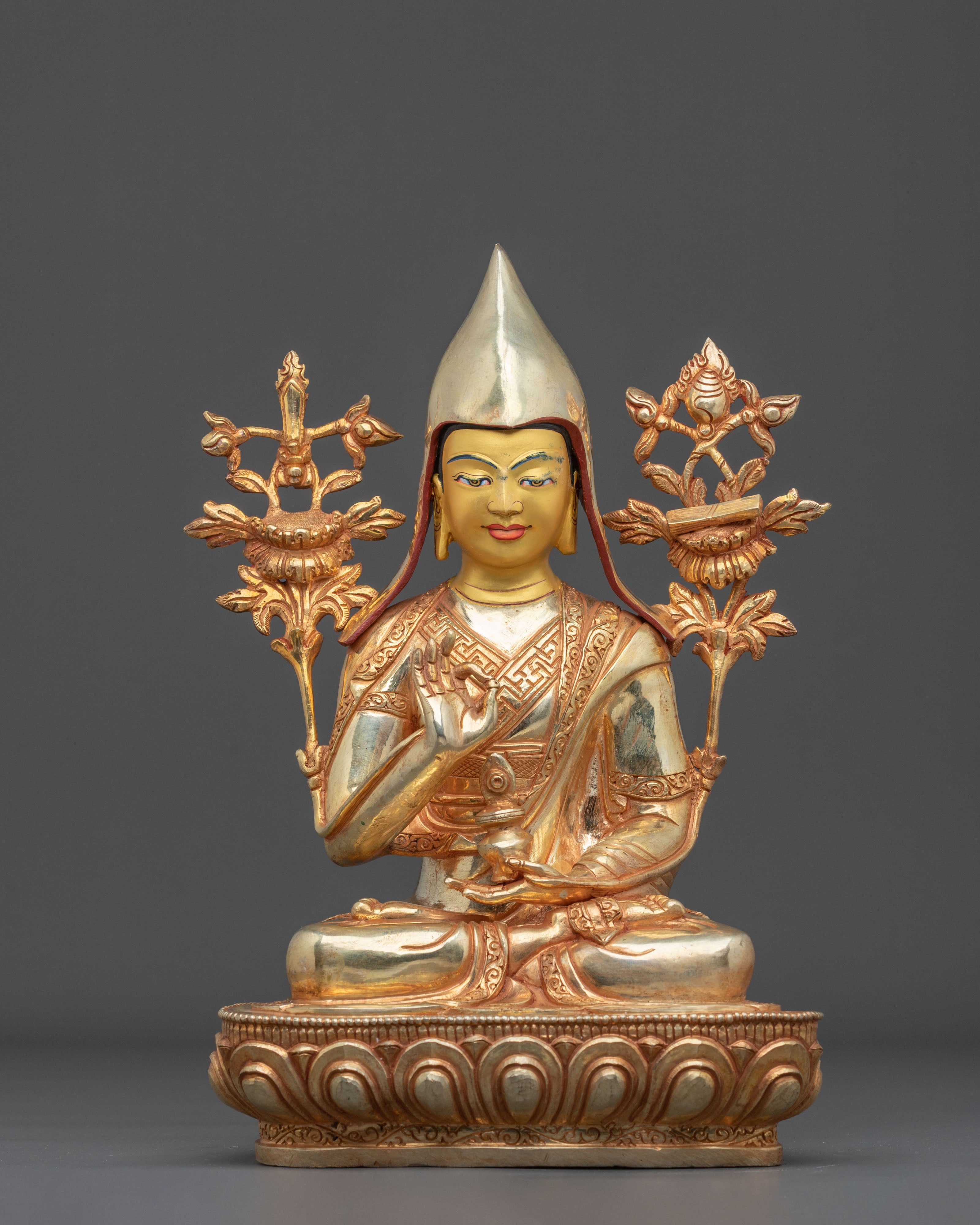
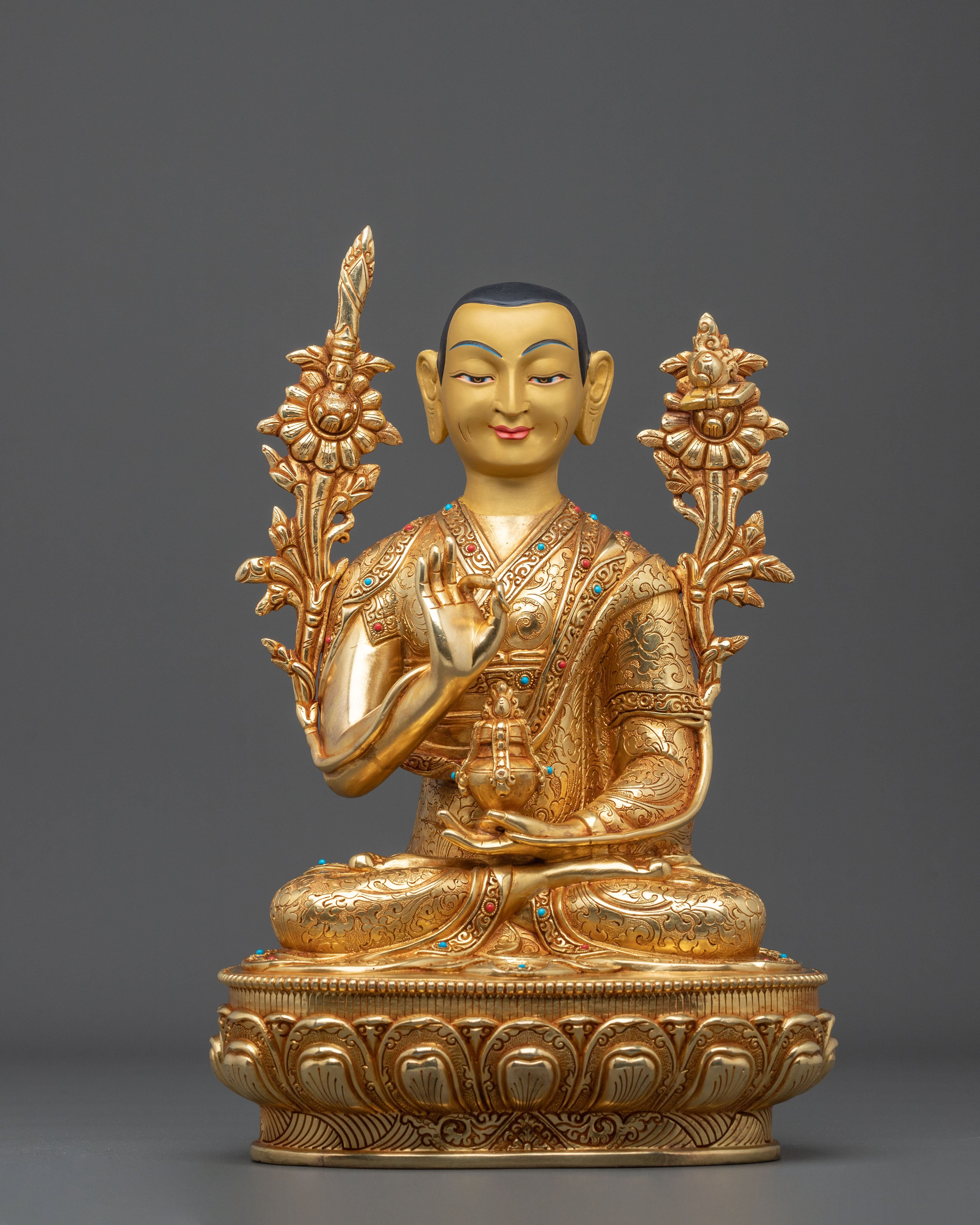
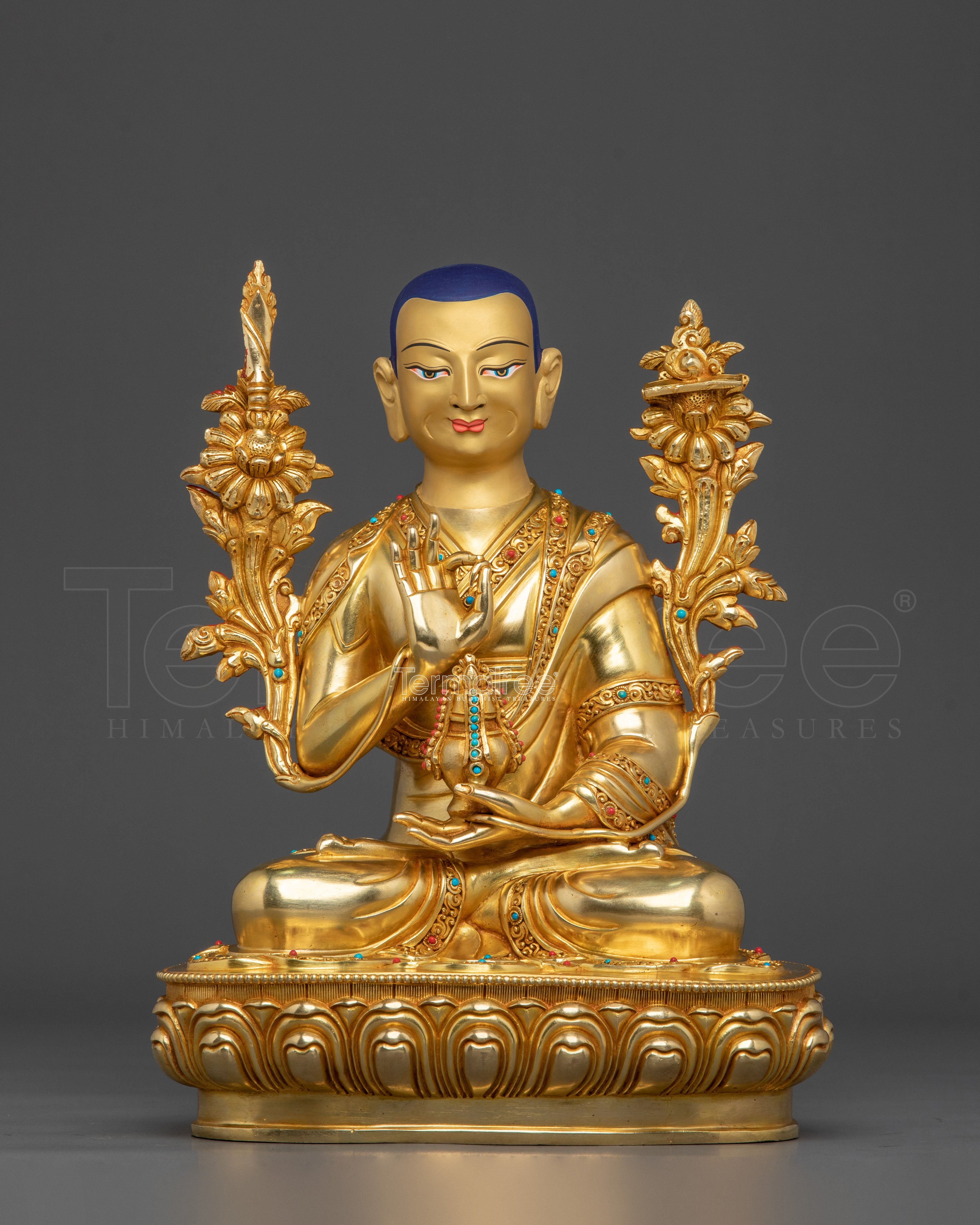
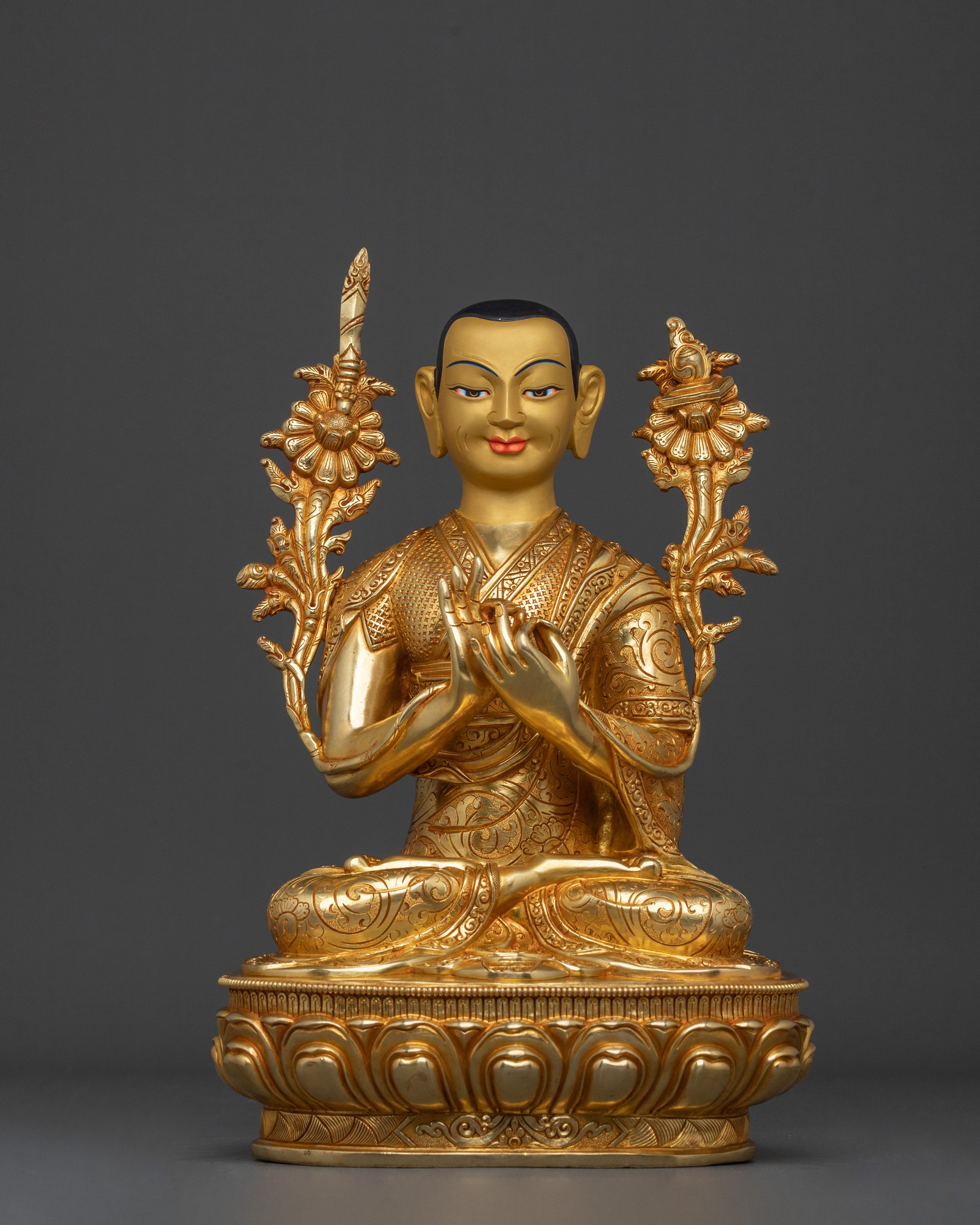
Tsongkhapa is depicted in images either sitting or standing, and almost always with the appearance of having a wise look (scholarly), wearing traditional monastic robes, and some of the more prominent elements of his iconography are as follows:
- The Yellow Hat: Tsongkhapa wore the yellow hat as a sign that he was pure in heart and striving to become a follower of the Buddha through the rigorous study of the scriptures. The Yellow Hat also signifies his commitment to the Gelug School of Tibetan Buddhism.
- Vajra and Text: In many images, Tsongkhapa holds a vajra and a text in his hands. The vajra and text symbolize his mastery of both the Internal and External Paths to Enlightenment, meaning that he has combined the practice of meditation and the wisdom gained through study with his intellectual accomplishments.
- Radiance of Wisdom: Tsongkhapa is often depicted with a serene expression that reflects his realization of emptiness; he embodies all of the wisdom of the Buddha's teachings.
Tsongkhapa within Tibetan Buddhism
Tsongkhapa made significant contributions to the Tibetan Buddhist community through his teachings on philosophy, ethics, and the practice of Tantra. He was instrumental in establishing the heart of the Gelug School based upon rigorous meditation, which ultimately led to its rapid growth and development within the Tibetan Buddhist community.
Tsongkhapa was the founder of the Gelug School of Tibetan Buddhism, which continues to be one of the most important schools of Tibetan Buddhism. The Gelug School emphasizes meticulous study, a disciplined monastic lifestyle, and assists students in integrating their philosophical insights into their meditation practice. It emphasizes that, in addition to acquiring wisdom, good conduct is critical for the attainment of enlightenment.
Tsongkhapa is credited with integrating the philosophical teachings of several Tibetan Buddhist traditions into a unified framework. Additionally, he placed great emphasis upon the study of Buddhist philosophy, particularly the writings of Nagarjuna and Asanga, and trained students in both meditation and moral conduct.
Philosophical Contributions
Tsongkhapa was an influential philosopher and logician known for his clear explanations of Buddhist doctrine, particularly regarding emptiness (sunyata) and the Bodhisattva path. A prominent supporter of the Madhyamaka school, he provided a comprehensive interpretation of emptiness that synthesized previous teachings, forming a foundation for Tibetan Buddhist thought. Tsongkhapa emphasized ethical discipline as essential for spiritual practices, asserting that wisdom and meditation are incomplete without good behavior. His Lamrim teachings detailed the steps of spiritual practice, offering a structured approach to Buddhist teachings that guides practitioners from basic ethics to advanced meditation and understanding of emptiness.
Legacy and Influence
Tsongkhapa significantly influenced Tibetan Buddhism through his emphasis on scholarship, monastic discipline, and the integration of philosophy with meditation. His teachings are followed by millions, particularly within the Gelug school, where the Dalai Lamas are regarded as his spiritual heirs. The Gelug school remains a key Tibetan Buddhist tradition, prioritizing the study of philosophy, monastic life, and meditation. Tsongkhapa is revered not only for his academic contributions but also for his qualities of humility, compassion, and commitment to Buddhist teachings, serving as a model for practical spiritual practice.