Nagarjuna
7 products
Showing 1 - 7 of 7 products
Nagarjuna: The Master of Emptiness and Key Figure in Buddhist Philosophy
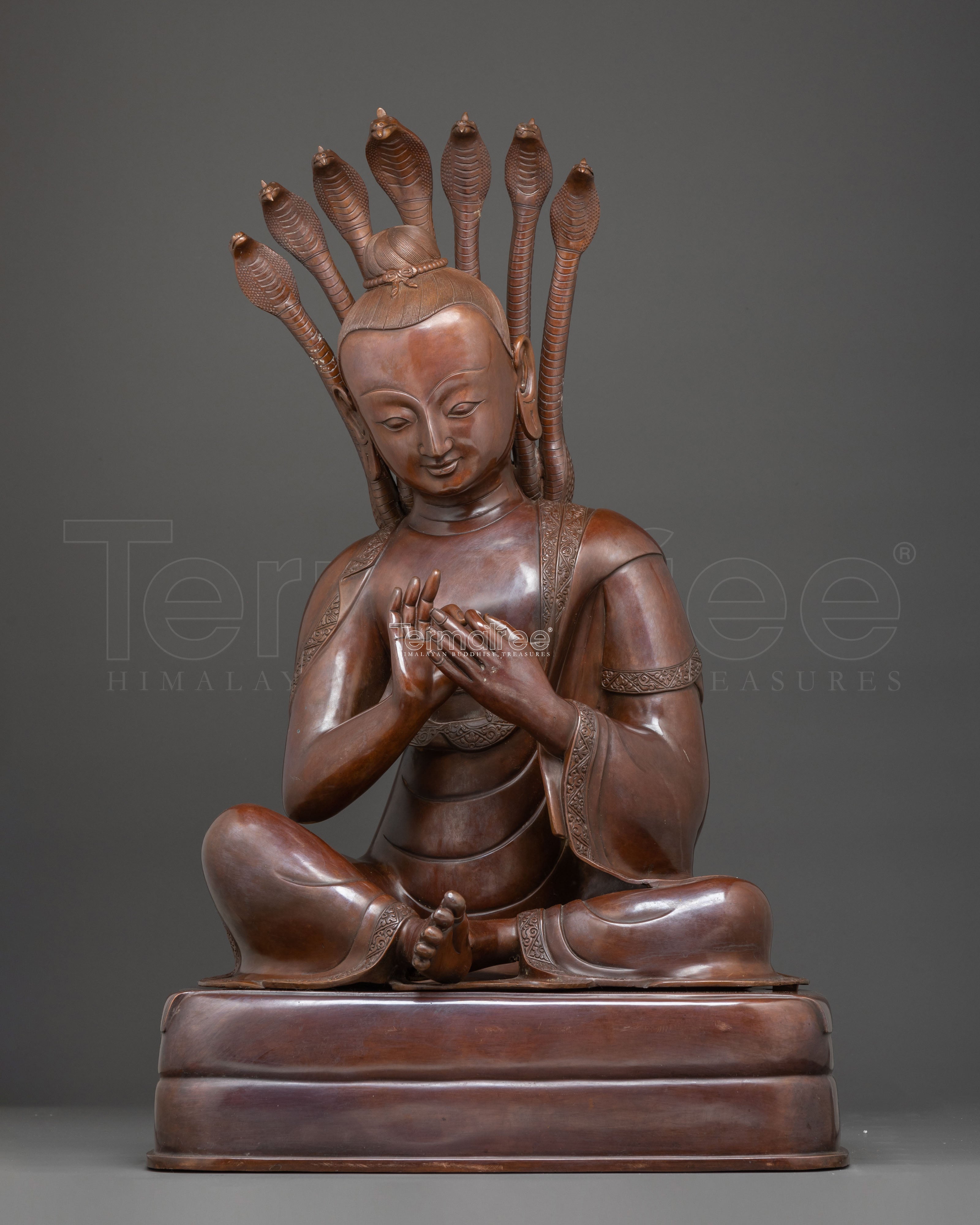
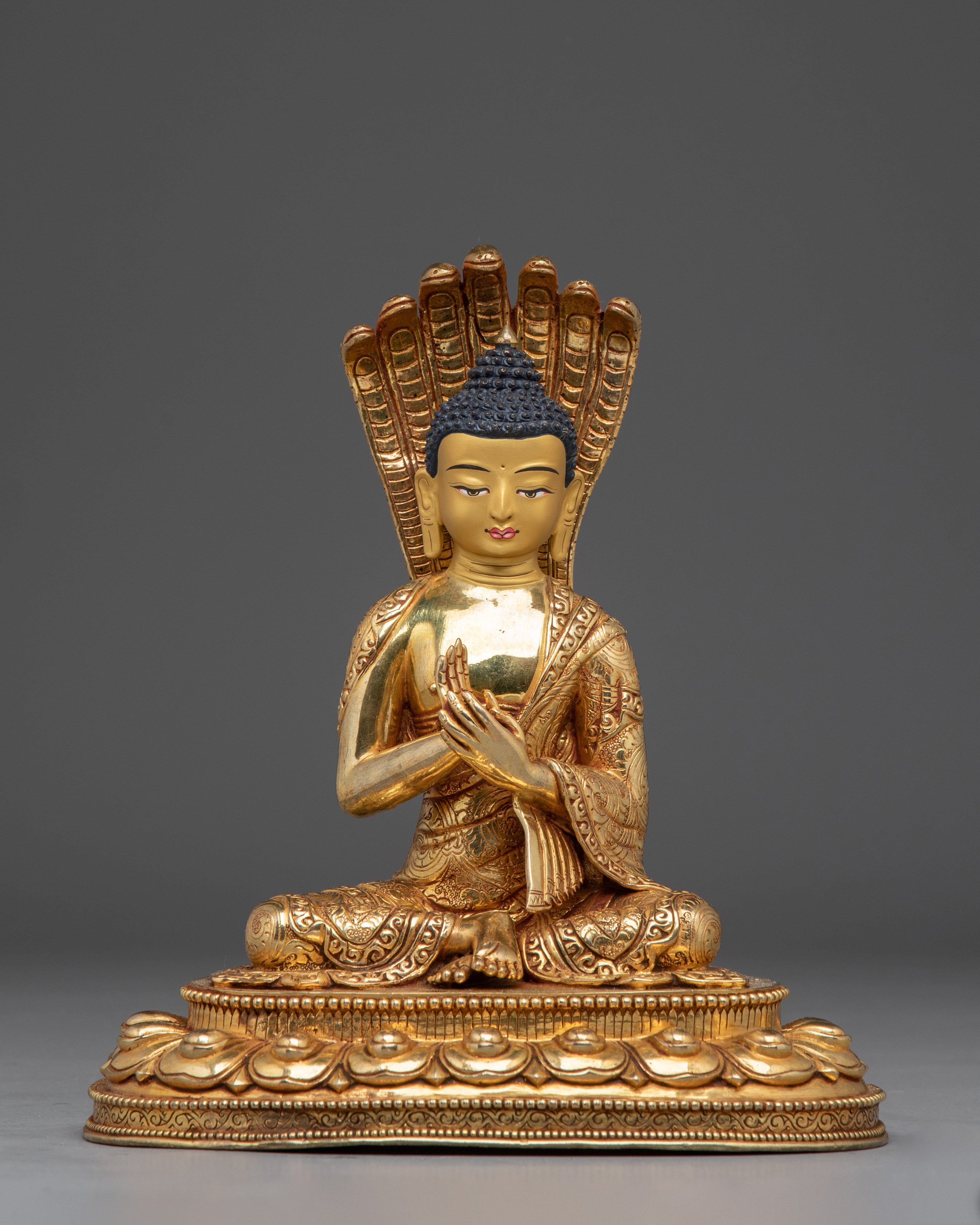
Nagarjuna (about 150–250 CE) is one of the most important philosophers in the history of Buddhism. Many people think of him as the second Buddha because of how much he changed Buddhist thought. He started the Madhyamaka school of Buddhist philosophy, which made the idea of emptiness (śūnyatā) a key part of the Buddhist path. Nagarjuna's writings have had a huge impact on Mahayana Buddhism, and Buddhist philosophers and practitioners all over the world still study and respect his teachings.
Iconography and Symbolism
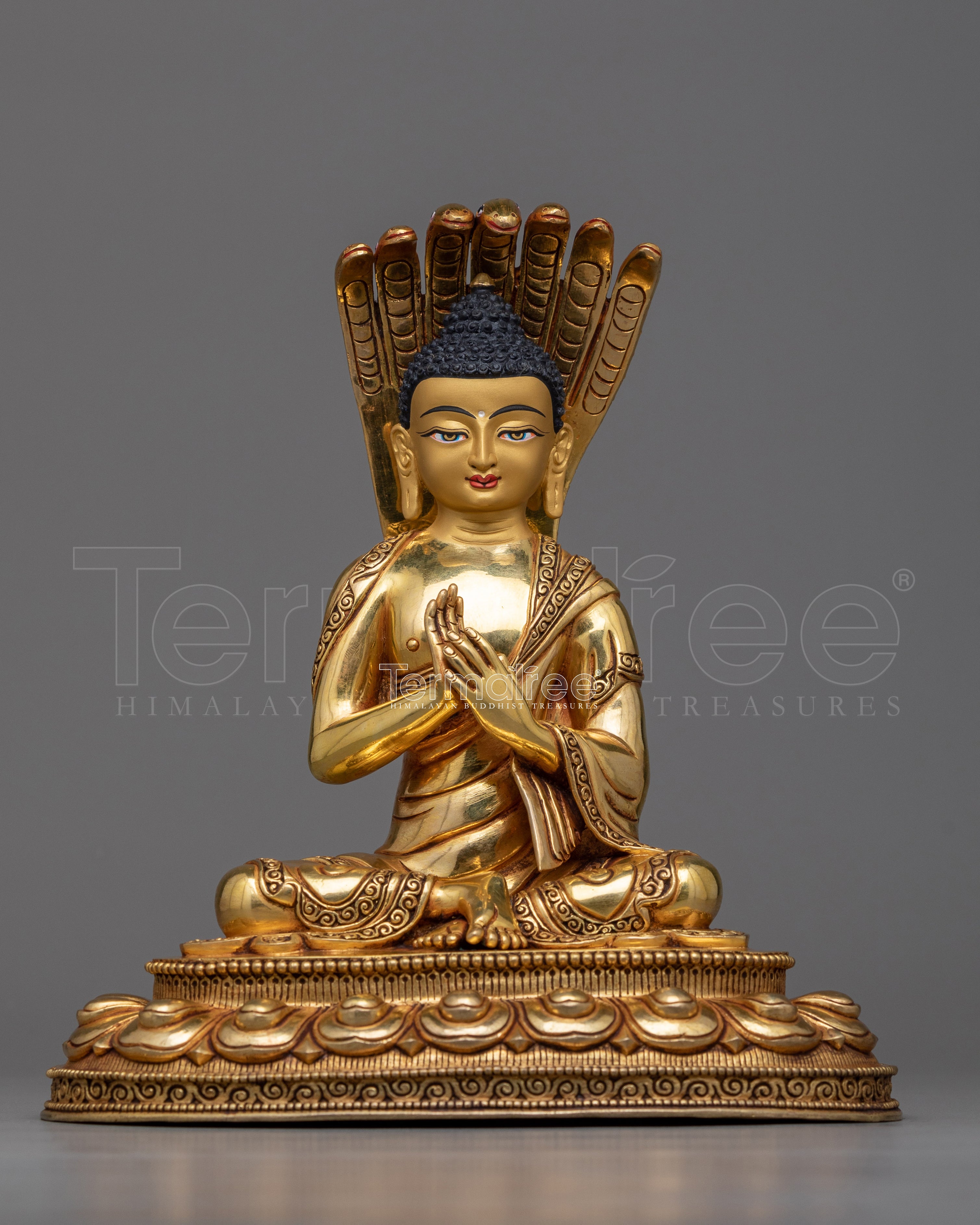
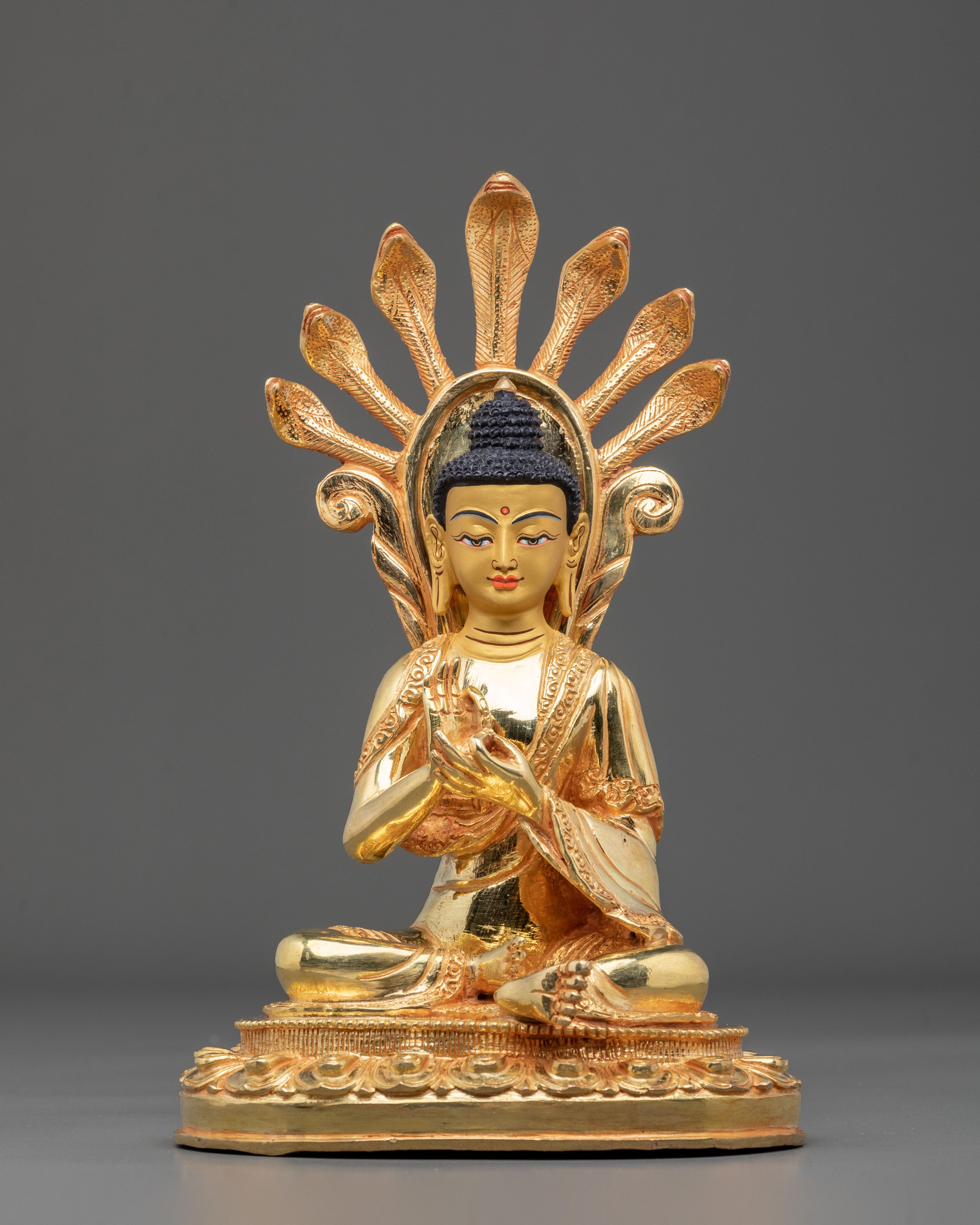
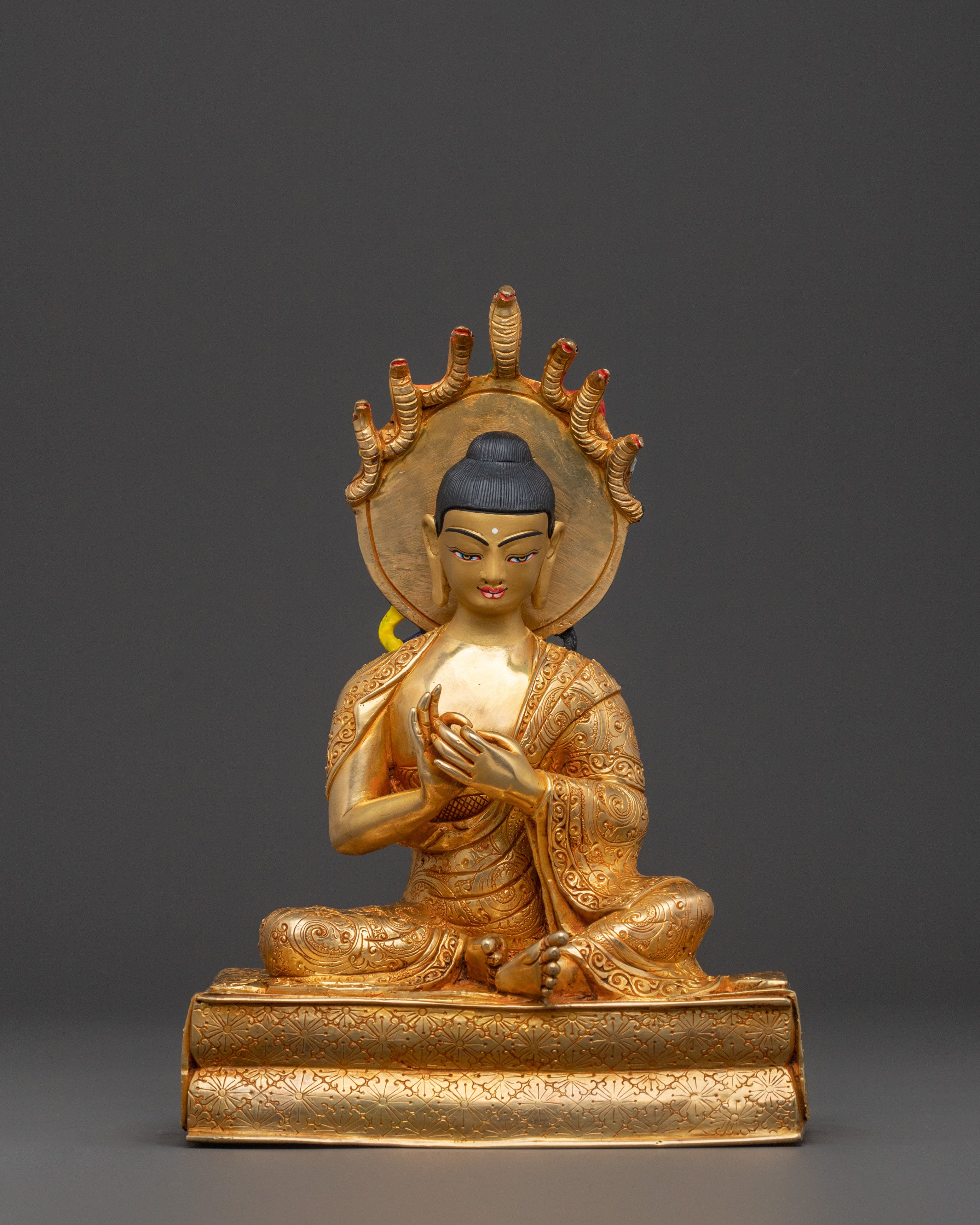
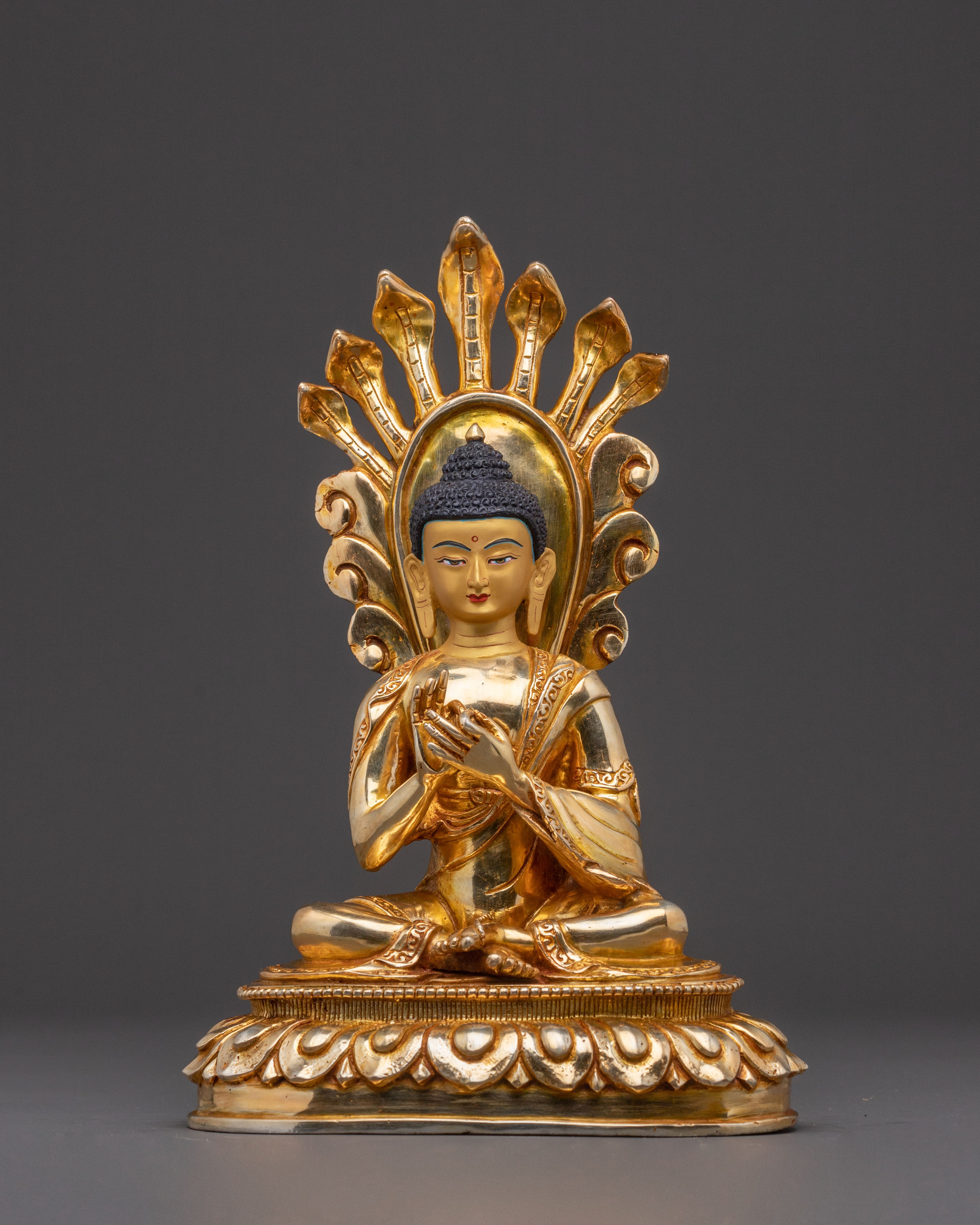
Nagarjuna is often shown as a wise old scholar and philosopher, which shows how deeply he understands the nature of reality.
- Scholarly Appearance: He is usually shown in traditional monastic robes, which show that he is a well-known scholar and monk. His demeanor radiates wisdom and contemplation, underscoring his intellectual contributions to Buddhism.
- Nagarjuna is sometimes shown sitting in a meditative position, which shows how deeply he is connected to practice and how he realized emptiness through meditation.
- Nagarjuna is sometimes shown holding a scroll or text, which stands for his work as a philosopher and writer. The Mūlamadhyamakakārikā (Fundamental Verses of the Middle Way) is one of his most important works, and it is one of the most important texts in Buddhist philosophy.
Life and Contributions
Atisa was a highly influential figure in Tibetan Buddhism, and with his teachings, he laid the foundation for the Kadampa and the Gelug traditions. His emphasis on the unification of ethics, meditation, and wisdom greatly influenced the development of the Gelug school. The Lamrim teachings are a fundamental aspect of Gelug practice, and through them, the steps on the way to enlightenment as elaborated by Tsongkhapa became available. Atisa's life and teachings are still a source of inspiration for Buddhist masters and practitioners through their emphasis on compassion and ethical conduct.
Legacy and Influence
Nagarjuna's teachings made considerable contributions to the future of Mahayana Buddhism, especially giving priority to forms of Tibetan, Chinese, and Indian traditions. His thesis on shunyata (emptiness) and pratityasamutpada (dependent origination) is very influential in Mahayana, for they determine the views on Buddhahood and enlightenment. In Tibetan Buddhism, his so-called "Madhyamika philosophy" is highly regarded by the Gelug and Kagyu schools. Great lamas like Tsongkhapa have further developed the ideas of Nagarjuna. The impact of Nagarjuna's concepts on the establishment of Chan (Zen) Buddhism in China has been significant. His concepts are still relevant in the contemporary discourse of Buddhist philosophy, especially those surrounding the topics of reality, language, and perception.