Hevajra
20 products
Showing 1 - 20 of 20 products
Hevajra: The Fierce Deity of Tantra and Protection
Hevajra is one of the most important figures in the Tibetan Buddhist pantheon, especially in the Vajrayana tradition. He is regarded as a destructor god among others, and to these customs, Hevajra is identified as a deity of the union of wisdom and compassion in yoga and tantra. The Hevajra practice is indispensable for those who aspire to reach the advanced level of the tantric path, where enlightenment comes.
Iconography and Symbolism
Hevajra is usually portrayed terrifyingly and strikingly, which symbolizes His capability of overcoming barriers and purifying the path to enlightenment through his strong and mighty powers.
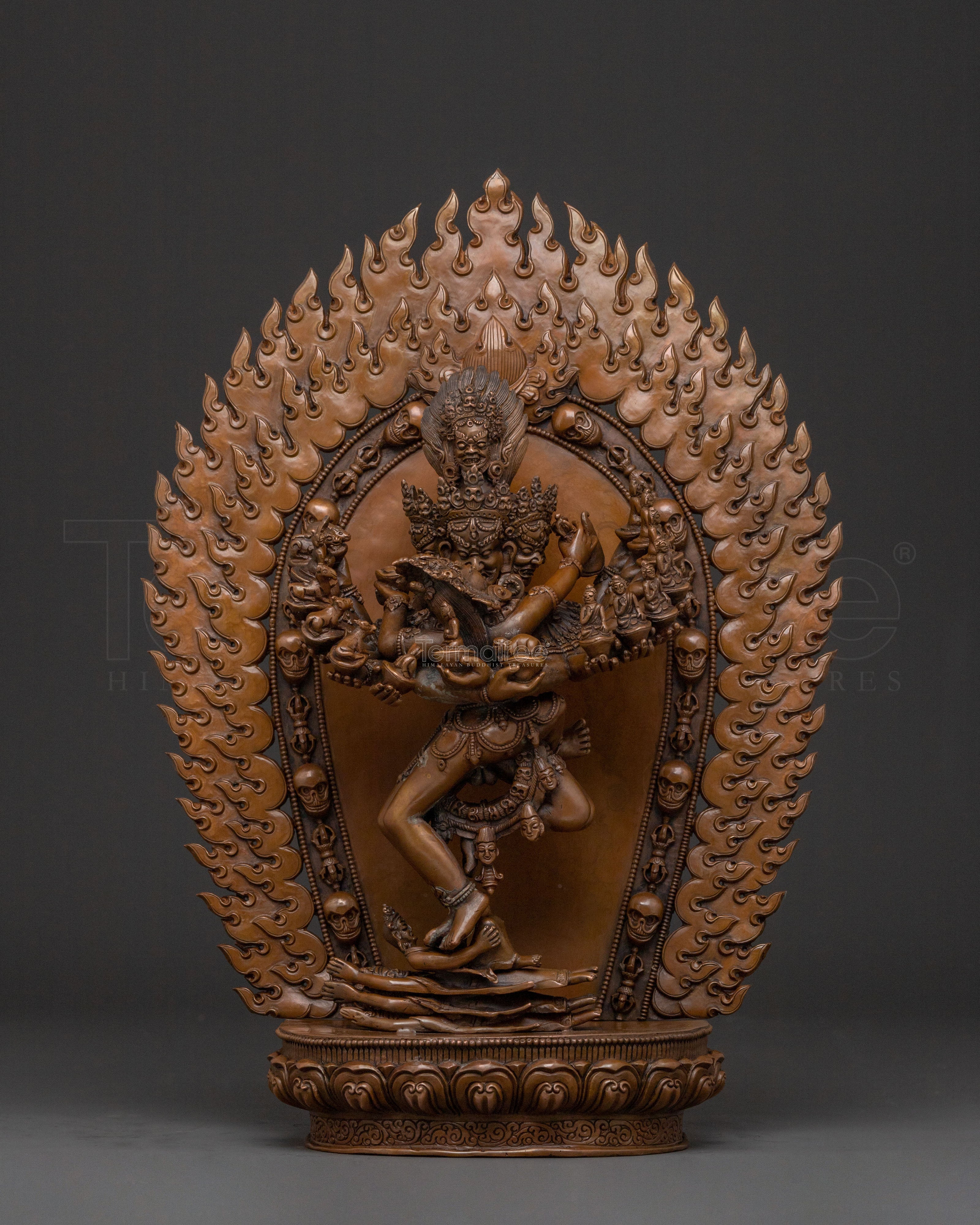
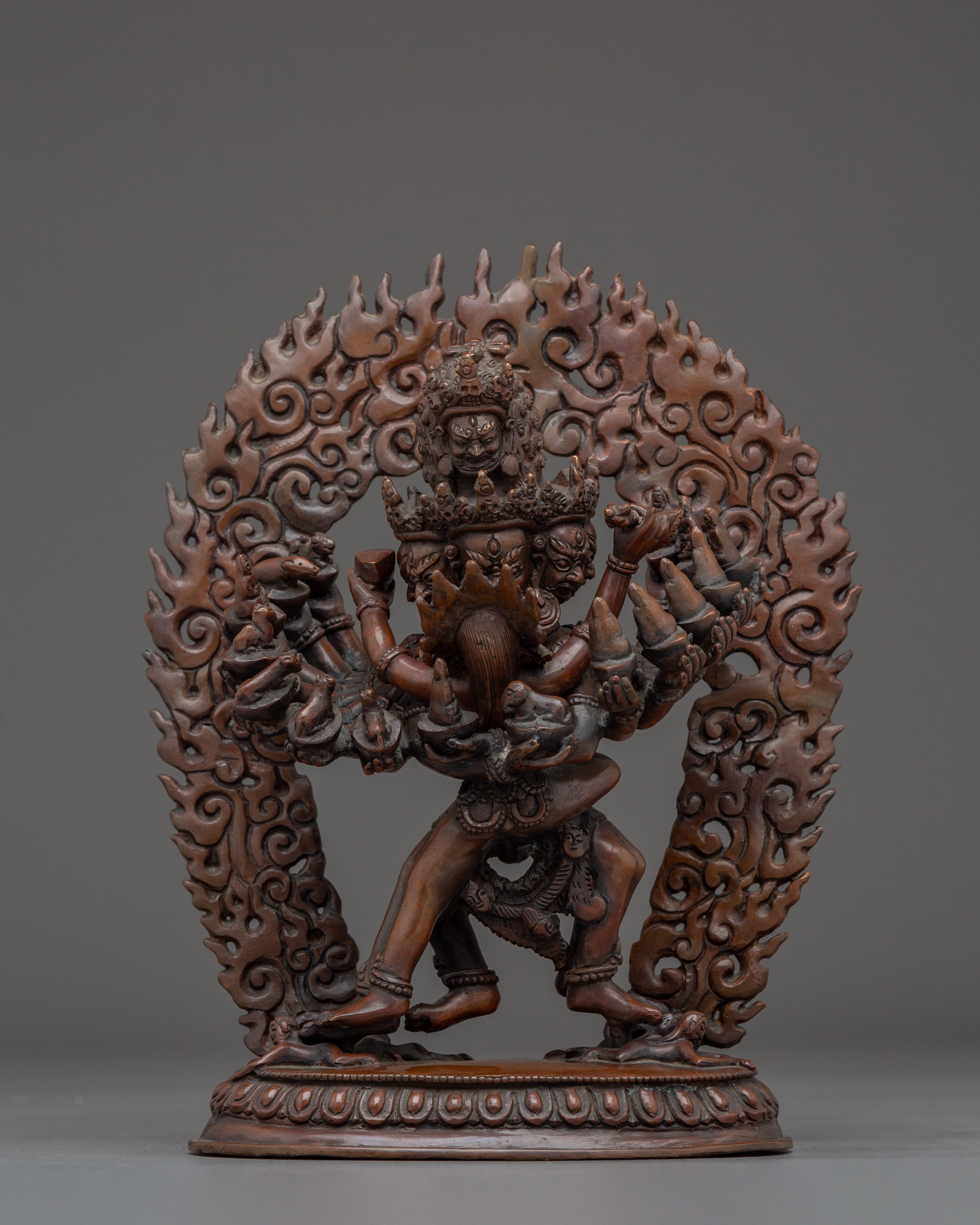
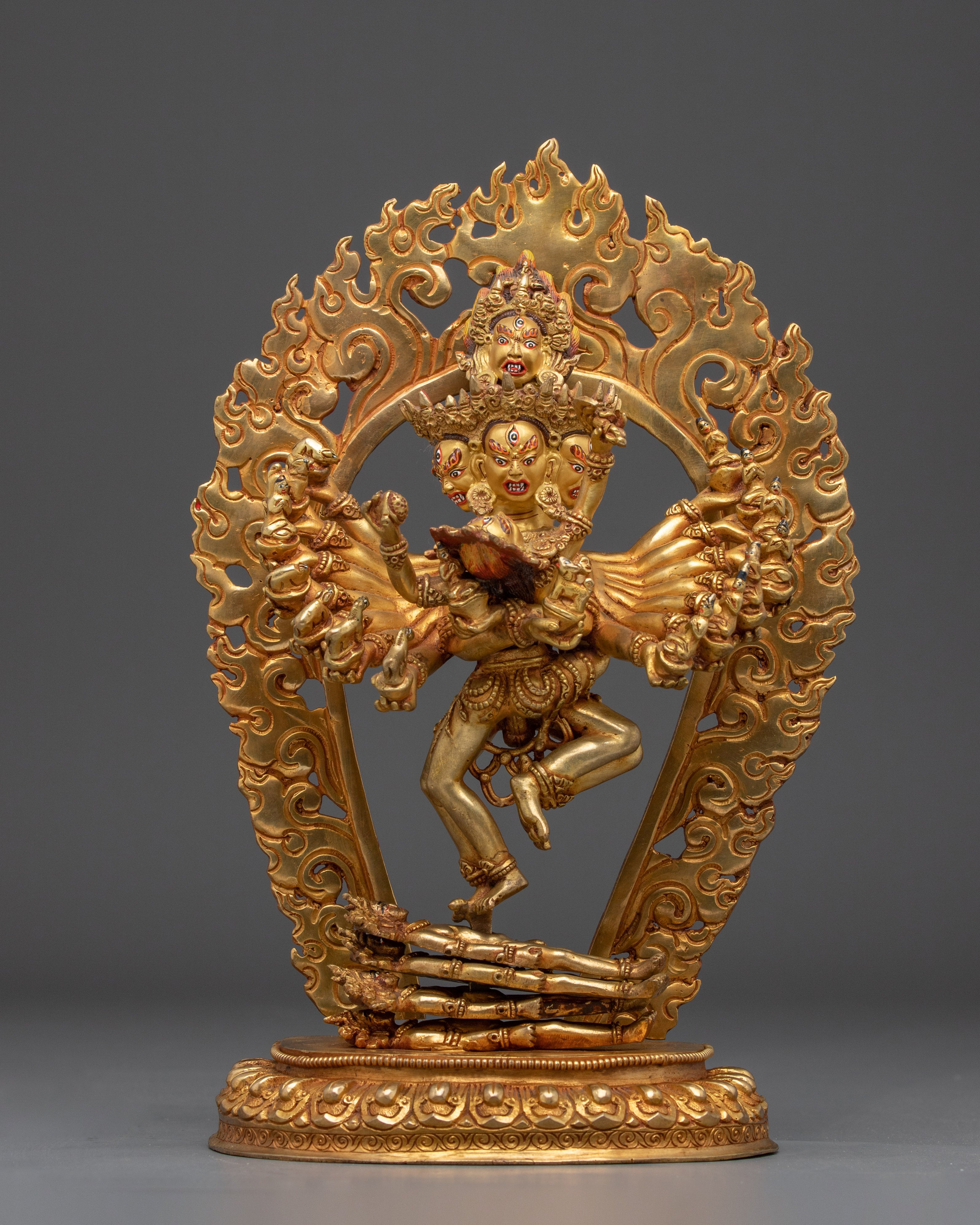
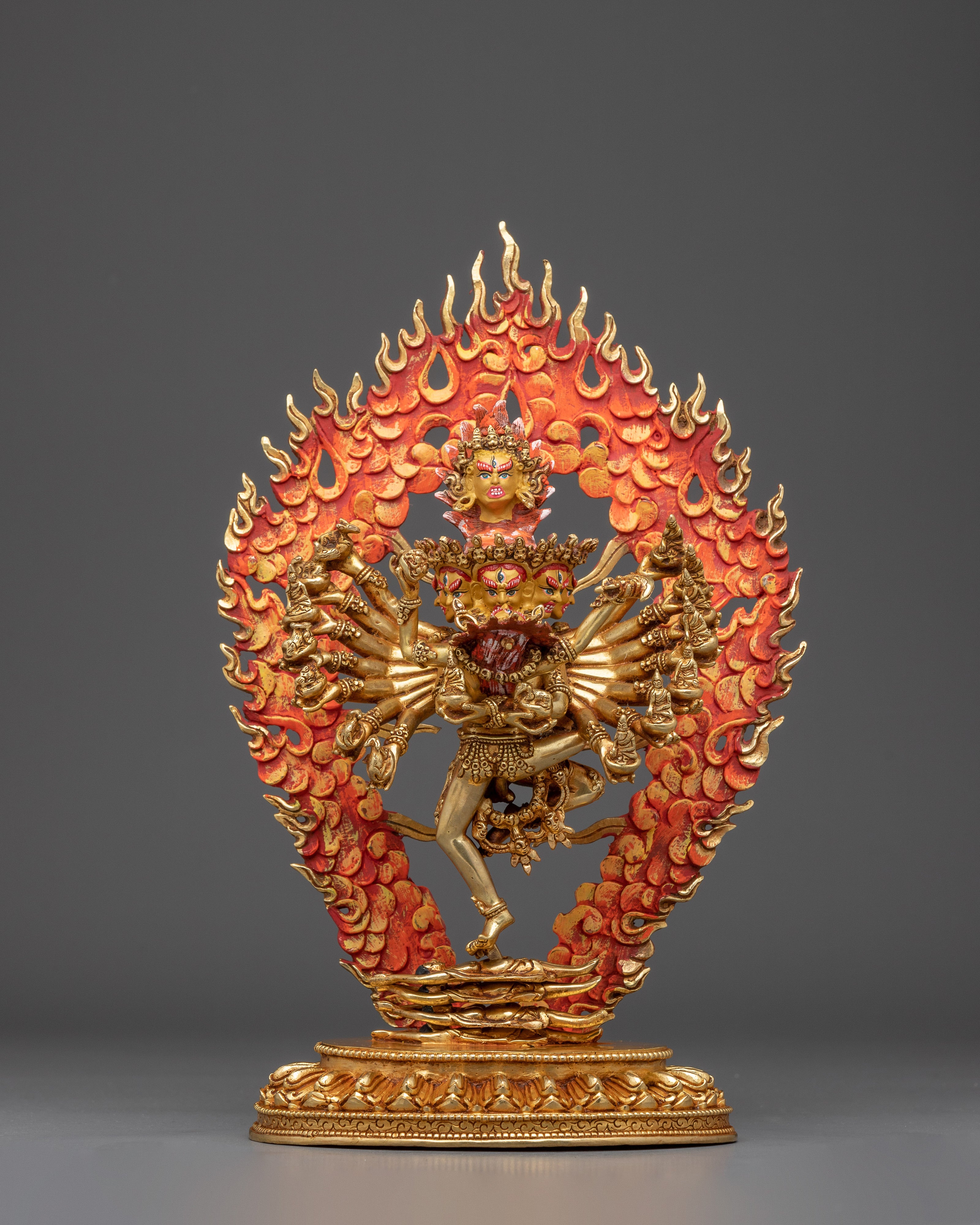
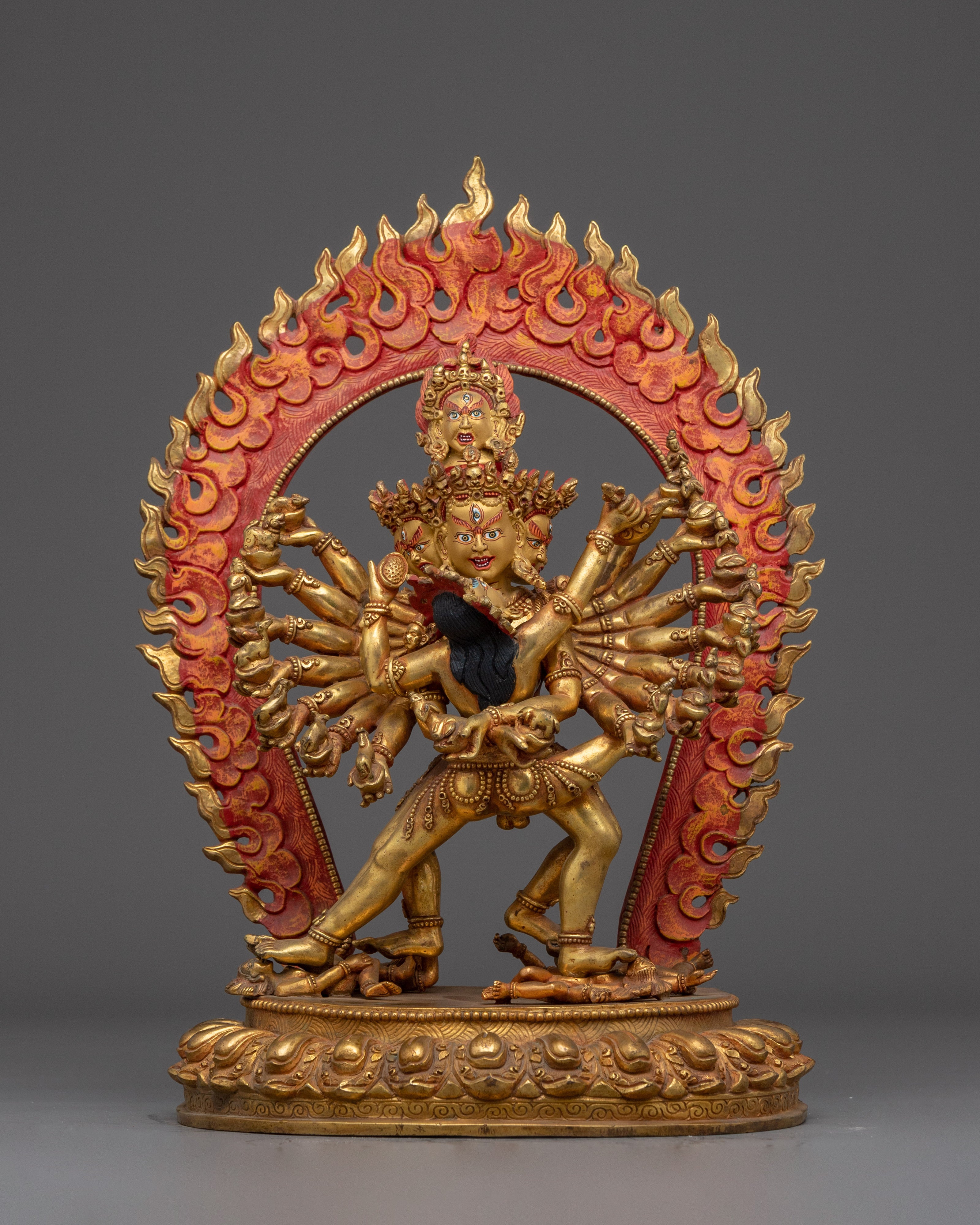
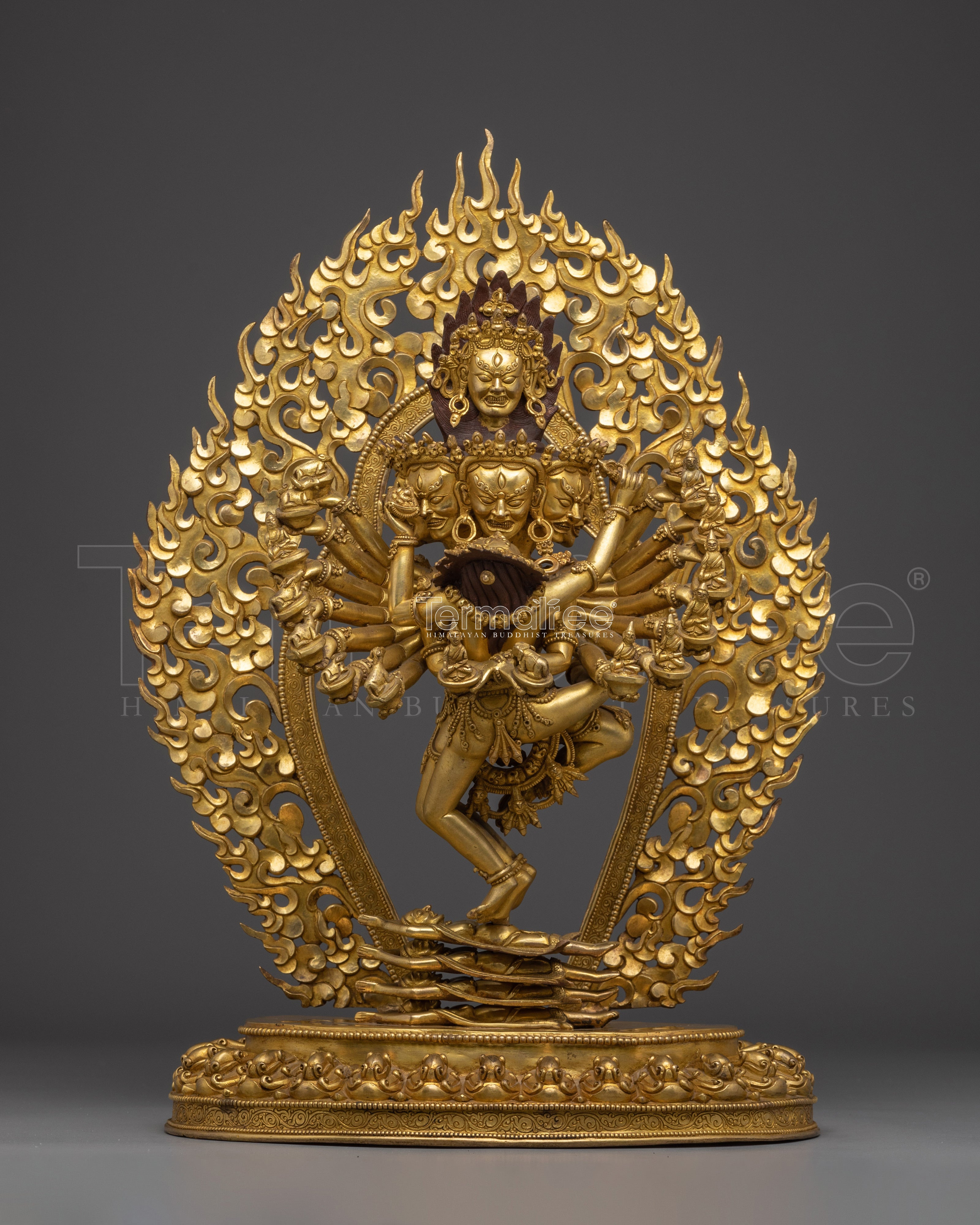
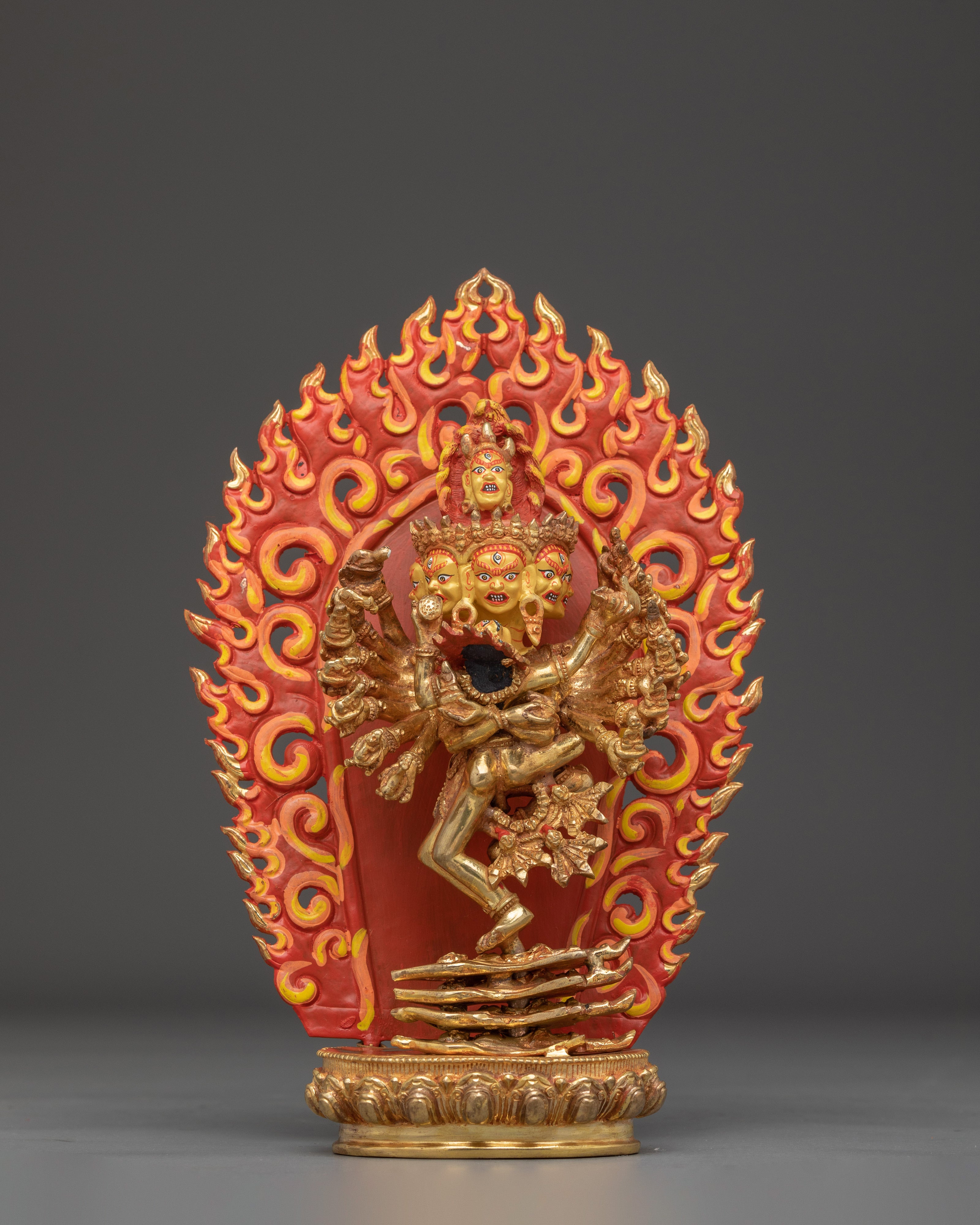
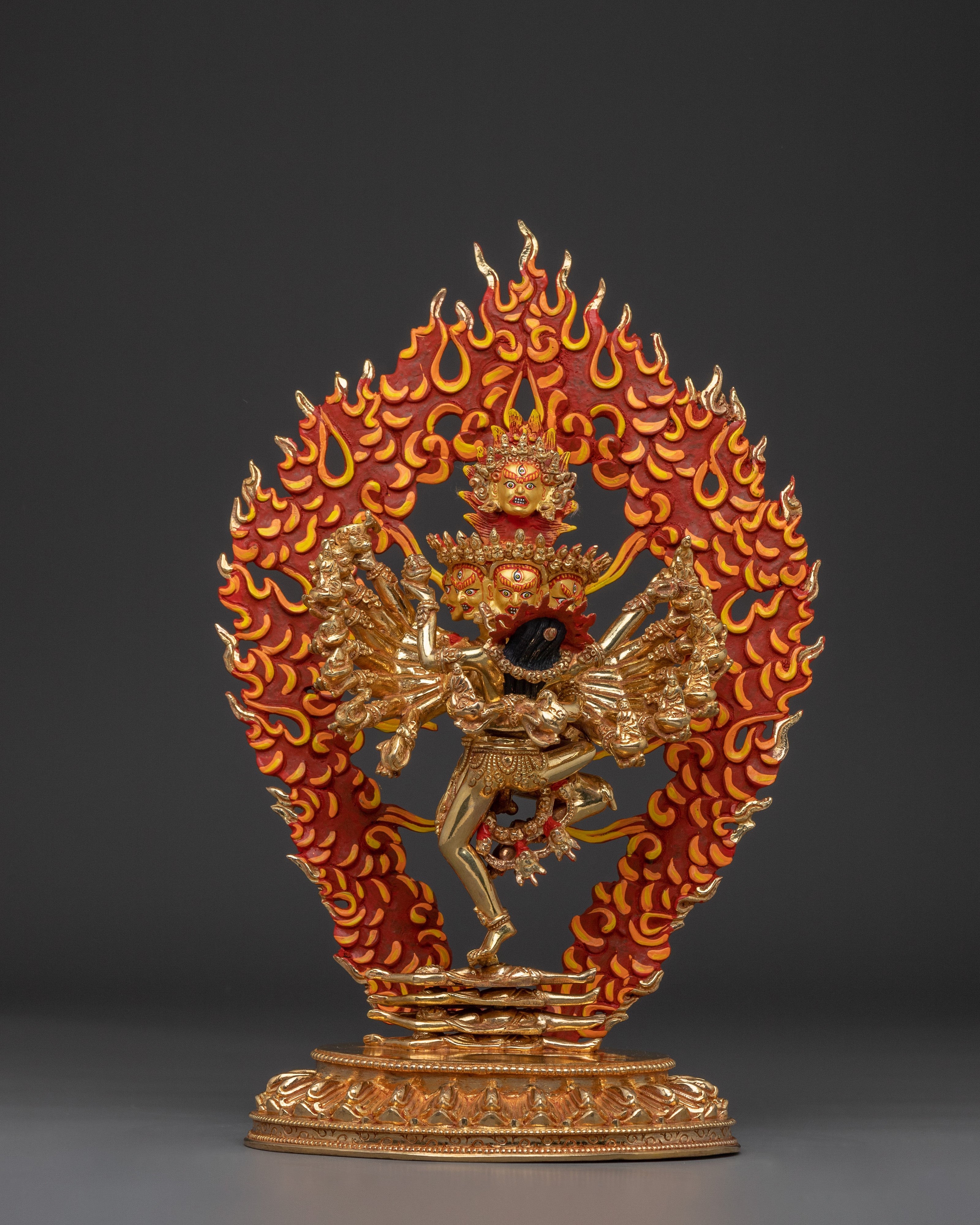
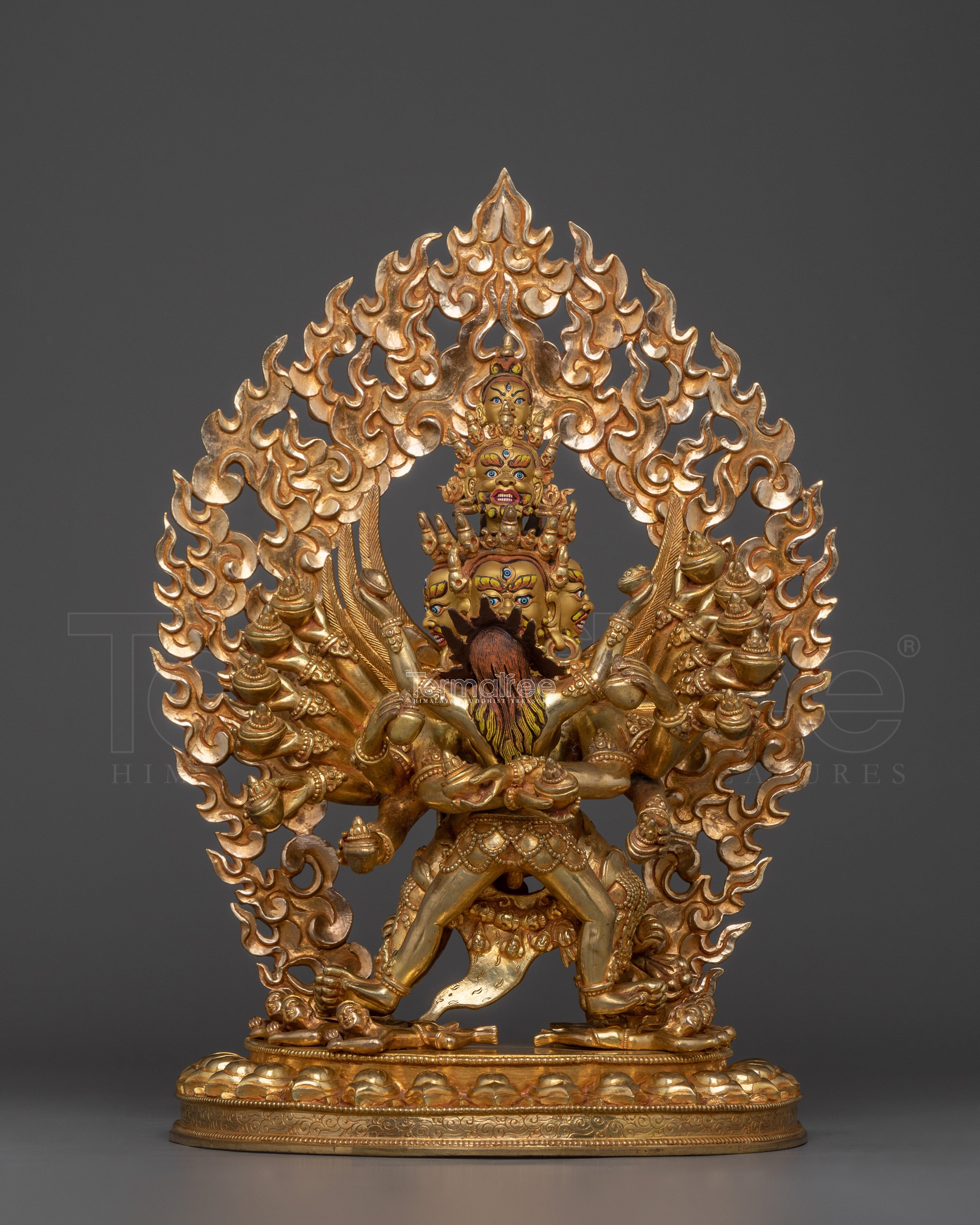
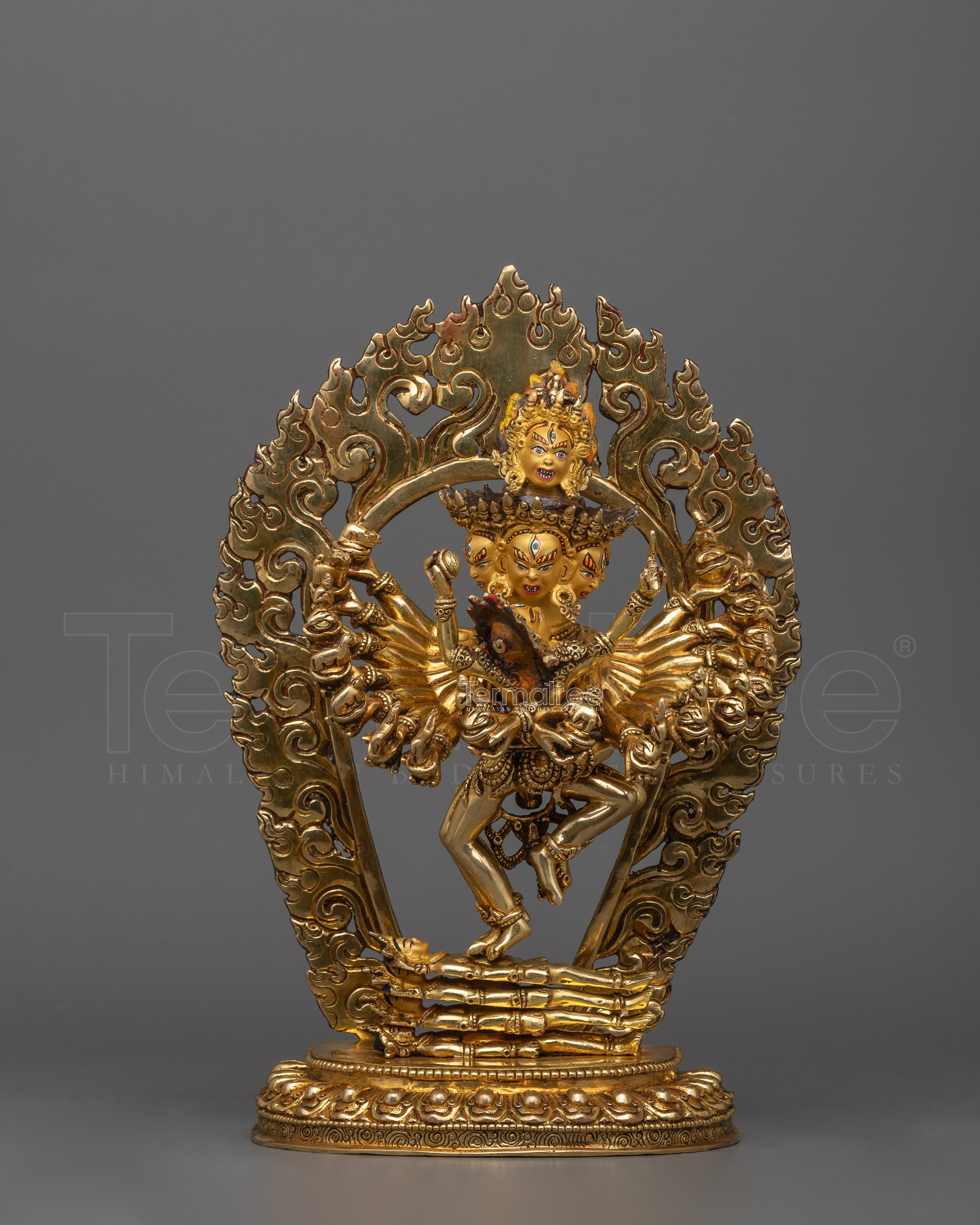
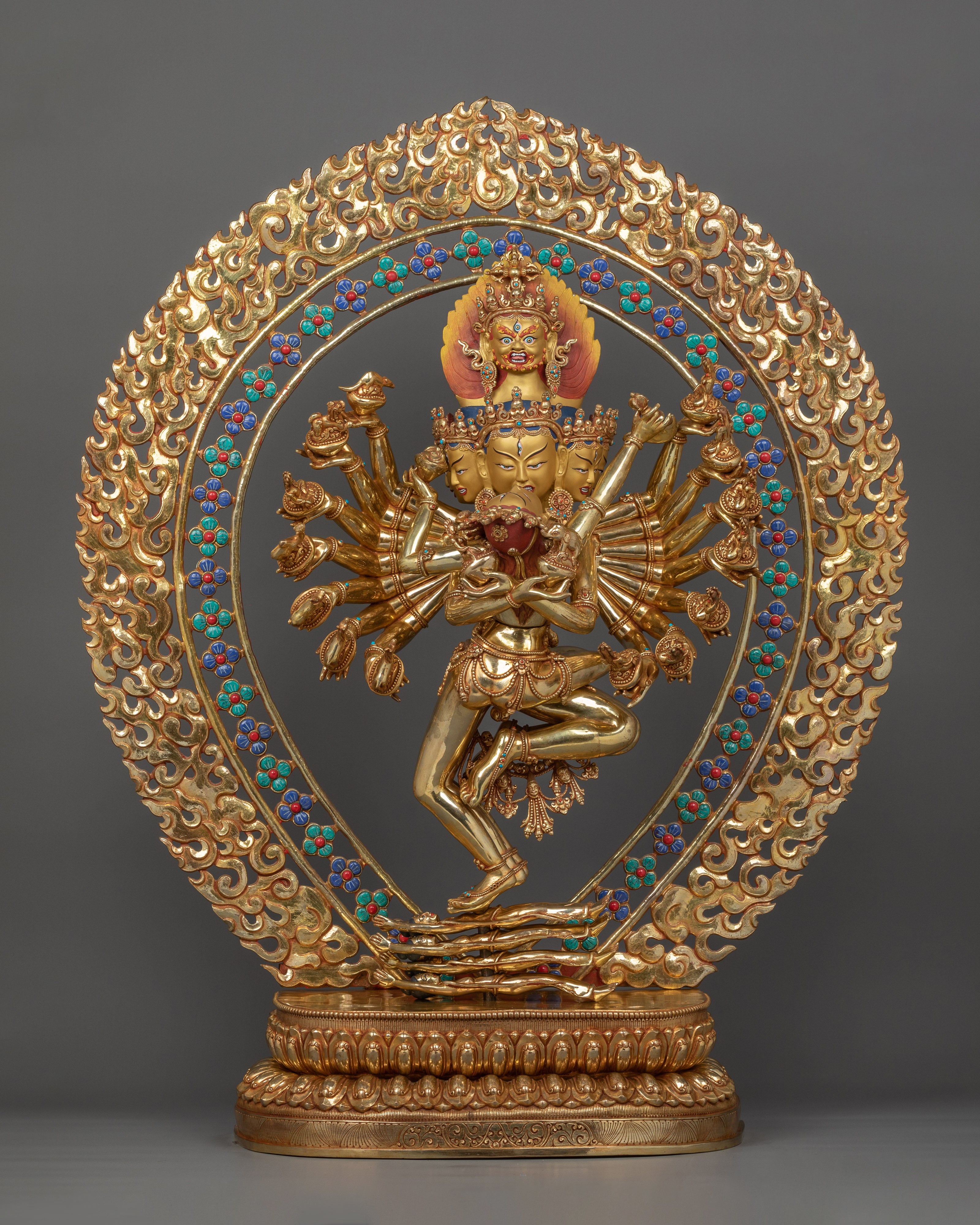
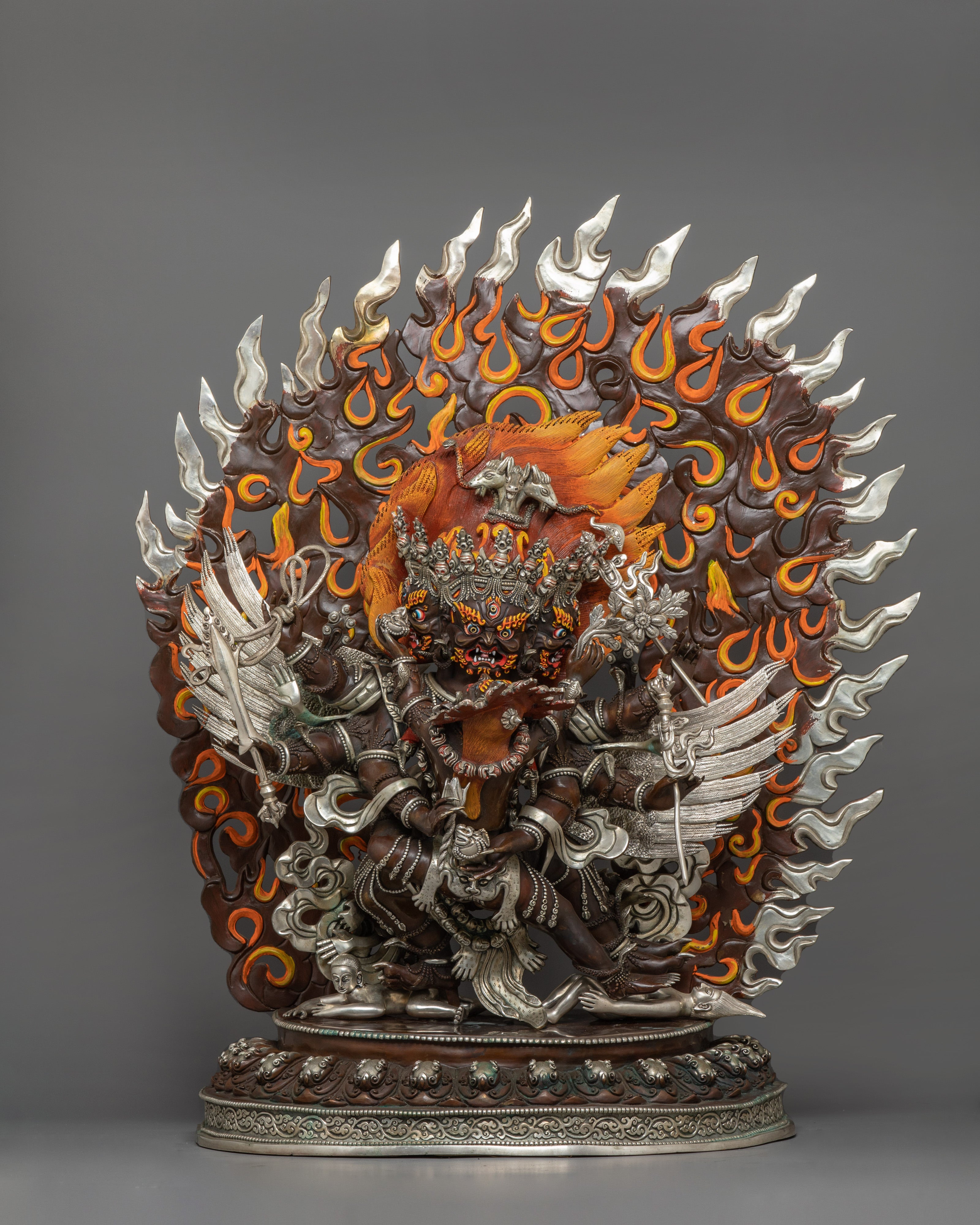
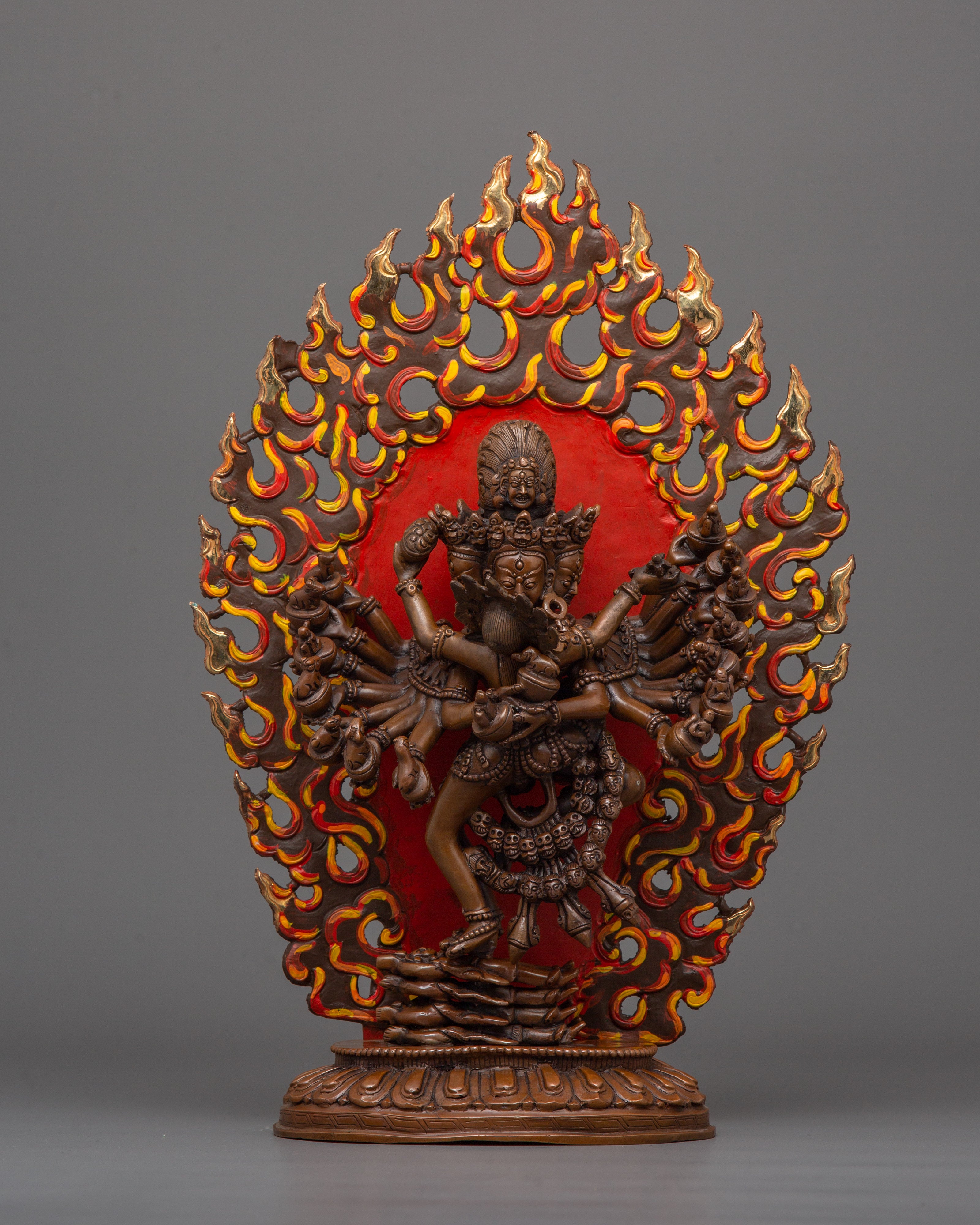
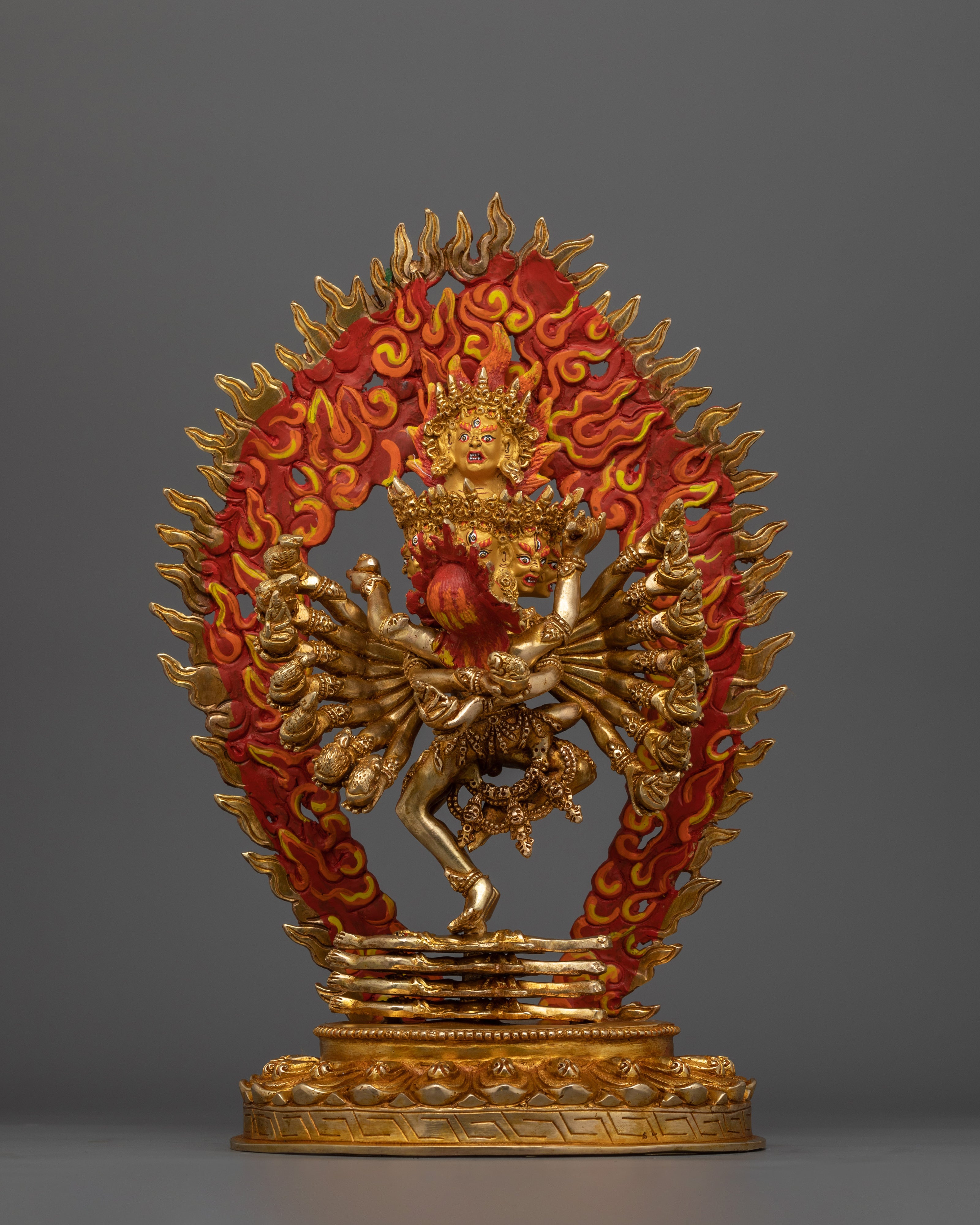
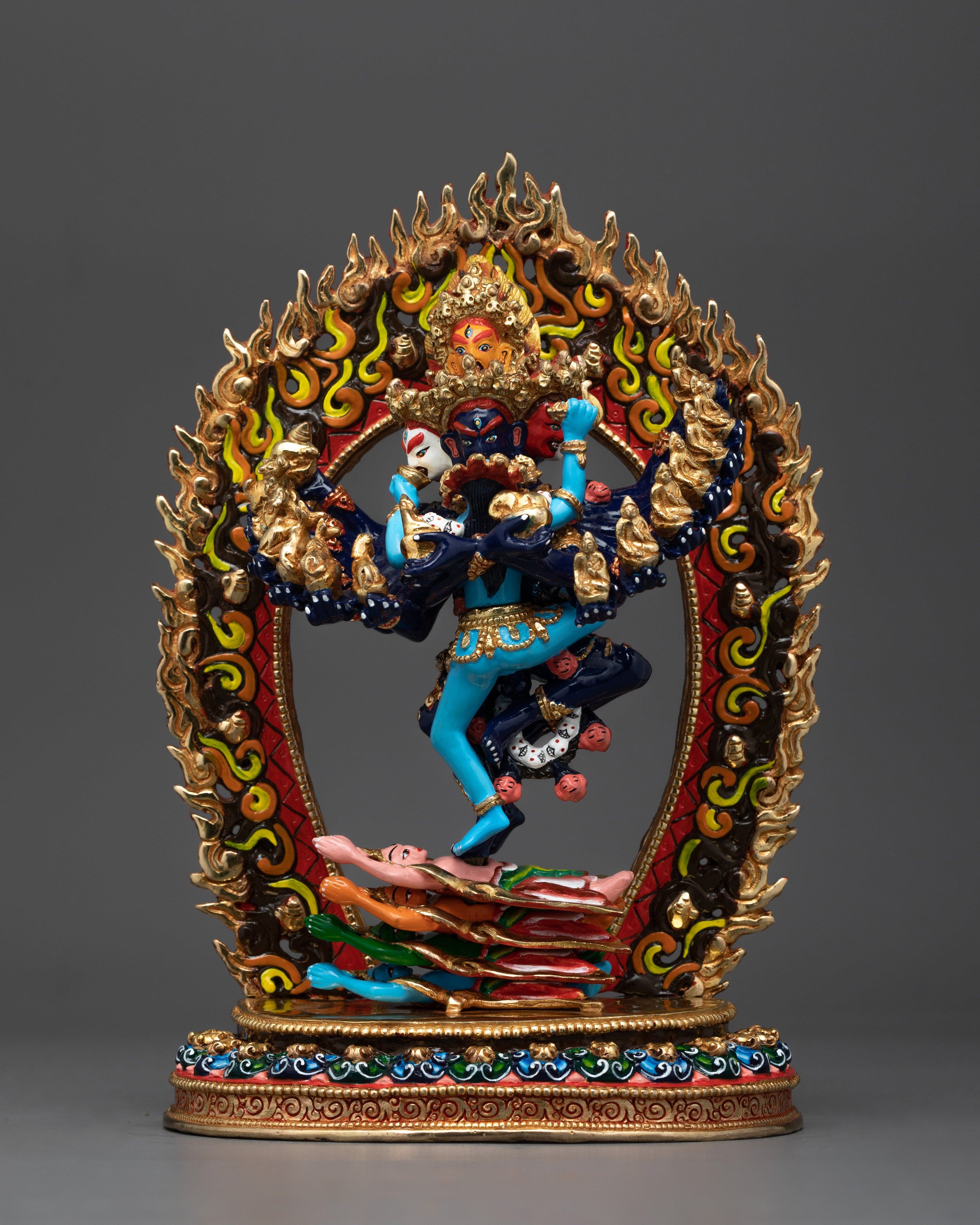
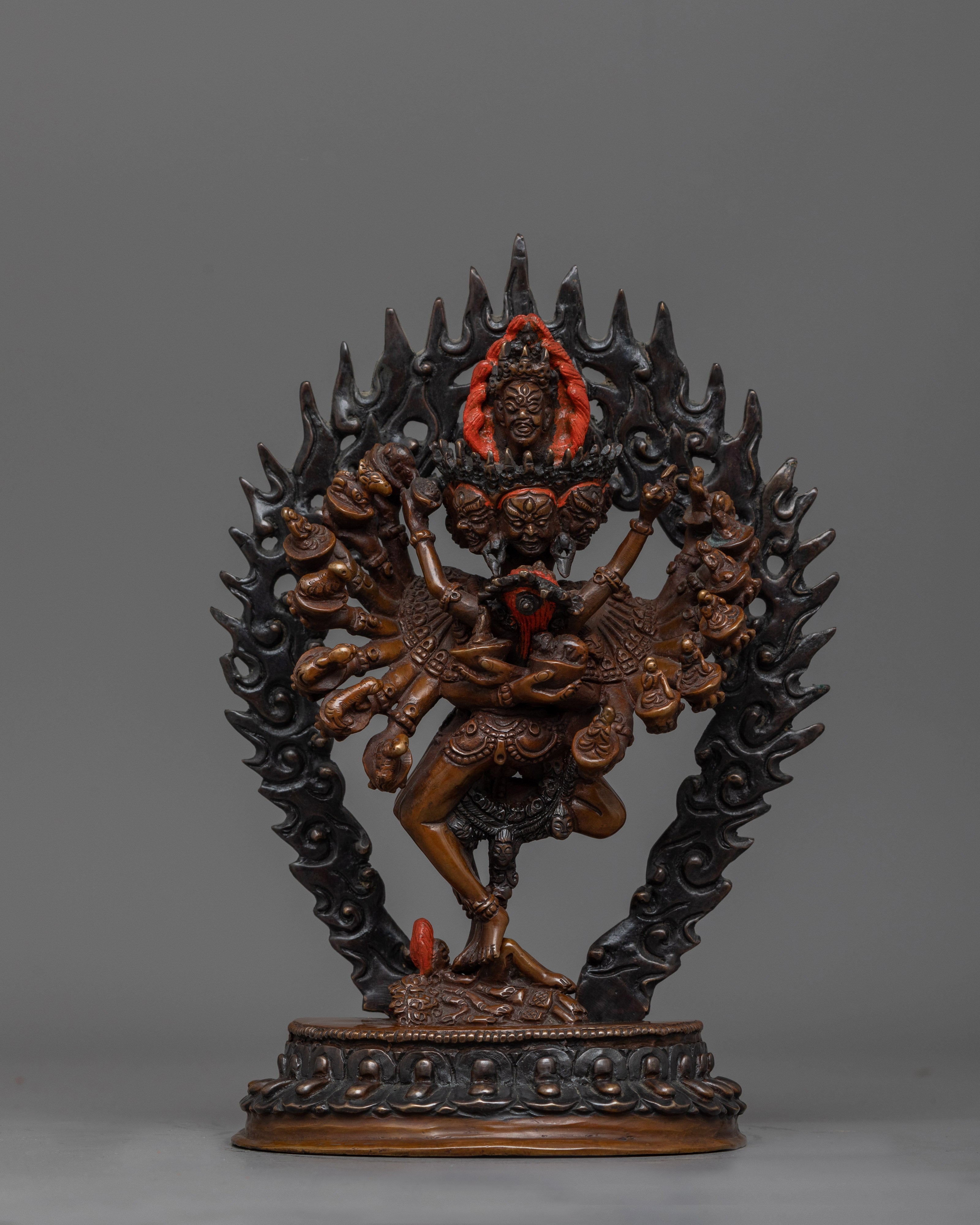
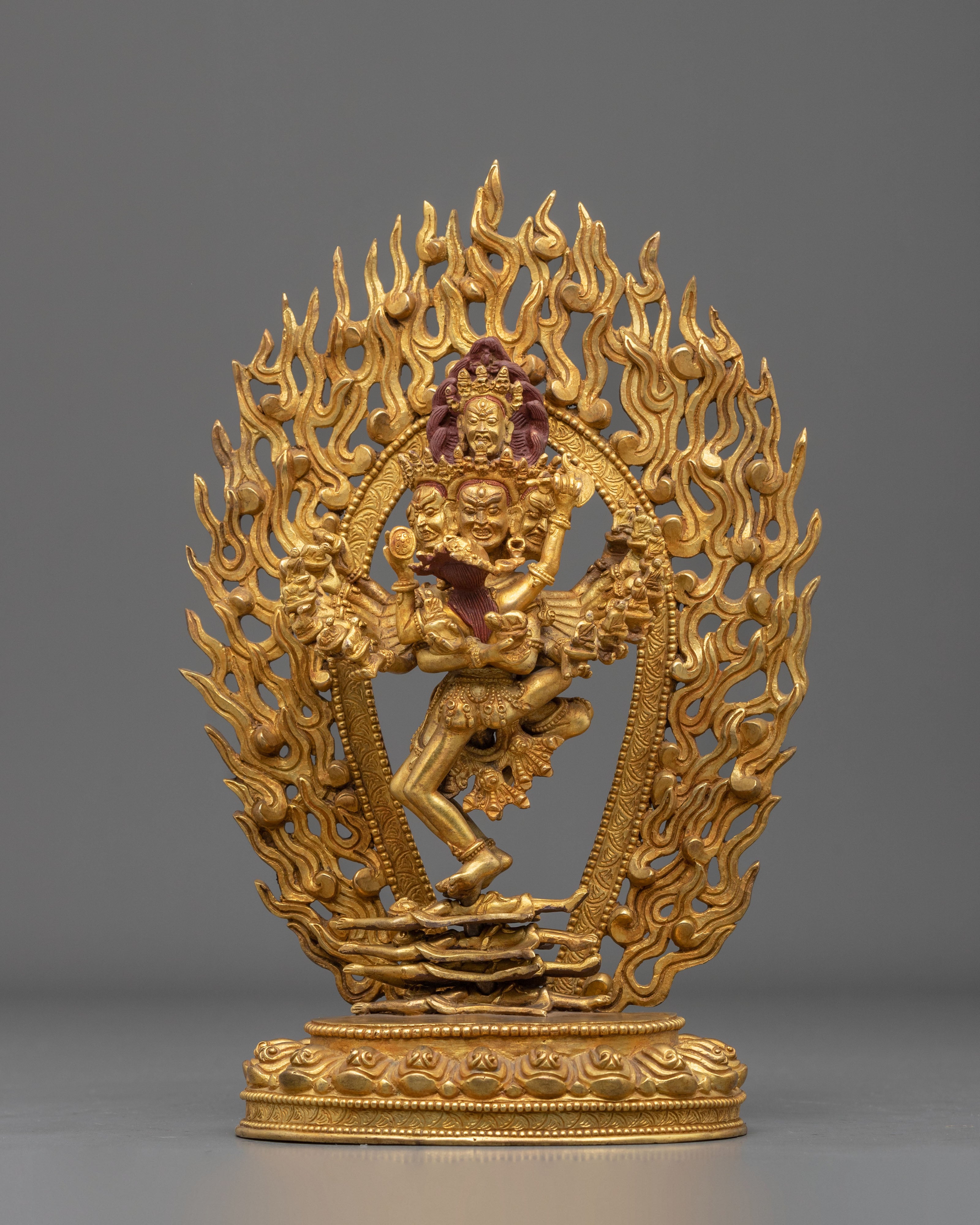
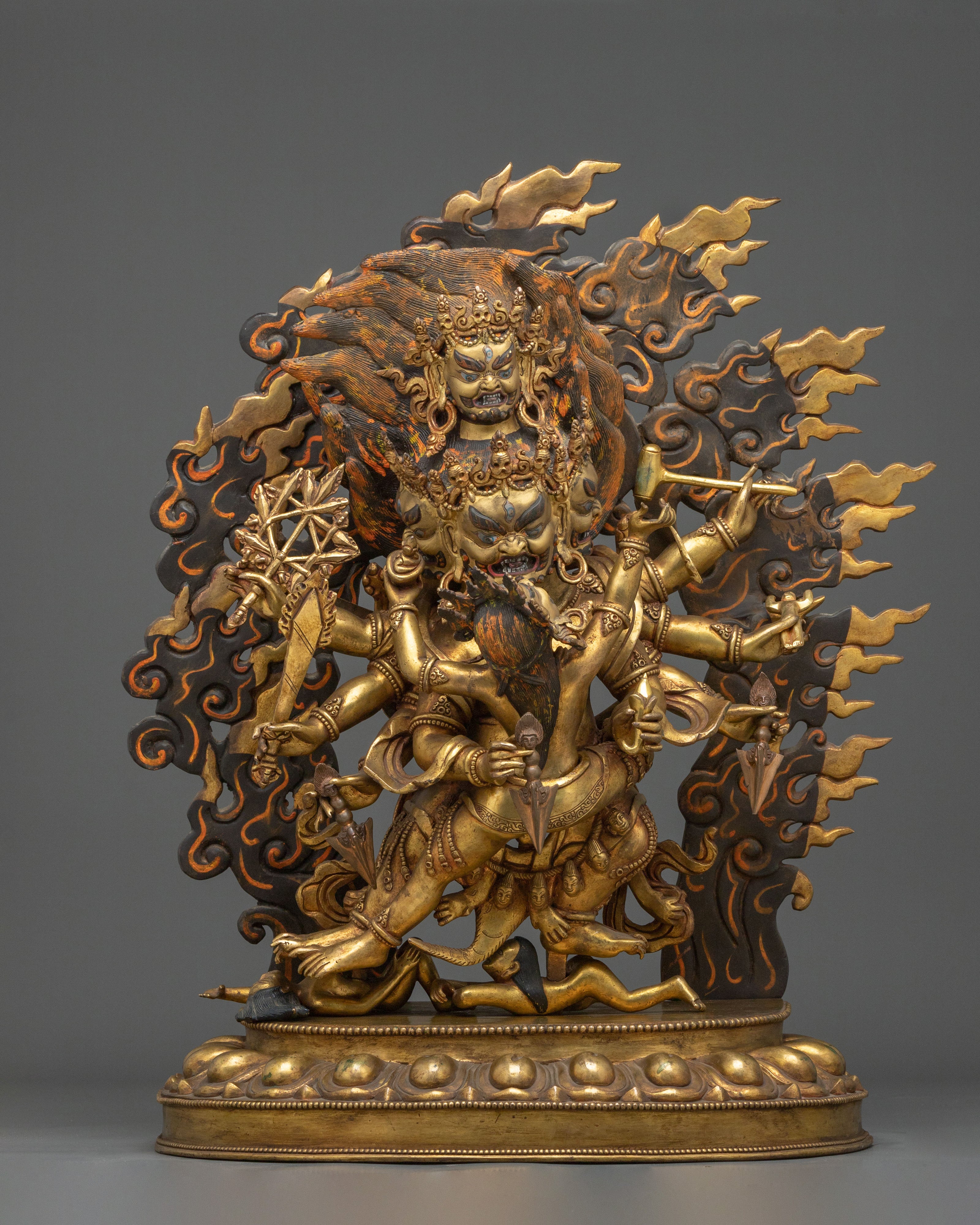
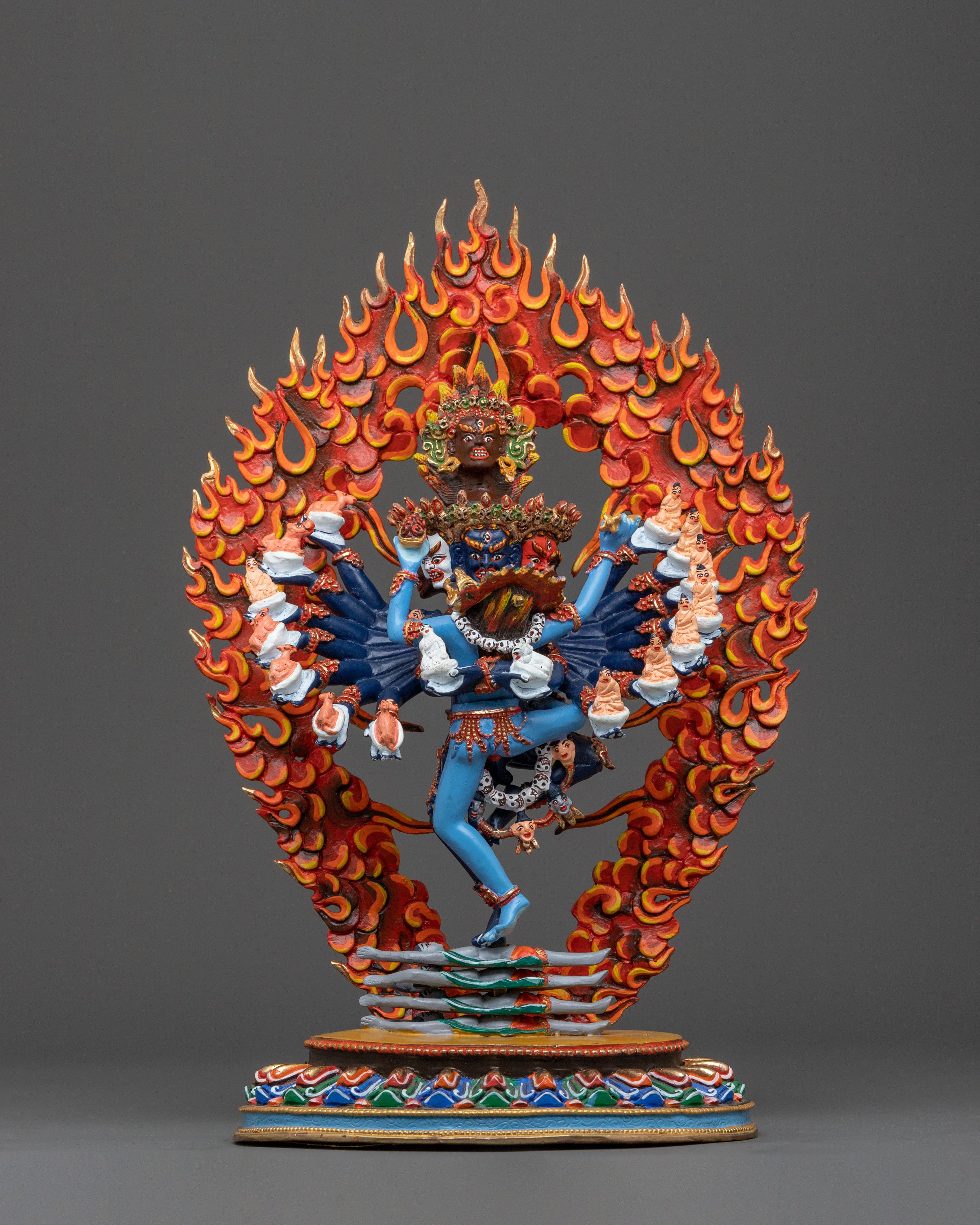
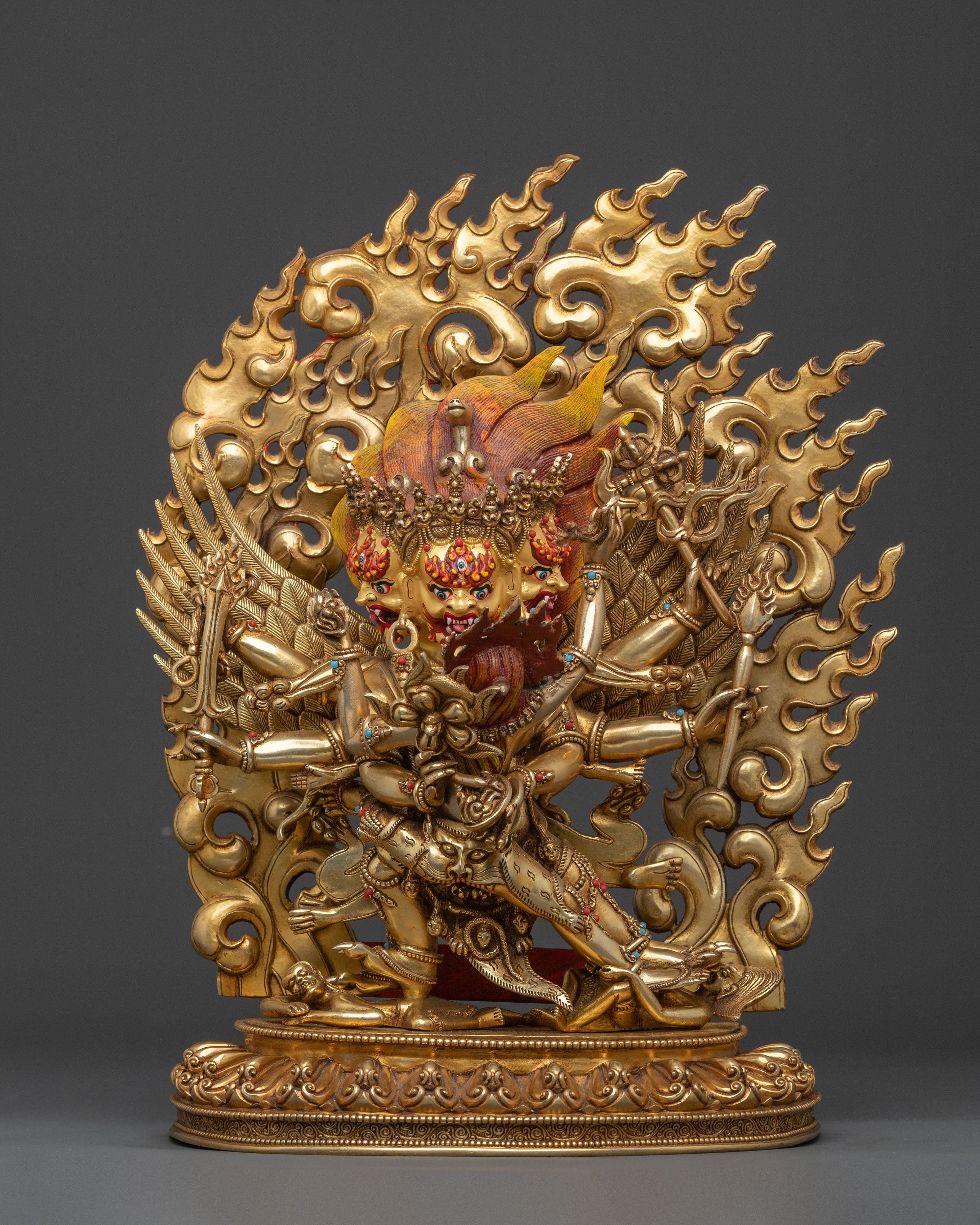
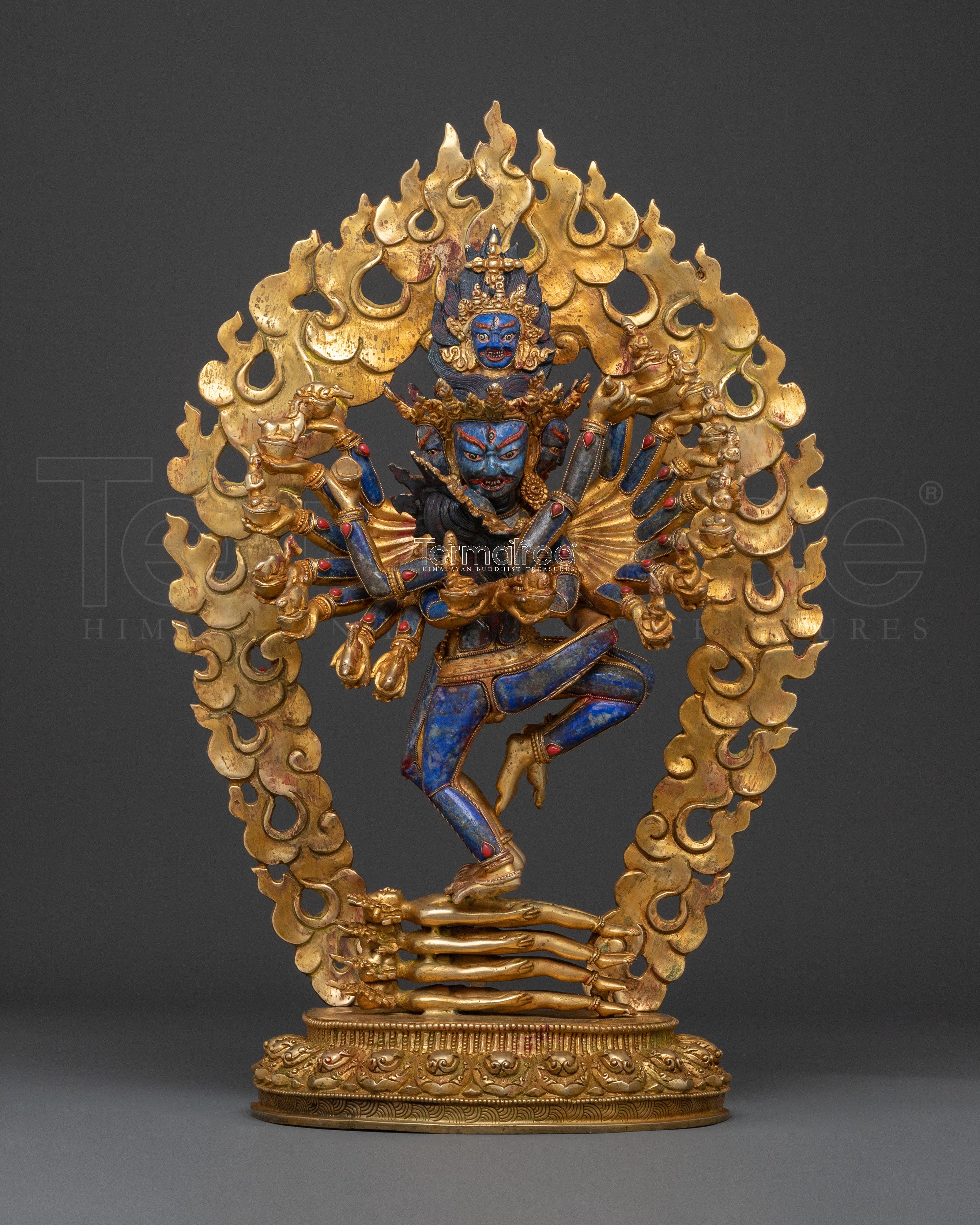
- Appearance: Hevajra is characterized by the option of having five heads, each standing for the different aspects of wisdom. He is then depicted with many arms (mostly twelve) that hold objects, the significance of which is mostly like a vajra, a bell, a skullcup, and ritual weapons. These things indeed symbolize that he can protect the Dharma and annihilate ignorance and matters that corrupt.
- Angry Expression: His visage characteristically is fierce with teeth and an expression that could be called frightful, which is representative of the strong and difficult change needed to get fading away of the ego, bad feelings, and ignorance.
- Consort: Vajrayogini is the consort of Hevajra, which indicates that wisdom and compassion are never separated. This union represents the highest achievement of non-duality, eliminating all dualistic concepts.
-
Blue or Dark Skin: Hevajra is most of the time depicted with a blue or dark skin tone, which signifies the depth and the vastness of his wisdom. The blue is frequently associated with the deity's power of transformation and the ultimate state of consciousness, which is beyond normal perception.
Role in Buddhist Practice
• Hevajra is a central deity in Vajrayana who centers the change of ordinary view to an enlightened one in his practices.
• He is that wrathful aspect of the divine who represents both safety and spiritual cleansing, using his fierce characteristics to remove the hindrances on the spiritual path, and aiding practitioners in overcoming the negative emotions and diseases connected with birth and death (samsara) through their own personal afflictions.
• Deity yoga and visualization, which are central to the Hevajra Tantra, are the Hevajra's practices, enabling the practitioner to acquire the qualities of enlightenment such as wisdom and compassion, and thereby, to the realization of these qualities in oneself.
• Hevajra is extremely important in the transmission of the highest tantric teachings, as he not only acts as protector but also as guide during the Completion Stage of Meditation in the process of the unification of wisdom and compassion.
Legacy and Influence
Hevajra is a major character in the Vajrayana tradition, particularly in the Kagyu and Nyingma schools, and is a pivotal person in the whole process of tantric practices. The Hevajra Tantra is an important manuscript that demonstrates the purification of the mind and the environment, as well as the advanced meditation practices. Hevajra represents the triumph over the commonplace dualities, and at the same time, it accentuates that the path to liberation is to include all the experiences of life in the process of reaching enlightenment.