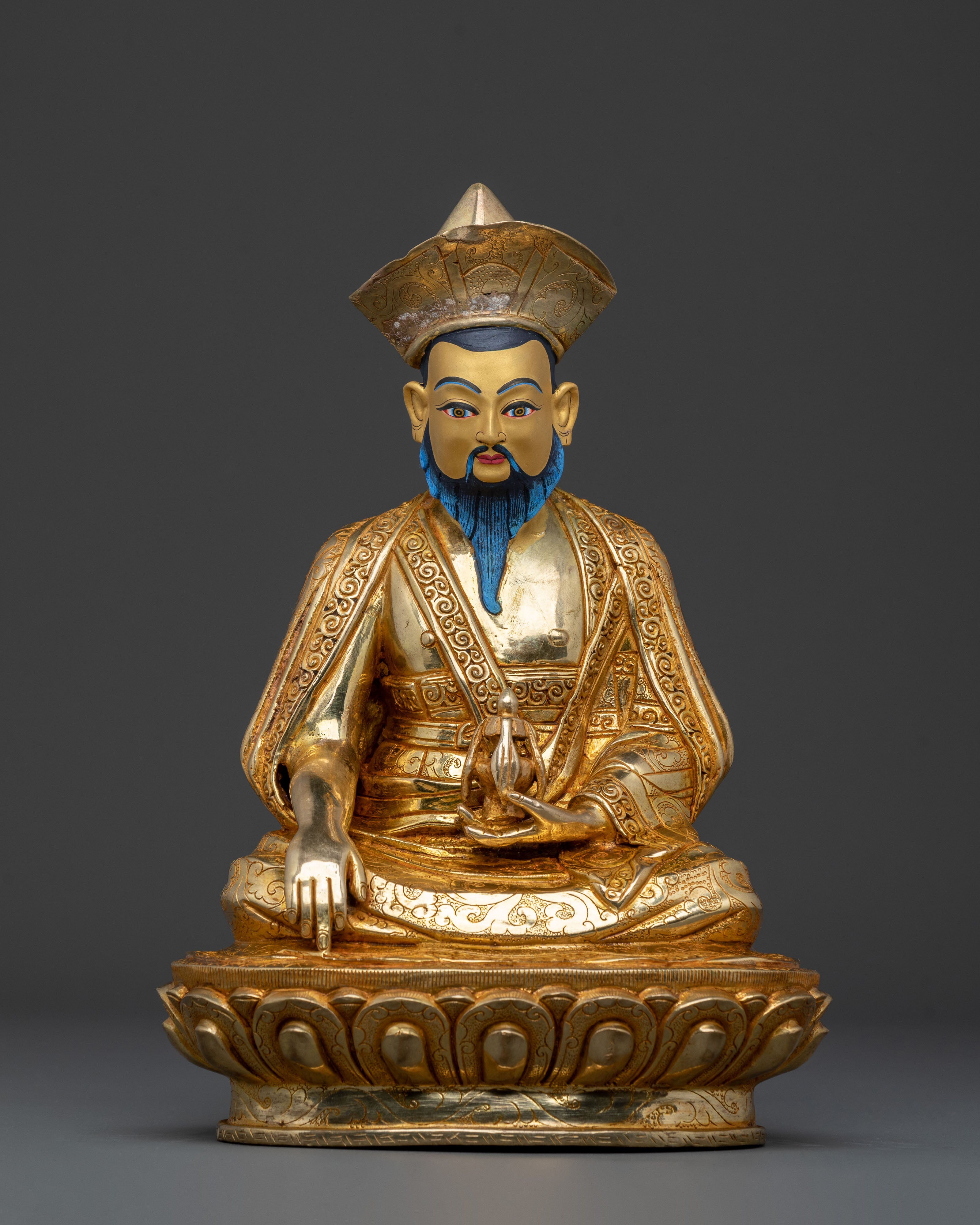
Guru Shapdum: The Protector and Spiritual Guide of Vajrayana Buddhism
Guru Shapdum (Zhabdrung Rinpoche) is regarded as a revered figure in Vajrayana (Tantric) Buddhism, often associated with the lineage of Padmasambhava (also called Guru Rinpoche), regarded as the “Second Buddha.” In some traditions, Guru Shapdum is viewed as a manifestation of Padmasambhava, embodying his protective and transformative energy. As a “guru deity,” Guru Shapdum represents not only a spiritual master but also a source of protection, blessings, and transmission of teachings, combining compassion, wisdom, and tantric power.
Iconography & Symbolism
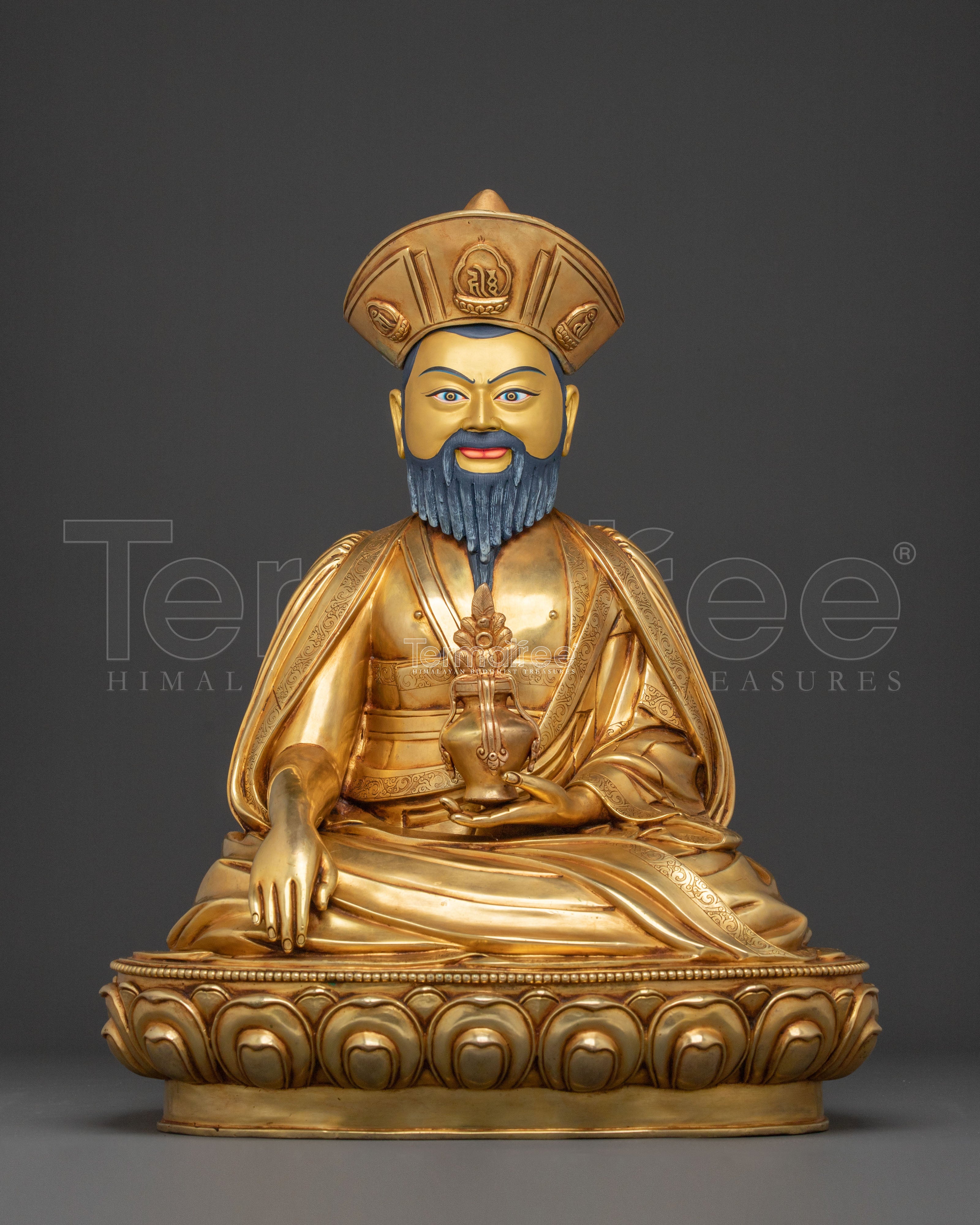
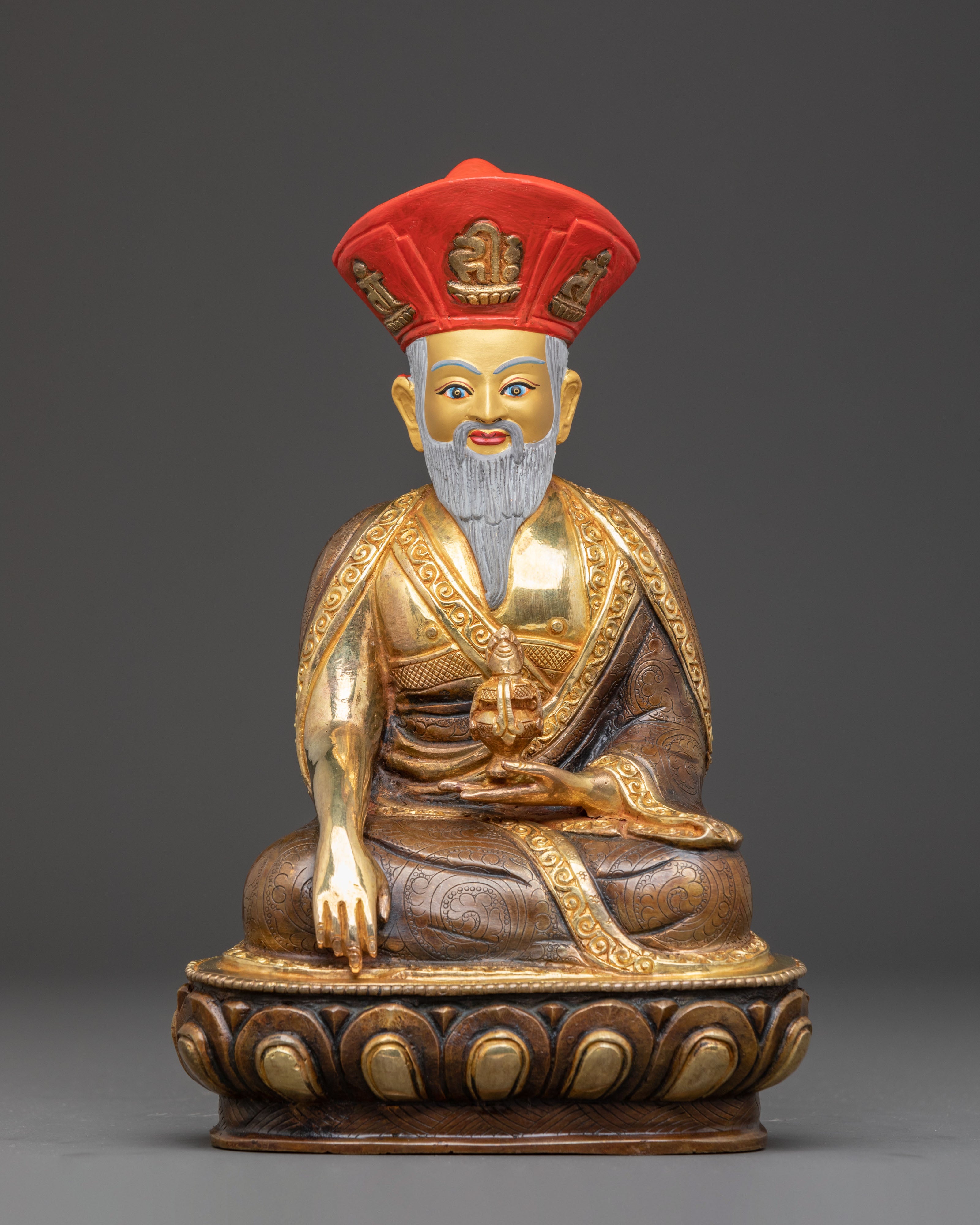
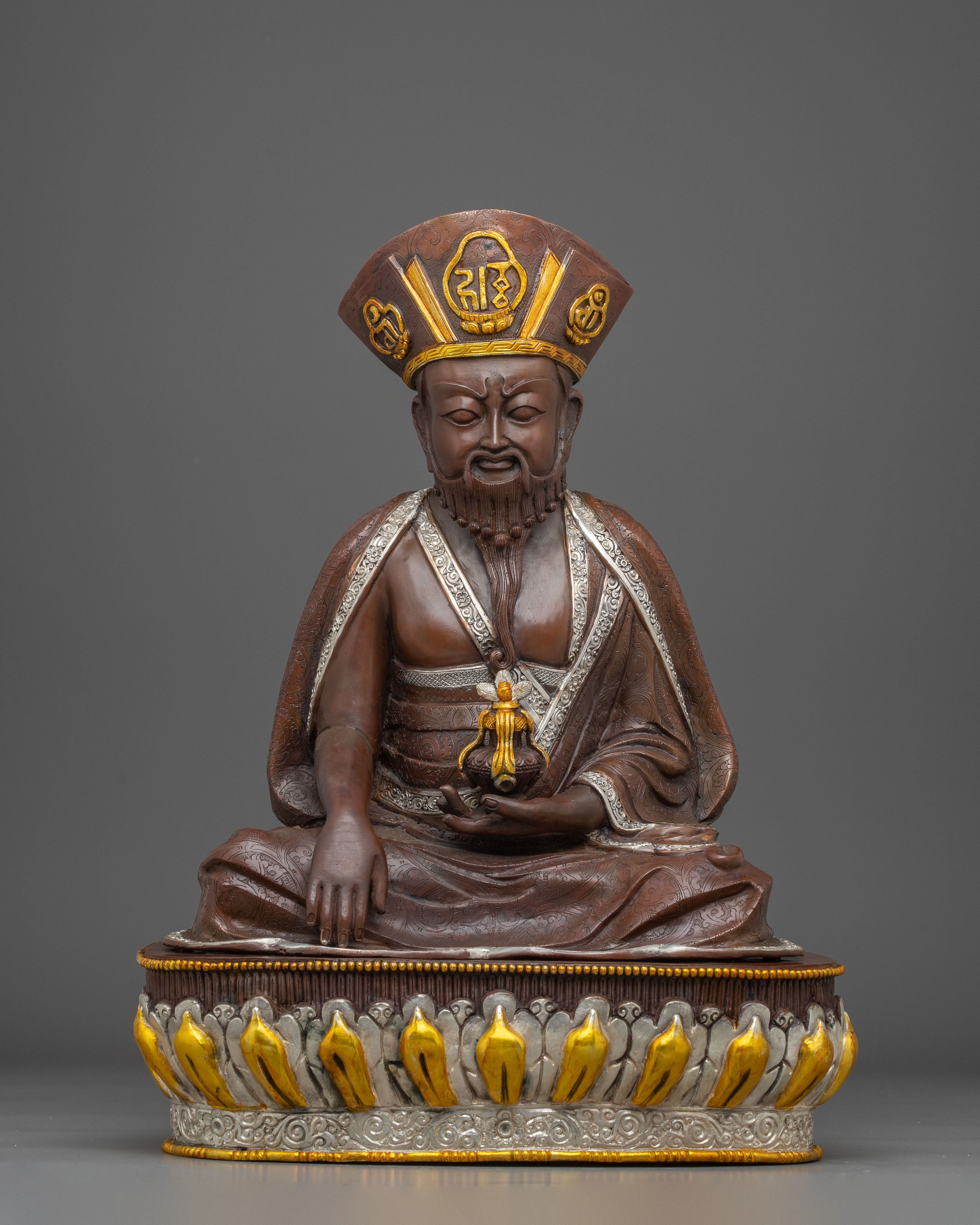
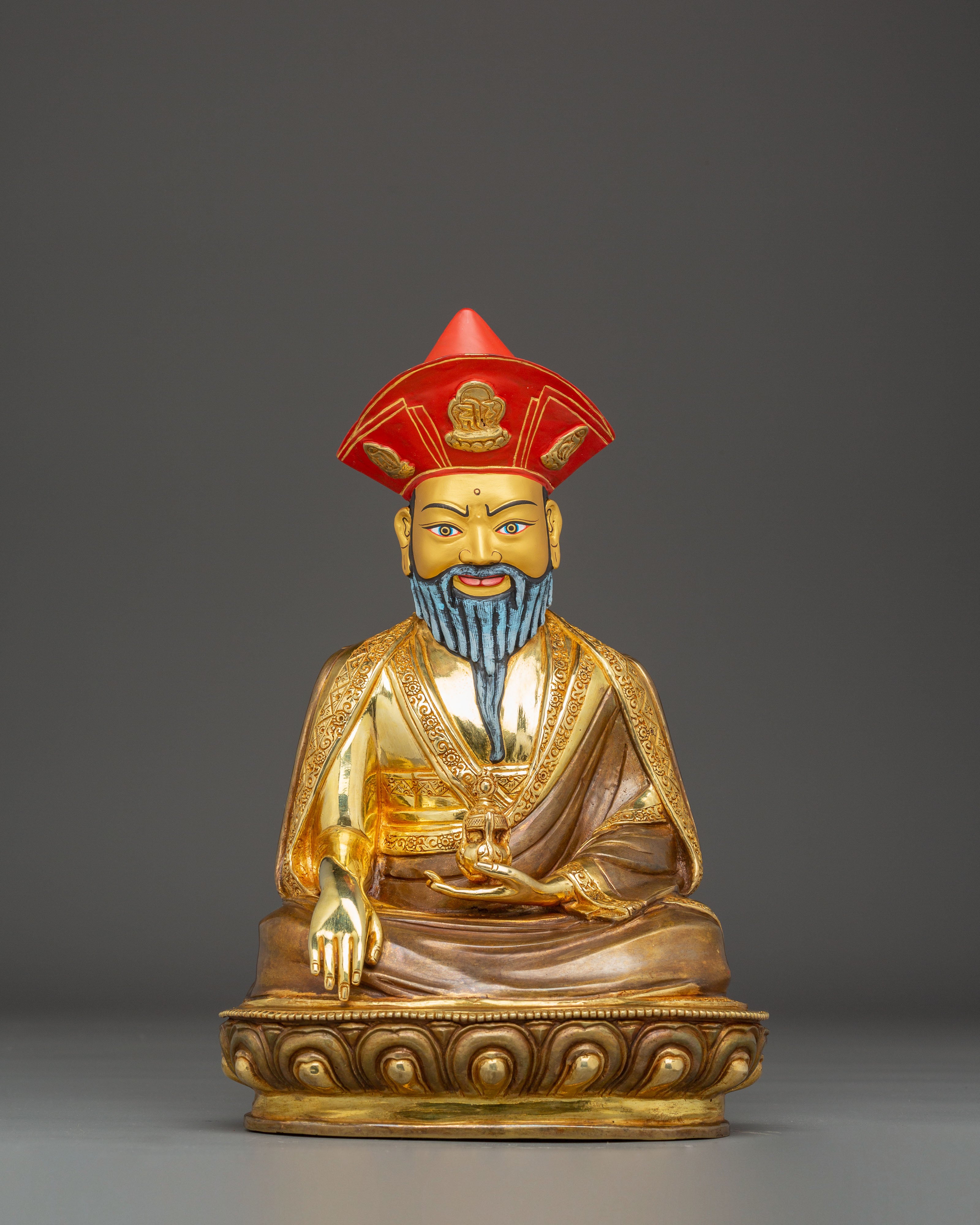
The typical depiction of Guru Shapdum carries several meaningful symbols:
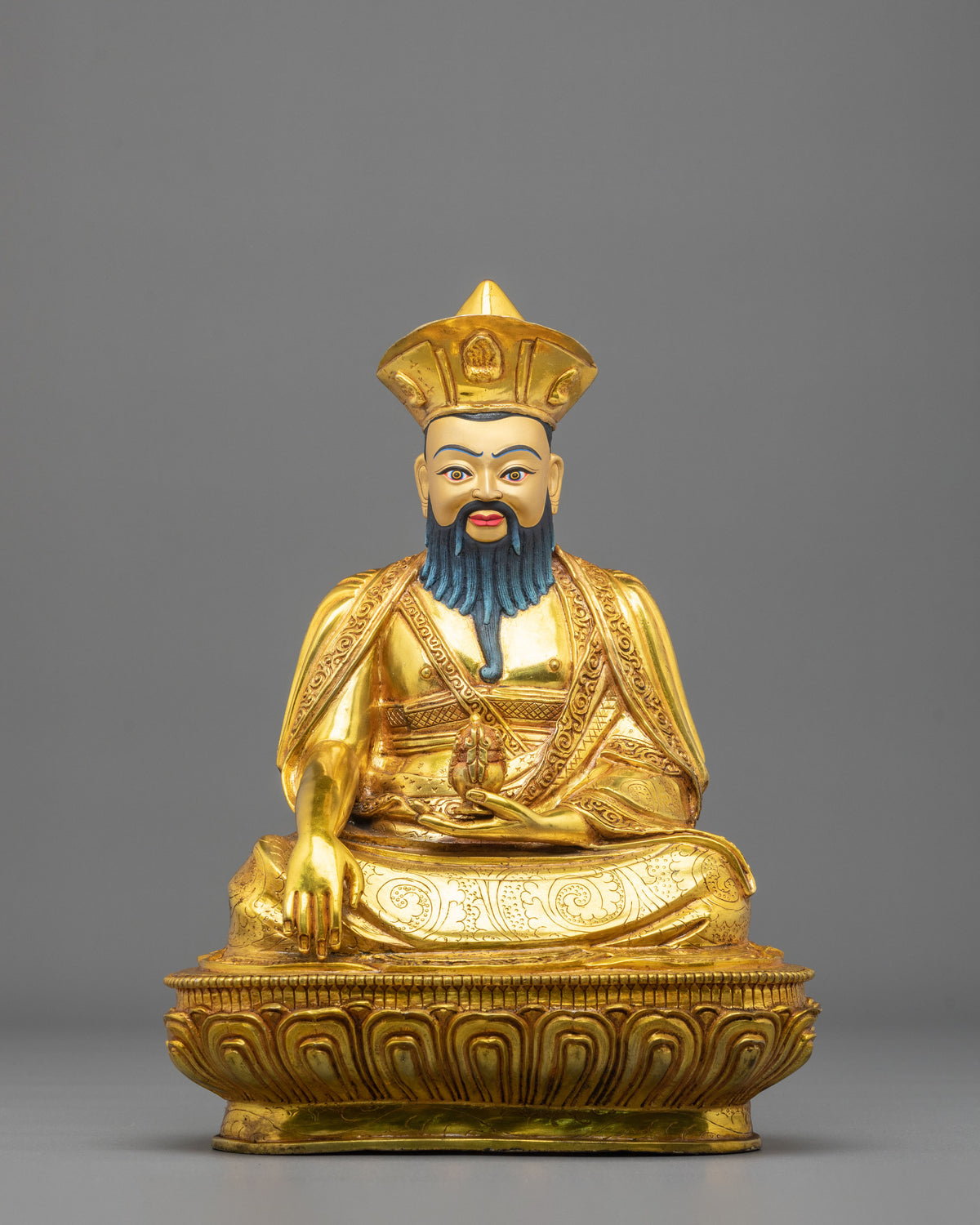
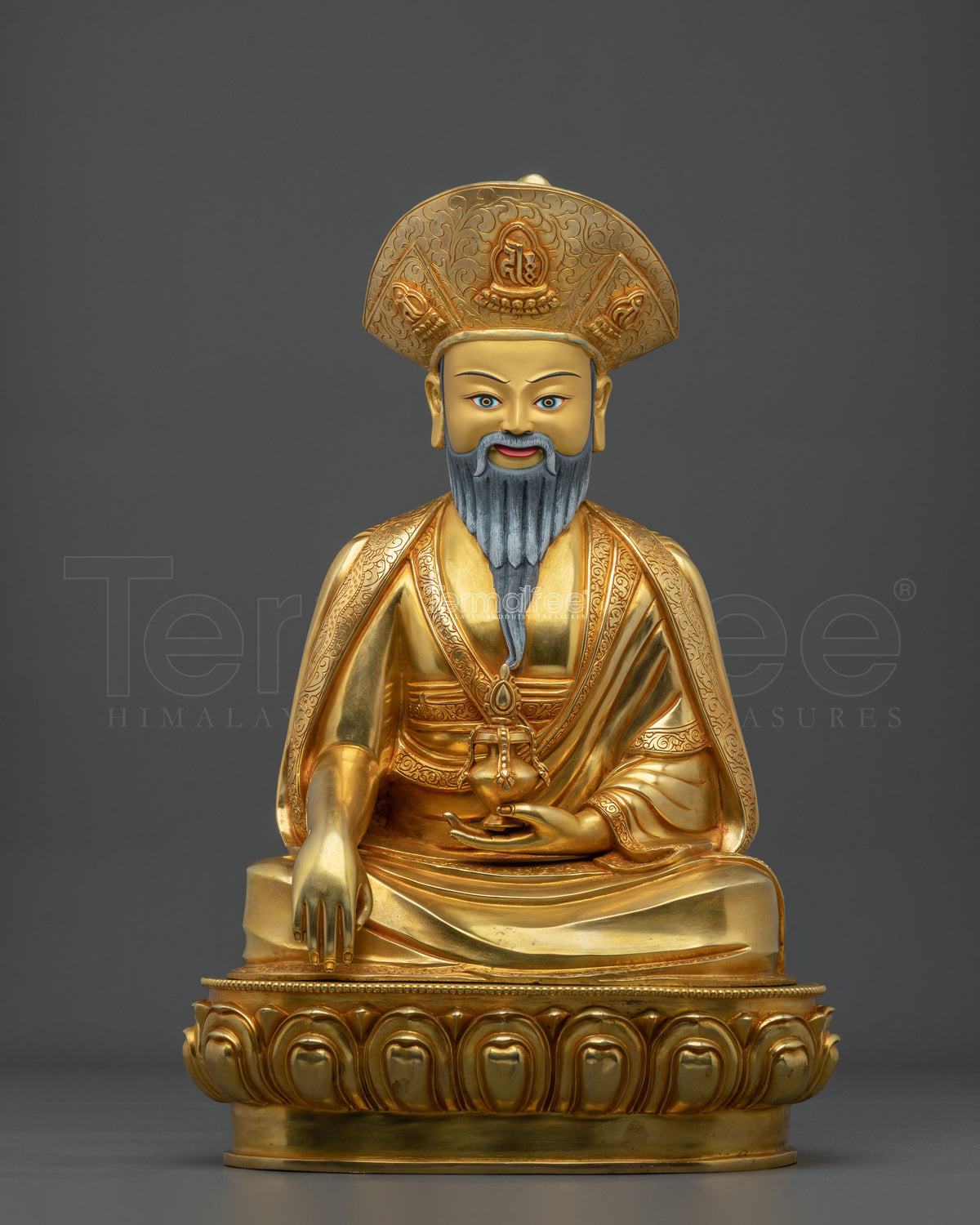
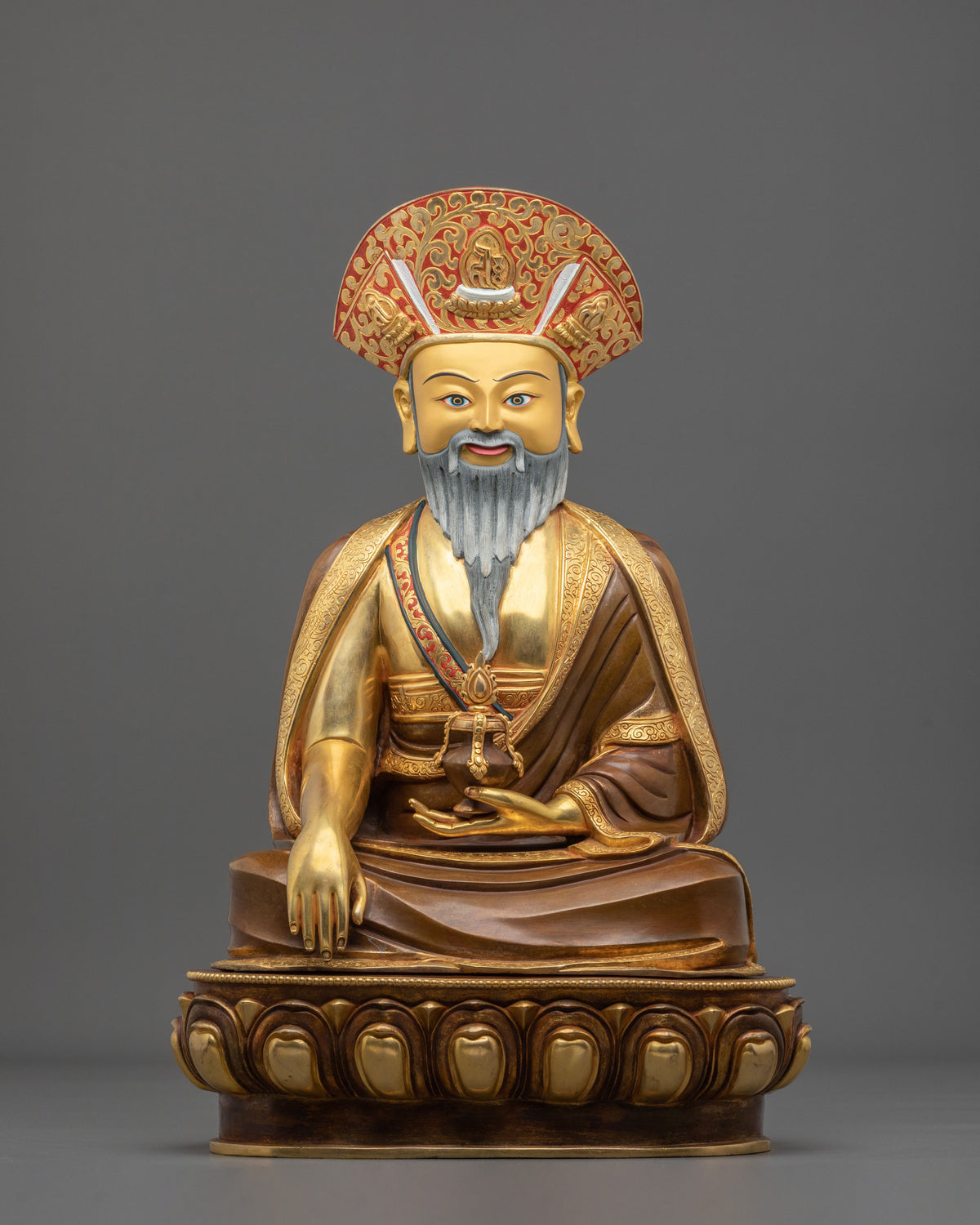
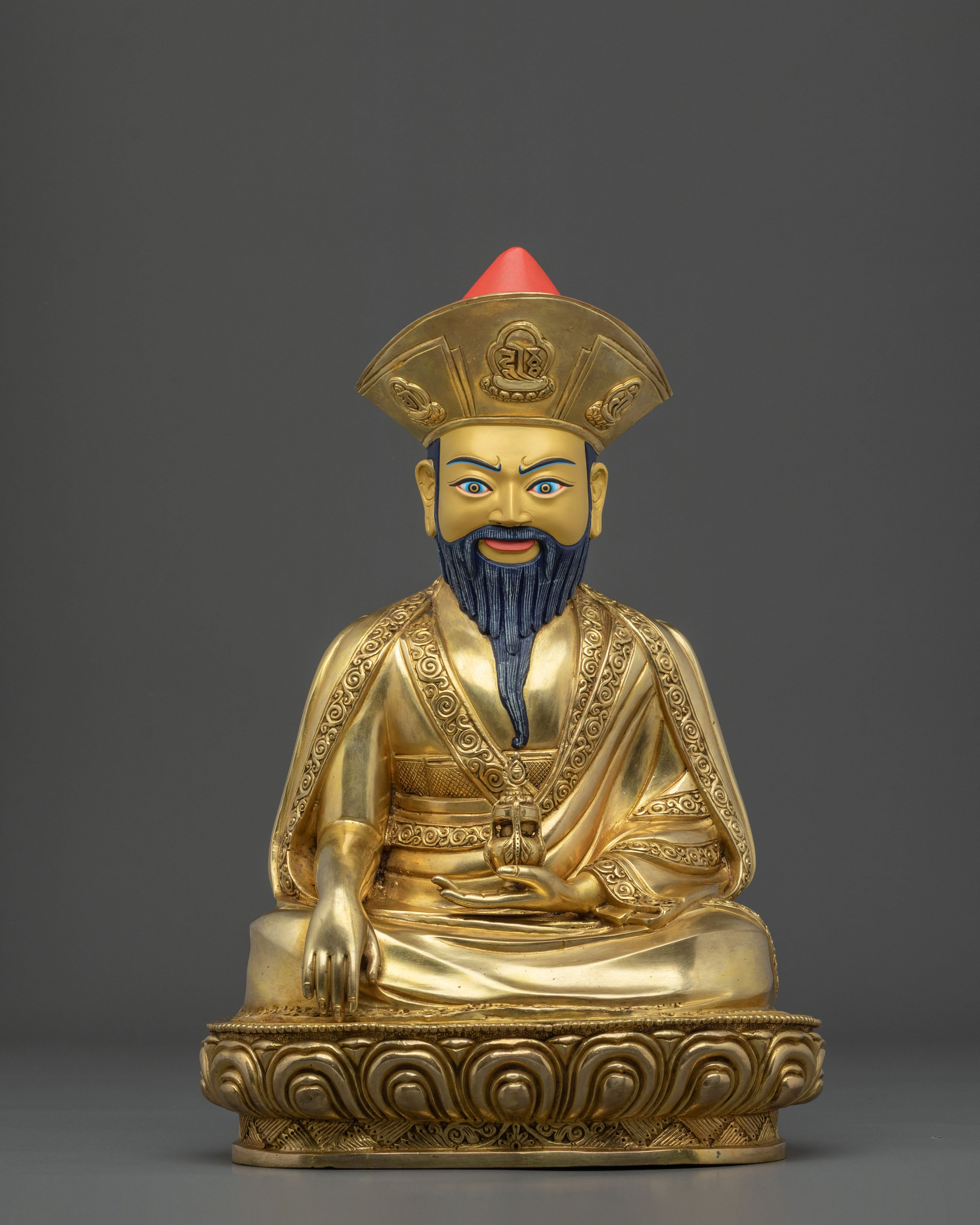
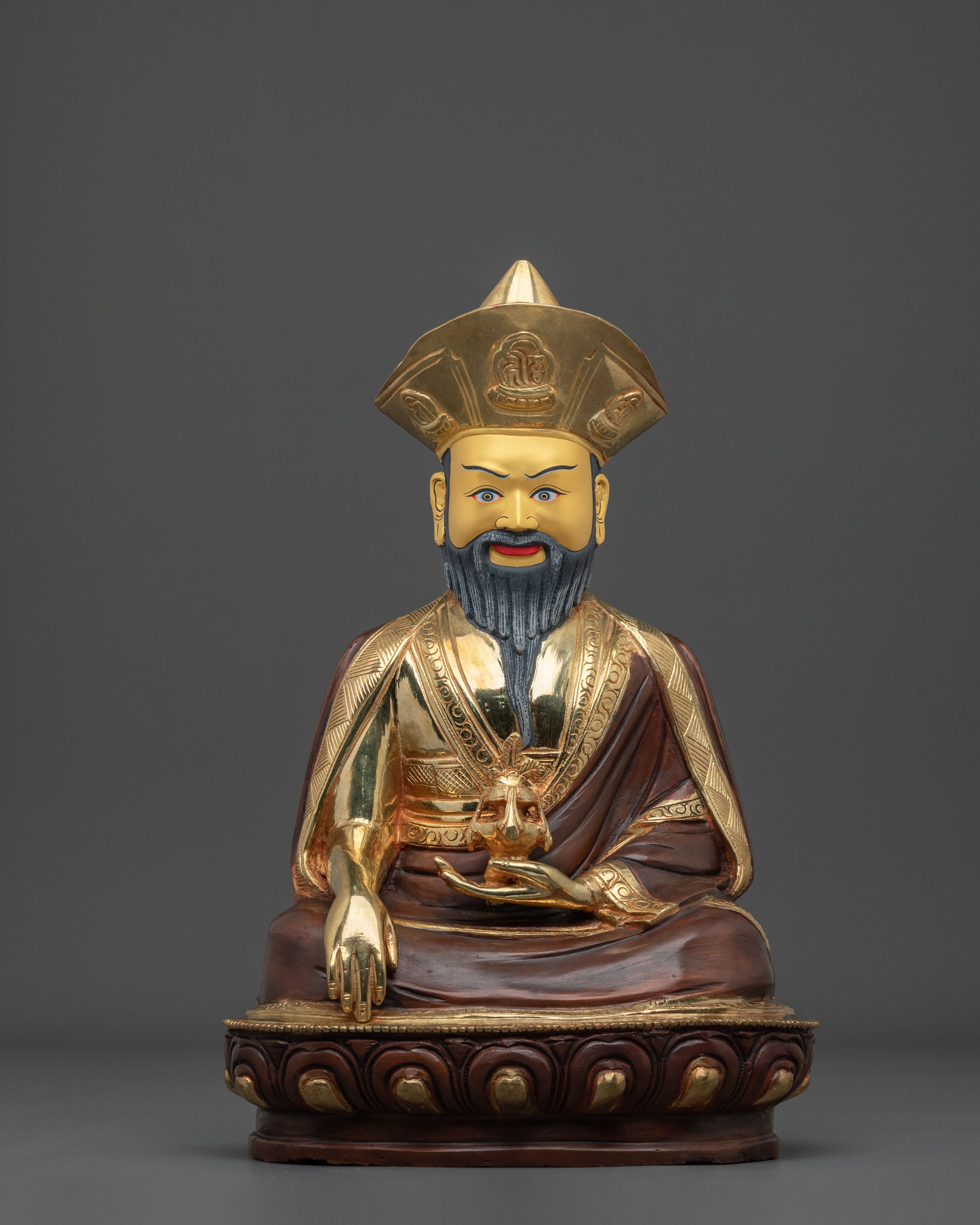
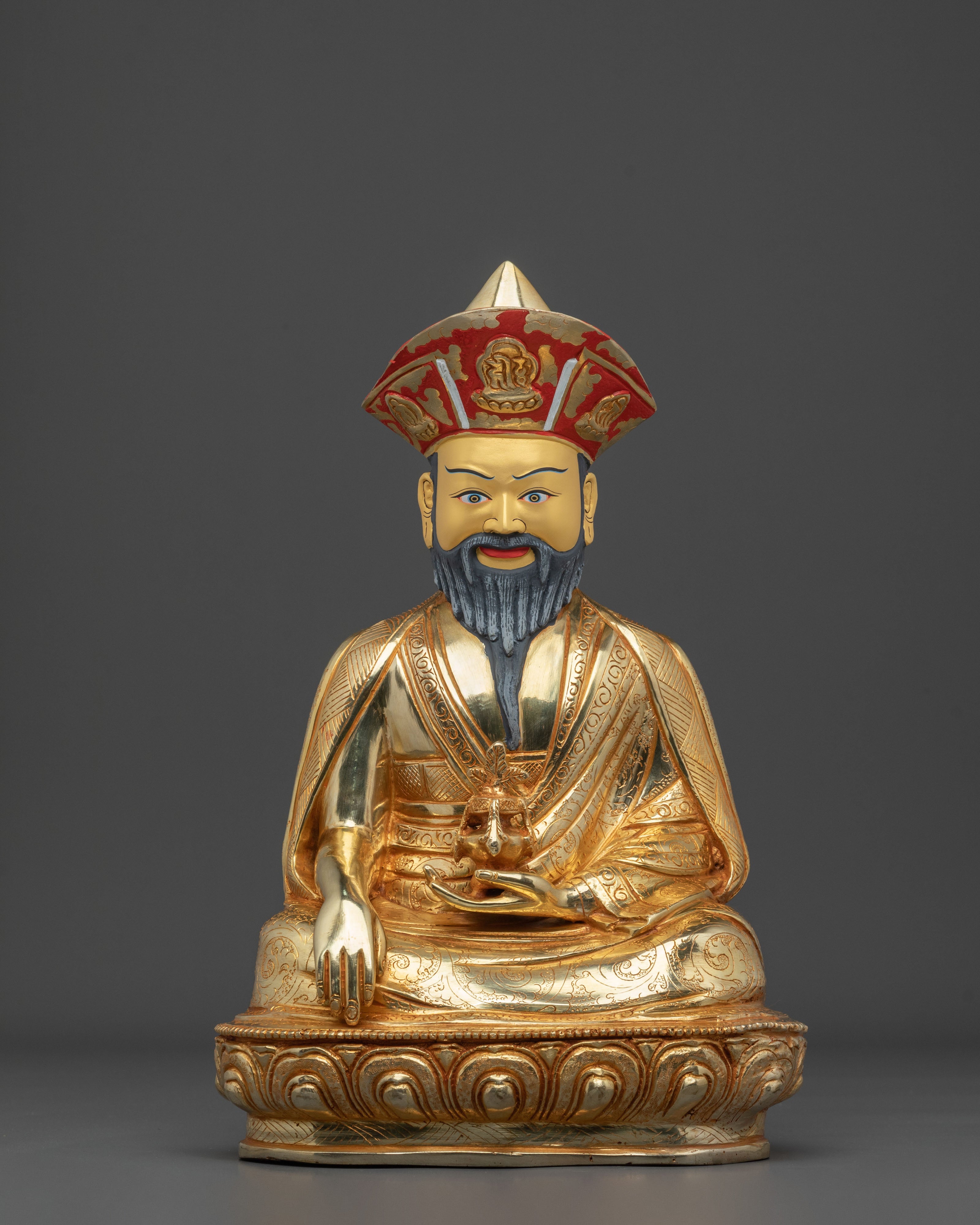
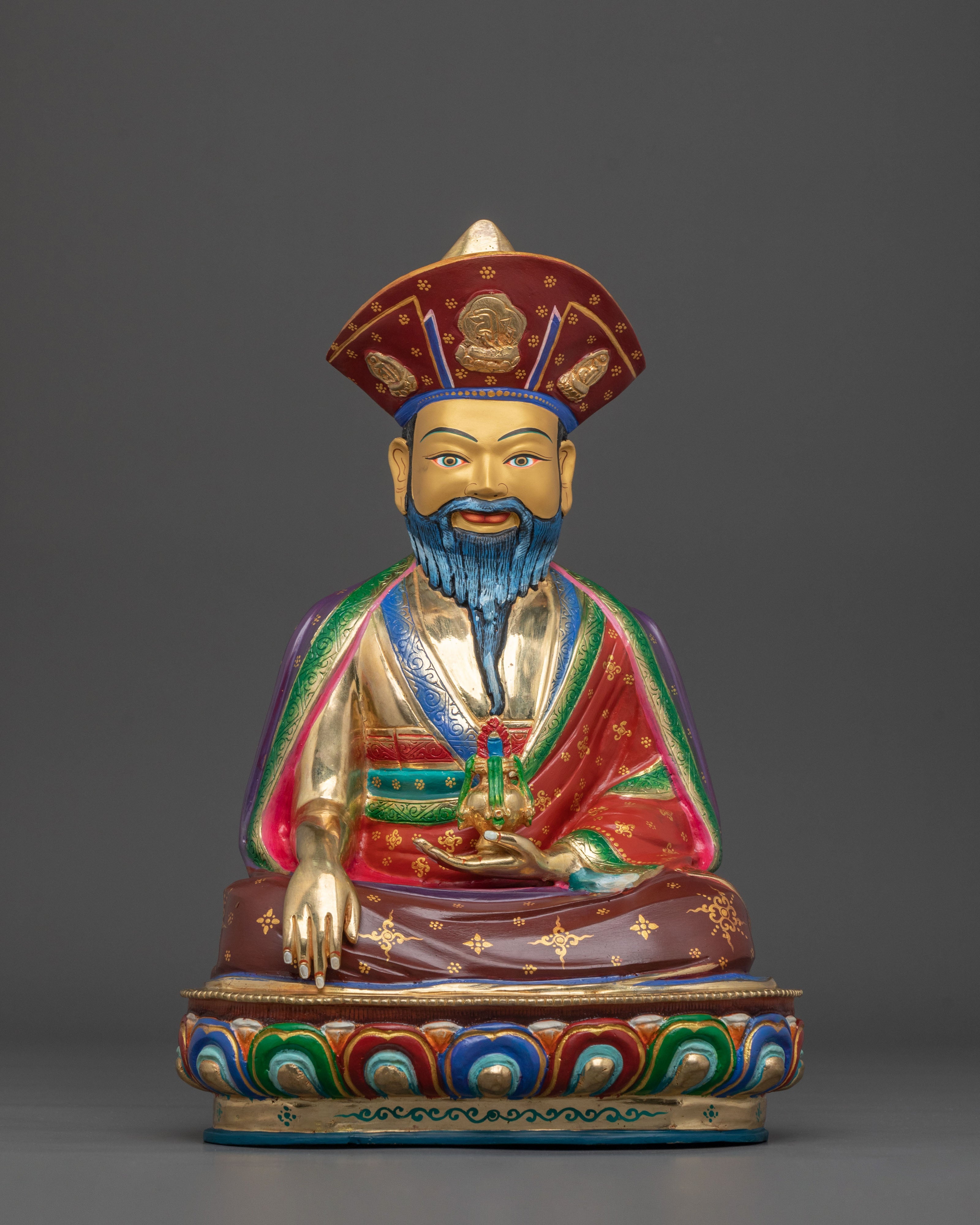
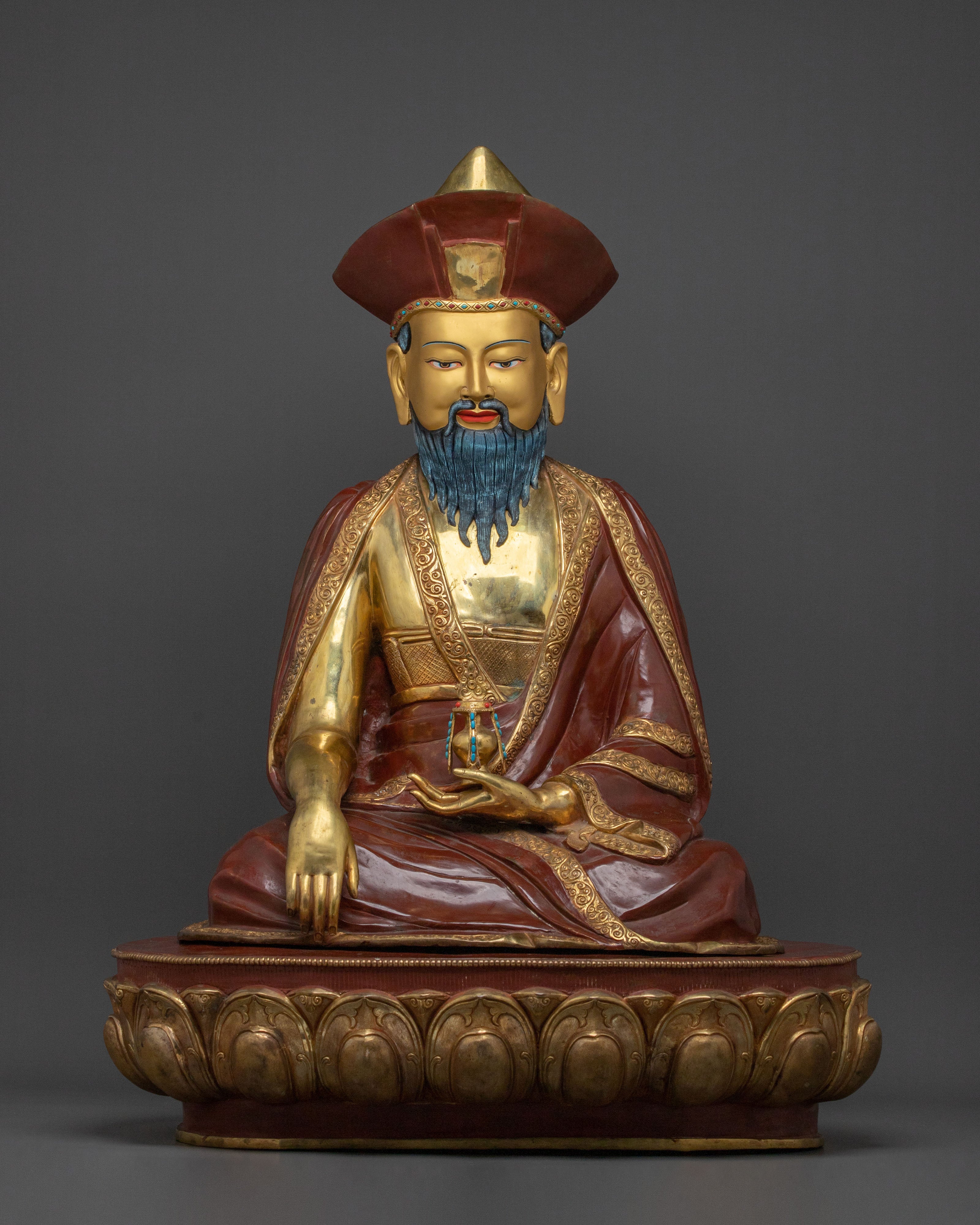
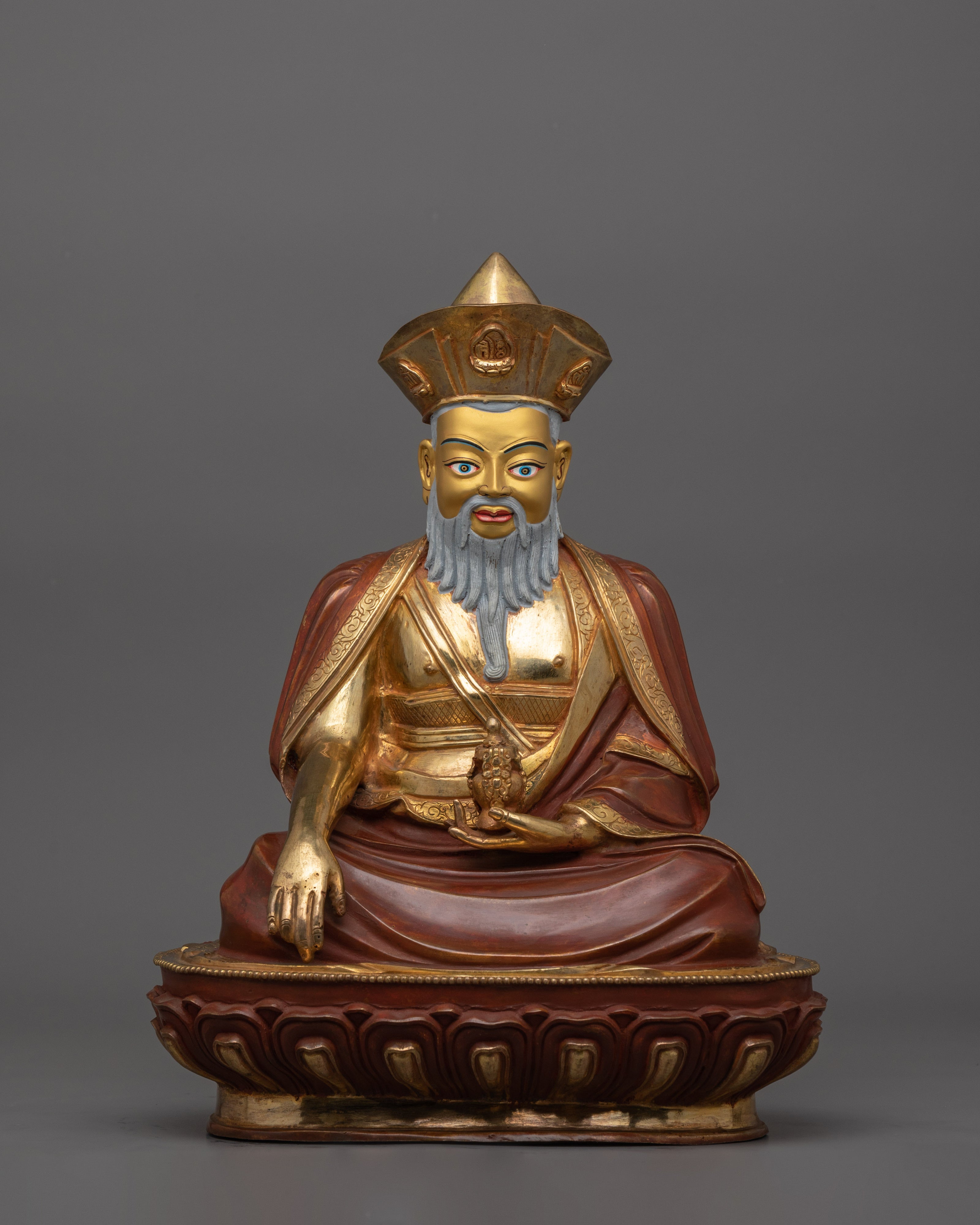
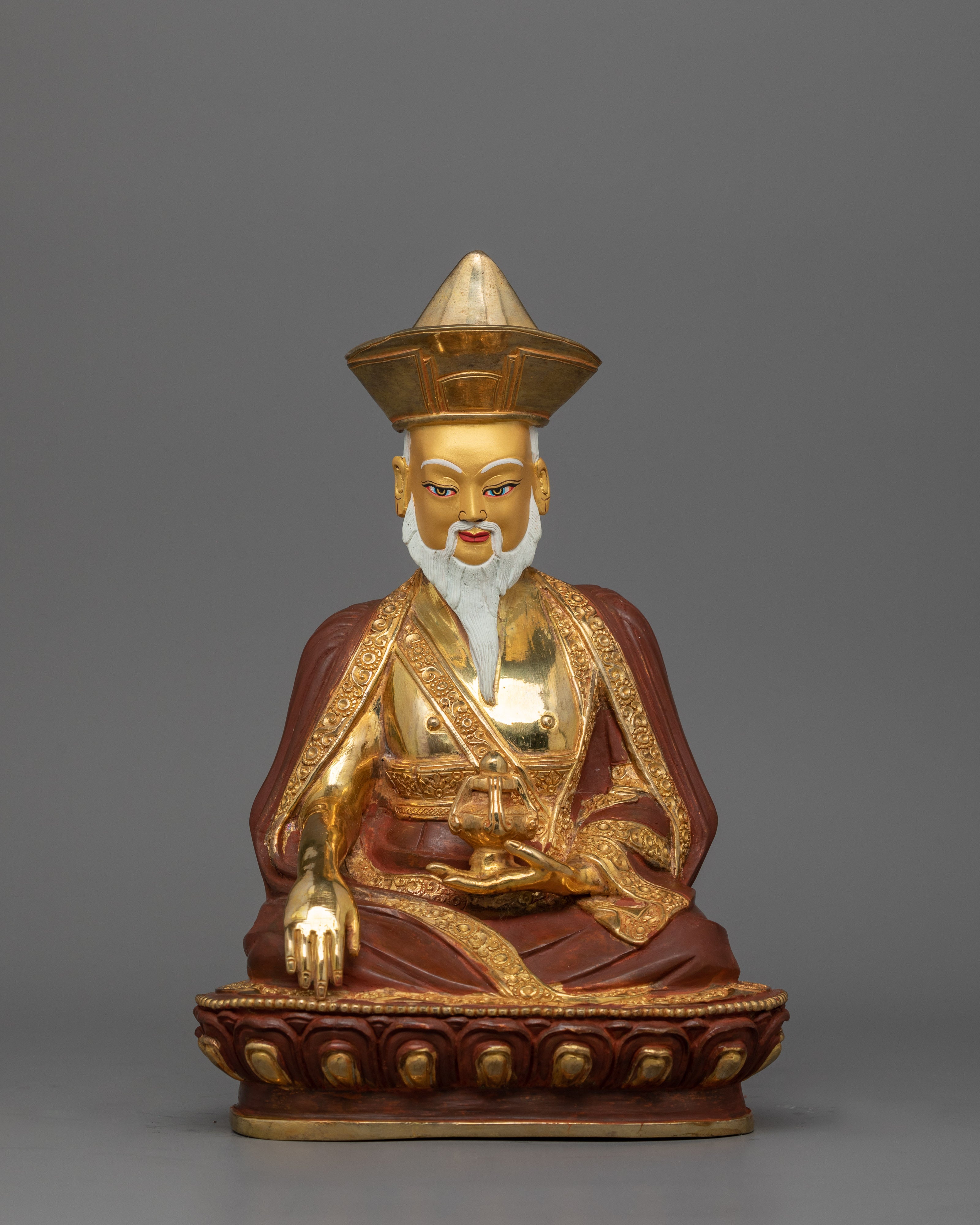
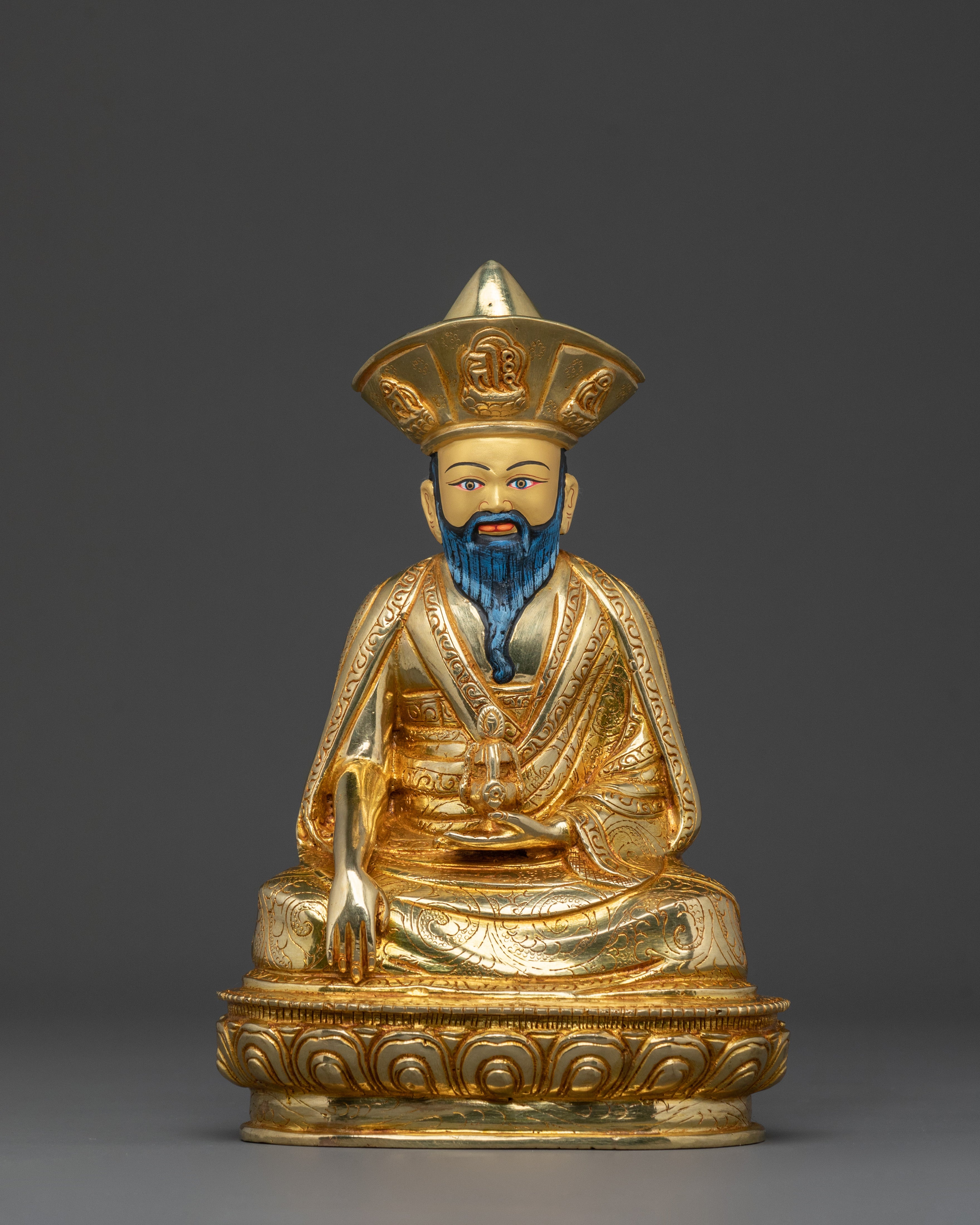
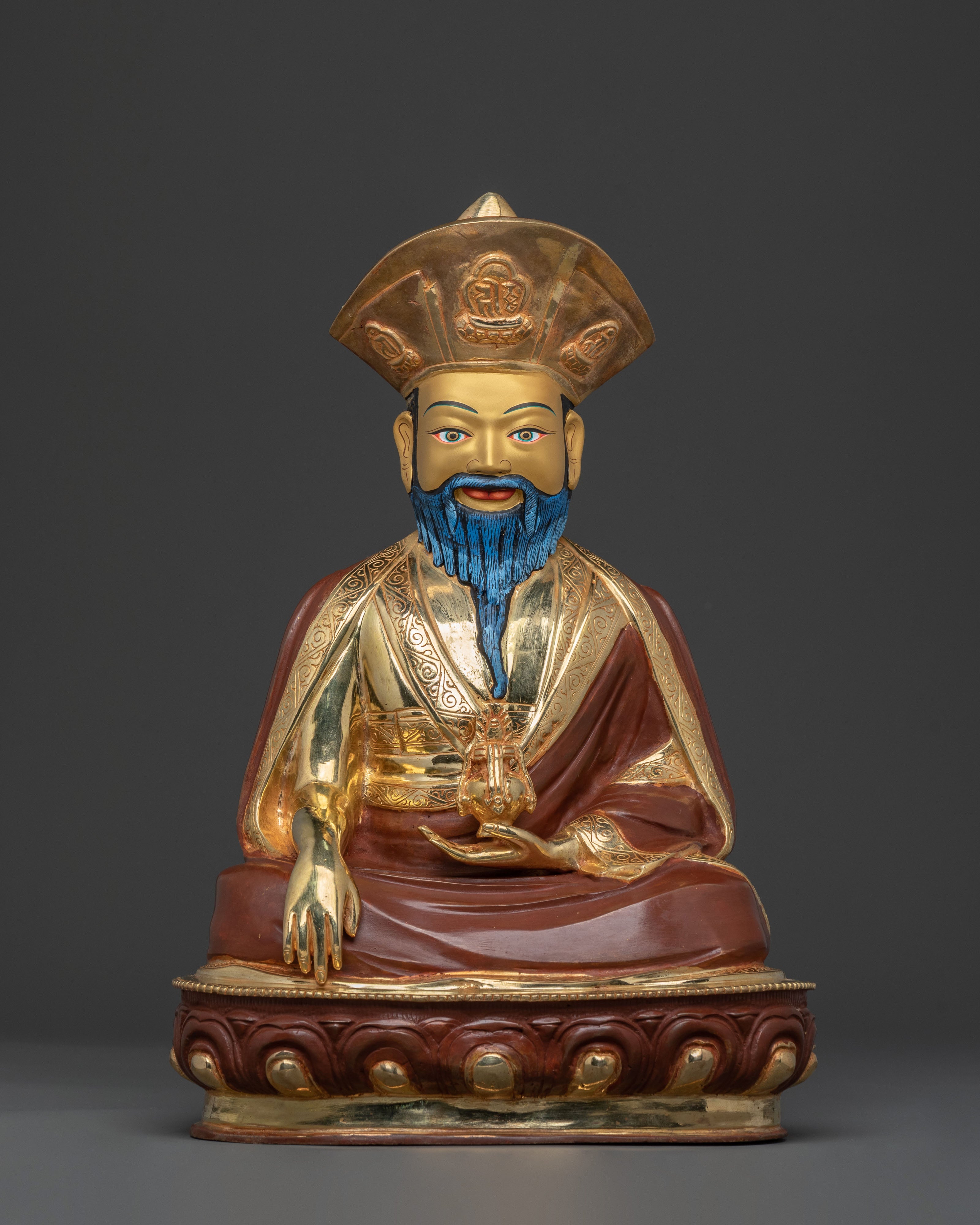
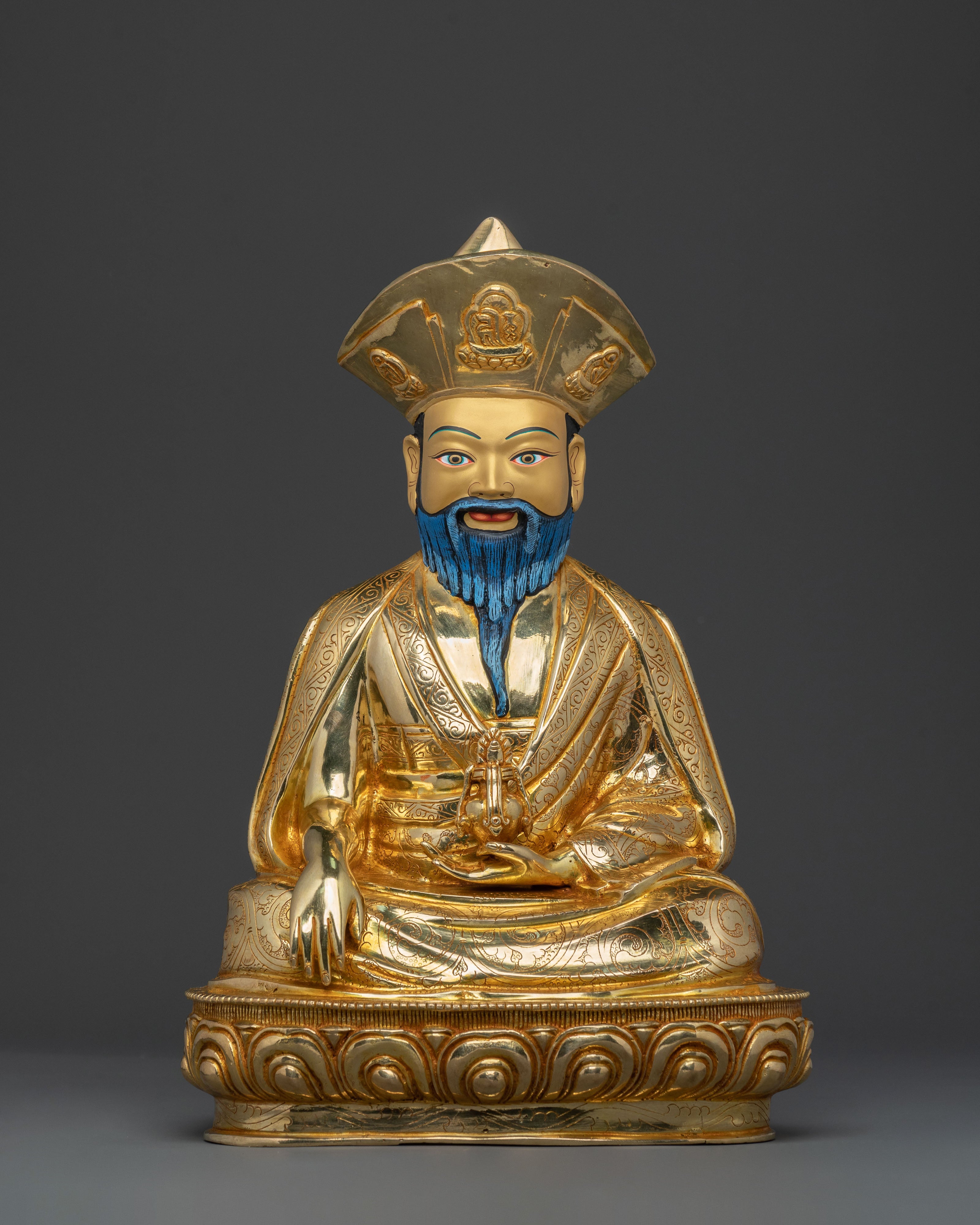
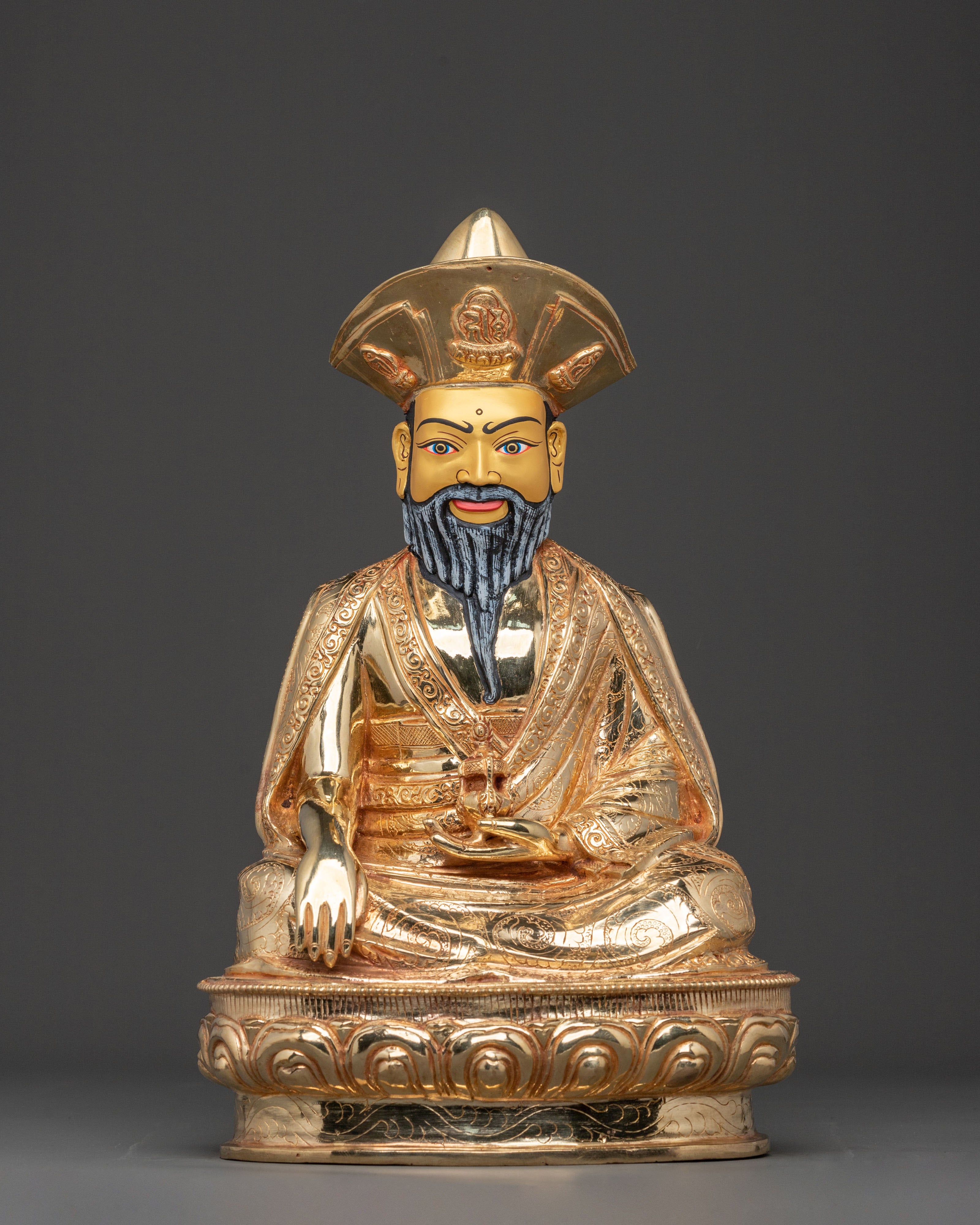
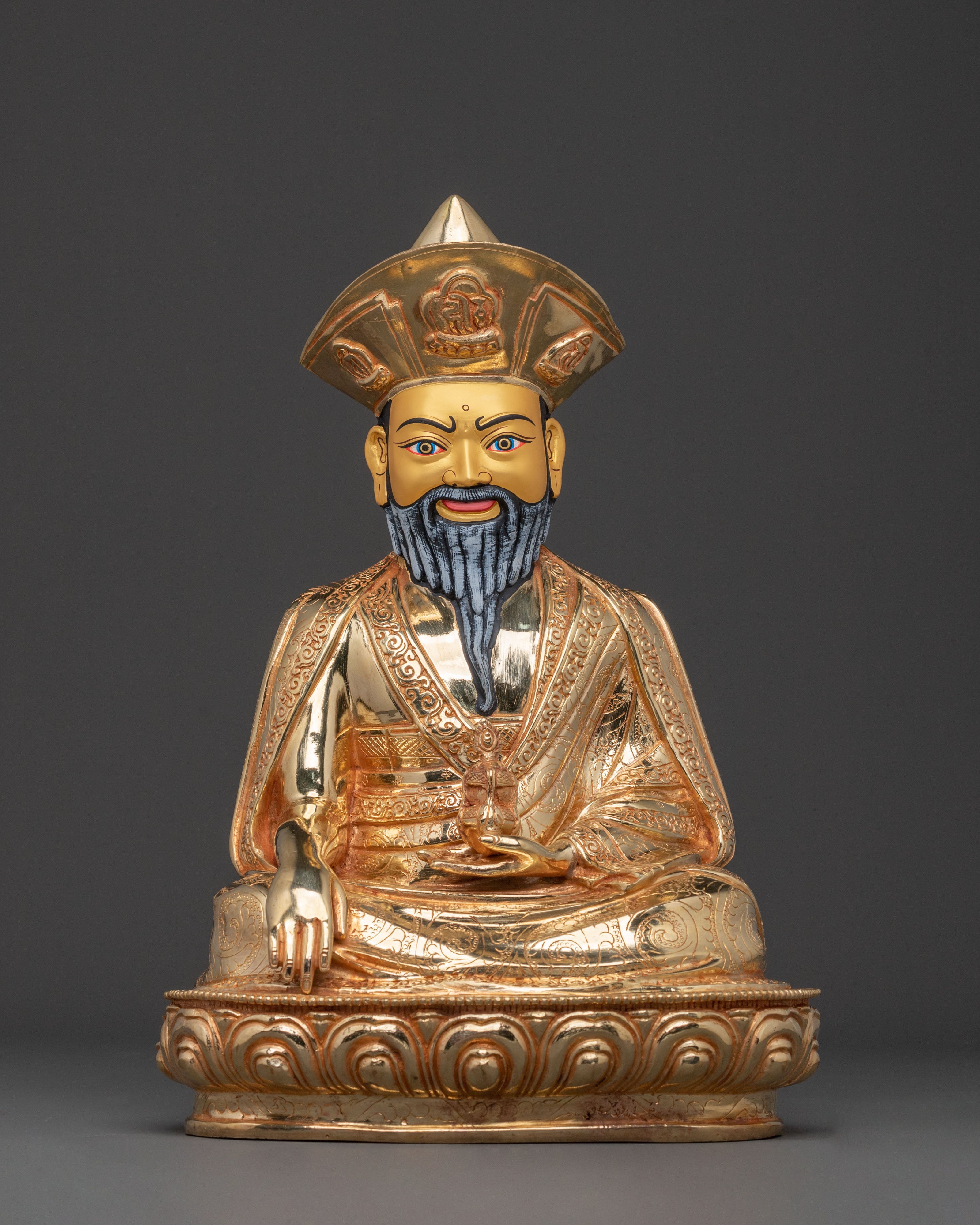
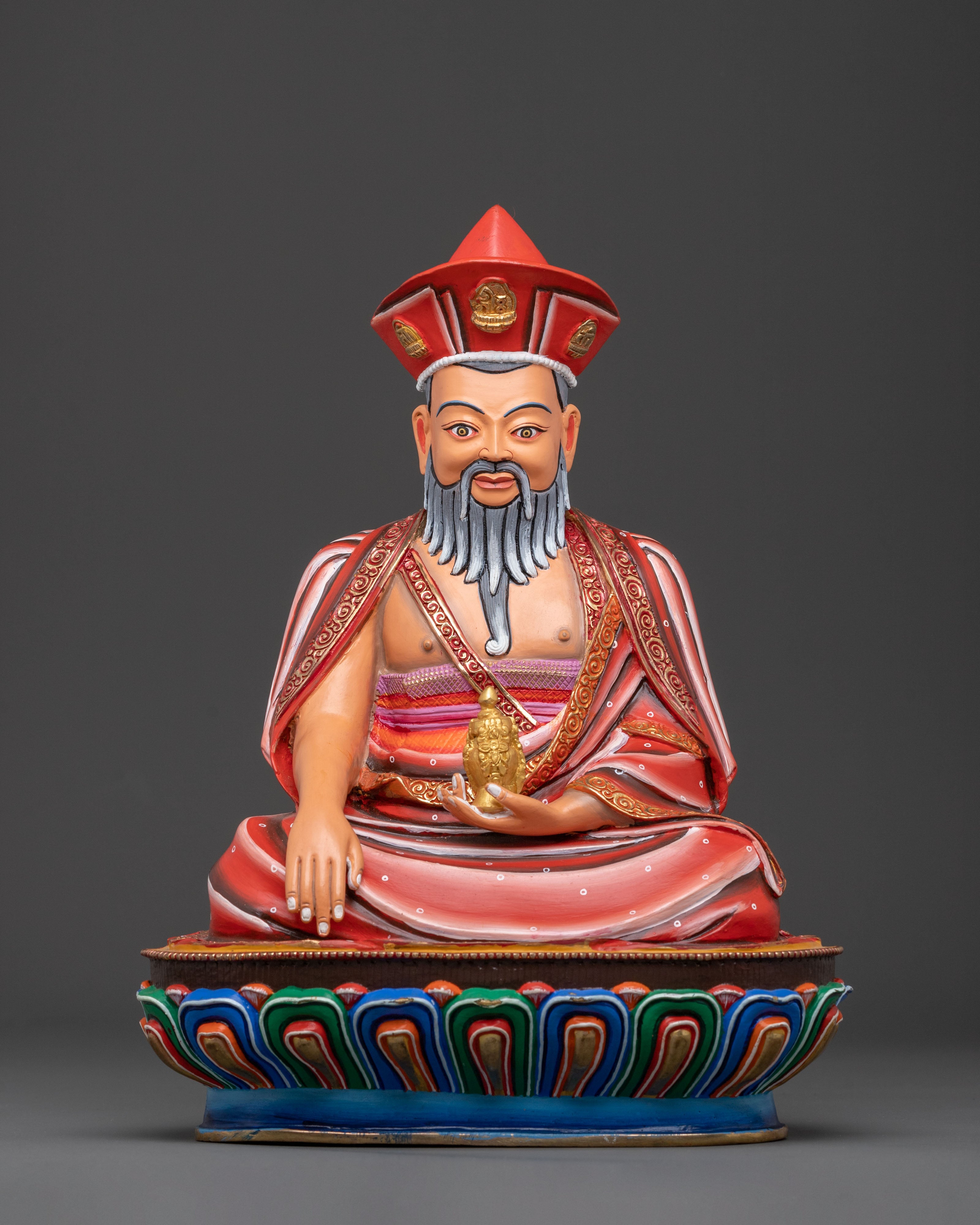
Posture and Mudra: He is often shown seated on a lotus throne (or moon‑disc lotus), symbolizing purity, spiritual elevation, and transcendence from worldly suffering.
Earth‑touching Mudra (Bhumisparsha): In many statues, his right hand touches the earth, a gesture representing his enlightened realization, the calling of the earth to witness his truth, and the solidity of his spiritual grounding.
Sacred Vase (Holy Vase): His left hand often holds a vase (sometimes a “long‑life vase”), symbolizing spiritual abundance, blessings, longevity, and the nectar of immortality, the timeless wisdom and compassion he bestows.
Appearance: Statues of Guru Shapdum often show him as an elder master, sometimes with a white beard, wearing monastic robes and a traditional lama hat signifying venerability, lineage authority, and mastery of the Dharma.
Spiritual Role and Significance
Guru Shapdum serves several important roles within Vajrayana Buddhist practice and devotion:
Protector and Guardian: As a wrathful or empowered manifestation of Guru Rinpoche, Guru Shapdum is invoked for protection from spiritual obstacles, negative energies, inner demons, and hindrances on the path to enlightenment. Devotees pray to him for safeguarding their practice and progress.
Spiritual Guide and Lineage Holder: He represents the guru principle, the transmission of wisdom, blessings, teachings, and empowerment from lineage masters to practitioners. Via devotion or guru‑yoga practice, one connects to his enlightened qualities and the deeper currents of tantric lineage.
Support for Meditation and Inner Transformation: By meditating on his form, or having his image present in one’s shrine or altar, practitioners may cultivate inner strength, clarity, and stability. His energy supports overcoming inner obstacles such as ignorance, delusion, and fear, encouraging transformation, growth, and spiritual awakening.
Why Choose a Guru Shapdum Statue?
Placing a Guru Shapdum statue in one’s home, altar, or meditation space can serve as more than mere decoration. Here are reasons many practitioners value having his statue:
Anchor for Protection & Spiritual Safety: The statue symbolizes his protective blessing and acts as a safeguard against negativity, obstacles (internal or external), and spiritual disturbances. It’s a reminder of refuge: in moments of difficulty or doubt, one can turn to Guru Shapdum’s energy for support.
Reminder of Lineage and Guru’s Blessings: Having his image embodies the lineage connection the living transmission of teachings, blessings, and empowerment from enlightened masters to you. For practitioners following Vajrayana paths, this connection is deeply meaningful.
Support for Practice and Meditative Focus: The physical presence of the statue can deepen one’s devotional practices: visualizations, offerings, prayers, or guru‑yoga. It serves as a focal point to align mind, intention, and aspiration toward awakening, discipline, compassion, and wisdom.
Symbol of Wisdom, Compassion, and Spiritual Stability: The iconography the vase, the mudra and the lotus throne carries symbolic meaning that reminds devotees of the values of purity, abundance (spiritual), unwavering resolve, and enlightened wisdom. It helps cultivate inner strength, clarity, and compassionate conduct in daily life.
Cultural & Artistic Value: Connecting to the Himalayan Buddhist Tradition: Many Guru Shapdum statues are handcrafted by master artisans in Nepal and the Himalayan regions. Choosing such a statue supports traditional craftsmanship and allows you to honor and keep alive the Himalayan Buddhist cultural heritage while enriching your personal spiritual space.