Dzambhala: The Buddhist Deity of Wealth, Prosperity and Spiritual Abundance
Dzambhala (also spelled Jambhala or Dzambala) is a revered Buddhist wealth‑deity, associated with material prosperity, spiritual abundance, and the alleviation of poverty and hardship. He is considered part of the “Jewel Family” (the Buddha family associated with wealth, generosity, and abundance) and, in many traditions, an emanation of compassionate figures such as Avalokiteshvara (Chenrezig) or linked to Kubera (the Hindu god of wealth), though in a distinctly Buddhist context.
Iconography & Depictions
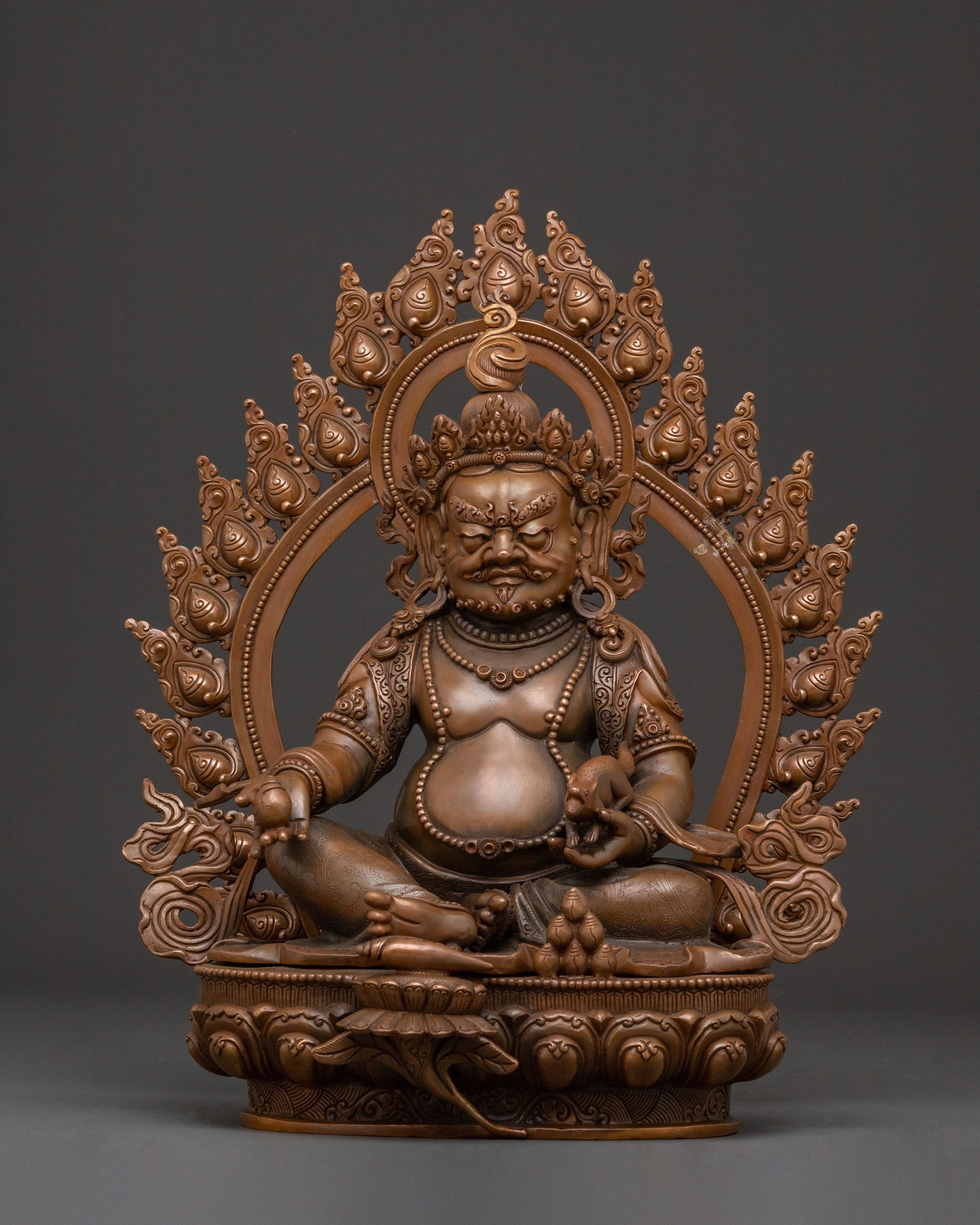
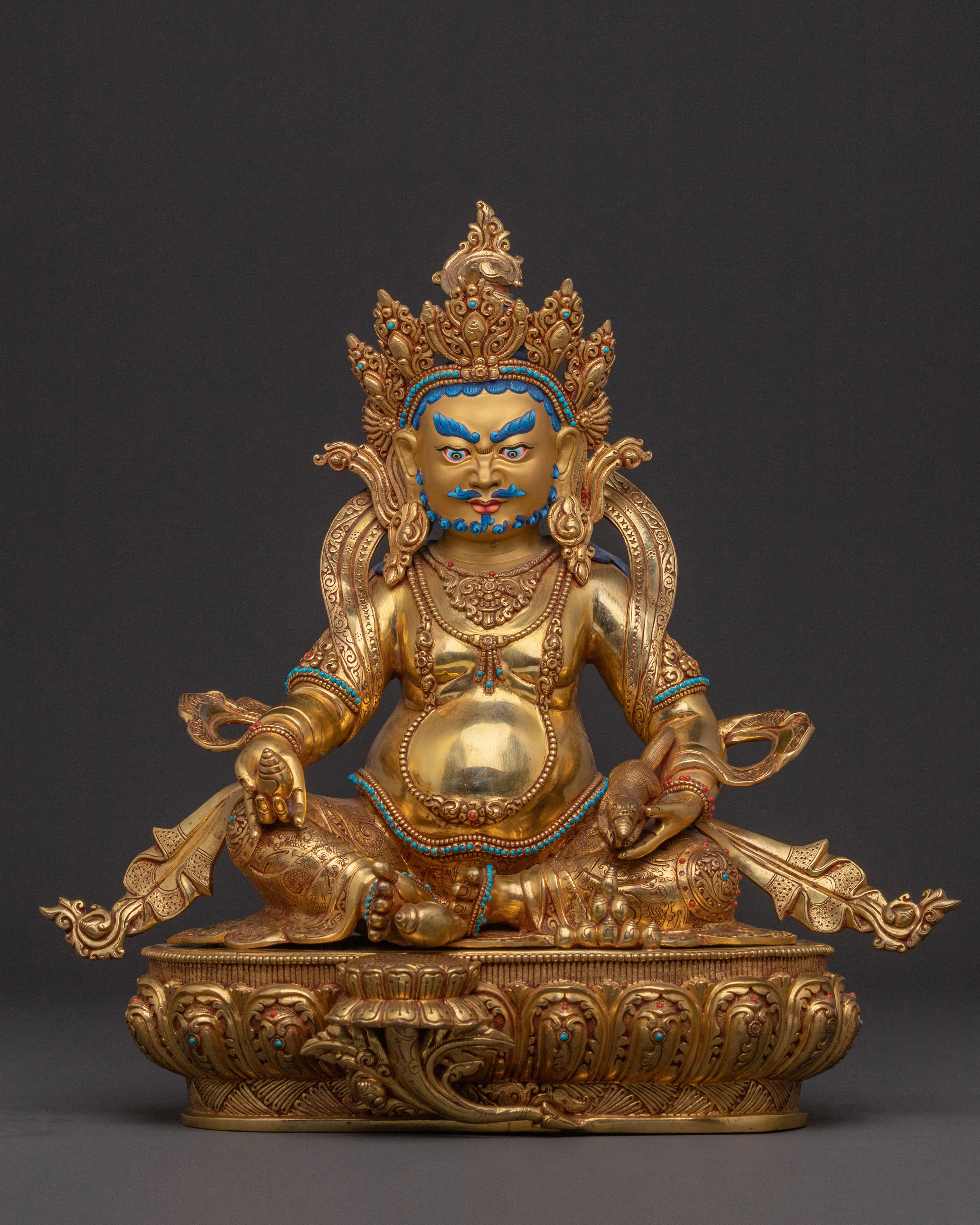
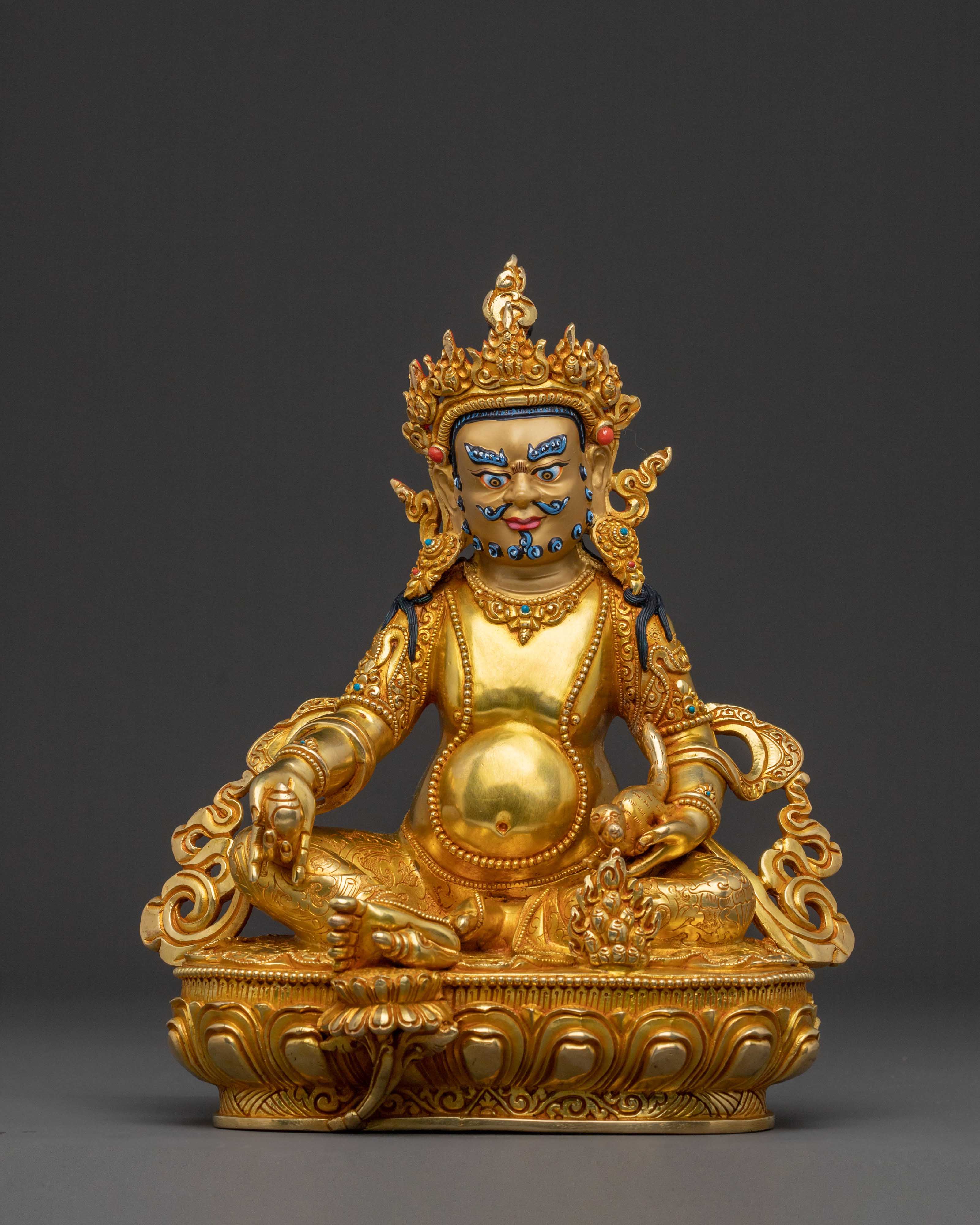
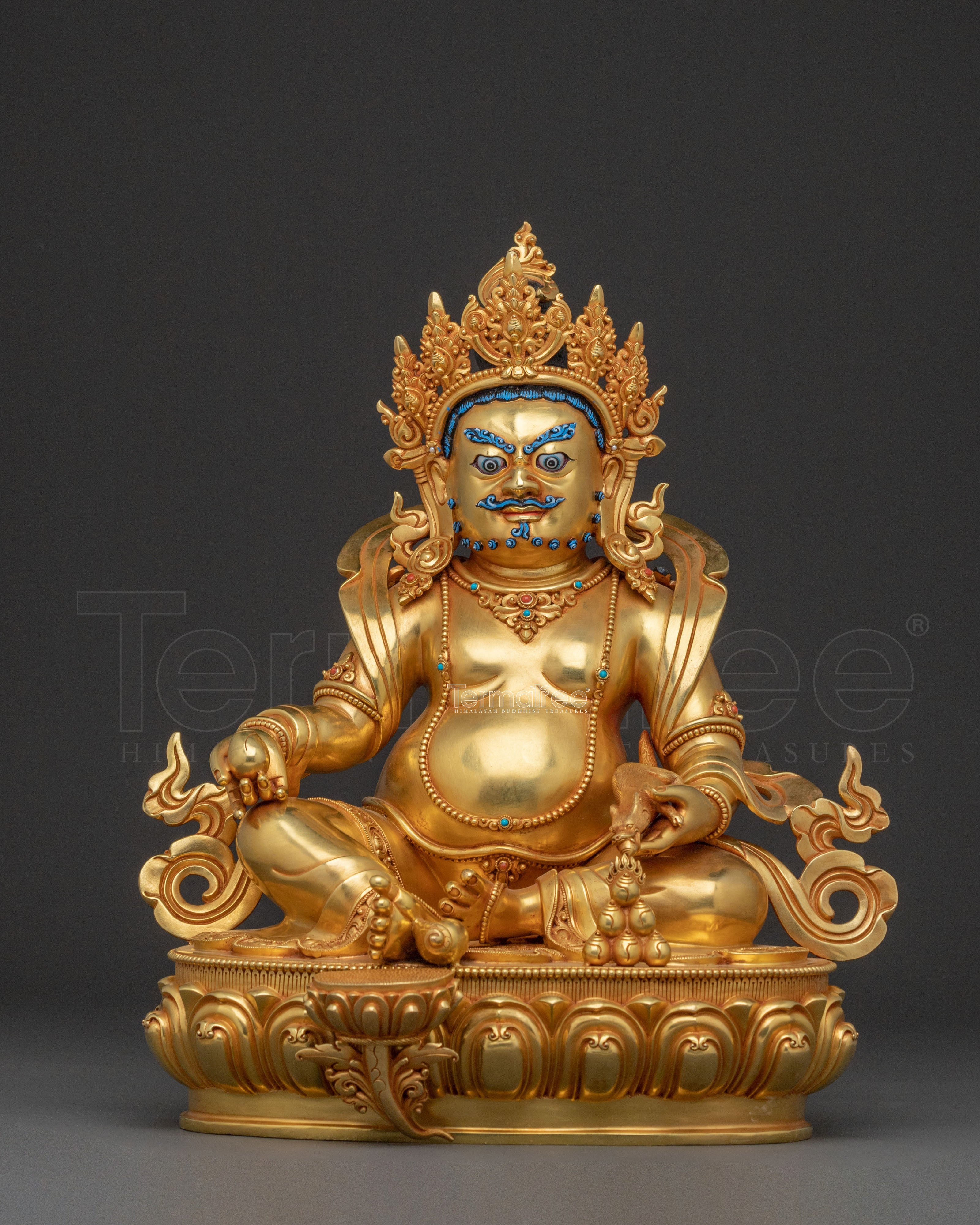
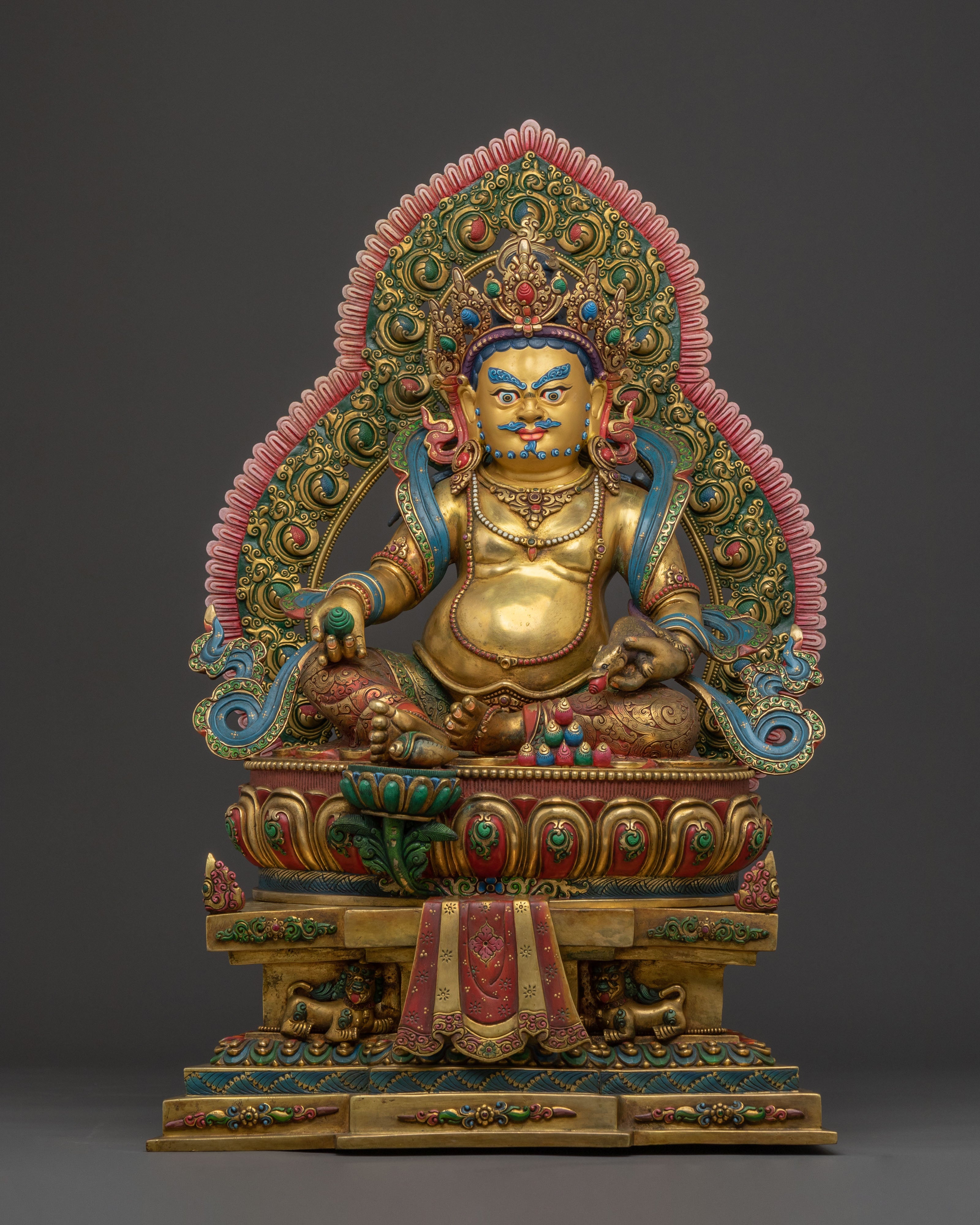
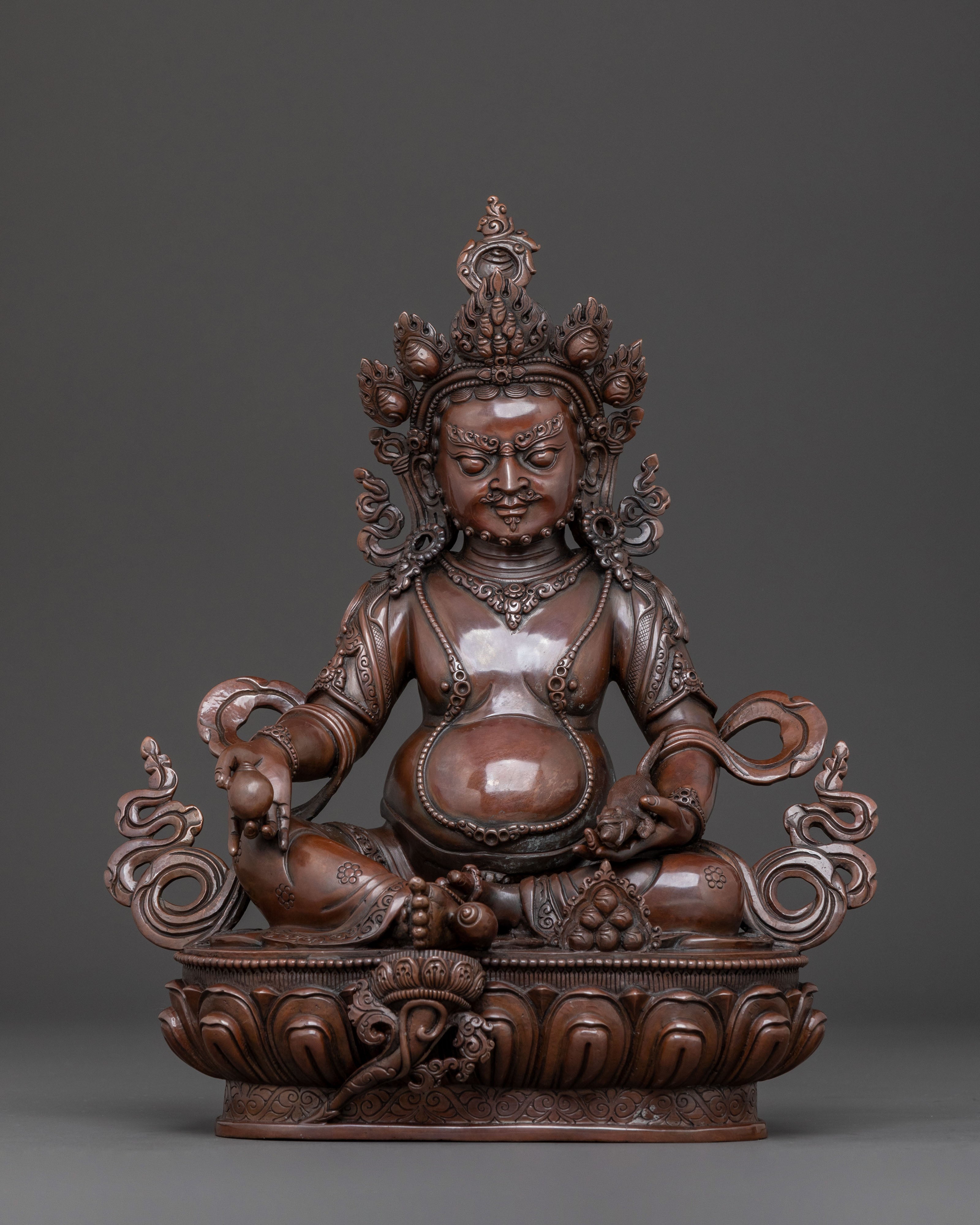
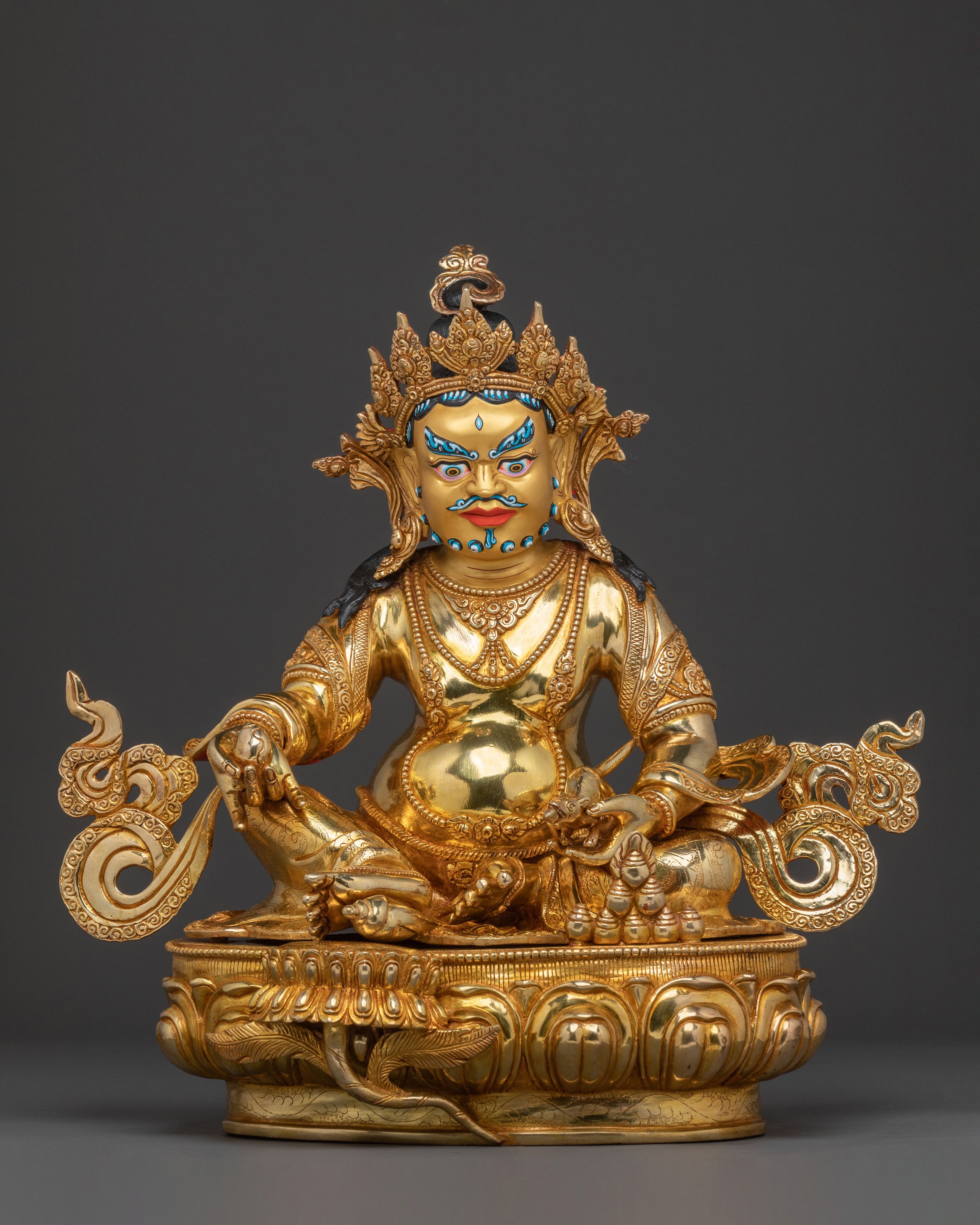
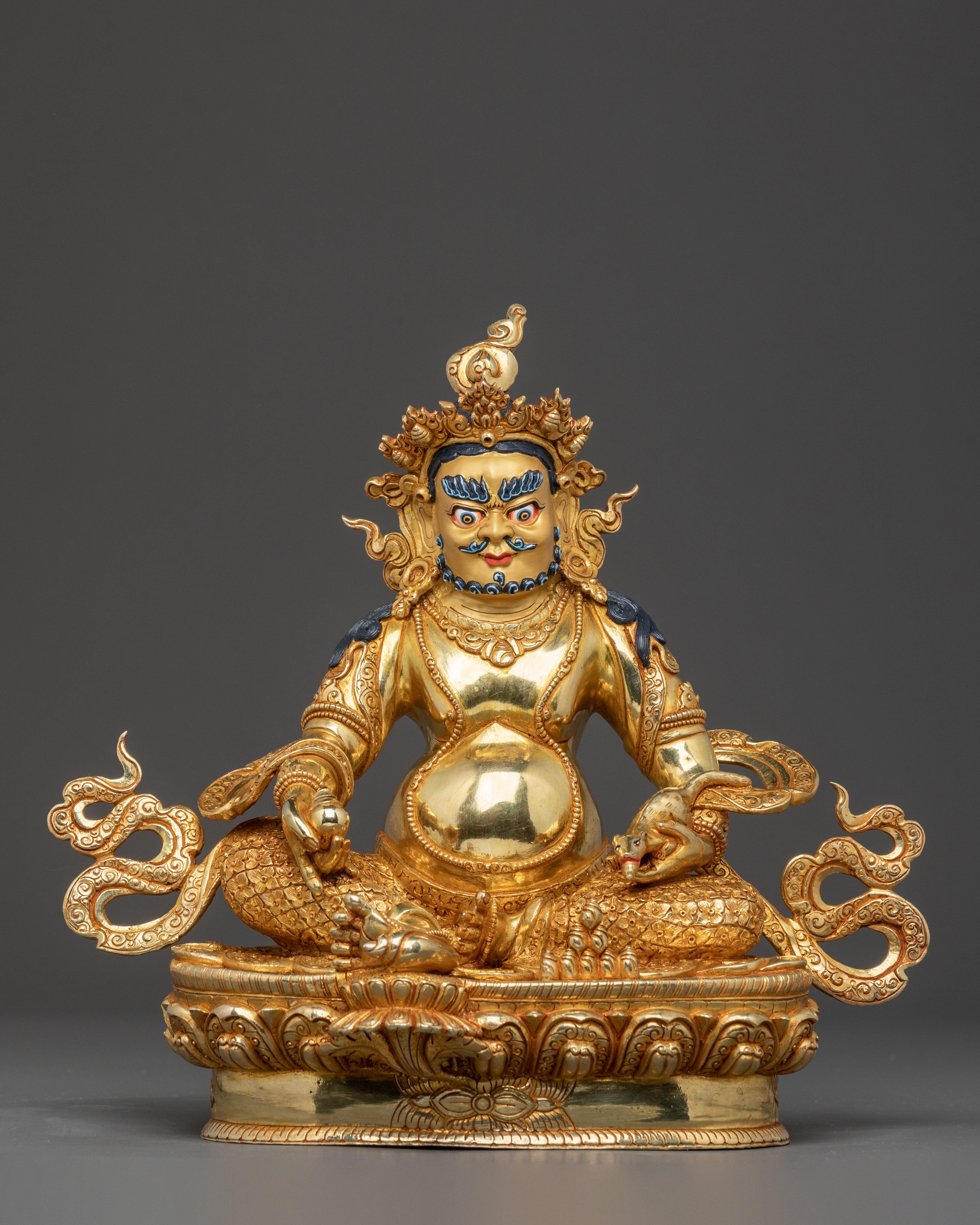
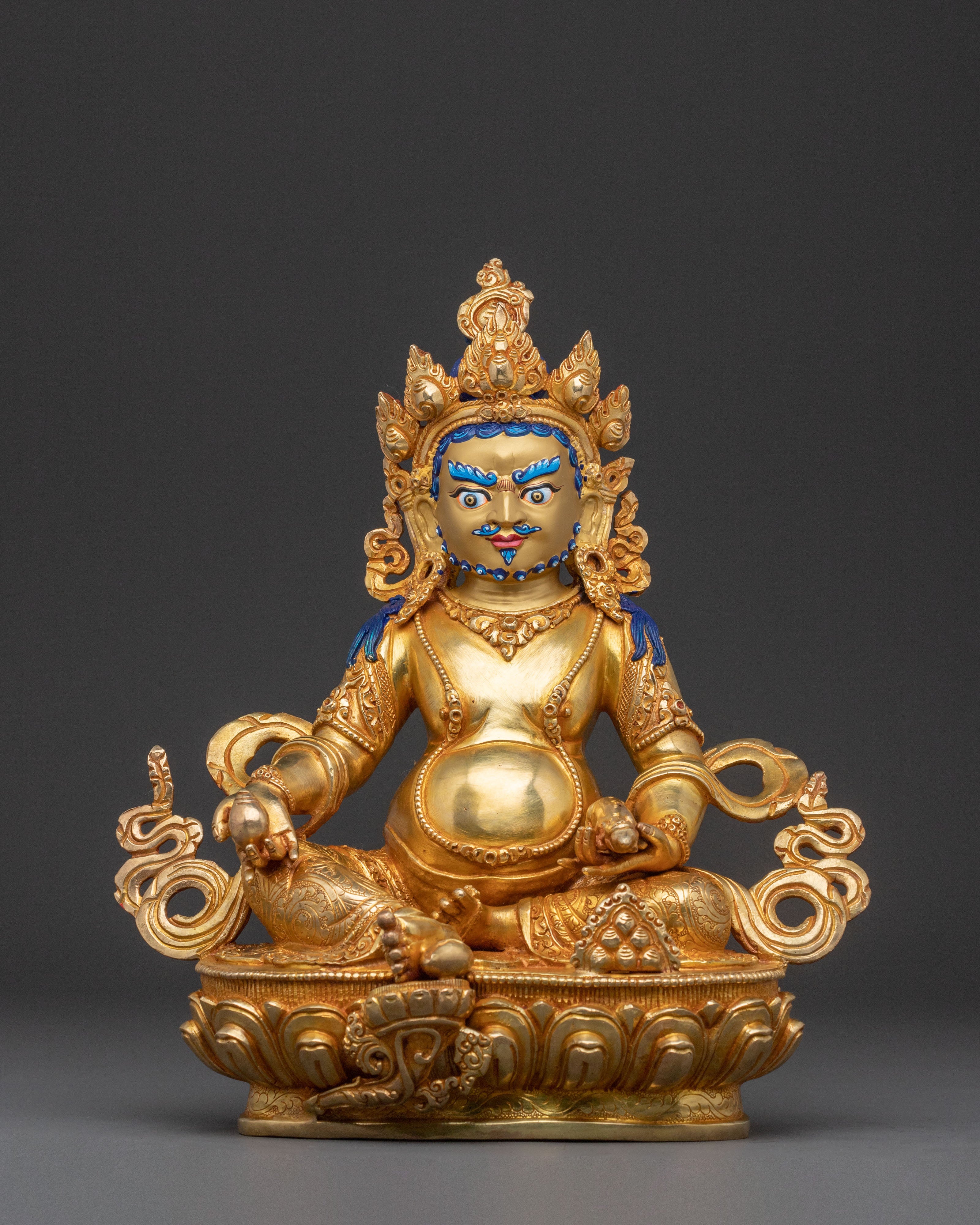
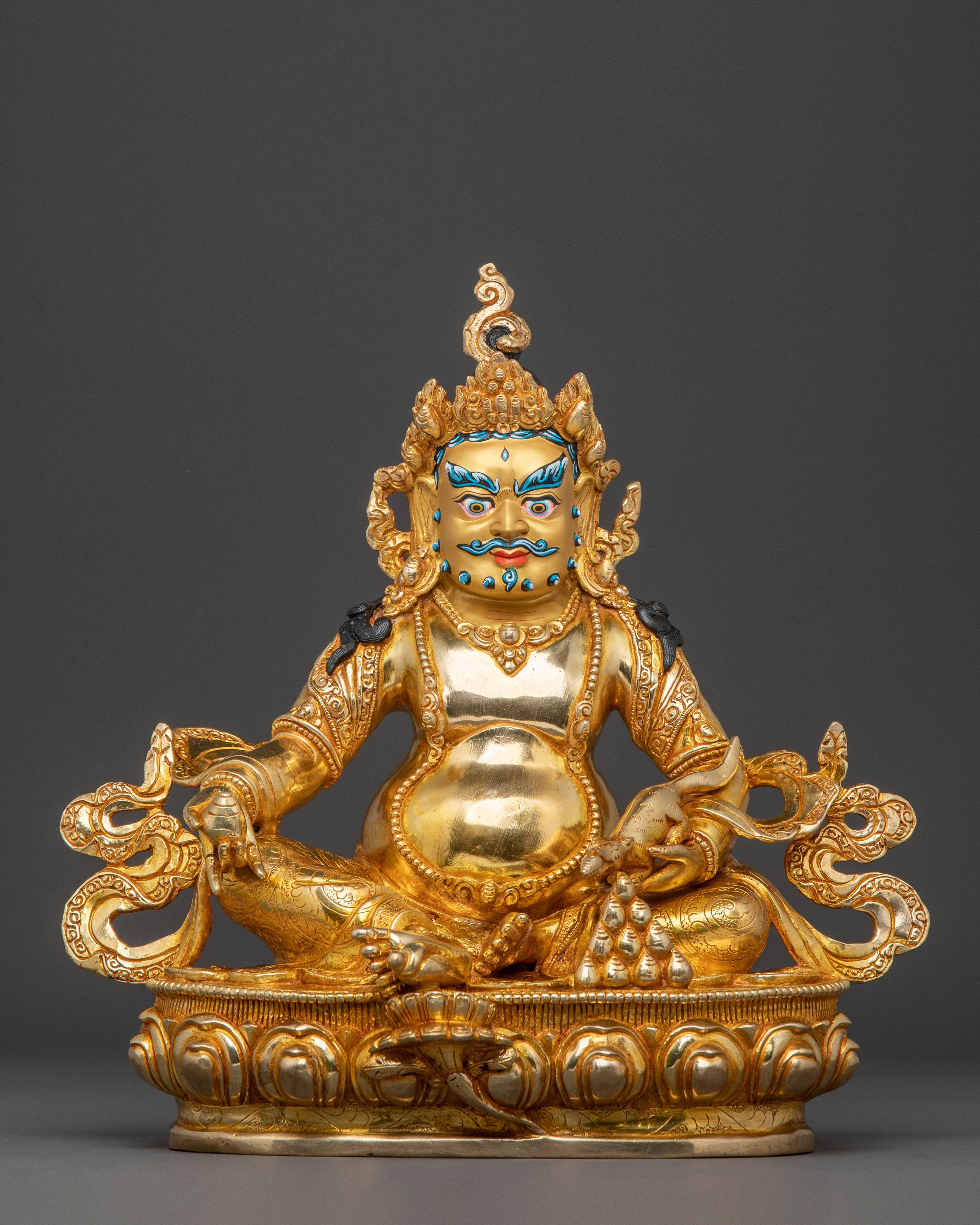
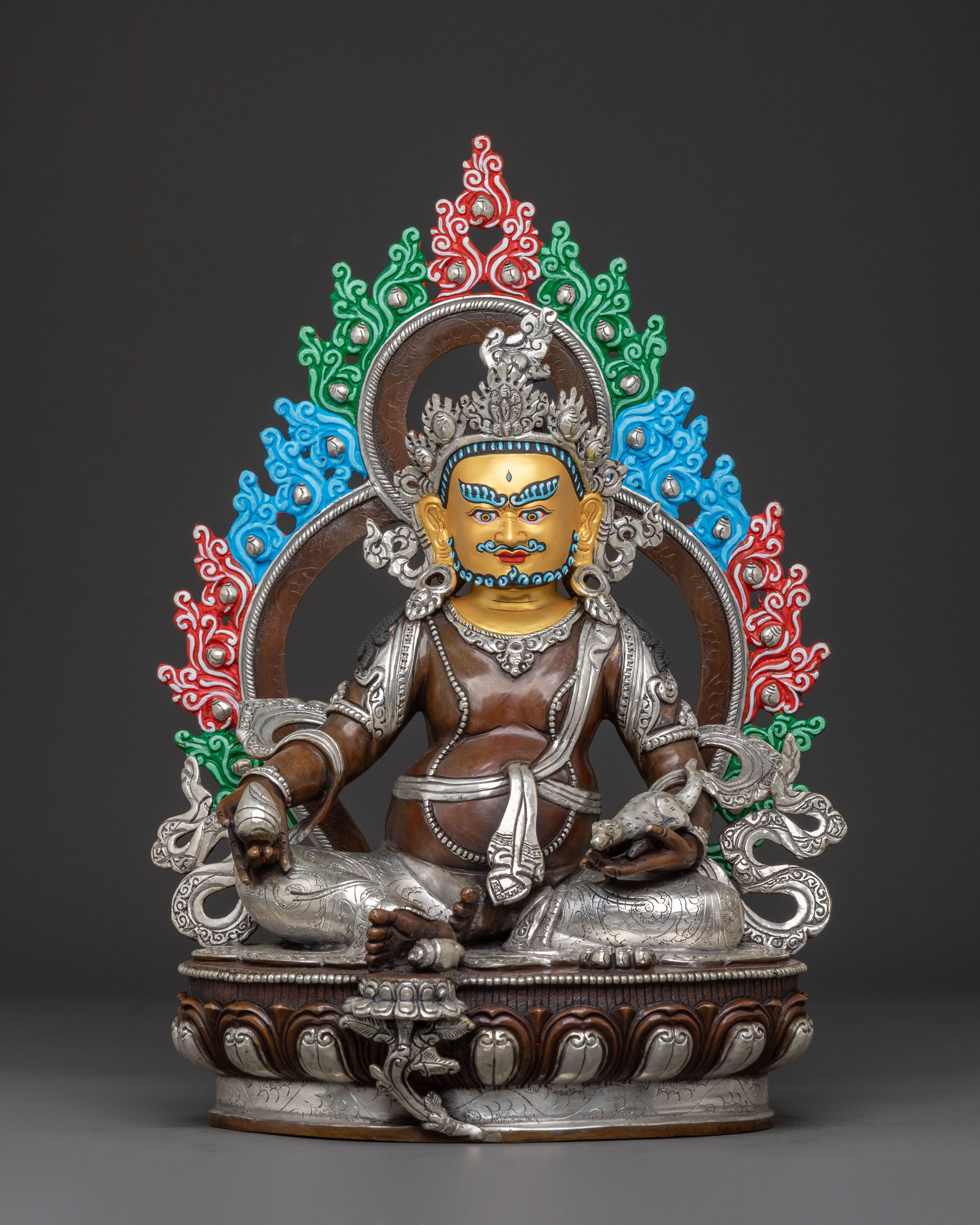
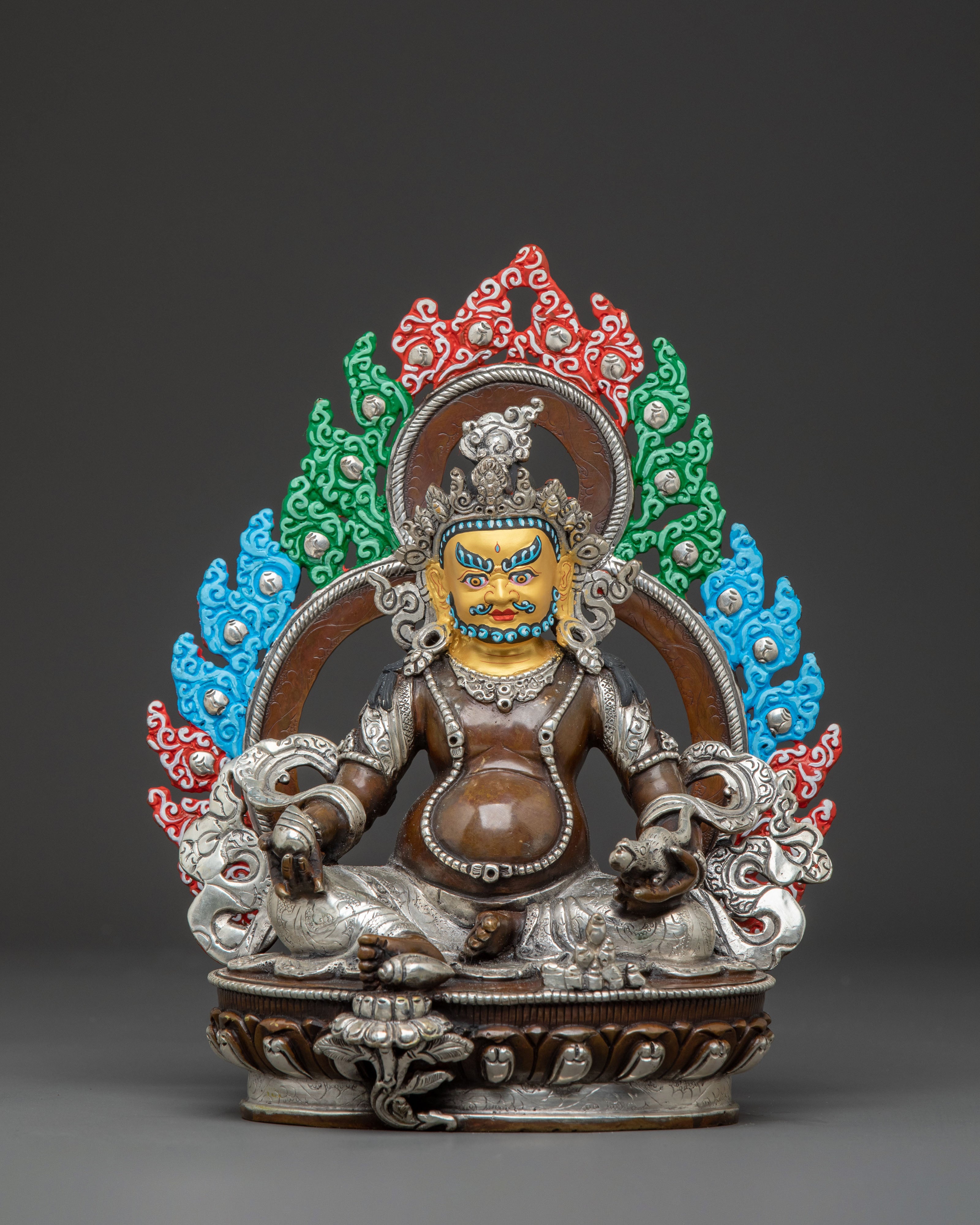
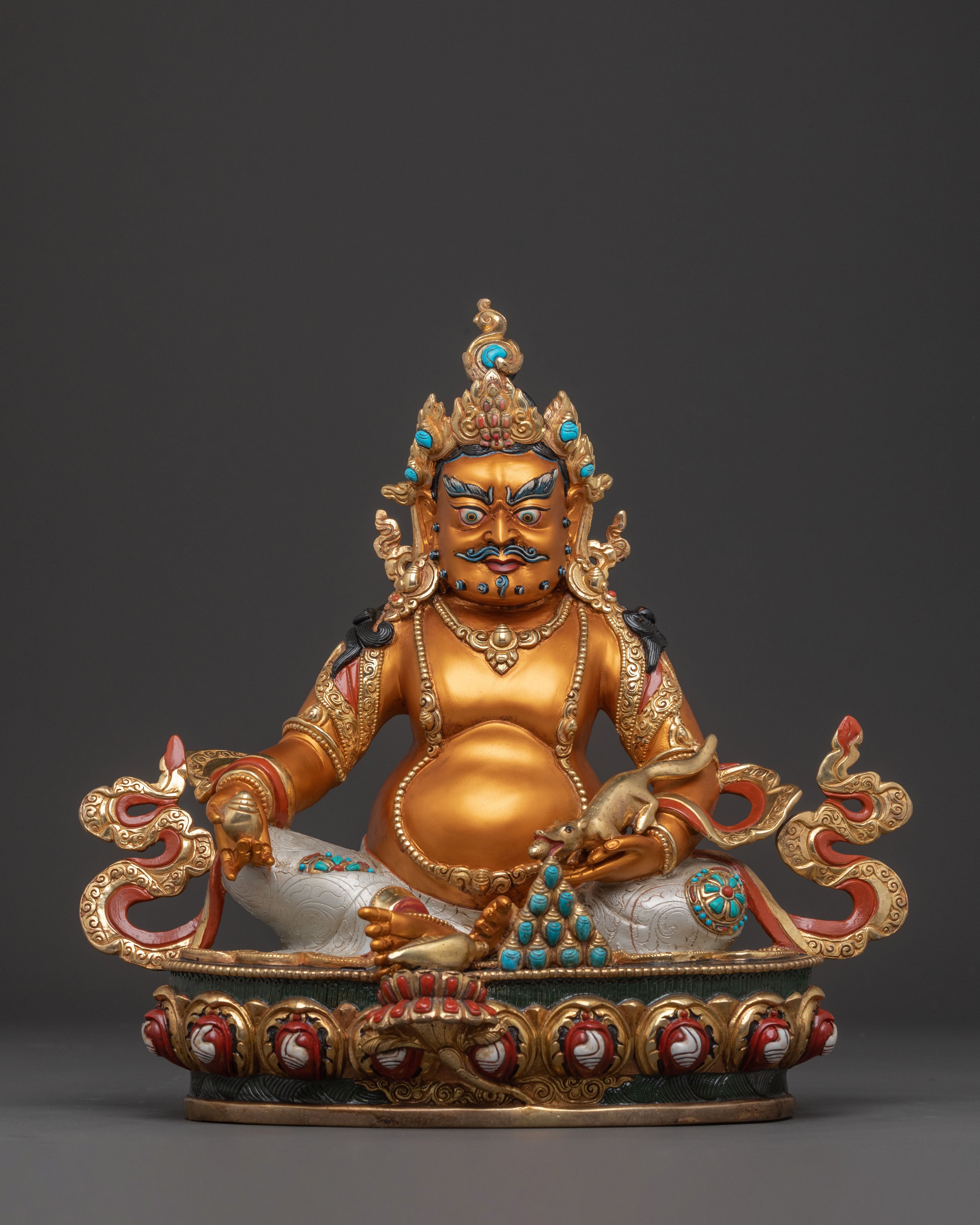
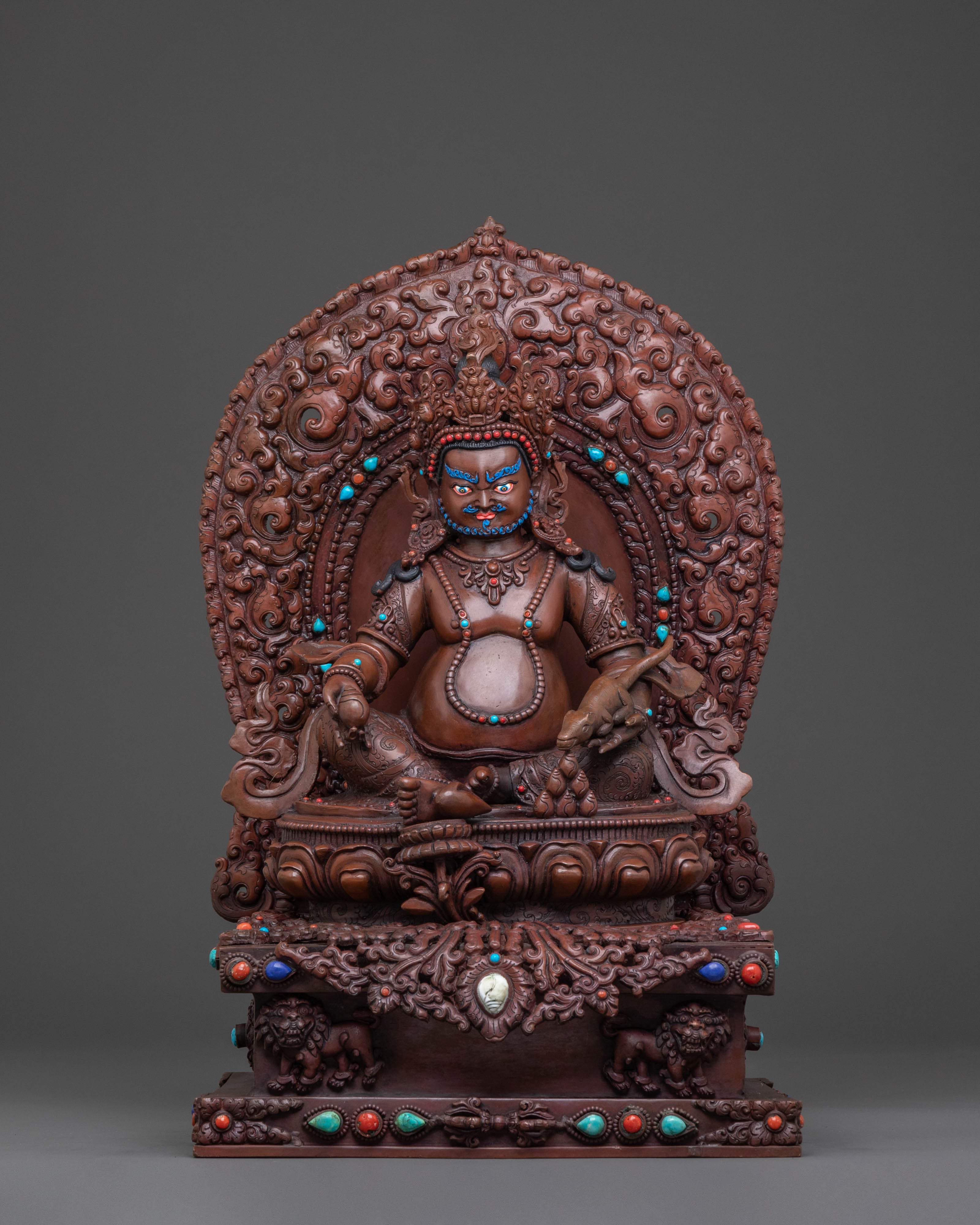
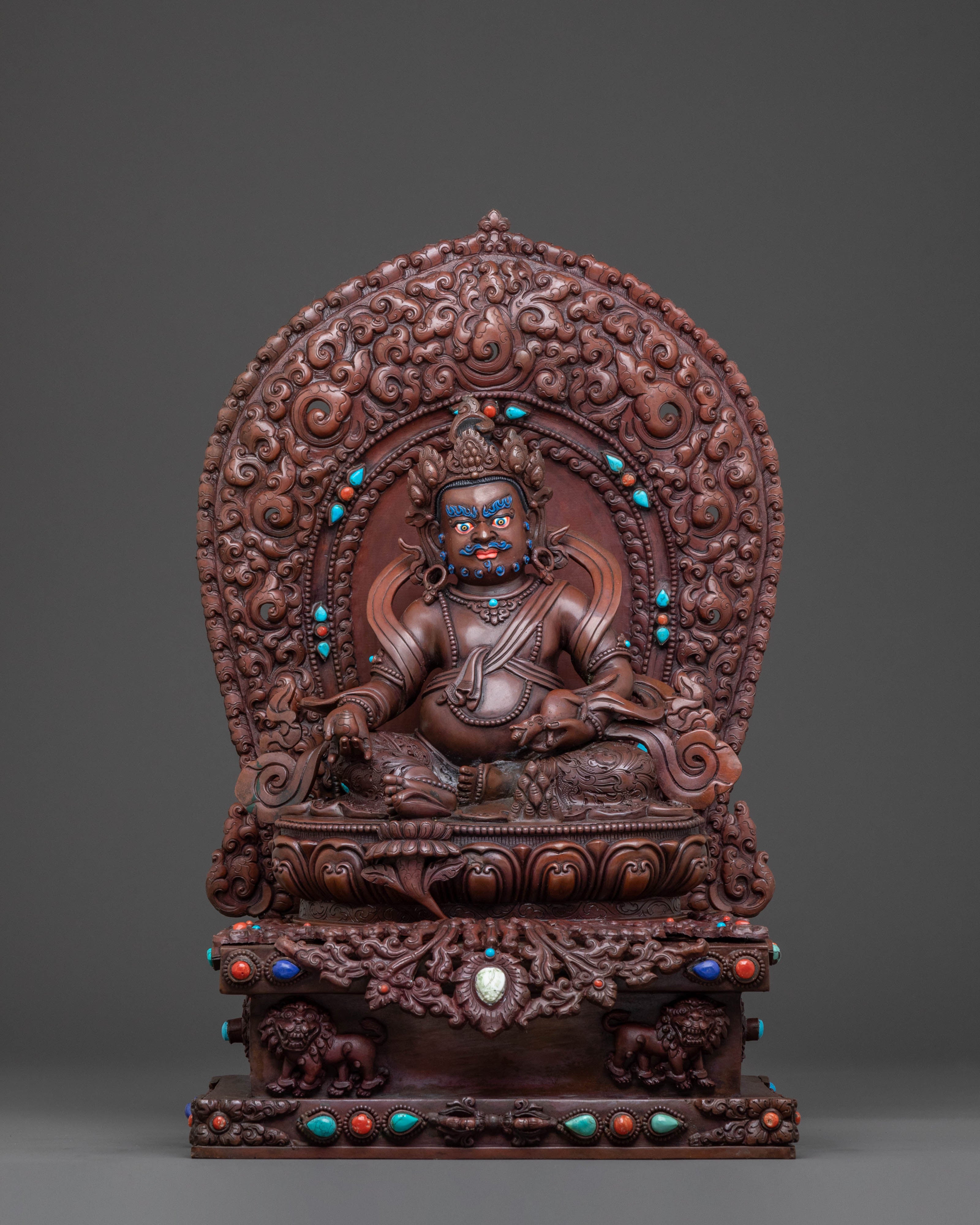
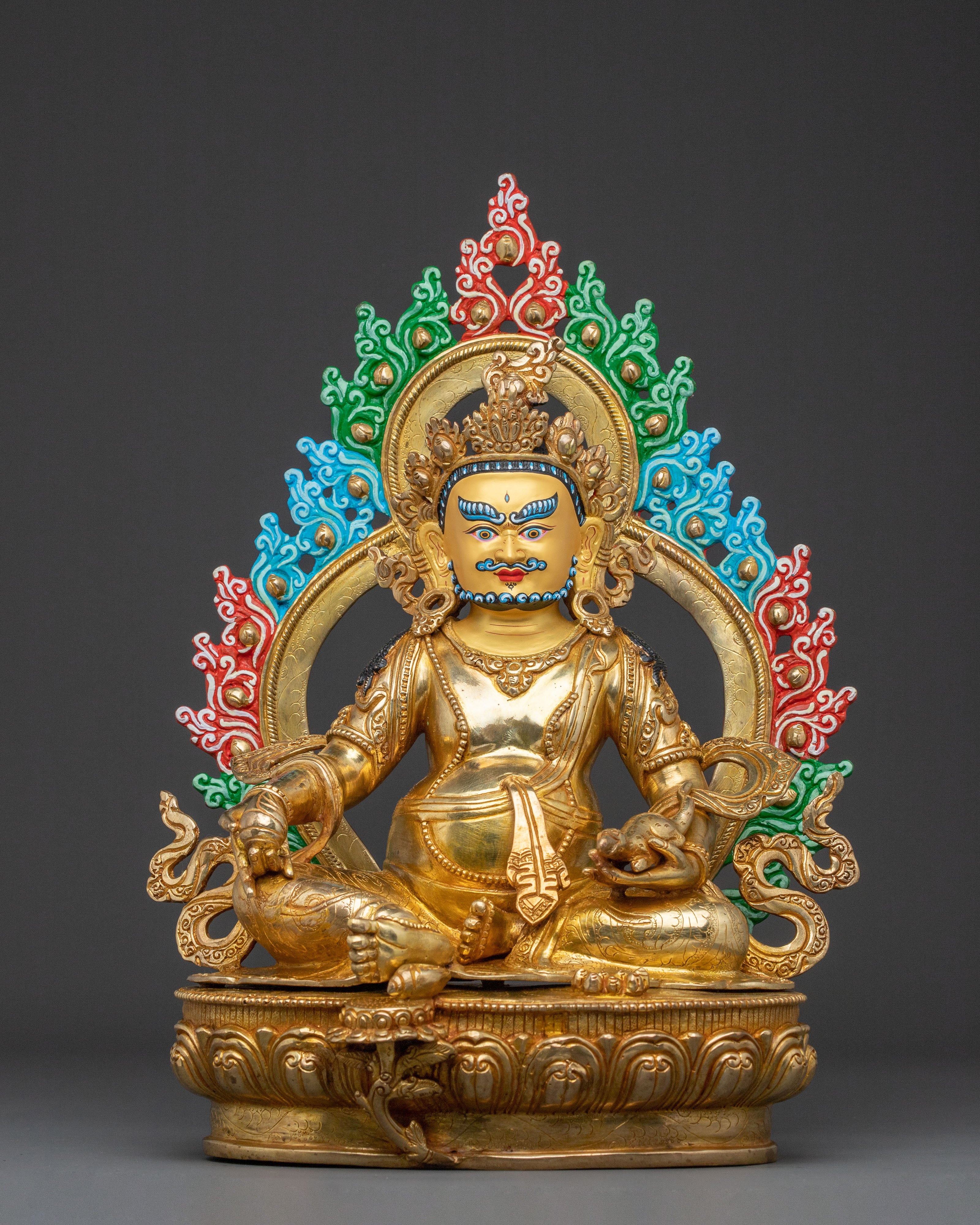
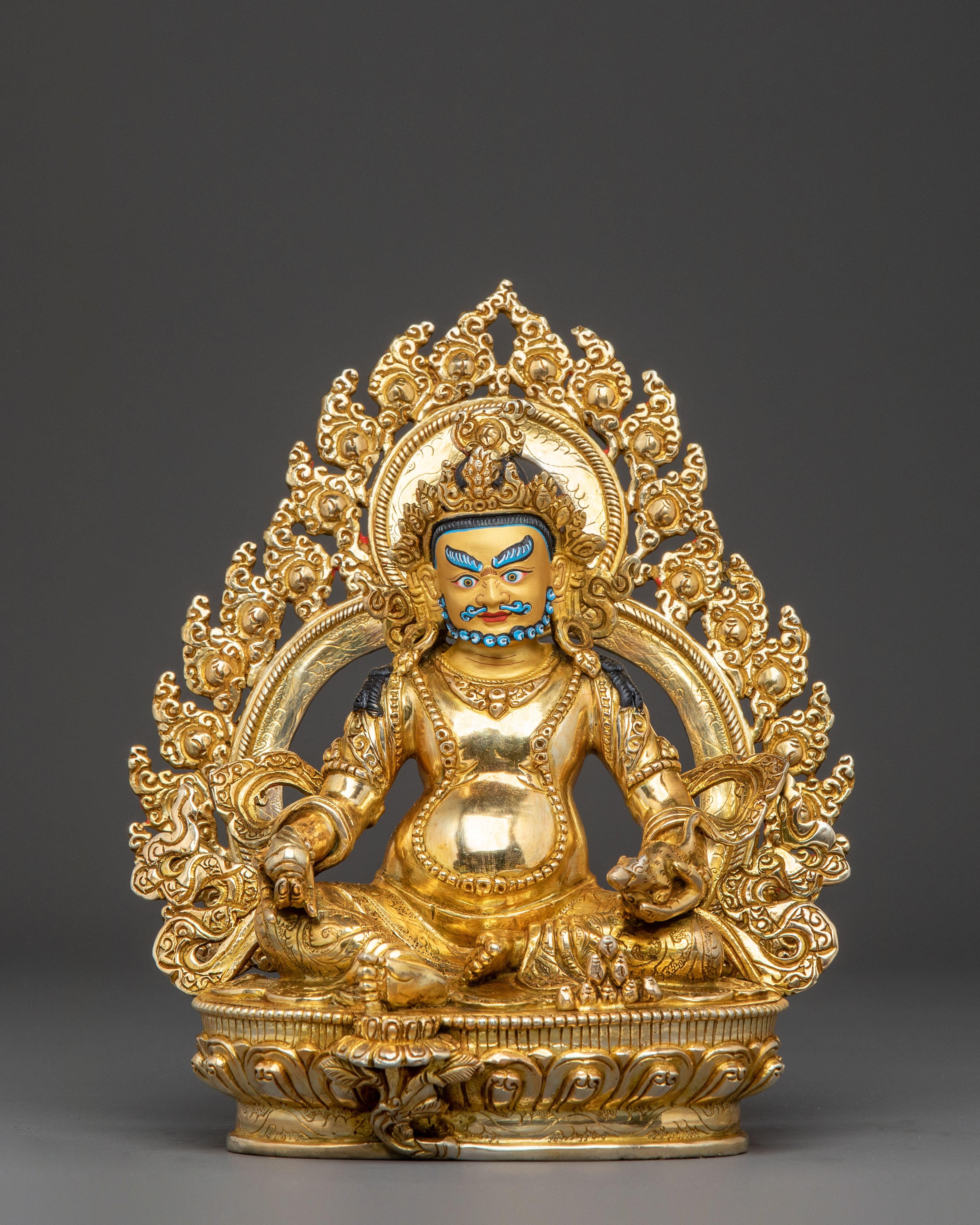
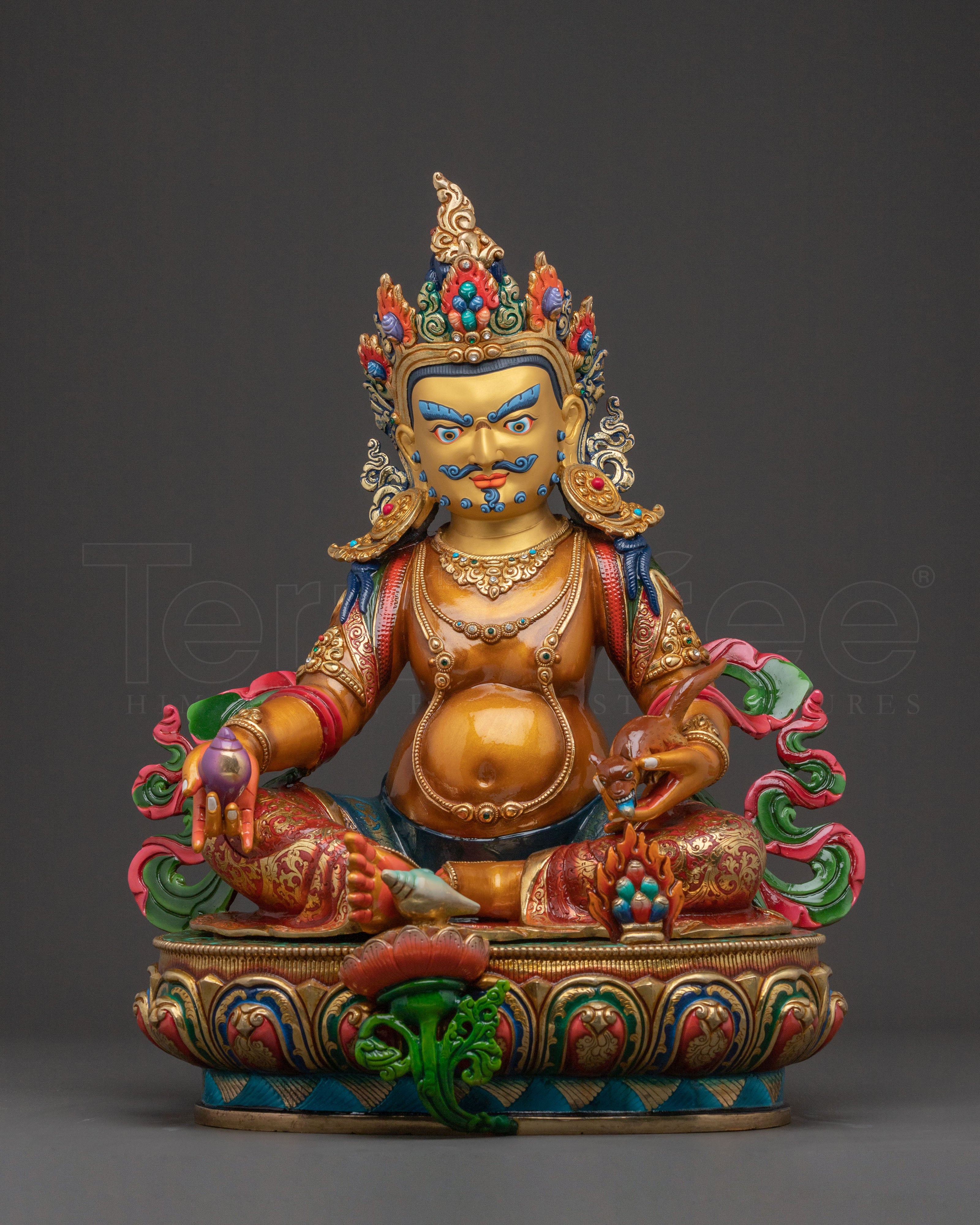
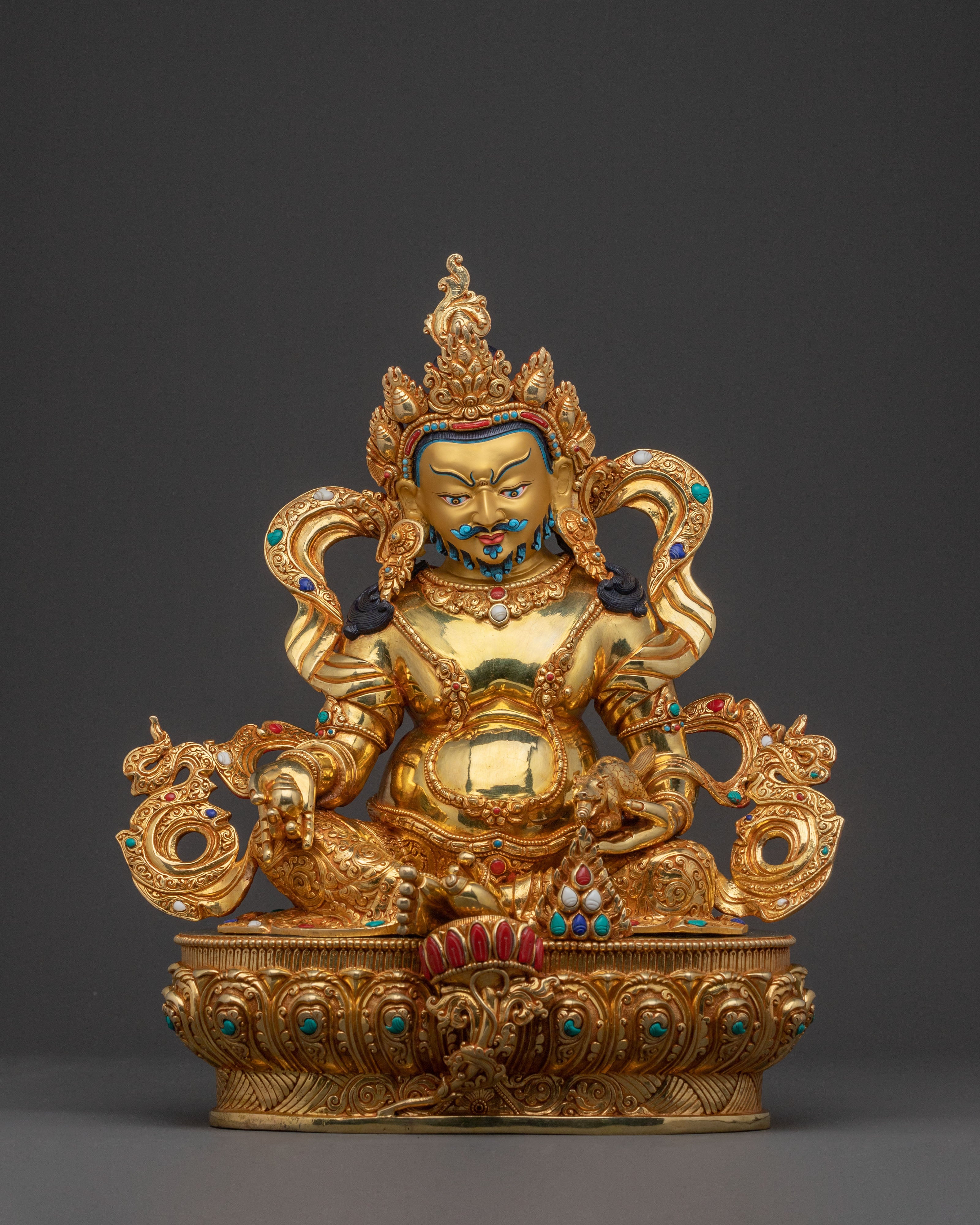
Dzambhala appears in multiple forms, traditionally five main forms, each with its own color, attributes, and symbolic meaning. Here are some general features across the forms:
Pot‑bellied or Well‑fed Appearance: Many Dzambhala statues and thangkas show him as a robust figure signifying abundance, riches, and generosity rather than ascetic renunciation.
Treasures & Mongoose: A characteristic symbol of Dzambhala is a mongoose (often named “Nehulay”), held in one hand, that spits jewels or treasures symbolizing spontaneous generosity and the flow of wealth.
Lotus or Sun‑Moon Seat: Many depictions show him seated on a lotus, sometimes combined with a disc of the sun and moon representing purity, spiritual foundation, and balance.
Rich Ornamentation: Dzambhala often appears adorned with jewels, fine garments, and regal ornaments symbolic of his role as wealth‑bestower and protector of abundance.
Five Forms of Dzambhala
Yellow Dzambhala
White Dzambhala
Green Dzambhala
Red Dzambhala
Black Dzambhala
Why Choose a Dzambhala Statue or Image?
Symbol of Abundance & Prosperity: A Dzambhala statue serves as a tangible reminder of abundance, aligning one’s intentions toward securing not just material comfort but a stable foundation for spiritual life.
Support for Stability & Generosity: It can inspire responsible wealth, enabling generosity, merit‑making, and support for Dharma and others.
Protection from Hardship & Obstacles: Having his image is believed to attract protective energy, safeguarding one from misfortune, financial hardship, and karmic obstacles.
Balance Between Material & Spiritual Life: Dzambhala embodies the Buddhist ideal that material wealth used wisely can support spiritual growth, rather than distract from it.
Cultural & Devotional Connection: For practitioners within Tibetan, Himalayan, or Vajrayana traditions, a Dzambhala statue connects one with centuries of devotional practice, lineage, and sacred art, offering both aesthetic inspiration and spiritual meaning.