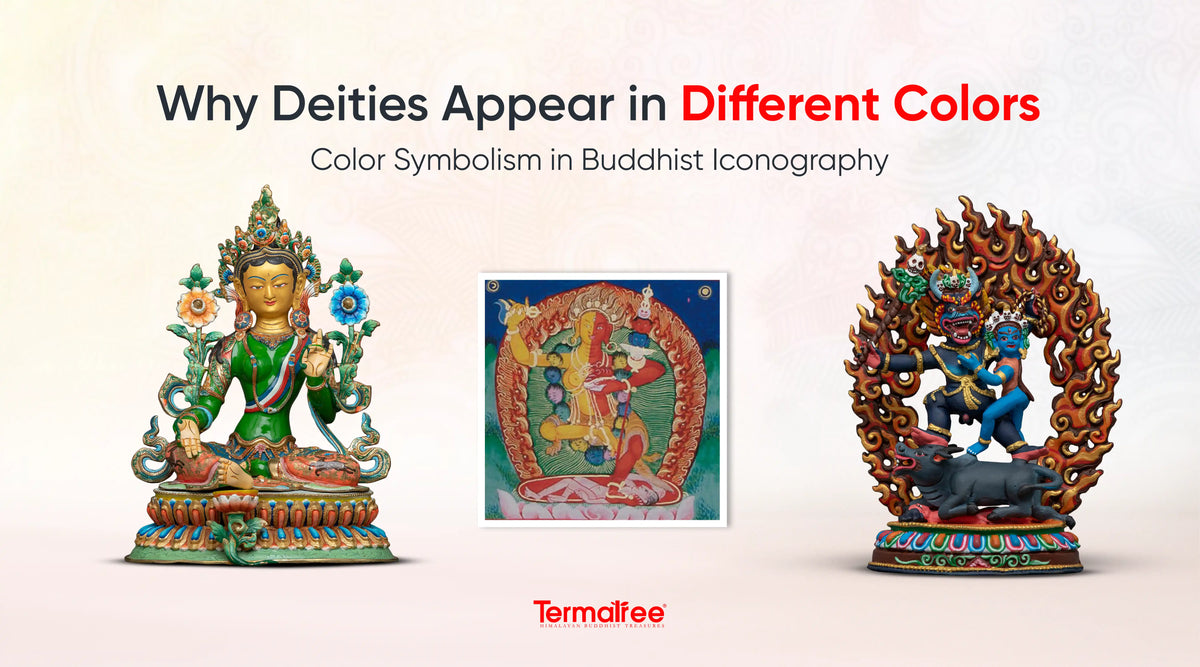

Unveiling the Sacred Craft: The Deep Spiritual and Cultural Significance of Nepalese Statues
Real moments of spiritual engagement are increasingly rare in today's fast-paced world, filled with constant distractions and consumption. Amidst this chaos, Nepal-made statues stand out as significant presents, not only for their attractiveness but also as relics of the country's old artistic and spiritual heritage. Each statue is made from sacred metals, one by one, highlighting the importance of culture and the heritage of the Nepalese artisans who have supported a spiritual practice for centuries.
The intricate craftsmanship is a testament to generations of devotion; it has made the images of the Buddha channels of peace, awareness, and a deeper understanding of His teachings. Unlike mass-produced items, these sculptures are created slowly and thoughtfully, harmonizing the physical and spiritual realms. They serve as precious reminders for us to stop for a moment and think about what is really important in our fast-paced lives. They are the pillars of heritage, spiritual respect, and the extraordinary skill that has survived through centuries.
The Sacred Art of Nepalese Statues: Vessels of Spiritual Heritage
 (Photo from The New York Times)
Finding true spiritual peace can be a significant struggle for many individuals, particularly when the constant clamor of daily life overwhelms their ability to enjoy moments of silence. The frenetic pace of life, filled with multiple attractions, left little room for retrospection or engagement with things of standard value. And yet, a Nepali handmade statue—one of the calmest and quietest places in the world—brought me serenity. Deep within, the existence of this antique statue brings tranquility and a bond with the rich cultural and artistic dimension developed over a thousand years.
These statues transcend mere aesthetic appeal; they represent heritage and have become icons that leave their mark on some remote part of it. Each statue must have proven itself throughout the history of art, spirituality, and symbolism, and resonates more than we can explore further. They are exquisite pieces in all respects. They are sacred treasures built with the sweat, love, skill, and patience of the generations of artisans living and working until their last breath.
In a world dominated by mass production, possessing a handcrafted Nepalese statue symbolizes a deep respect for cultural and spiritual heritage. It serves as a powerful conduit through which individuals can reconnect with and benefit from a tradition that continues to motivate and offer guidance. By integrating these artifacts into their lives, people not only embrace a piece of history but also a source of enduring spiritual nourishment.
The Spiritual Apex: What Sets Nepalese Statues Apart from Mere Art

Nepal, the cradle of Buddhism, is a country with a spiritual heritage rooted in Lumbini, the place where Buddha was born. The pilgrimage is not only the primary reason for the existence of this serene little town in the Terai region of Nepal, but also the spiritual center for millions of Buddhists worldwide. In addition to the temples and holy places, the creation of Nepalese statues was a common practice that has continued over time. These sculptures are not only visually appealing but also tell a spiritual story. The Nepalese statue is more than a mere decoration. It is a gateway to the spiritual realm and a symbol of love, peace, and wisdom. The artists have poured their knowledge of the ancient teachings into every curve, fold, and gesture. In fact, these statues are the living inheritance of the Buddhist artistic and technical skills, and each one is a testament to their connection with the mystical teachings of Lumbini and the Himalayas.
The Intersection of Tibetan and Newar Craftsmanship
The Nepal statues are one of a kind, created by blending Tibetan Vajrayana and Newar art, characterized by deep spirituality and unparalleled expertise. This mixture not only yields stunning statues but also produces spiritually powerful ones that can give people the experience of the divine.
1. Tibetan Craftsmanship: Spiritual Foundation
 Tibetan Craftman (Photo from China Daily)
The Vajrayana of the Tibetans provides Nepalese statues with their spiritual posture by narrating the methods for their posture, movement, and symbol use. Tibetan Buddhism emphasizes the utilization of divine rituals and signs. This philosophy informed the design of the statue to ensure that it depicts divine nature, such as wisdom, compassion, and safeguarding. The hand gestures (mudras), along with other symbolic items such as the vajra or the lotus, are included in all the statues, indicating the presence of profound spiritual concepts. Therefore, the divine plan guarantees that the statue is not merely an object, but a potent conduit of faith and enlightenment.
2. Newar Craftsmanship: Care and Accuracy
 Newari Craftmanship (Photo from Traditional Comfort)
The Newar craftsmen of the Kathmandu Valley produce the statues. They are adept at lost-wax casting, chasing, and repoussé, which has enabled them to create gorgeous, imperishable statues with even the minutest details. The lost-wax casting technique is precise, whereas chasing and repoussé techniques add fine detail, such as delicate folds in robes or elaborate facial expressions. To give the sculpture greater spiritual significance, gold gilding is applied, as gold itself is an icon of purity and divine light.
3. The Fusion: A Creation from God
The blessed make the most sacred instruments, and Tibetan Vajrayana and Newar art are twofold. The Newar masters' divine artistry and the Tibetan Vajrayana's divine gifts combine to create a beautiful, lasting artifact. The statue's divine power comes from the Tibetan Vajrayana. All these combine to create statues that are holy vessels, embodying the sacred and offering a deep connection to both meditation and spiritual practice.
Nepali Handicraft Beyond Metalwork
Among the plethora of handicrafts that Nepalese artisans create in diverse media, copper and bronze figurines are only a small part of that range; the rest includes wood-carving, stone-sculpting, thangka-painting, and the production of ritual textiles in the same manner. Each craft is a living sacrifice to the gods of workmanship and to the traditions of culture and religion over time. Nonetheless, these artworks, created through various techniques, remain sacred manifestations of the country’s rich culture and spirituality. Hence, they have spanned a long period of artisanship measured in centuries.
-
Complex Wood Carving: sophisticated skills employed to depict and make religious figures and designs, one of the expressions of Nepalese spirituality and cultural heritage.
-
Monumental Stone Sculpture: Large-sized statues and depictions of gods, many of which were to dominate temples and needed a lot of patience and exceptional ability.
-
Thangka Paintings: Colorful Tibetan Buddhist paintings that are painted using vivid coloring materials to portray gods, mandalas, and spiritual symbols.
-
Ceremonial Textiles and Devotionals: Ceremonial tools and textiles, made by hand, which are part and parcel of spiritual life and religious observances.
Explore More Our Handmade Buddhist Statues from Nepal: A Gift of Peace and Mindfulness
The Craft Process: From Sacred Concept to Tangible Form
It is only through knowing the process of creating the statues, with great care and devotion, that we can better appreciate them. More than one night is required to complete each Nepalese statue. Every piece's spiritual and artistic refinement, however, is a long, careful, and purposeful process of guaranteeing that.
1. Wax or clay prototype: The First Breath of the Statue

The first step of the whole process is to create a wax or clay model. The sculpture is executed to perfection, with the utmost care in proportions and divine symmetry. This is the stage when the object remains a model, but it can become a holy visual object, carrying strong spiritual connotations.
2. Casting or Carving: Making the Shape Alive
 The second stage is to cast or carve the statue. The statue starts to look like the final model, made of wood or metal. When the molten metal is poured into the mold, it produces a sound similar to a hymn for the craftsmen. It is a divine moment when the statue takes on the form of reality rather than an idea. The rhythmic tapping of the chisel as the sculptor shapes the material is akin to the soul's work of converting raw material into something holy.
3. Hand Finishing: Final Finishes
 The final stage of crafting is the delicate hand-finishing stage. This stage is when the statue begins to move. The divinatory nature of the statue is achieved through the hours of polishing that make it shinier like a mirror, through the gilding, and through the attention paid to the facial features, gestures, and draperies.
4. Spiritual Intention: Endowing the Sacred Energy into the Statue
 The artists usually pray or perform a ritual to infuse spiritual energy into the work before it is completed. This is a crucial step, as it ensures that the statue assumes its position in accordance with the divine role it is meant to play. They assert that the prayers transform the statues into long-lasting embodiments of spiritual power by making them the deities they represent.
The Ethical Mandate: Preserving Tradition, Supporting Artisans
Purchasing a handmade statue in Nepal is a way to keep the Nepalese craftsmanship alive. Professional artisans create these statues, passing on their expertise to the next generation. Show their talents, culture, and enthusiasm. When you purchase a handmade statue, you directly support the continuation of this ancient art form. Such a grant will ensure that the cultural and spiritual knowledge behind these sculptures is transmitted across many generations. It provides support to the families of artisans in Nepal, helps preserve skills passed down through generations, and conserves priceless cultural memories.
The very sculptures are intricate to find; so is the peace and calmness they symbolize. Human beings, not factories, make them. Human hands and efforts make them all. There are various embodiments of faith, art, and history. In a world where everything is made fast and efficiently, the handmade statue keeps reminding us of the importance of time, care, and human intention in the creation process.
Nepali Handicrafts: Connecting Cultures Worldwide
 Hiranya Varna Mahabihar (Golden Temple)
Giving a handcrafted Buddhist statue from Nepal is much more than just giving someone something material; there's a deeper meaning (spiritual and moral) involved with both the giver and the receiver. Here's a closer look at what this type of gift can accomplish:
-
A Sacred Connection: A handcrafted statue from Nepal serves as a spiritual bridge, connecting the recipient to the Lumbini culture, the birthplace of Buddha. This gift enables a tangible connection to the spiritual teachings and wisdom of the Himalayan region, preserved over centuries.
-
Keeping a Living Tradition Alive: Giving a Nepalese statue supports both the recipient and the artisans who create them, preserving traditional craftsmanship and cultural practices that have been handed down through generations.
-
Grow Daily: The statue serves as a visual reminder of mindfulness and personal growth, embodying attributes such as calm and wisdom, as well as virtues associated with specific deities. It is an essential part of one's spiritual journey rather than just a decorative object.
-
Craftsmanship: Each statue made in Nepal is unique, reflecting the skillful craftsmanship and dedication of its creator, making it far more meaningful and valuable than mass-produced items from factories.
Nepalese statues are meaningful gifts and significant items that mark important life events. They can symbolize celebrations such as housewarmings, support individual healing, promote dedicated meditation spaces, commemorate milestones, and assist others in their spiritual growth and development.
“Purchasing a statue or selecting one from Termatree means you are receiving not only a decorative item; you are receiving something with profound spiritual and cultural significance. Termatree's Nepali statues are unique in that they are all hand-carved and represent a mythical tradition that has endured for many decades. Each statue is, in fact, the product of a lot of attention and deliberation. These sculptures are not merely materials; they have actually become some of the most powerful icons representing growth. Mindfulness and wisdom. When you buy a statue from Termatree, you not only invite peace and religious respect into your house but also participate in the endurance of the environmentally friendly practices and the rich quality and quantity of the spiritual and artistic heritage of Nepal that has been nourished through centuries."