
From the Royal Goddess of the Malla Kings to the Lamps of Laxmi Puja: Nepal’s Great Festival Season
Nepali calendar is filled with celebrations that connect mythology, family, devotion, nature, community, and everyday life. Some of the most significant include Dashain and Tihar, which are two festivals that fall close together and bring about tremendous change, bringing family togethers all over the country. A special connection with the calendar in 2083 B.S. is that the principal days of Dashain fall in the month of Kartik, and Tihar falls later in the same month of the Nepali calendar. While both Dashain and Tihar are significant festivals in the autumn season in Nepal, they have unique religious tales, customs, and feelings. The power of the Goddess, victory over the destructive forces, blessings from elders, family reunions, and renewal of life are very closely linked with Dashain. The festival of lights is known as Tihar; it is about to focus on Lakshmi, Yama, animals, siblings, prosperity, gratitude, and the lighting of homes. They form a fantastic series from the worship of divine power to the welcome of light and abundance.
Dashain 2083: The Festival of the Goddess

Dashain, also known as the Bada Dashain, is the longest and most important festival in Nepal, which is associated with the goddess Durga and her triumphs, especially over the buffalo demon, Mahishasura. This festival represents good triumphing over evil and restoration of order. It begins with Ghatasthapana, in which a sacred vessel is set up, and jamara is grown. In 2083 B.S., Ghatasthapana occurs on October 11, followed by major Dashain celebrations with Maha Ashtami on October 21. The festival's timeline in the Nepali month of Kartik enriches the cultural significance of Kartik by carrying over the religious spirit of Dashain.
Mohani: Dashain in the Newar Valley
In the Kathmandu Valley, the Newars call Dashain as Mohani. It is analogous to Dashain, but it is celebrated by both Hindus and Buddhists, with worship of the tutelary deity, veneration of tools of the trade, sword processions, and sacred masked dances. The valley is the setting for the two traditions that follow.
Why Is Dashain Associated With the Goddess?
The Goddess occupies a central position in Dashain traditions. Durga represents divine power capable of confronting and overcoming forces that threaten cosmic and moral balance. Her victory over Mahishasura is therefore more than a mythological battle. It symbolizes the triumph of order, righteousness, and divine strength over destructive forces.
Taleju Bhawani: The Goddess of Kings

If Dashain has a secret center, it is Taleju. She was the royal tutelary deity of the Malla rulers of Nepal, and her temple stands in all three of the old capitals: Kathmandu, Patan, and Bhaktapur. The Taleju shrine in Bhaktapur is regarded as her principal shrine, and the temple in Kathmandu also holds major importance.
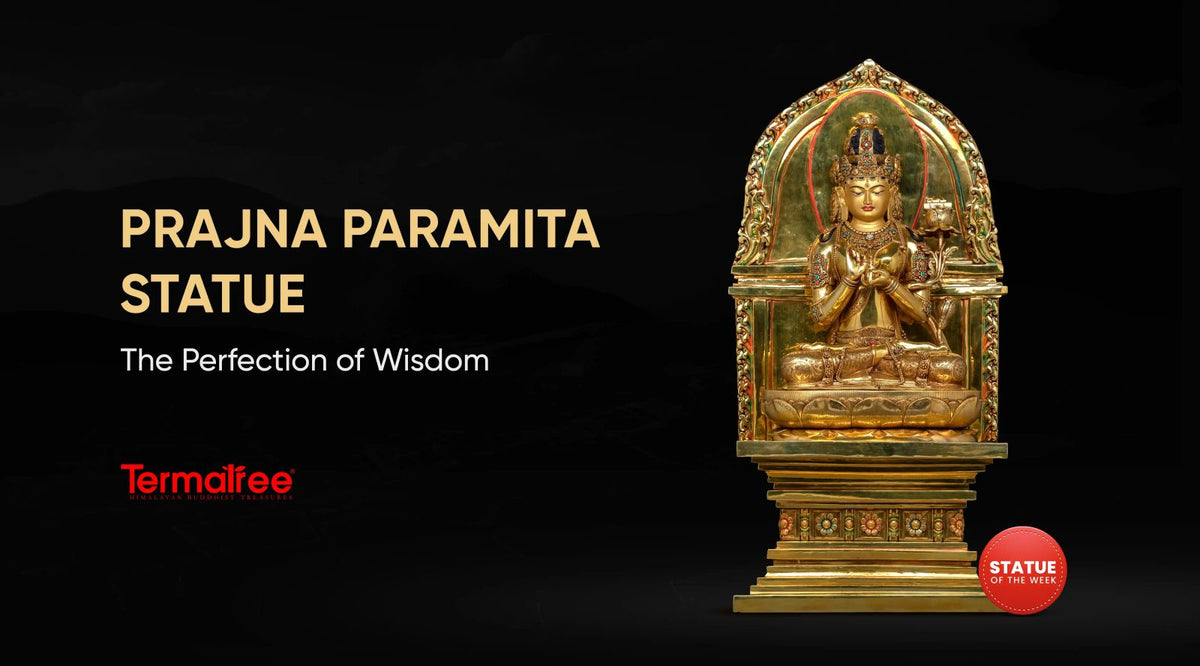
Newar and Tibetan Buddhists worship her as Tara, whereas Hindus worship Taleju as a form of Durga. This temple is yet another example of the Valley’s dual identity in religious practices. Legends say she was first worshiped in Mithila and then brought to Nepal by the Malla kings, and her worship is documented in Sanskrit texts like Talejvagama and Tulyagama. The Taleju temple in Kathmandu, built in the 16th century by King Mahendra Malla, opens once a year on Maha Navami for animal offerings, a practice that continues to spark debate today. Taleju was also important for the Shah dynasty, where they sought her blessing for the unification of Nepal. Folklore portrays her as a protector who warns kings of danger and who withdraws her protection when angered, echoing the tight coupling of monarchy and divine blessing. Additionally, the tradition of the Kumari, a prepubescent girl considered the Living Goddess, connects her to Taleju Bhawani, a form of Durga.
Nava Durga: The Dancing Goddesses of Bhaktapur

Navaratri honors nine forms of Durga, called Navadurga, and in the Newar city of Bhaktapur, the nine goddesses do not stay in temples. They dance. The Nava Durga dance is a tantric masked dance performed in Bhaktapur, where nine shrines mark the city’s perimeter. Dancers are chosen from the community and wear the masks of the goddesses, who are described as Brahmayani, Maheshwari, Kumari, Vaishnavi, Barahi, Indrayani, and Mahakali. Two others, Mahalaxmi and Tripura Sundari, are not shown to the public. The group also includes the fierce Bhairav, Ganesh, Seto Bhairav, and the animal guardians Simha and Dumha, for a total of thirteen masks.
Several details give the tradition its depth:
-
Secret masks: The Chitrakar artisans begin making the masks about a month before Dashain, and the process is described as a ritual that no outsider may watch.
-
The legend of origin: One story says the Nava Durgas once lived in the forest and captured and sacrificed people. A Brahmin installed them at Gachhen, the god-house in Bhaktapur, and so began the public dance tradition, which the Malla kings continued.
-
A long season: The dances begin on Bijaya Dashami and continue through the year until the festival of Bhagasti, so the goddesses walk through the city’s lanes for months.
-
Sacred dancers: The dance is performed while mantras are recited, and the dancers are treated with respect as the deities they embody.
A related tradition, the Navadurga Jatra, takes place every twelve years in Thecho and Sunakothi in Lalitpur, with a tantric ritual at Bal Kumari Temple in Sunakothi on Fulpati.
Dashami and Kojagrat: The Blessing and the Full Moon
On Bijaya Dashami, elders give younger family members red tika and yellow jamara to celebrate the goddess’s victory. The festival then ends five days later on Kojagrat Purnima, a full-moon night of wakefulness for Goddess Laxmi. This night naturally leads into Tihar.
Jamara and the Symbolism of Renewal

Jamara is one of the most recognizable elements of Dashain. It is grown during Ghatasthapana and carefully preserved until the tika ceremony. The tender green shoots become a visible representation of growth and renewal during the festival. Their presence alongside Tika creates a powerful symbolic combination. The red tika and green jamara bring together color, ritual, blessing, and the renewal of life. When elders place them on younger family members, the ceremony becomes a wish for continued prosperity and well-being. The festival also connects Dashain with agricultural traditions by cultivating jamara. Nepal's festivals have historically developed alongside agricultural cycles, and plants, harvests, food, and seasonal change frequently appear within ritual culture.
The Origins of Tihar
Tihar is also called Yamapanchak, a name that combines Yama, the god of death, and panchak, meaning “five.” Its roots lie in a world where death is not feared but respected, and where every living being has a role.
1. Yama and Yamuna

The best-known origin story is about Yama and his sister Yamuna. In one version, Yamuna sent messengers to her brother, symbolized by the crow, the dog, and the cow, before finally reuniting with him on the fifth day. Pleased by her hospitality, Yama granted her a wish: that brothers and sisters who meet each year on this day would keep their bond strong, and that brothers would have a long life. This story is the origin of Bhai Tika.
Why the Animals?
This story also explains the first days of the festival. Crows are worshipped as Yama’s messengers, and dogs are honored as his guardians. Yama is also said to have two four-eyed dogs, and Bhairava is said to have a dog as his vehicle. By honoring these creatures, people symbolically please the god of death and ask to avoid dying before their time. The cow, meanwhile, is a symbol of prosperity.
2. Laxmi Puja: The Night of Lamps
On the night of Laxmi Puja, the goddess of wealth is believed to roam the earth, and homes are cleaned and lit with lamps so that she will enter. People also buy gold, silver, and new metal utensils as signs of good luck.
3. Govardhan Puja: Krishna and the Mountain
The fourth day has a different origin. It comes from the story of Krishna, who lifted Govardhan Hill on one finger to shelter villagers from storms sent by the angry rain god Indra. On this day, people take cow dung to represent the mountain and worship it.
4. Mha Puja: Worshipping the Self

The Newar community also celebrates Mha Puja, the worship of one’s own self, on the same day. It coincides with the Newar New Year, Nepal Sambat. Few traditions anywhere ask people to honor the divinity within themselves.
5. Bhai Tika
On the final day, sisters apply a vertical tika of seven colors, called Saptarangi Tika, on their brothers’ foreheads. Newars call this day Kija Puja.
What Binds the Two Festivals
Dashain and Tihar tell a larger story about how people understand a good life. The season begins with the desire for protection from destructive forces and moves toward the celebration of victory, with families gathering and exchanging blessings. As Tihar approaches, homes are cleaned and illuminated, Lakshmi is welcomed, animals are honored, the self is worshipped, and siblings come together to celebrate their enduring bond. The sequence offers a meaningful progression from divine protection to household prosperity to human connection. Dashain and Tihar are not one religious ceremony; each has its own origin, tradition, and meaning. But their closeness in the Nepali calendar creates a powerful cultural season where notions of renewal, blessing, abundance, gratitude, and togetherness emerge again and again.
A Sweet Wish from Termatree
"May the blessings of Taleju and the Nava Durgas rest upon your home, may the red tika bring you strength, and may every lamp of Tihar fill your family’s life with light, love, and abundance. From all of us at Termatree, we wish you and your loved ones a joyful Dashain and a radiant Tihar 2083.
Happy Dashain! Happy Tihar!"