Red Tara Kurukulla | Power, Passion, and Spiritual Grace
This week, in honor of Dakini Day, we present one of the most revered dakinis in Tibetan Buddhism, Kurukulla. Dakini Day, observed on the 25th day of each lunar month, is a sacred occasion dedicated to the enlightened feminine energy of wisdom and compassion embodied by the dakinis. It is considered an especially auspicious time for spiritual practice, transformation, and the accumulation of merit.
Who is Kurukulla?

Explore the Kurukulla Statue Here
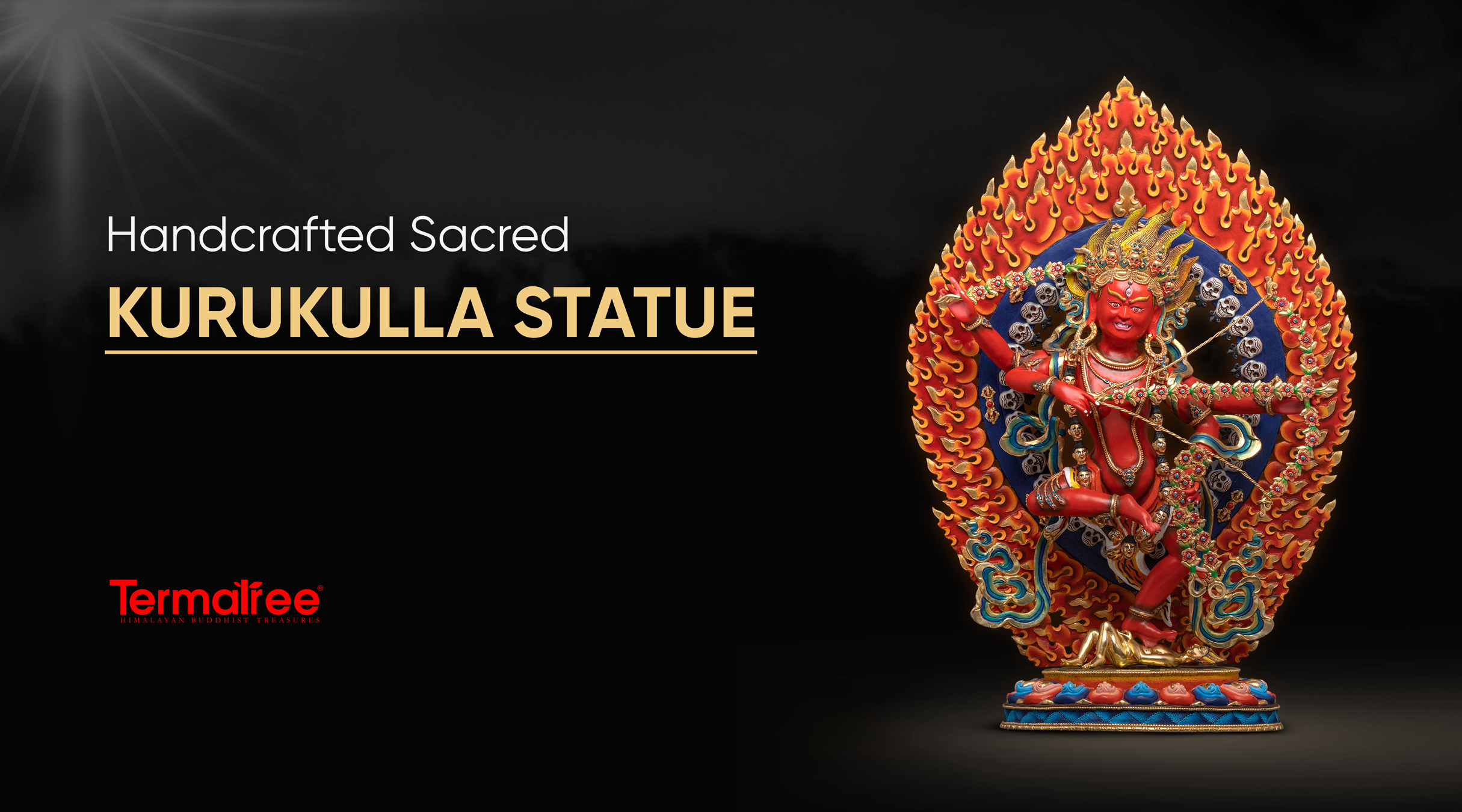
Kurukulla is a powerful, semi-wrathful dakini, often referred to as Red Tara, who embodies the transformative energy of desire and passion into enlightened compassion. She is the goddess of magnetizing positive conditions for spiritual growth and helps practitioners overcome obstacles while benefiting all beings. Known for her enchanting presence, Kurukulla uses the power of attraction and love not for selfish purposes but to draw wisdom, devotion, and spiritual opportunity toward those who seek enlightenment.
Iconography and Symbolism

Find Your Favorite Dakini Statue
Kurukulla is depicted in a vibrant red color, symbolizing feminine energy, attraction, and transformative power. She is usually shown holding a bow and arrow, representing the ability to turn worldly desires into enlightened action. Her dynamic dancing posture signifies energy, movement, and the lively force of transformation. Every detail of her iconography is meant to inspire spiritual awakening, magnetize positive conditions, and cultivate compassion in daily life.
About This Statue

This exquisite Kurukulla statue is handcrafted by a skilled Himalayan artist from Nepal, continuing the rich tradition of statue-making passed down through generations. The statue measures 67 cm x 40.5 cm (26.4 x 15.9 inches) and is crafted with:
-
Copper body
-
Gemstone inlays
-
Gold and acrylic paintings
Every curve and detail is made with precision, care, and devotion, making this statue not only a sacred object of veneration but also a piece of fine Himalayan artistry.
This handcrafted Kurukulla statue serves as a perfect centerpiece for your altar, meditation space, or sacred collection, inspiring spiritual growth and the feminine power of transformation in your practice.
Transform Your Home with the Energy of Kurukulla
Bringing a Kurukulla statue into your home invites positive energy, spiritual growth, and transformative power into your life. As the goddess of magnetism and enchantment, Kurukulla helps attract favorable conditions, opportunities, and harmonious relationships, while her energy transforms ordinary desires into enlightened motivation for spiritual practice. Her presence is believed to remove obstacles and negative influences, creating a supportive environment for meditation, rituals, and personal development. Beyond these spiritual benefits, Kurukulla embodies dynamic feminine energy, inspiring compassion, creativity, and transformation. Handcrafted with care and adorned with vibrant colors, gemstones, and intricate details, this statue also serves as a beautiful sacred art piece, enriching your home with the timeless wisdom and artistry of Himalayan culture.