
Exploring the Origins, Iconography, and Spiritual Significance of the Fierce Bodhisattva in Vajrayana Buddhism
Mahachakra Vajrapani is the most revered Bodhisattva of Vajrayana Buddhism. He symbolizes great power and compassion, the dynamic force that protects the Dharma, drives out negative energies, and leads practitioners to enlightenment. Mahachakra of the ancient Himalayan tradition is known for his formidable power as a protector and manifestation of enlightened energy and catalytic power.
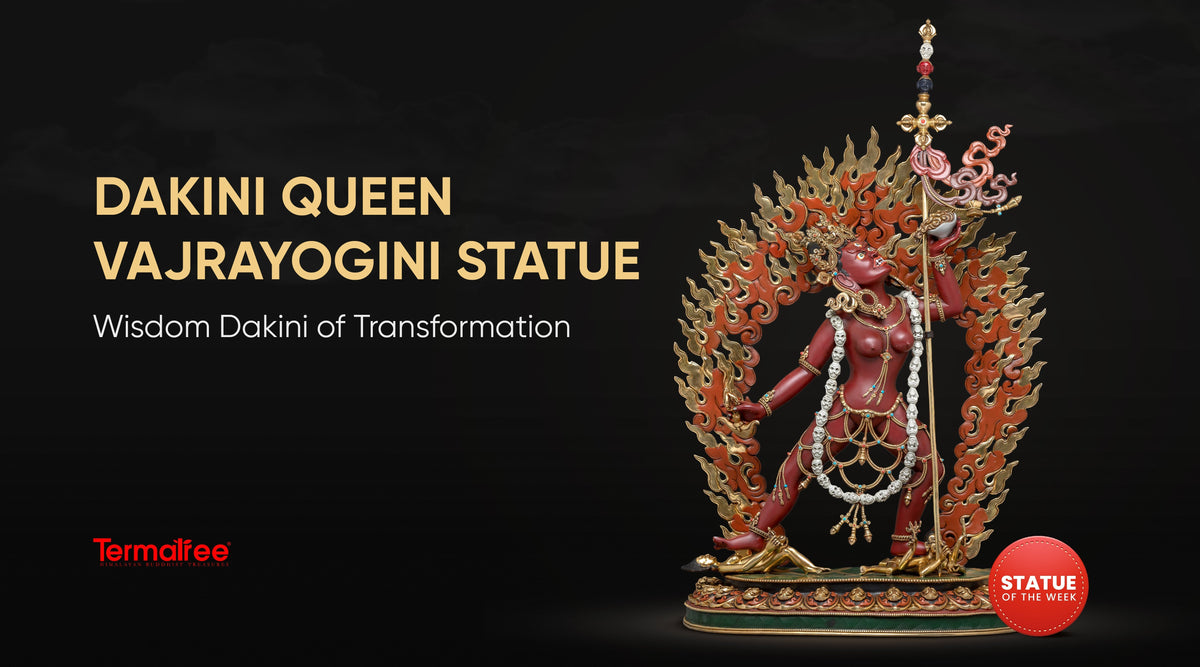
Handmade statues and thangkas of Mahachakra Vajrapani generally depict his fierce but focused expression. He is often decorated with a crown of skulls and jewelry of turquoise and coral and carries his thunderbolt of indestructible power, called a vajra. He stands in a dynamic pose. Deep in the flames of wisdom, his swirling movements are a manifestation of the unabated, strong energy needed to vanquish delusion and ignorance. The three layers of gold gilding and the rich colors employed by the master craftsmen of Nepal, each detail in each carving, speak to the devotion and artistry that have kept alive the sanctity of this sacred iconography.
Origin and Background

The worship of Vajrapani can be traced to early Indian Mahayana texts, in which he is depicted as the protector of the Buddha, the power of the enlightened mind. As Buddhist teachings spread northwards into Tibet and the valleys of the Himalayas, the imagery of Vajrapani became more and more ferocious. culminating in the Vajrapani known as the Mahachakra (Great Wheel), which represents cosmic protection and the ultimate spiritual power. In the name “Mahachakra,” he is portrayed as the one who can turn the wheel of Dharma, which can eliminate hindrances to wisdom and compassion.
Mahachakra Vajrapani’s evolution is inseparable from Vajrayana Buddhist tantric practices. In this instance, he is not just a protector but an agent of change. He is called upon during rituals for cleansing negativity, protecting sacred texts, and solidifying the practice of meditation. In his presence, he generates protective energy, sometimes in association with angry Buddhas like Yamantaka or Hayagriva, surrounding the practitioner and providing him with a spiritual armor of enlightened energy.
Iconography & Physical Appearance of Mahachakra Vajrapani
His power is wrathful, symbolism is tantric, and energy is transformative. All of his features are intentional and represent an intention to provide protection and to bring together wisdom and compassion.
Faces: Three fierce faces represent various aspects of his enlightened energy:

-
Central face (blue/dark): wrathful compassion representing the power to destroy ignorance.
-
Right face (white): represents clarity and pacifying.
-
Left face (red): represents power, magnetizing energy, and the ability to attract positive energies.
Arms & Attributes: Six hands hold symbolic attributes and tantric gestures.
-
Main hands: bite and hold a long snake or rope representing the control of negative forces and obstacles.

-
The right hand: The upper position holds a vajra weapon with the thumb raised to cut through the ego and pride and to destroy ignorance.

-
Other hands: May be holding a skull cup (kapala) or flaying knife (kartika) or making wrathful gestures, which represent purification and transformative power.
Yab-Yum Embrace: This embrace with the yab (method, usually in the form of the consort Mamaki) symbolizes the tantric union of method (compassion) and wisdom, which is needed for the highest state of enlightenment.

Ornaments:
-
Skulls of five: symbolize transcending the five poisons (anger, desire, ignorance, pride, and envy).
-
Tiger-skin waistcoat: Symbol of victory over the natural forces.

-
Writhing snakes (Naga kings): These are bracelets and necklaces worn for protection, mastery of the elements, and control of water and earth spirits.
Additional Iconic Features:
-
Small Vajrapani figure on head: Represents lineage, empowerment, and interaction with higher spiritual elements.

-
Flaming halo: Envelops the person in red and golden flames. It symbolizes the burning away of ignorance, purification, and protection.
Subjugation of Obstacles:
-
Underfoot: Standing on the figures of Brahma and Maheshvara to overcome ego, pride, and illusion.

-
Naga Subduing: The lord of snakes, representing the vanquishing of negative energies, diseases, and obstacles.
General Posture: Mahachakra Vajrapani has an active, energetic posture that expresses a heroic, action-oriented stance, which is essential for enlightenment and signifies his role as defender and guide.
Mahachakra Vajrapani in Buddhism
Mahachakra Vajrapani is a figure in Vajrayana Buddhism, revered as the fierce embodiment of enlightened energy and the greatest protector of the Dharma. While the Bodhisattvas are gentle and composed, this one embodies the active and transforming energy needed to defeat ignorance, fears, and obstacles to spiritual development. His fearsome, multi-faceted iconography, with six arms and a flaming aura, symbolizes the harmonies of compassion and power, representing the roles of a protector, teacher, and guide for inner change.
In his role of spreading the teachings of Dharma, he is called "Mahachakra" (Great Wheel). In the traditions of the Himalayas and Tibet, he is called upon for protection, cleansing of negative energies, and empowerment in spiritual work. He depicts mastery over external and internal conflicts with iconography of serpents and vajras. He embodies strength, wisdom, and the ability to bring change and compassion for all sentient beings, reminding us that spiritual power and noble deeds are needed to reach enlightenment.
Beyond Protection
Mahachakra Vajrapani is more than a protector; he is a vital energy to realize the full potential of the mind. As a teacher of visualization, mantras, and rituals, he illustrates that there is no separation between power and compassion and that the path to enlightenment calls for courage and devotion. A statue of him symbolizes the inherent potential for transformation within each being.
Mahachakra remains a symbol of power, compassion, and wisdom; it is a symbol of the Buddha’s teachings and the need for spiritual enlightenment. He continues to inspire fear, reverence, and reflection; he is a symbol of the Buddha’s teachings and the significance of spiritual enlightenment. His ever-present being is a protector, his courage a teacher, his wisdom a blazing torch of protection, making all places sacred and enlightened.
Tantras and Ritual Practices Involving Mahachakra Vajrapani

Vajrapani Tantra:
This tantra emphasizes the wrathful aspects of Vajrapani, underscoring his role in defending the Dharma and purging negativities. It outlines specific exercises for empowerment energy, visualization, and mantra practice, enabling practitioners to invoke the indestructible energy and transformative power of Mahachakra Vajrapani.
Heruka and Yidam Tantras (e.g., Chakrasamvara, Guhyasamaja):
In such tantric contexts, Mahachakra can be considered a guardian in the wrathful mandalas and in their protection of both the practitioner and the teachings. Often shown with consorts and other fierce deities, he represents the tantric union of method (compassion) and wisdom.
Dharmapala & Protector Rituals:
Some tantras focus on the protector aspect of the practice and stress his role in overcoming obstacles, negative spirits, and negative energies. The ritual manuals describe symbolic objects like the vajra, bell, and skull cup, used in his iconography to emphasize his strength, changes, and protection.
Meditation Practices
In the monasteries and at the altars of Himalayan yogis and laymen, invoking Mahachakra Vajrapani is a compelling protection and empowerment. Mantra recitation is practiced to reinforce the practitioner’s connection to the deity’s indestructible energy. Meditation on his wrathful form is a tantric method for confronting personal and external obstacles, transmuting fear into courage, and ignorance into wisdom.
Mahachakra Vajrapani in Mandalas

In tantric mandalas, Mahachakra Vajrapani often appears in the central or protective positions, surrounded by other wrathful deities and consorts. Mandalas are sacred symbols of the spiritual realm, and he is a guardian who maintains the stability of the Dharma and the spiritual evolution of practitioners. With his mighty aura, he dispels negative energies, pacifies evil spirits, and establishes peace and balance in the sacred landscape of the mandala. In many depictions, he is shown with his consorts, such as Mamaki, showing the inseparability of method & compassion or protection & transformation on the tantric path. The gods surrounding him, often representing elements, directions, or specific spiritual energies, further emphasize his role as the primary guardian in a multidimensional spiritual environment.
Conclusion
Mahachakra Vajrapani is a very powerful combination of wrathful compassion, enlightened energy, and protective power in Vajrayana Buddhism. His dynamic form, symbolic implements, and presence in mandalas emphasize his role as a guardian and a transformative force. The indestructible energy is directed through meditation, ritual, mantra, and tantric visualization to remove ignorance, fear, and obstacles. In all its forms, in the statues of the Himalayas, thangkas, or sacred mandalas, Mahachakra Vajrapani symbolizes courage, wisdom, and spiritual strength, reminding worshipers that true enlightenment is the balance of compassion, strength, and conscious action.