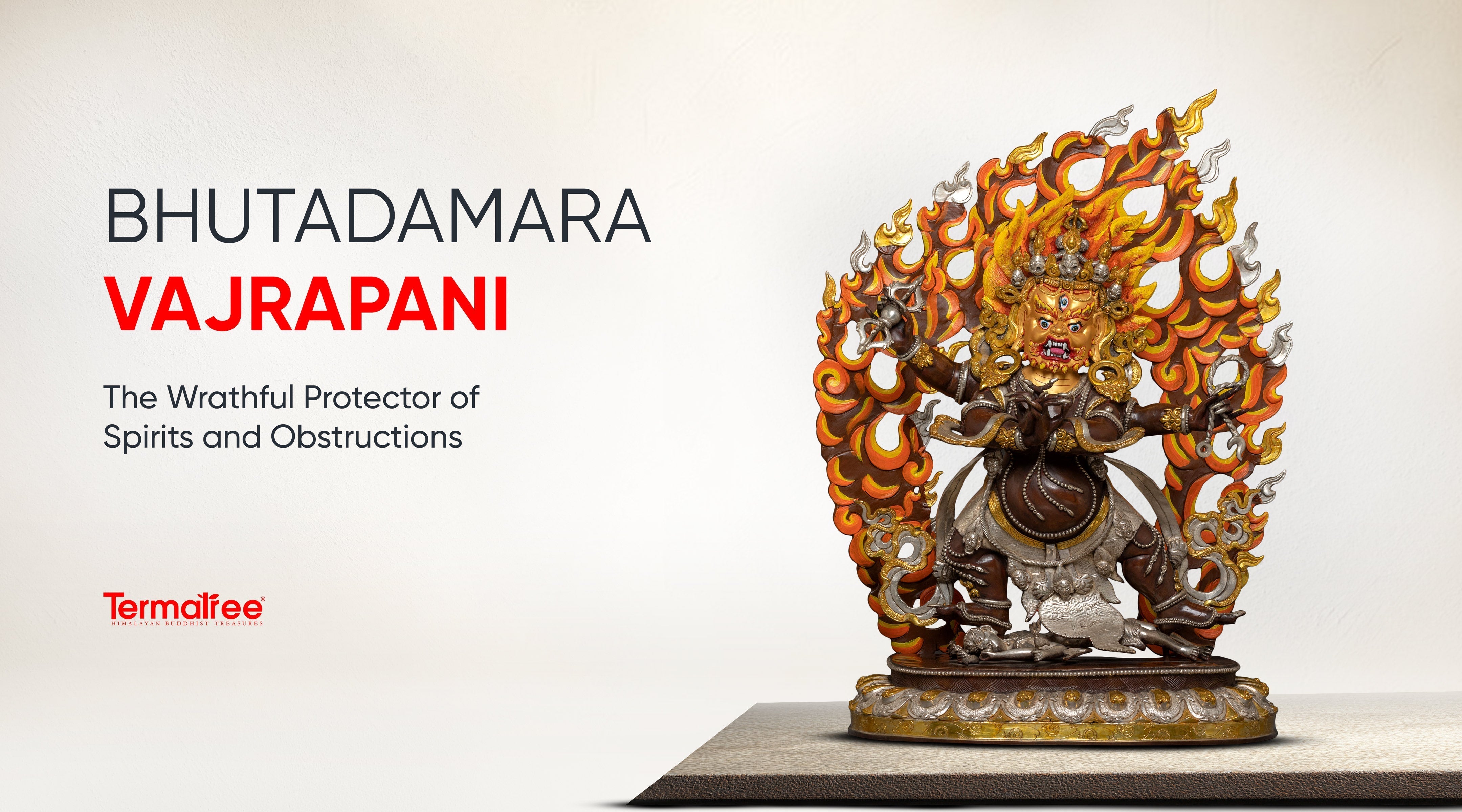

The Art and Spiritual Significance of Buddhist Statues: Craftsmanship, Materials, and Symbolism
The Buddhist statues are not only important as objects of worship but also as representations of deep spiritual messages. They are made with a high level of craftsmanship, and the chosen materials, such as bronze, wood, and stone, have symbolic values that make them more resonant in a spiritual way. The lost-wax method and other more traditional methods guarantee minute details that persist in portraying the teachings of Buddhism. The sourcing ethics and environment are becoming more and more significant, with the emphasis on sympathy and respect for life. In general, those statues can be viewed as potent spiritual materials, which provide devotion and connection with the divine, as well as a connection of art with spirituality and sacred customs.
Origin of Craftsmanship from Materials

The art of Buddhist statues has a strong connection to the materials, all of which have their origins in the diverse cultural heritages. In India and China, bronze became the center of Buddhist art when the lost-wax technique was invented, and artists in Nepal and Tibet were able to cast detailed statues that endured longer. Wood, in statues of smaller sizes and household altars, shows the instability of life, one of the main Buddhist beliefs. Early woodworkers in India and later in Nepal and Tibet developed intricate carving techniques, often adding gold leaf to enhance spiritual significance. Associated with eternity and wisdom, the stone became eminent as a large outdoor figure, was cut in India, and reached Nepal and Tibet, where it was made from materials such as granite and sandstone.
Gilding with gold and other sacred metals like silver also became part of the Buddhist statues as a symbol of purity and enlightenment. Indian artisans developed gold as their first metal before it spread to Nepal and Tibet, where local artists used the metal to create sacred objects by applying gold leaf to bronze and copper statues. The craftsmen in every region created their distinct craft style because they used local materials and practiced their community's religious customs. The artistic abilities of practitioners, combined with their dedication to faith, enable them to create Buddhist statues, which served as vital spiritual symbols throughout various cultural traditions.
The Importance of Material Selection
The material used to create a Buddha sculpture determines its physical properties, including strength and durability, which extend beyond basic material requirements. Instead, each material possesses its spiritual resonance and symbolism. Bronze, wood, stone, and gilding are meant to express different aspects of the Buddha's character and the spiritual practice.
1. Bronze: The Metal of Transformation

Bronze, an alloy of copper and tin, is valued for its strength and beauty. The bronze casting process allows the maximum level of detail to be captured and is therefore a perfect process to use to produce detailed statues of the Buddha, Bodhisattvas, and deities. The statues are usually found in temples, monasteries, and even personal shrines as a result of their permanence and their ability to remain through the test of time; hence, they are suitable for outdoor exhibitions.
The spiritual energy of bronze is mingled with a reflective nature. The metal serves as a conductor, which enables the spiritual will of the sculptor and the consecration ritual that follows to pass through it. Gold can be used to gild bronze to highlight the Buddha's divine nature, as gold symbolizes his enlightenment.
2. Wood: The Symbol of Changeableness

Wood is one of the oldest materials used in Buddhist sculptures. Wood never lives as long as stone or bronze does, but it also has its symbolism of impermanence, a significant concept of the Buddhist religion. Another aspect is that wood is easier to obtain compared to metals, and hence, wood is preferred by some cultures, especially in smaller statues that are to be used as personal shrines and altars.
The statues made of wood, particularly cedar, pine, or teak, possess a natural energy that blends in with the rest of the environment. They may also be used in interior settings like meditation rooms, where they can be used to provide a calming effect. But because of the natural makeup of the material, wooden statues demand more maintenance to avert degradation.
3. Stone: Sustainability and Permanence

Stone sculptures have an extended lifespan of several centuries and can be found throughout the temple grounds, which include both outdoor and indoor areas, and they typically form massive Buddha statues or wall relief sculptures that decorate the temple walls. Sculptors use sandstone, marble, and granite as their primary materials because these stones display distinct surface patterns and color variations. The solid nature of stone prevents movement, which serves to remind individuals about the Buddha doctrine's permanent nature and the unchanging essence of the Dharma.
Stone sculpting is much more of a tedious task than metal sculpting or wood sculpting and demands much patience and art. In several Buddhist societies, the construction of stone statues is common in pilgrimage sites, where their silent nature can help in the consideration of impermanence, another major Buddhist doctrine.
4. Gilding and Sacred Metals: The Divine Aura

Gold and other sacred metals, like silver and copper, are used to gild statues. Gold is believed to possess the signs of purity, wisdom, and godly light. The gilding process makes the statue more beautiful and connects it to the spiritual realm directly, as gold is said to bring beneficial spirits to the statue and make it blessed by the gods.
Precious metals are normally used in statues, which are very sacred, like the Buddha in big temples, or ritual items during ceremonies. Gold leaf gilding or 24K gold increases the sanctity and ritual importance of the statue.
Traditional Metal Casting Techniques: Lost-Wax and Cire-Perdue
The lost-wax technique remains one of the oldest and highly esteemed methods for creating Buddhist statues, which originated from Nepal, Tibet, and other Himalayan regions. The practice has been around for thousands of years in Nepal, Tibet, and other parts of the Himalayas. The method operates as an intentional sequential system that helps artists produce complex sculptures that show both Buddha's physical appearance and his inner spiritual essence.
The Lost-Wax Process
Model Creation
 The sculptor starts the process by making a three-dimensional wax model of the sculpture. The artist creates the model using detailed carving techniques that depict the physical features and the sacred meaning of mudras, facial expressions, and other important elements.
Wax Mold Formation![]()

Once the basic shape of the statue is created, multiple layers of wax are applied, followed by a clay coating. The whole wax sculpture is then smoothed and carved with a lot of care, and the finer details are not lost. This is an important step that is taken to ensure that the end product is a replica of the vision of the sculptor and meets the traditional iconographic requirements.
Clay Investment
 Once the wax model has been completely developed, it is smeared with a layer of clay combined with sand. The mold is then heated, and the liquid wax is pushed out of it, leaving behind a hollow. The statue emerges from the process, which starts with a hole that is filled by molten metal.
Metal Casting Procedure
 The process begins with the second heating of the mold, which allows workers to pour molten bronze or copper into it. The process demands exacting standards because the metal needs to occupy every detailed shape of the mold while avoiding all bubbles and defects. The combination of thermal ene
rgy and duration of exposure controls the process, which makes sure the metal achieves accurate reproduction of the sculptural details.
Revealing the Statue
 After the metal has cooled and hardened, the clay is then gently chipped away, leaving behind the bronze statue. This is a very delicate process because the sculptor should be careful enough to take out the hardened surface without losing the delicate features of the sculpture. The fragile process of opening the sculpture represents the release of wisdom from the potential energy it contains.
Finishing Touches
 After the unveiling, the statue is polished, smoothed, and embellished. The sculpture is also decorated with other features, like gilding or ritual decorations, to make it more attractive and spiritual. It is also a step of delicacy and elegance, focusing on smaller elements that are part of such an indulgent relationship with the Buddha, including the eyes, fingers, and toes.
Consecration
 Lastly, the statue is consecrated through a ritual by a lama or a priest. This religious ceremony is necessary as it transforms the statue into a worshiping religious image. In the consecration, the mantras are sung, and objects or symbols are inserted into the statue. It is believed that the consecration has given the statue a spiritual power to serve as a strong meditation and devotion tool.
This whole procedure denotes the strong bond between the material and the spiritual, and each step, starting with the production of the wax model, to the very consecration, is a step towards the turning of a simple object into a medium of the divine presence.
Read More: Beneath the Chisel: The Hidden Spiritual World of Nepali Buddhist Statues
Spiritual Energy & Longevity of Materials
Impact on Spiritual Energy
In Tibet and Nepal, the materials that are employed in making Buddhist statues are thought to possess some spiritual qualities of their own. The conductive metals like bronze and gold are believed to multiply the energy of the teachings of the Buddha. Casting and consecrating a statue is thought to provide it with positive energy that helps those who meditate in front of it. The sanctity of the statue is not just determined by the body but also by the spiritual resonance the statue itself has when it comes to the teachings of the Buddha. During the creation process, sacred text, relics, and mantra are normally housed in the statue. It is assumed that these objects add more power to the statue and make it not a simple object but a living manifestation of the presence of the Buddha. This manner transforms the statue into a reservoir of spiritual energy, which leads practitioners to enlightenment.
Impact on Longevity
The longevity of a Buddhist statue is usually decided by both the properties of the material and the treatment accorded to the statue throughout the years. The statues created with some strong material like bronze or stone may endure through centuries, and both the material and spiritual power of a statue may be preserved. These are extremely weather-resistant and resistant to physical damage, which means that the statue will continue to be a powerful image of worship and contemplation over the centuries. Conversely, even beautiful wooden statues, which are highly valued, are easily vulnerable to the influence of time and exposure and are affected by weathering and degradation. Gilding, especially using gold, makes the life of a statue longer by giving it a protective coating that is resistant to tarnishing and degradation. The divine statues undergo regular repurposing and re-gilding processes, which maintain their sacred energy, thus preserving their spiritual power that keeps motivating religious devotion and meditation practice for future generations.
Bridging Traditions: The Role of Materials and Craftsmanship in Modern Times
The production methods and material selection of Buddhist sculpture-making have evolved from their beginnings until the present times because artists now handle their craft through a combination of traditional techniques and modern design preferences and social values. The modern workforce requires production methods which achieve sustainability targets while delivering environmentally protective outcomes, and they preserve the cultural and artistic values of historical heritage sites.
The process of creating Buddhist statues establishes a link between scientific research activities and the religious rituals that Buddhist practitioners observe. The physical materials, which include bronze, wood, stone, gilding, and sacred metals, create a physical object that Buddha practitioners use to understand their Buddhist teachings about dharma. The ancient artistic techniques demonstrate the commitment, skill, and spiritual depth necessary to create true sacred art. The materials and techniques used in Buddhist statues reveal their deep beauty and eternal spiritual nature, which demonstrates the wisdom and compassion that exist within all human beings.

(Photo from Nepali Times)
"We do not 'make' a Buddha. We provide the conditions for the Buddha's appearance. If my mind is clouded with anger or greed while I am hammering the copper, that energy is hammered into the metal. The material is a mirror of the maker."
Conclusion: The Craft Behind the Spiritual Object
The creation process for Buddhist statues requires both physical work and holy dedication through which artists demonstrate their ability to work patiently and precisely while holding their religious beliefs. The statue's spiritual value depends on the artist's choice of materials, which include bronze, wood, and stone, because these materials need to transfer energy and maintain their existence throughout time. Artists create their artworks by using traditional casting, carving, and gilding techniques, while they use these techniques to practice their religious beliefs, which connect both physical and spiritual realms.
Artisans work to keep traditional artistic methods alive through their creations while they fulfill their sacred duty to display Buddhist teachings through physical representation. The statues display Buddha's wisdom, which guides practitioners toward their highest aspirations of peace, compassion, and enlightenment. The creatures who endure through time demonstrate their potential for spiritual awakening, which still exists within them.