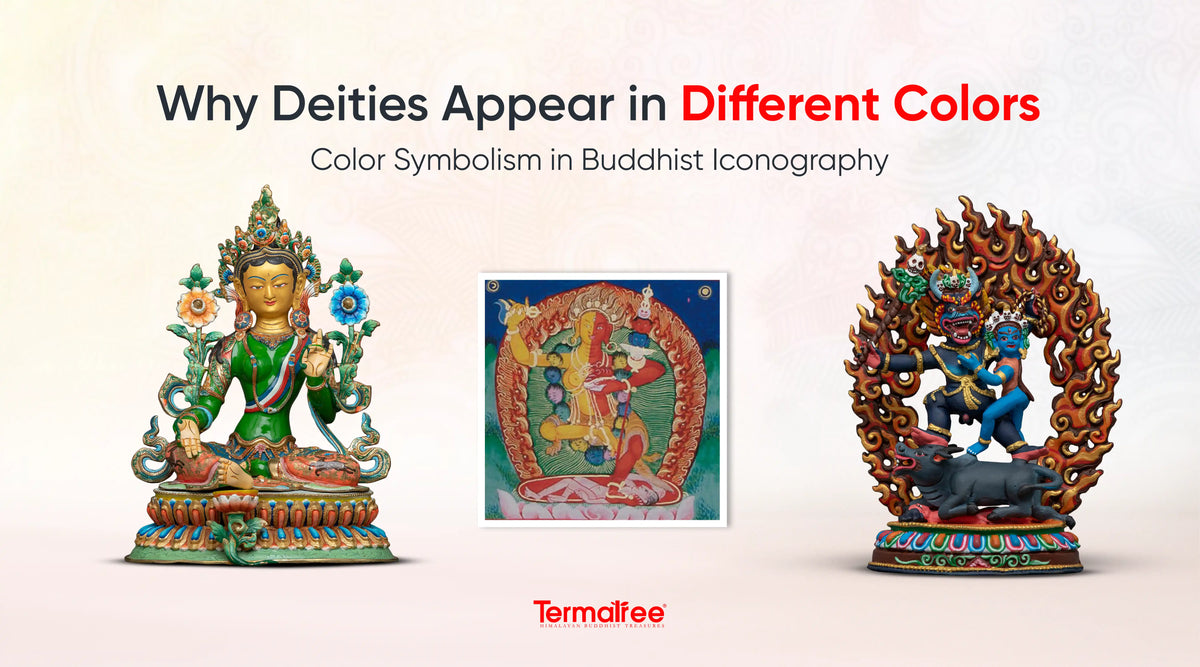

A Fusion of Faith and Creativity: The Rich Cultural Heritage of Kathmandu Valley
Kathmandu Valley is known as the "City of Deities" and has a long history that reflects Nepal's spiritual culture and the high respect the people have for God. The Kathmandu Valley, the center of Hinduism and Buddhism, is home to many gods who affect the spiritual and physical worlds. They are Hindus and Buddhists, and thus, they perform rituals, make artifacts, and build beautiful temples.
The beauty of the Kathmandu Valley is also evident in the temples, stupas, and shrines, such as the renowned Pashupatinath Temple and Boudhanath Stupa, which are awe-inspiring symbols of divine power. The combination of the two spiritual traditions, Hinduism and Buddhism, creates a vibrant spiritual community, full of lively festivals and rich artistic expression. The artistry and architecture of the Kathmandu Valley are a result of centuries of devotion and dedication to the deities of Hinduism and Buddhism. The valley is highly religious and artistic; its geography is unique, with many gods and numerous temples, stupas, and shrines dedicated to them. This locale is not only a spiritual place but also an art place. The idols of godlike personalities are decorated with elaborate carvings, sculptures, paintings, and colorful festivals. Ultimately, the Kathmandu Valley underscores the close relationship between spirituality and culture and reinforces its status as the "City of Deities."

Divine Forces of the Kathmandu Valley: A Journey Through Spirituality and Art
The Kathmandu Valley is the spiritual and cultural hub where the traditions of Hinduism, Buddhism, and animism converge. The religious and artistic geography of the valley is very distinctive, with so many deities and the temples, stupas, and shrines that commemorate them. This holy place is not just a place of spirituality but also of art. Godlike personalities are worshipped with elaborate carvings, sculptures, paintings, and vibrant festivals.
Buddha: The Enlightened One

The Kathmandu Valley has a significant history linked to Buddhism, specifically Vajrayana Buddhism. Buddha has always been regarded as one of the most revered spiritual leaders in the Kathmandu Valley, with the massive Buddhist structures Swayambhunath Stupa and Boudhanath Stupa as essential places for Himalayan Buddhists to visit to be reminded of the Dharma of Buddha.
The influence of Buddha can also be seen throughout the Kathmandu Valley, notably in the colorful, ornate paradigms of Thangka painting and the beautiful architecture of the stupas. Thangkas often depict the Buddha in various forms—generally seated in a meditative pose or holding a teaching hand up in front of him—and are equally crucial as artistic expressions and instruments to aid practitioners during meditation. The Boudhanath Stupa is perhaps the most recognized symbol of Buddhist art and thought in the Kathmandu Valley, with its distinctive domed shape and Buddha's all-seeing eye watching down on worshippers, serving as a constant reminder of the path to achieving Buddhahood and remaining alert and aware of their experiences in the present moment.
Pashupatinath: The Deity of Deities

Lord Shiva, one of the principal gods of Hinduism, resides in the Pashupatinath Temple in the heart of Kathmandu. Pashupati is also known as the "Lord of the animals", and it is a holy place visited by thousands of pilgrims worldwide because it is among the most sacred places for Hindus; it holds great importance for people in the Kathmandu Valley.
The Pashupatinath Temple is also renowned for its tall pagoda-like structure and rich wooden carvings that testify to Shiva's all-powerful nature and his supernatural ability to transcend the material world. Millions of international tourists travel to visit the temple to conduct prayers on behalf of their dead relatives and friends. The rituals correspond to the duality of Shiva in the annihilation and formation of the world. The temple has wooden carvings and metal sculptures, many portraying Shiva as Nataraja (the cosmic dancer) or as an ascetic in deep concentration, and they are a reflection of the cycles of life that continuously happen both physically and spiritually. The rich artistic past and present spiritual heritage of the Kathmandu Valley is reflected in the complex carvings on and about the temple.
Kumari: The Living Goddess

Kathmandu's religious life is unique, as seen in the worship of the Living Goddess, or Kumari. A young girl from the Newar community who has not yet entered puberty is selected to be the goddess Taleju, a manifestation of Durga, the Hindu goddess of power and protection. Both Hindus and Buddhists venerate Kumari in the Kumari Ghar (Kumari Palace) at the center of Kathmandu Durbar Square.
Her position is symbolic and spiritual, as she represents the purest, untainted energy of divine womanhood. The process of selecting the Kumari is religious and complex, involving high physical, health, and astrological standards. It is also during religious festivals and other community events that the Kumari is taken out to the streets in a golden chariot, and thousands of people flock to see the procession. The deity of the Kumari has had an impact on Kathmandu, leading to a rich collection of artworks in the form of sculptures, paintings, and murals that attest to how highly not only the Hindu culture but also the Buddhist culture values her.
Durga: The Divine Protector

Durga is a mighty warrior whom the people worship. Each year, on the greatest of Hindu festivals (Dashain), people acknowledge and accept the existence of Durga and her presence. People honor Durga because she's regarded as their mother goddess, who is strong, courageous, and a protector of her devotees. She is also shown riding a lion or tiger and wielding weapons in most of the pictures, which represent her triumph over Mahishasura (a buffalo demon). The presence of Durga and her ability to defeat Mahishasura convey the idea of good conquering evil.
The Durga temples located in Chhetrapati and throughout the valley are major centers where people worship Durga, whose devotees flock to these temples during Dashain to celebrate the festival with animal sacrifices, prayer, and fellowship to honor the many forms of Durga and the blessings she provides to her devotees. The arts also depict Durga as the Holy Protector and Source of Strength for her devotees through various forms of art, dance, and performance traditions during the festive season, which depict the mythologies of Durga's victories. The festival maintains the divine protection of Durga in the cultural definition of Kathmandu Valley.
Vishnu: The Maintainer of the Universe

Hinduism believes that Vishnu is the god of the universe's protection. The other two gods responsible for protecting the universe are Brahma, who creates it, and Shiva, who brings it to an end. The Kathmandu Valley is home to several important temples dedicated to Vishnu, while the Changu Narayan Temple lies outside the valley. This temple is considered one of the oldest Hindu temples in Nepal and is a particular place of worship for followers of Vishnu.
There are many representations of Vishnu's various avatars (incarnations), such as Matsya, Kurma, Varaha, and Rama. These forms have been depicted in sculptural/painted forms throughout the valley and have been given distinct meanings through their symbolic representations of how Vishnu maintains order and balance among the elements within the universe. In addition to temple and shrine representations, Vishnu has also had a significant impact on classical music and dance in the valley, as many of the dances depict stories about him.
A Spiritual Center: Religious Traditions of the Heart of Nepal
The Kathmandu Valley is a spiritual haven, home to Hinduism, Buddhism, and animistic traditions that coexist in peace. These religions have significantly influenced the culture, arts, architecture, and festivals of the valley.
1. Hinduism in the Kathmandu Valley
Nepal has Hinduism as its primary religion, and it is also well-rooted in the region. Pashupatinath Temple is a UNESCO World Heritage Site and one of the most significant pilgrimage sites for Hindus. It is dedicated to Lord Shiva. The temple's architecture and carvings, along with its sculptures, demonstrate the valley's deep concern for spirituality. Dashain and Tihar are two Hindu religious festivals celebrated through music, dance, and art, in which righteousness overcomes evil.
2. Buddhism in the Kathmandu Valley
The valley has a strong Buddhist tradition, particularly Vajrayana Buddhism, which is rooted in the Tibetan and Newar traditions. The two most significant spiritual and artistic places in the world are the Boudhanath Stupa and the Swayambhunath (Monkey Temple). The calm of the stupa and the vibrant murals and prayer flags at these places reveal the degree of commitment the valley has to adhering to the teachings of the Buddha.
3. The Syncretic Nature of Nepali Spirituality
The combination of Hindu and Buddhist customs is one of the most captivating aspects of the Kathmandu Valley. The idolatry of the Hindu deities and Buddhist ones occurs frequently, and this is why a form of spirituality transcends the boundaries of personal beliefs. The art, practices, and daily activities of the valley reflect the union of these two cultures. This renders the region's spiritual landscape very diverse and peaceful.
The Artistic Renaissance of the Kathmandu Valley
The cultural heritage of the Kathmandu Valley is a result of both its deep spirituality and its contemporary artistry. The valley has significantly influenced the region's artistic and cultural production since ancient times, particularly through the works of skilled Newar craftsmen, which now constitute much of the valley's traditional craft production, and it continues to inspire many contemporary artists who draw from this heritage.
The Buddhist Architecture and Sculpture Impact
The Kathmandu Valley has a unique architectural style characterized by elaborately carved wooden windows, pagoda-roofed buildings, and high stone temples. The designs of the temples and palaces within the valley depict the religious faith in the region. The Newar artisans played an essential role in the formation of this type of architecture. Many examples can be found in the valley is home to numerous stupas and shrines, including Kathmandu Durbar Square, the Golden Temple in Patan, and others. The intricate wood carvings and stone sculptures created by the Newar community are essential elements of the valley's religious and artistic heritage.
One of the major areas of creative production of Kathmandu Valley is sculpture. Most of the sculptures in the valley represent religious personalities like gods and saints, and also different animals. Sculptures are made out of different materials such as bronze, stone, and wood. The sculptures created in the valley do not just depict an artwork creation, but they carry with them tremendous importance in the religious activities in the region.
Folk Art: Folk Handicrafts

(Photo from The Metropolitan Museum)
The Kathmandu Valley is well endowed with traditional folk arts such as colorful Thangka paintings, handwoven fabrics, ceramics, and crafted metal. The artisans of the Newar, particularly, are famous for producing paubha, which shows deities of both the Hindu and the Buddhist faiths. Metalwork is also utilized in religious rituals and is mixed with art to produce bells, statues, and offering vessels.
Sound of Tradition: Music, Dance, and Theater
 (Photo from The Kathmandu Post)
Music and dance have played an essential role in expressing the culture of the Kathmandu Valley. During festivals, traditional Nepali music fills temples and streets. This music includes bhajans, mantras, and other folk styles. Drums, flutes, and cymbals produce sounds that create a festive atmosphere. Many religious festivals feature masked Newar dances, which convey stories and myths through vibrant costumes, elaborate masks, and rhythmic choreography, and help define the valley's creative legacy.
Tradition of Literature: Continuation of the Sanskrit Language in Nepal

The Kathmandu Valley has historically been a hub for artistic expression through literature and intellectualism, and it is where all remnants of ancient Sanskrit literature were preserved. Moreover, as the numerous religious and academic unions of the Mallas would indicate, during this period, between the 10th and the 16th centuries, the Shrestha Mallas employed the Nepali language to create written records in physical, spiritual, and emotional forms. Furthermore, Kathmandu Valley was connected to a significant number of other places in Asia, thus allowing thematic contact and consequently the development of literary culture in and near Nepal (i.e., libraries and monasteries played a key role in the preservation and conservation of the numerous older manuscripts that were and still are brought together).
Conclusion:
Kathmandu Valley, also known as the City of Deities, is a religious, artistic, and cultural center. It depicts an extreme reverence for Hindu and Buddhist gods, and this has given rise to magnificent art and architecture. Pashupatinath and Swayambhunath are the other two significant sites to visit in the valley. They both have beautiful temples, detailed sculptures, and paintings that unveil how the valley brings together divinity and creativity. The festivals held in the valley blend Hindu and Buddhist cultures, creating a cultural setting that brings people together irrespective of their religious beliefs. Religious piety is mixed with intelligent artistic expression, as shown by the incredible skill of Newar artisans and folk artists. The area is also rich in intellectual and cultural history, as evidenced by its contributions to literature, music, dance, and sculpture.
Kathmandu Valley is a religious center and an art enclave. It retains ancient traditions and, at the same time, enhances the culture of inventiveness, which forms the cultural identity of Nepal. There are interactions among religion, art, and culture that strengthen the valley's rich history as a spiritual and artistic destination. This invites us to see the divine beauty in its sacred places.