Chitipati Statue Collection
12 products
Showing 1 - 12 of 12 products
Chitipati: The Lords of the Cemetery and Symbols of Impermanence
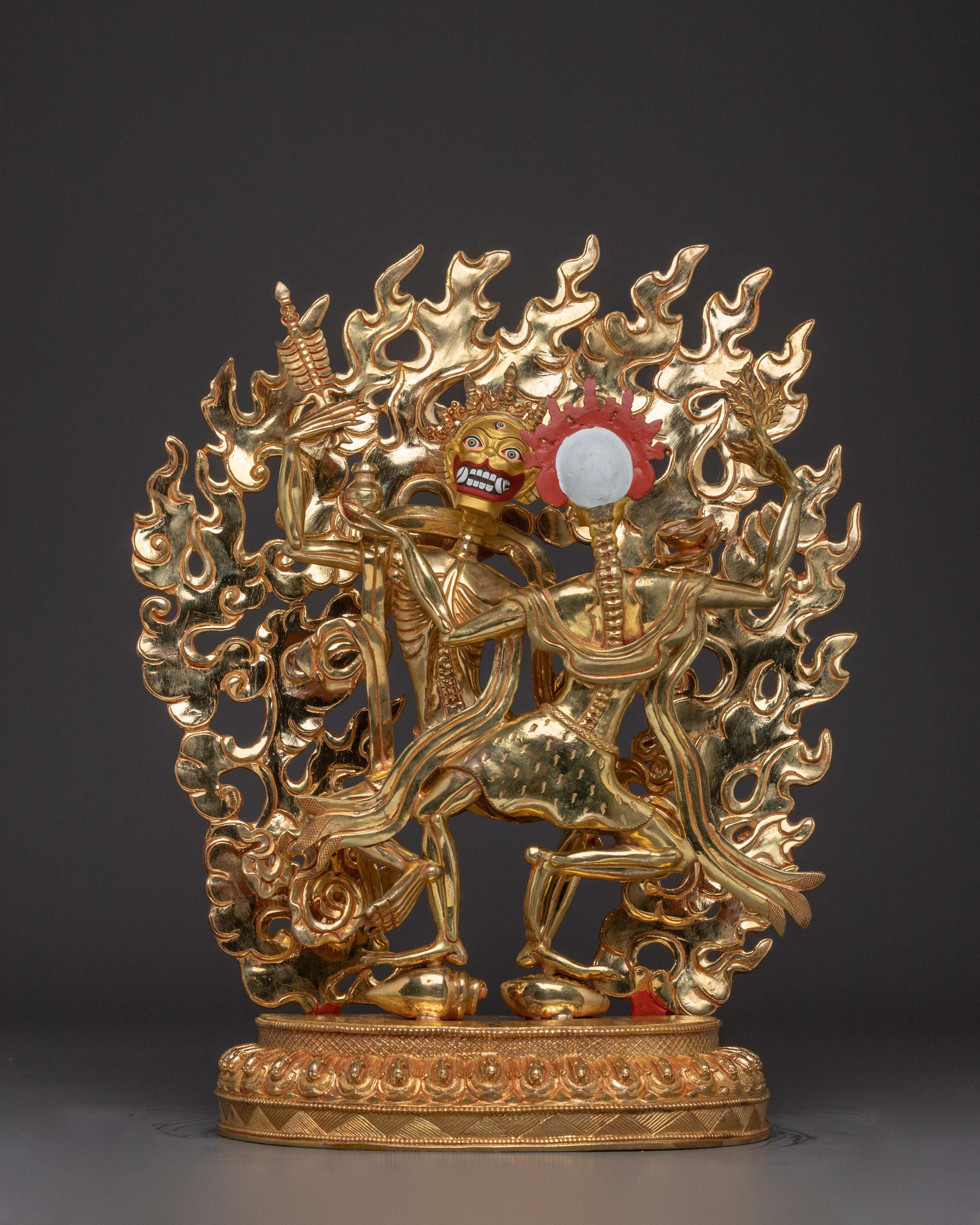
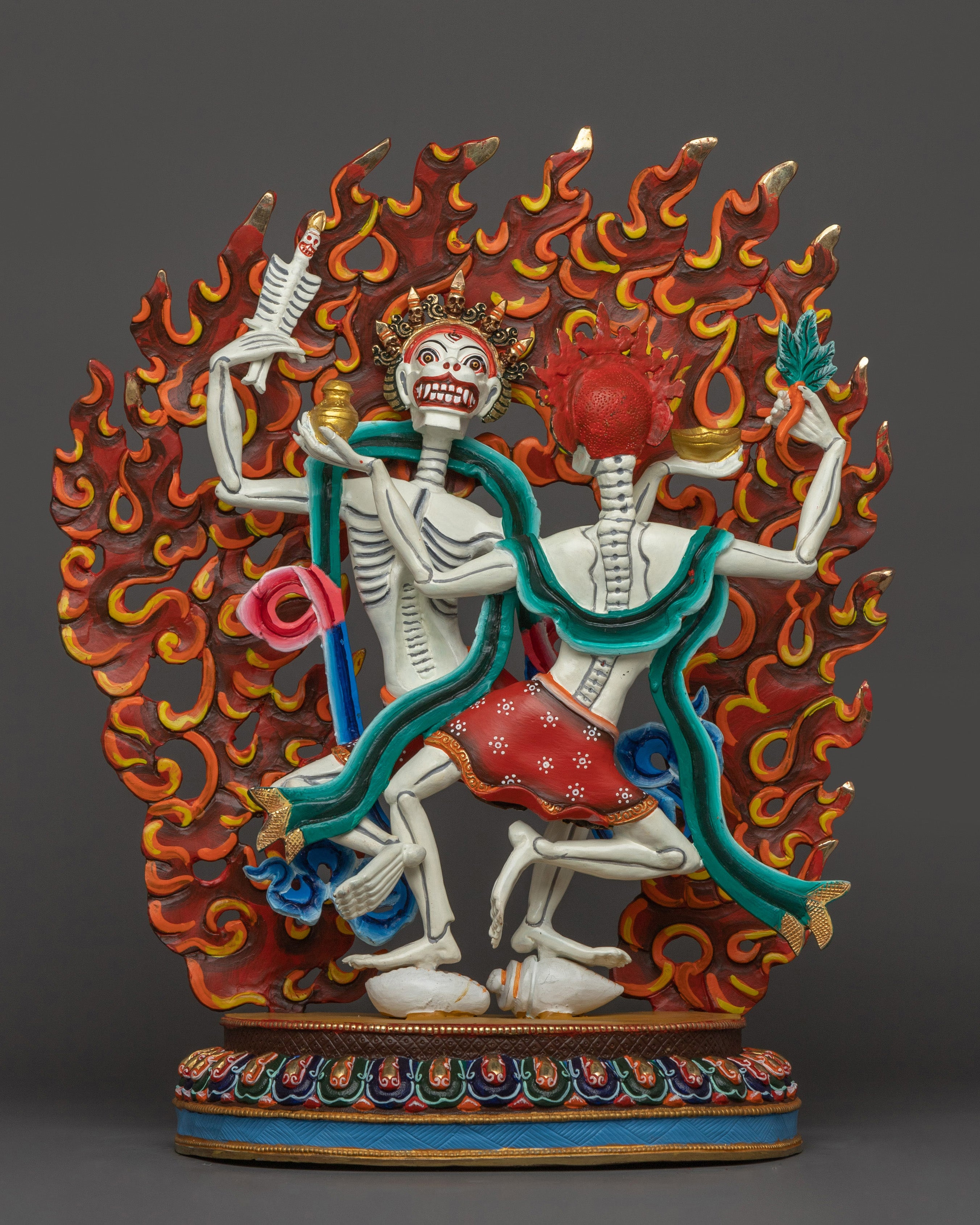
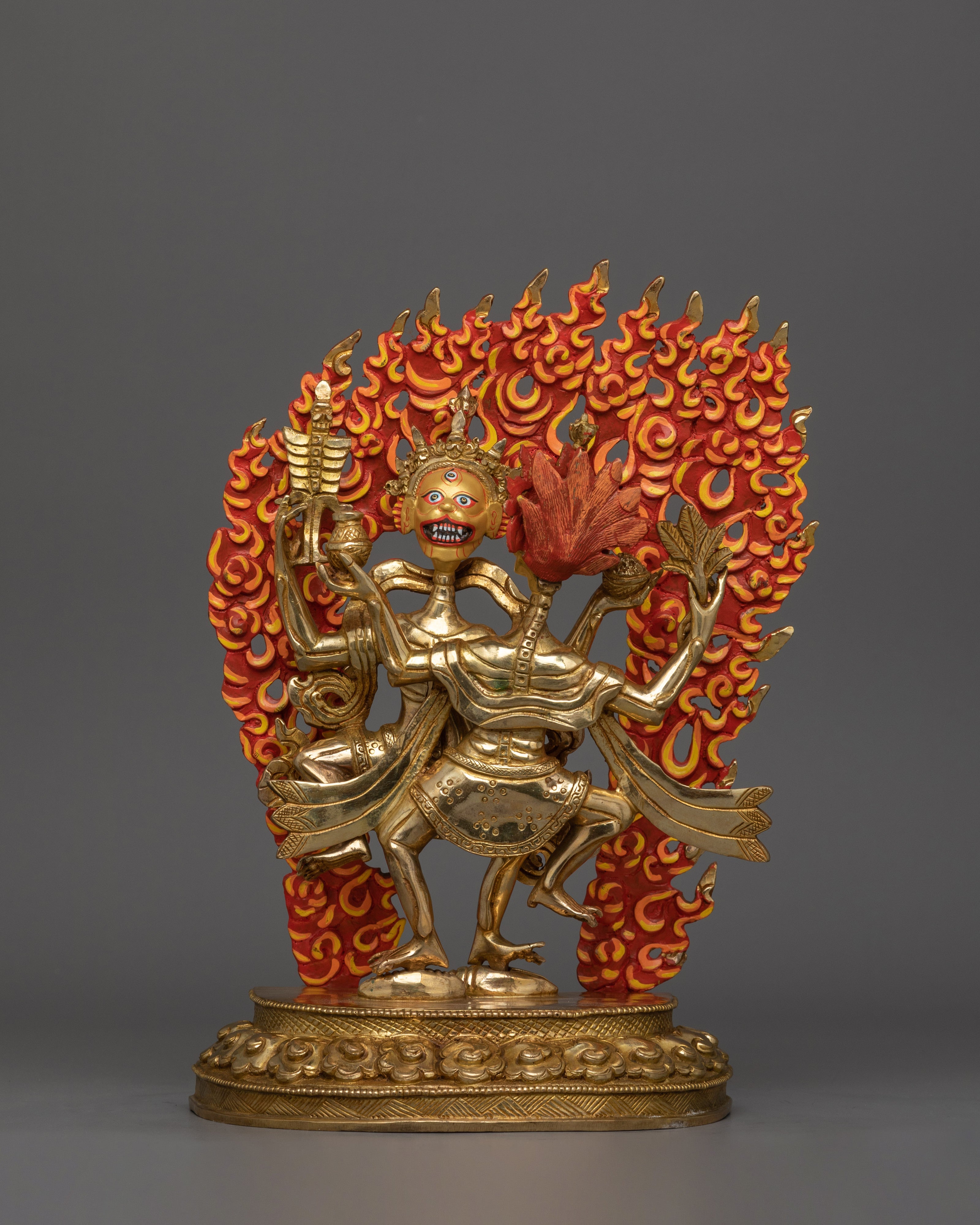
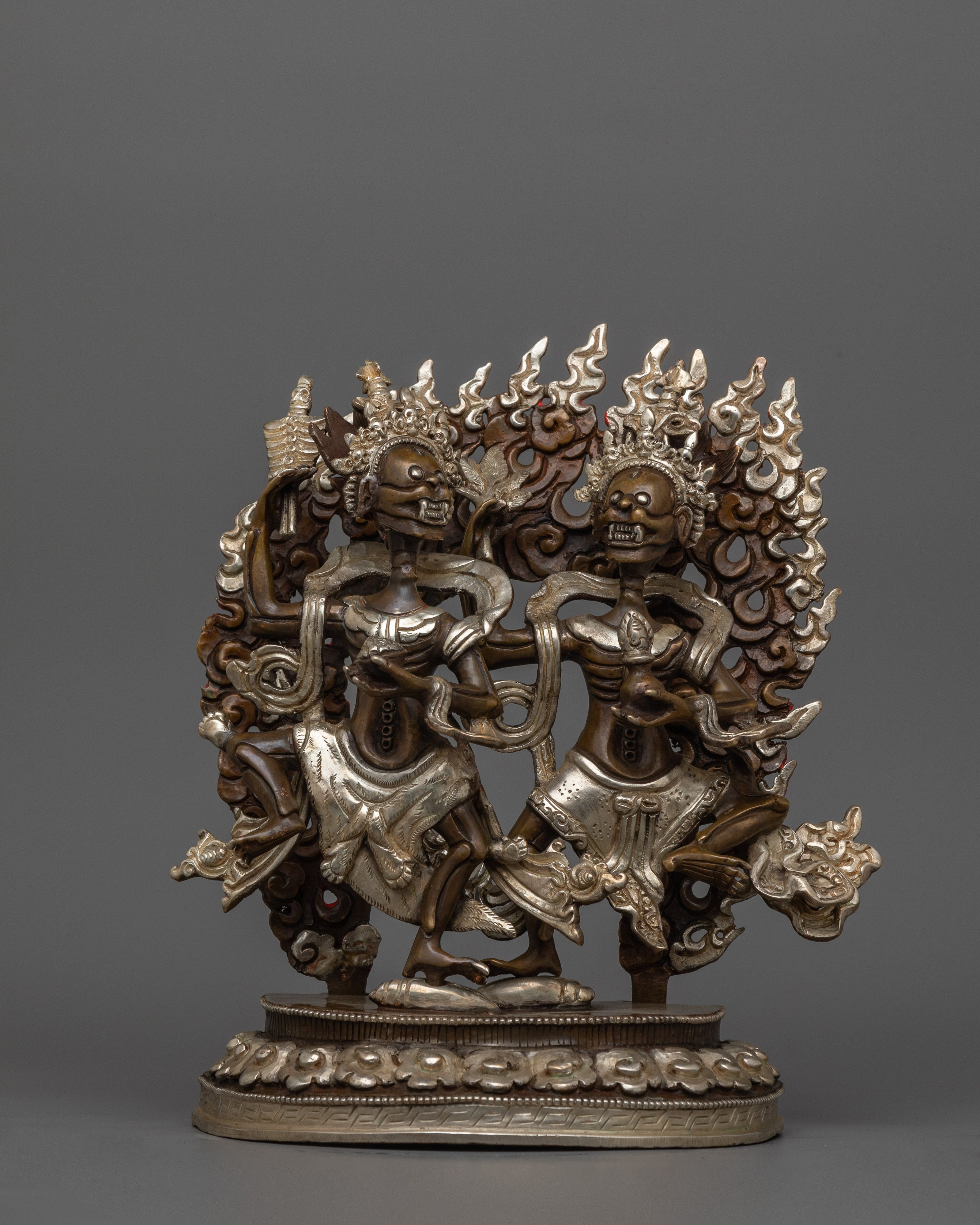
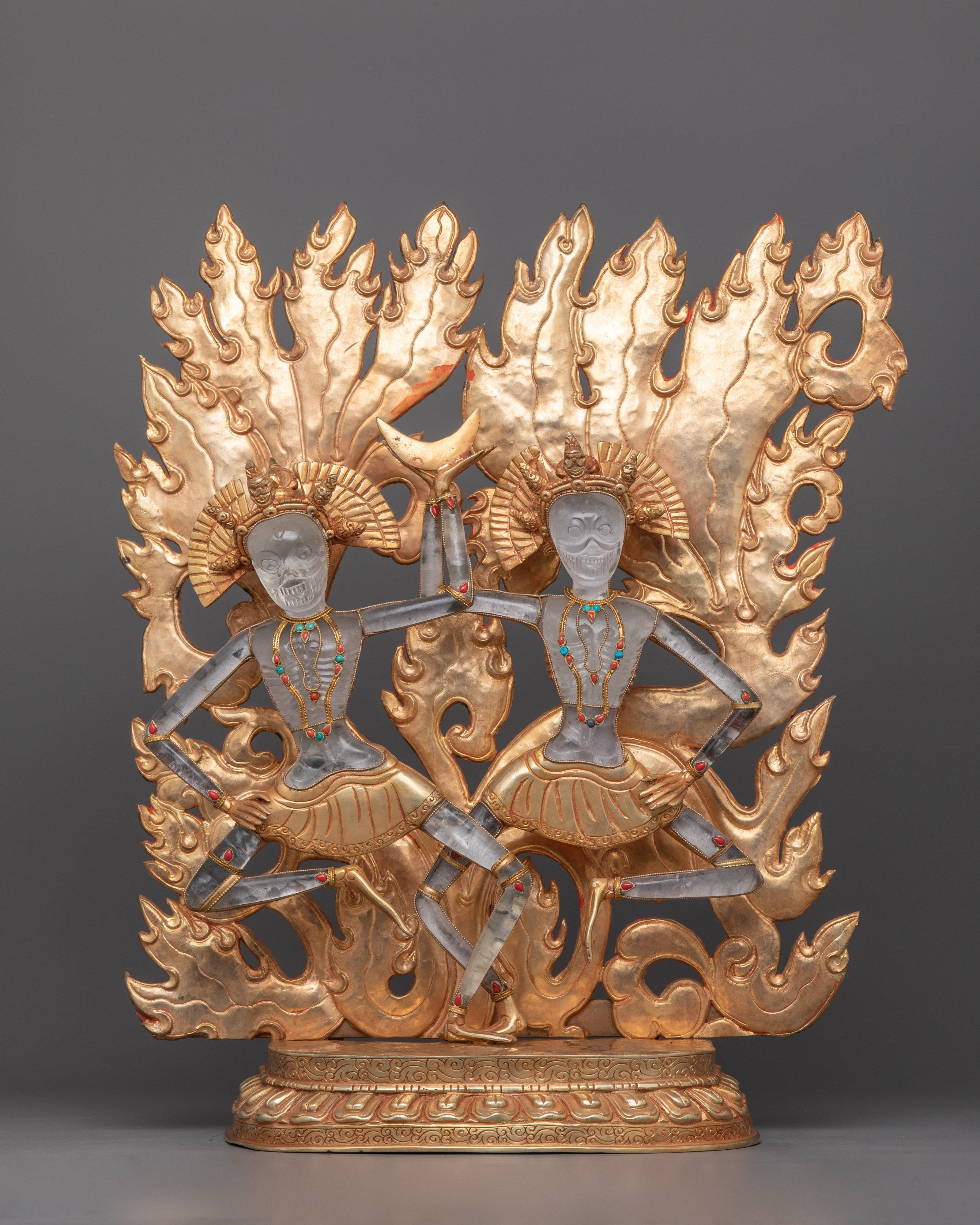
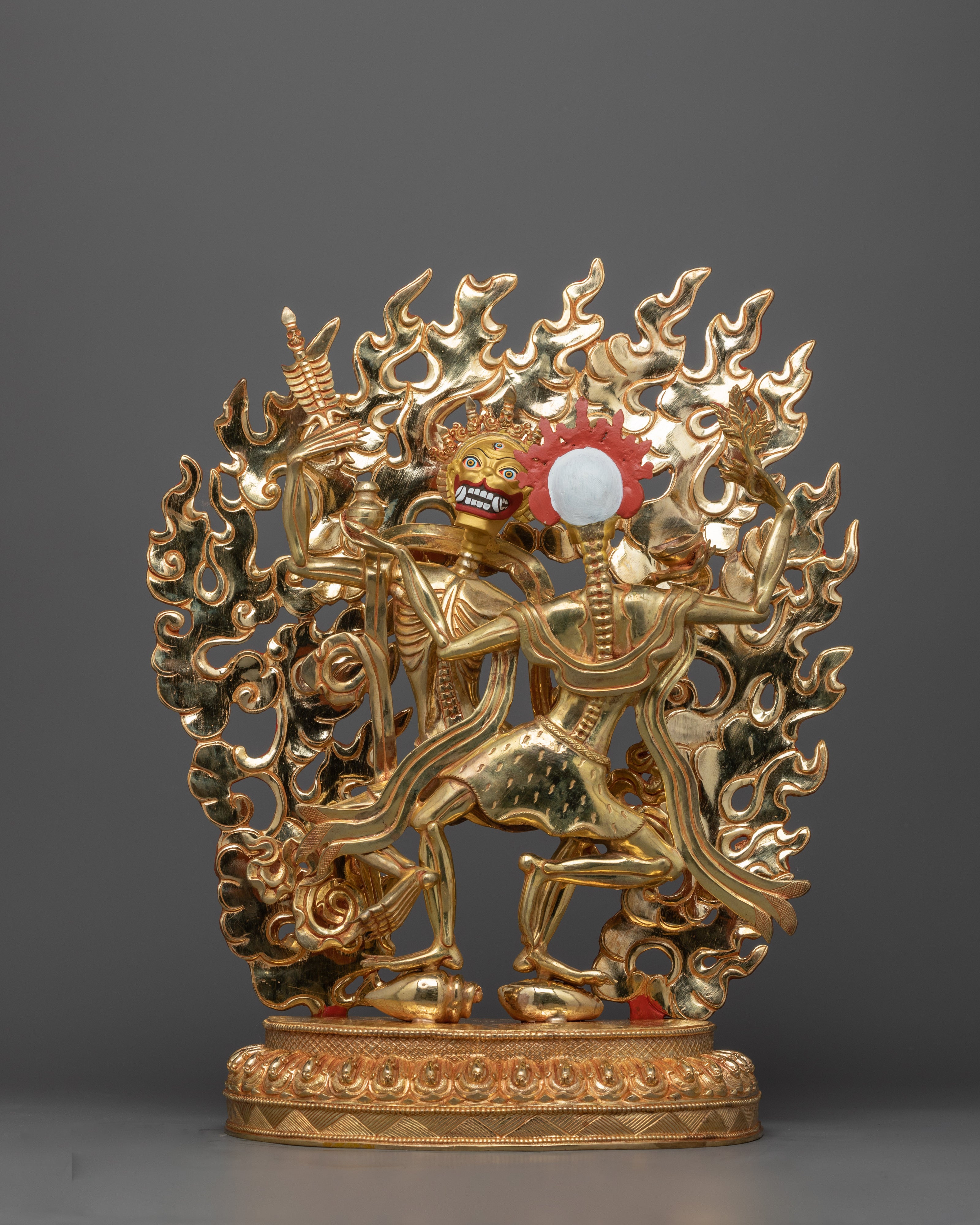
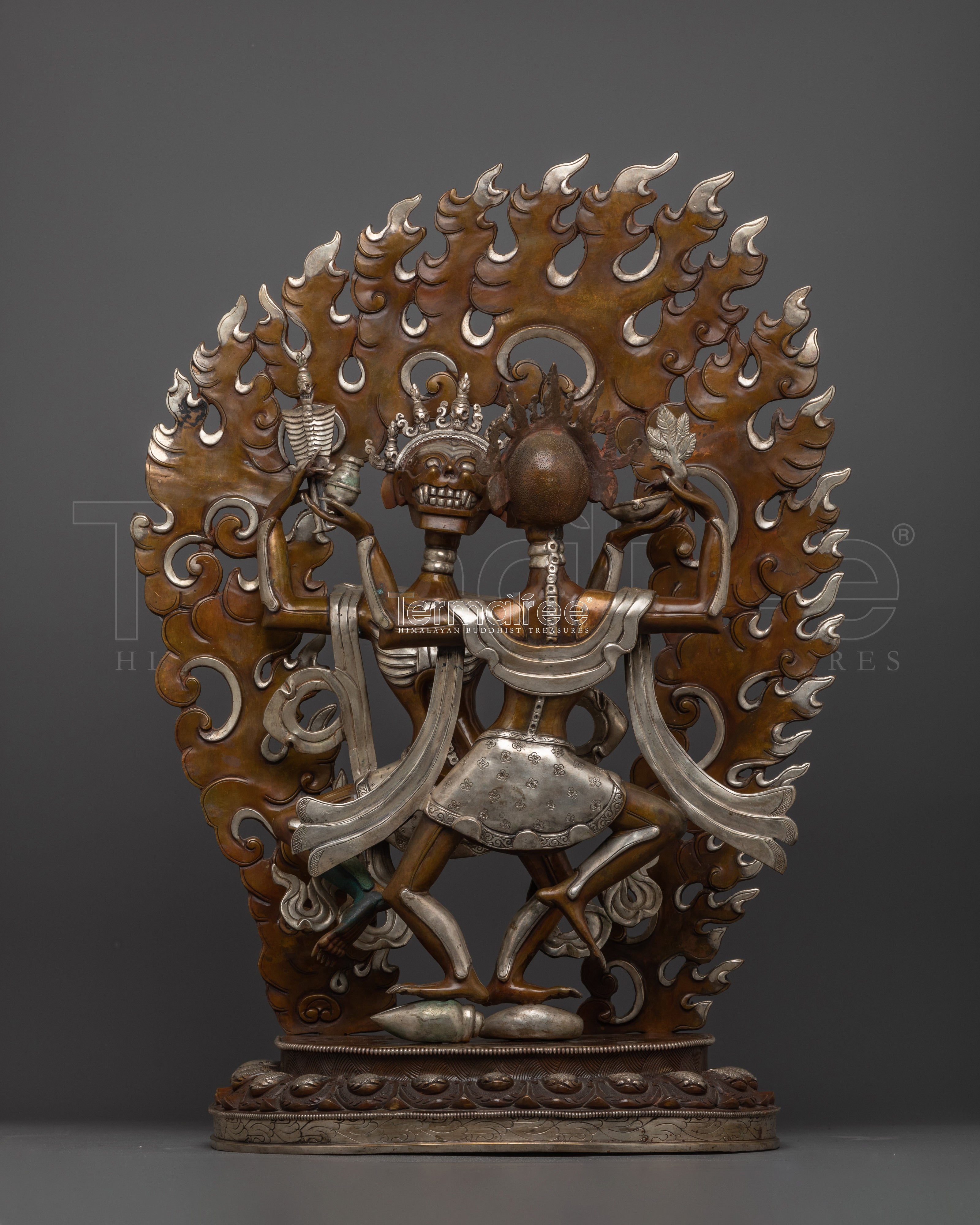
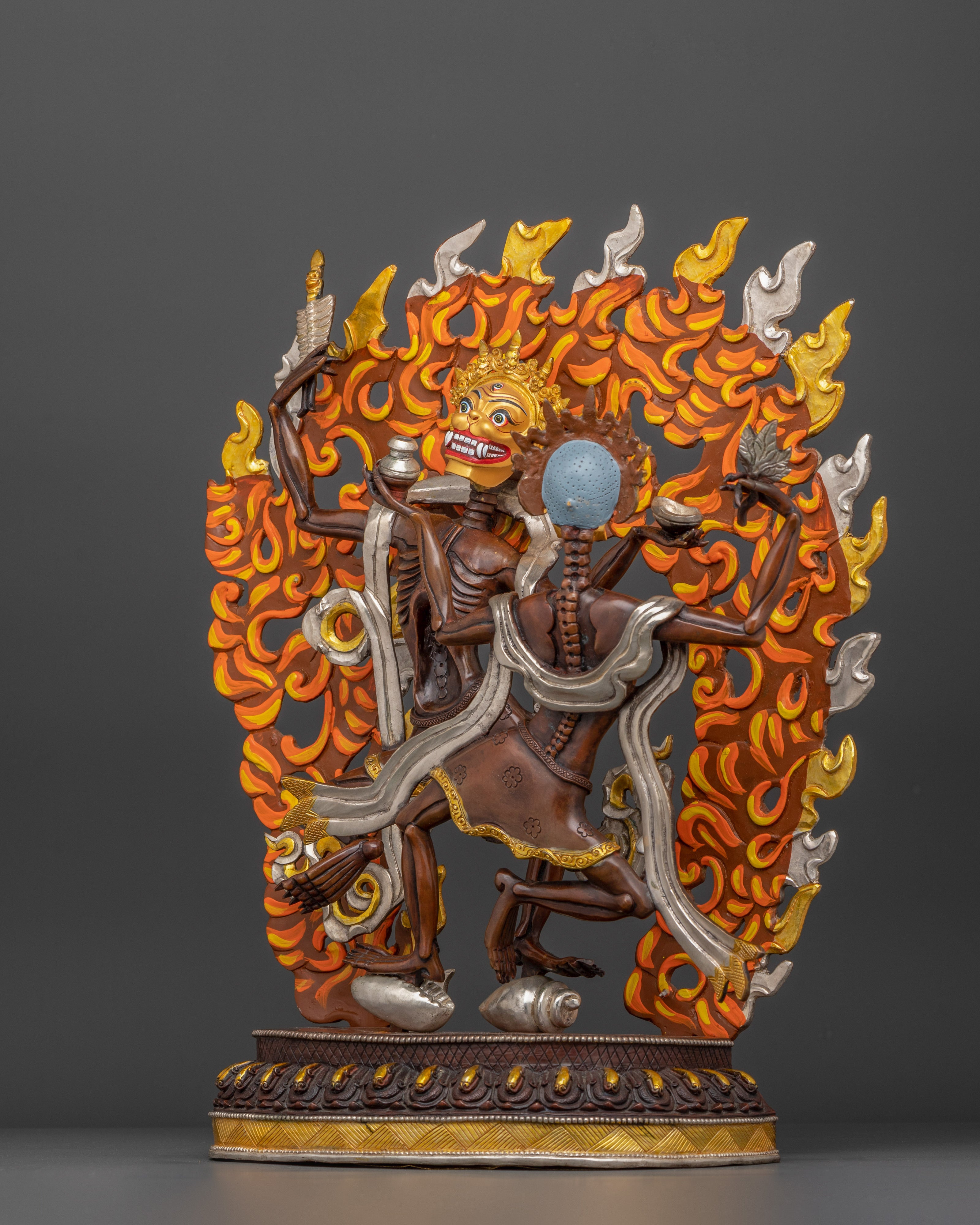
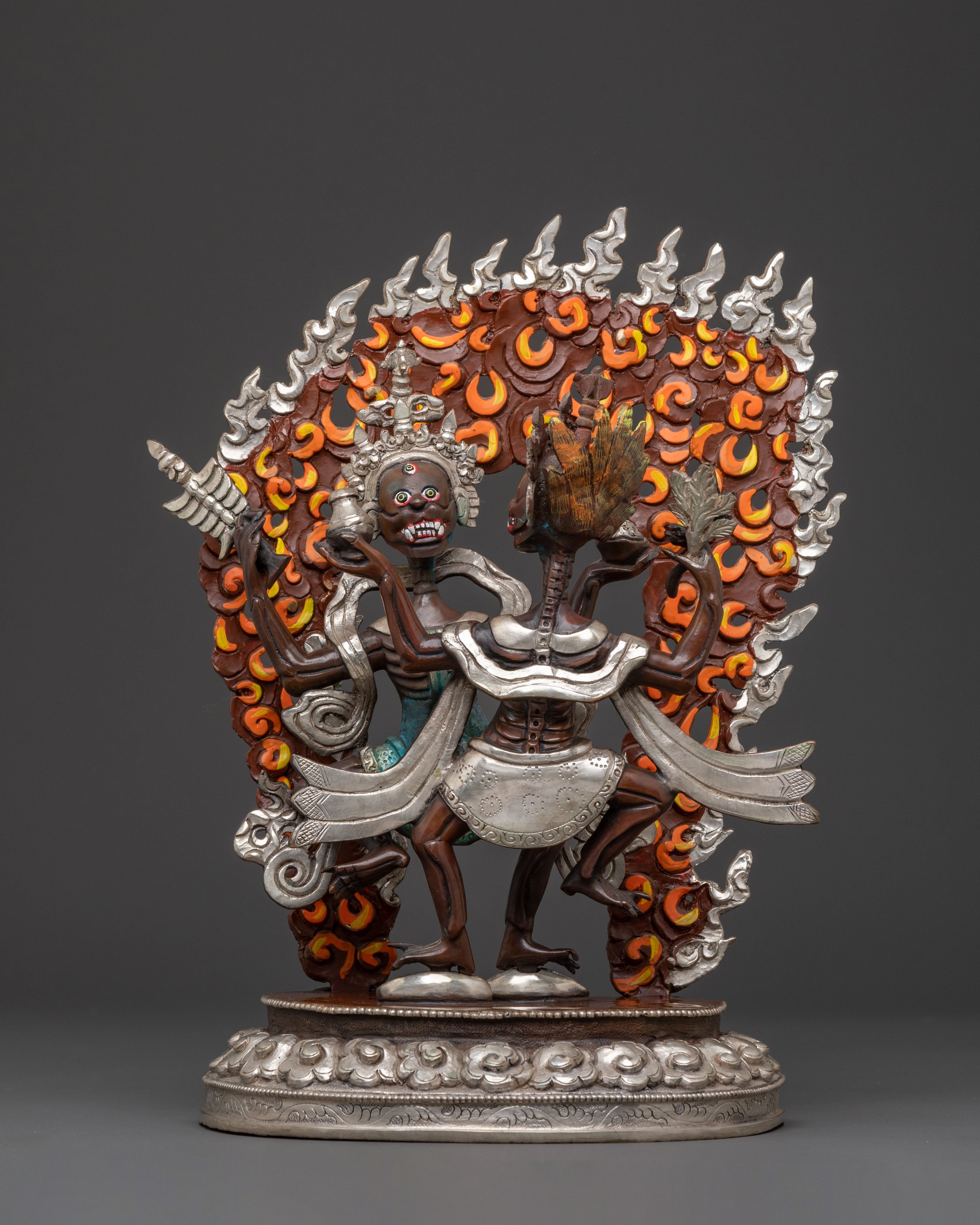
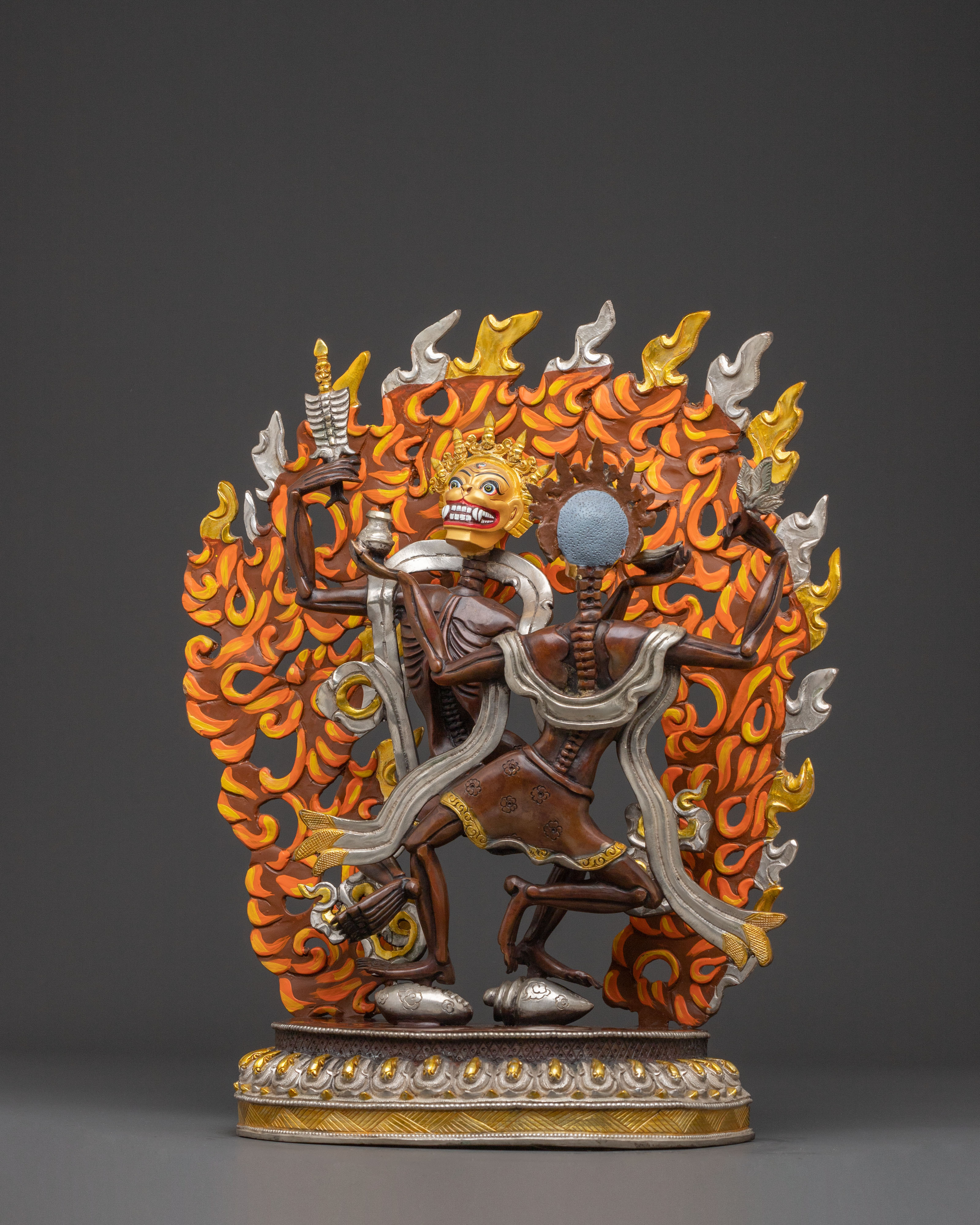
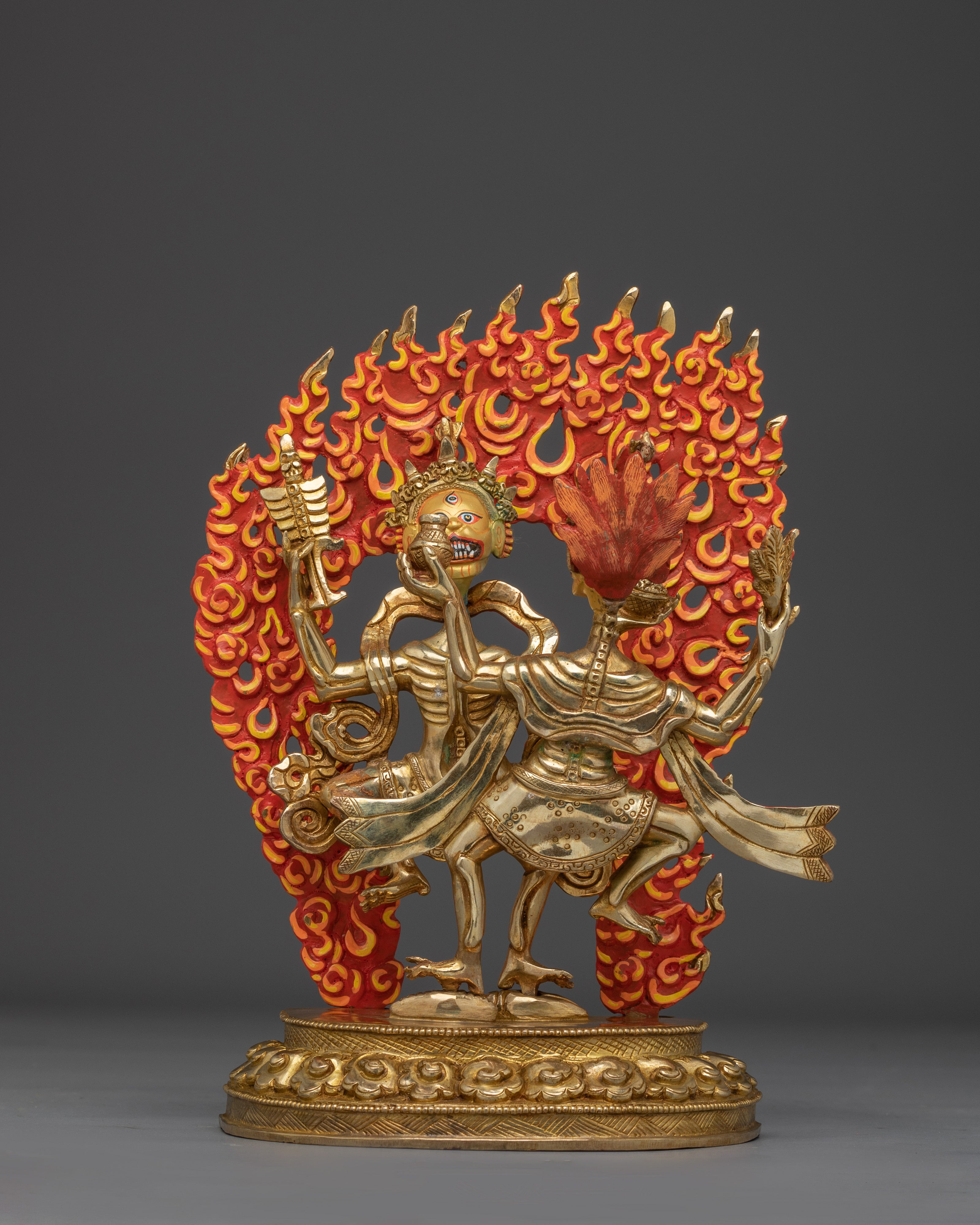
Chitipati, also known as the Lords of the Cemetery, are powerful skeletal protector deities in Tibetan Buddhism. They are often shown as a dancing male and female pair, representing impermanence, emptiness, death, and liberation from fear. Their striking form teaches practitioners that life is temporary, the body is impermanent, and wisdom arises when fear is transformed into spiritual awareness.
Iconography & Attributes:
- Skeletal Form: Chitipati are depicted as skeleton figures, symbolizing the impermanent nature of the physical body. Their skeletal appearance reminds practitioners that all worldly forms are temporary and subject to change.
- Male and Female Pair: They are often shown as a male and female pair, representing the union of wisdom and method. This pairing reflects balance, sacred energy, and the completeness of enlightened realization.
- Dancing Posture: Their energetic dance symbolizes liberation from fear, ego, and attachment. Rather than presenting death as something terrifying, their dance transforms death into a joyful teaching of freedom.
- Skull Crowns: Chitipati may wear crowns made of skulls, representing the transformation of death into wisdom. The skulls remind practitioners to overcome pride, ego-clinging, and attachment to identity.
- Bone Ornaments: Their bone ornaments are connected with charnel ground symbolism. They represent fearlessness, renunciation, and the yogic ability to transform what is feared into a source of realization.
- Skull Cup: If shown holding a skull cup, it symbolizes transformation, offering, and the conversion of ordinary attachment into awakened awareness.
- Bone Staff or Ritual Object: A bone staff or ritual implement represents spiritual authority within the charnel ground tradition. It shows the power to face impermanence directly and turn it into wisdom.
- Circle of Flames: Chitipati are often surrounded by flames, symbolizing wisdom fire, purification, and the burning away of ignorance. The flames also express their role as powerful protectors.
Sacred Practice and Its Meaning
Chitipati practice is connected with protection, impermanence, and freedom from fear. Their imagery encourages practitioners to remember the preciousness of human life and to use it meaningfully for Dharma practice.
Origins and Spiritual Role
As cemetery lords, Chitipati are associated with charnel ground symbolism in Vajrayana Buddhism. They protect the Dharma while teaching the deep truth that liberation begins when fear, attachment, and ego are understood clearly.
Why Keep a Chitipati Statue on Your Altar?
- Reminder of Impermanence: Chitipati help practitioners remember the temporary nature of life.
- Protection from Fear: Their form inspires courage and freedom from fear of death.
- Symbol of Transformation: They show that death, decay, and fear can become wisdom.
- Meaningful Vajrayana Presence: Their statue is powerful for protector shrines and deep spiritual practice.
Why Choose Our Chitipati Statues?
- Detailed Skeletal Iconography: Each statue highlights the dancing posture, skull crowns, bone ornaments, and symbolic details.
- Handcrafted in Nepal: Our Chitipati statues are handmade by skilled Himalayan artisans.
- Ideal for Collectors and Practitioners: These pieces are meaningful for Vajrayana shrines and Buddhist art collections.
- Preserving Rare Symbolism: Each statue supports the continuation of sacred protector imagery.
Preservation of Sacred Himalayan Craftsmanship
Our Chitipati Statue Collection preserves the profound skeletal protector imagery of Himalayan Buddhist art. Each statue reflects impermanence, wisdom, and the sacred artistry of Nepalese craftsmanship.