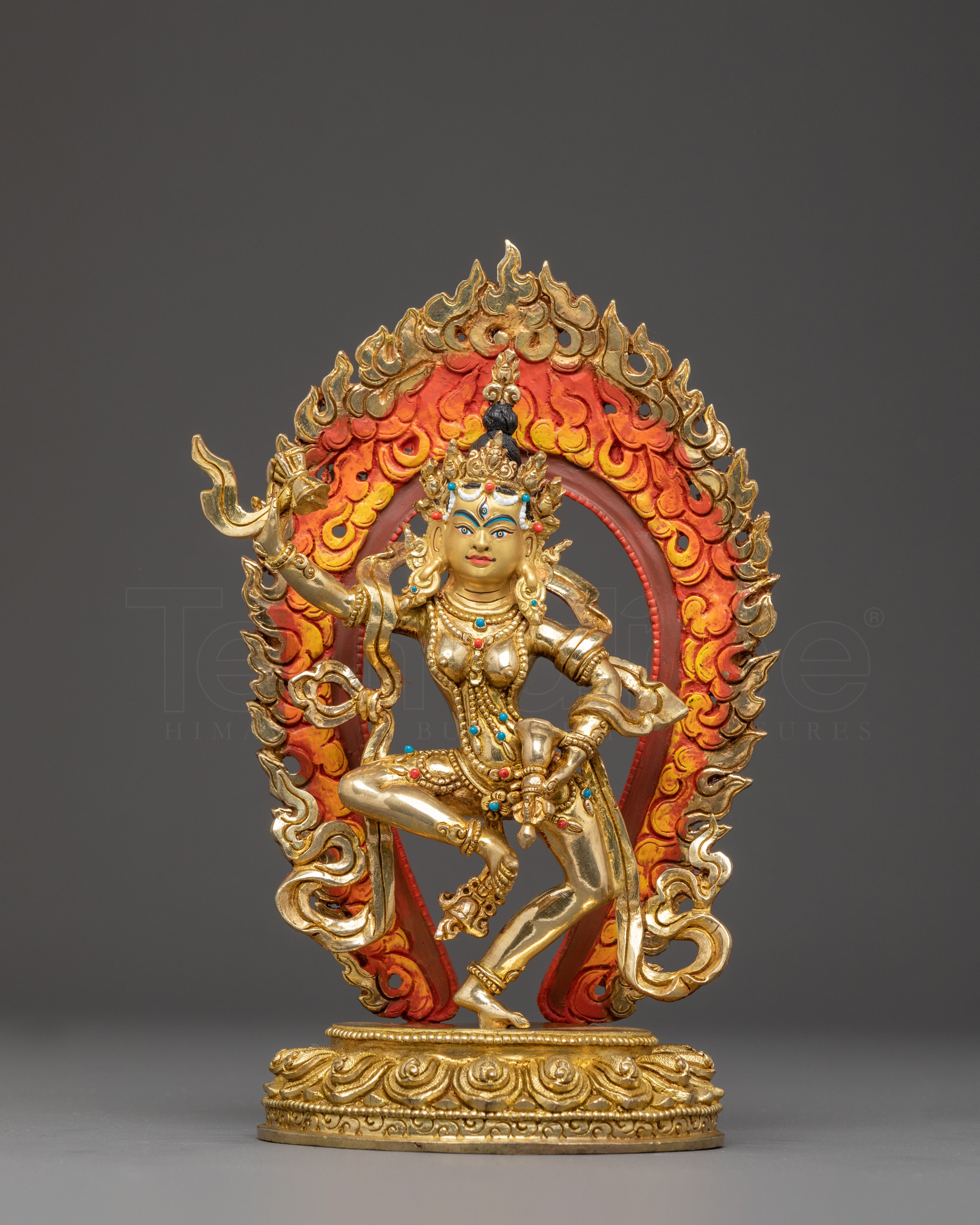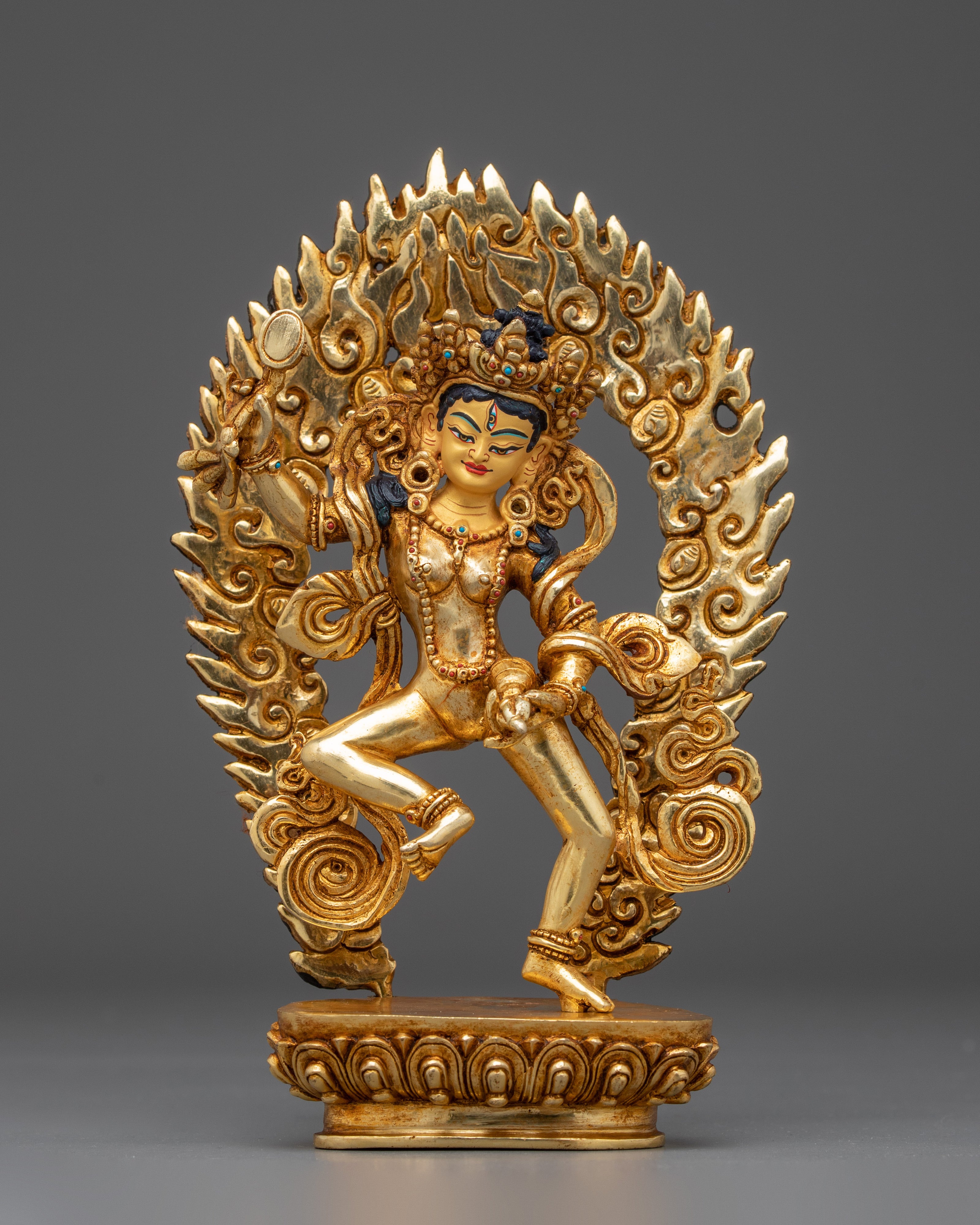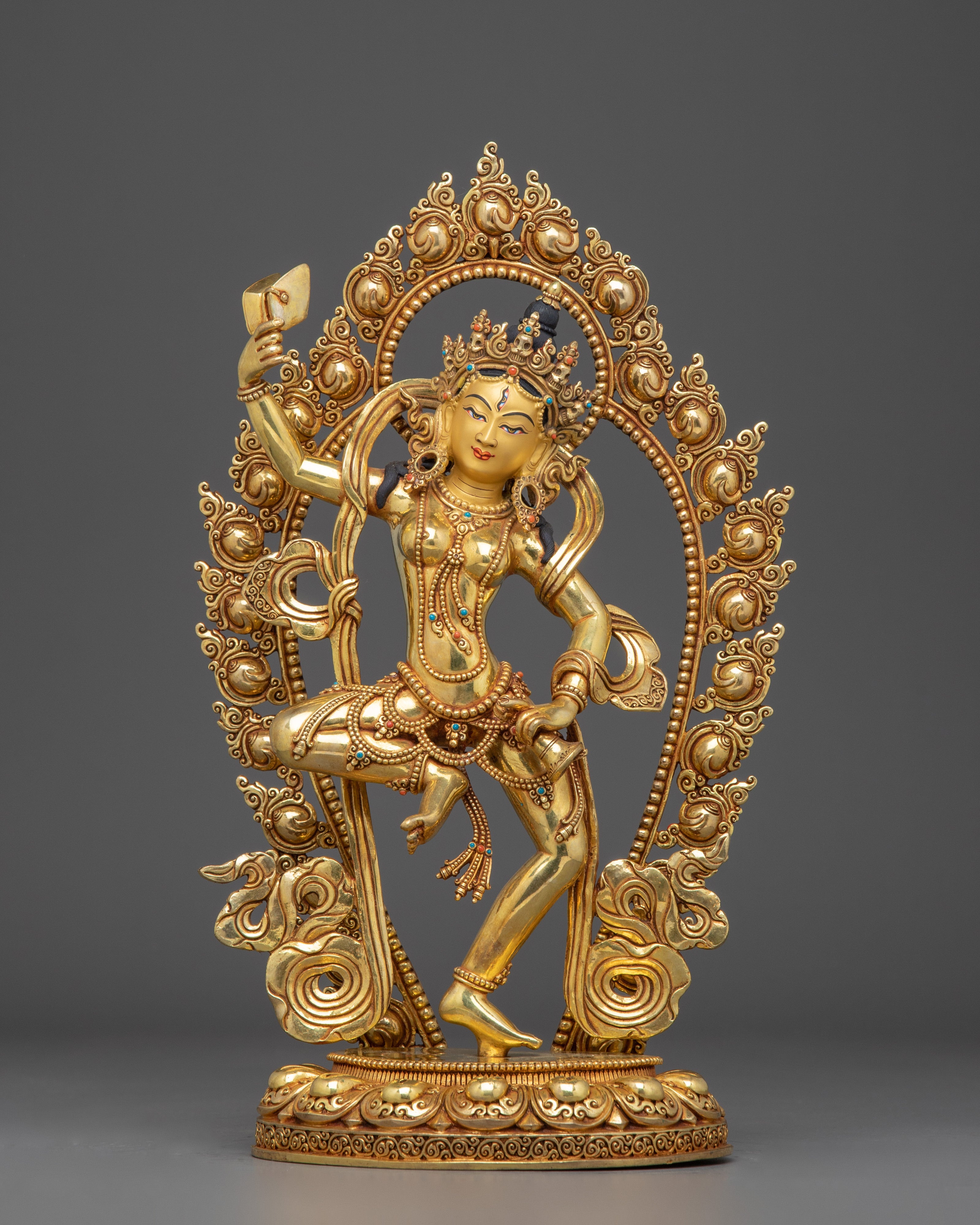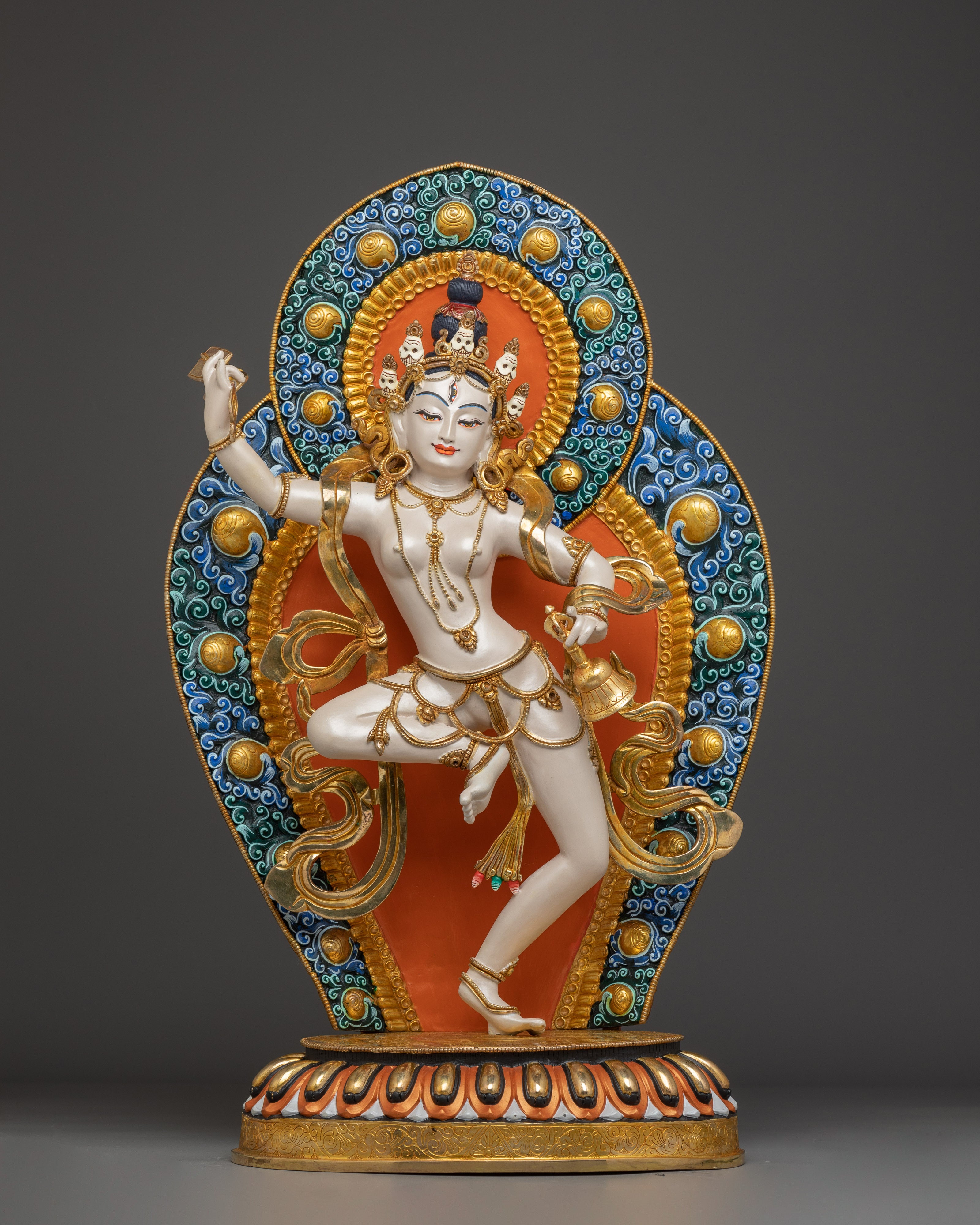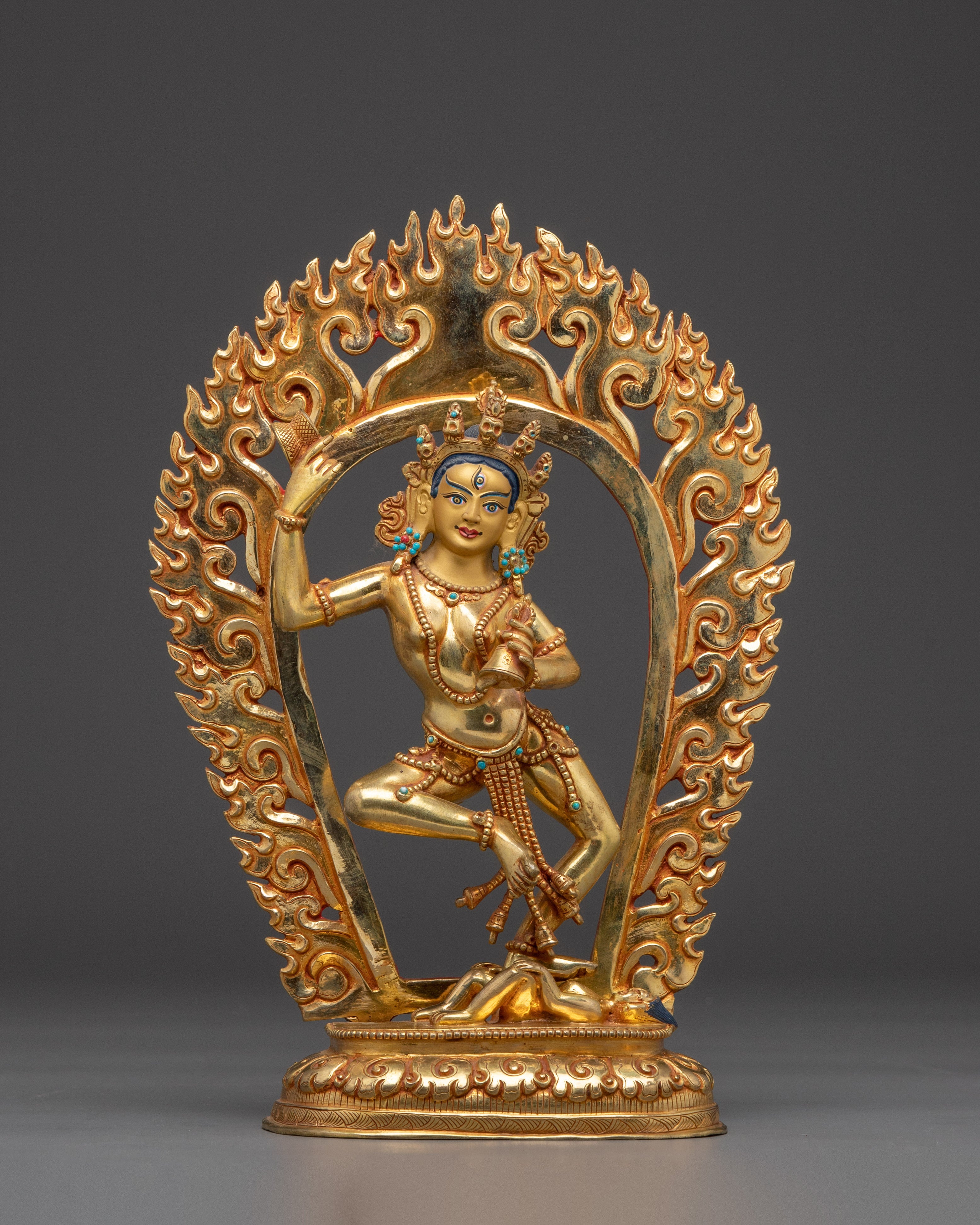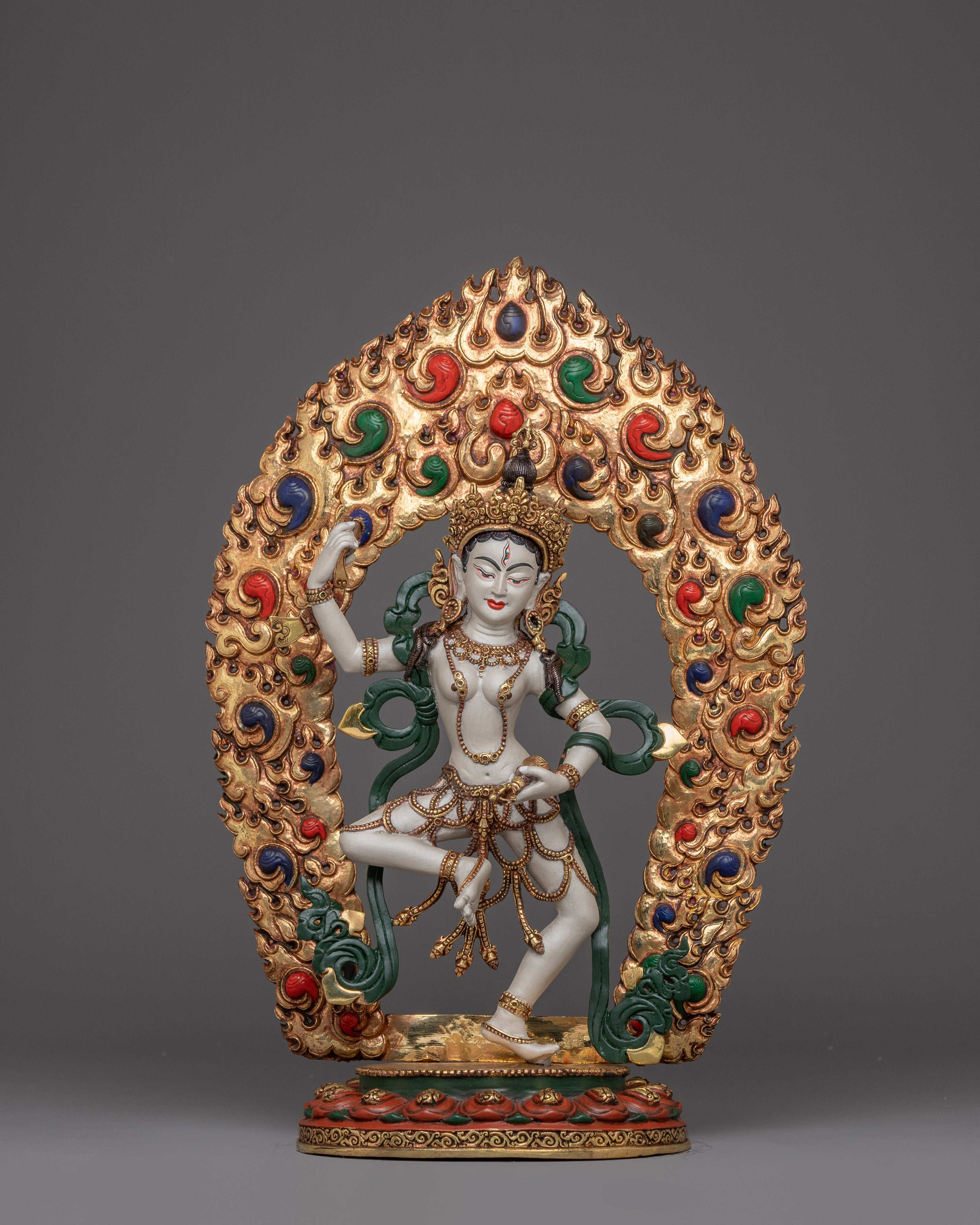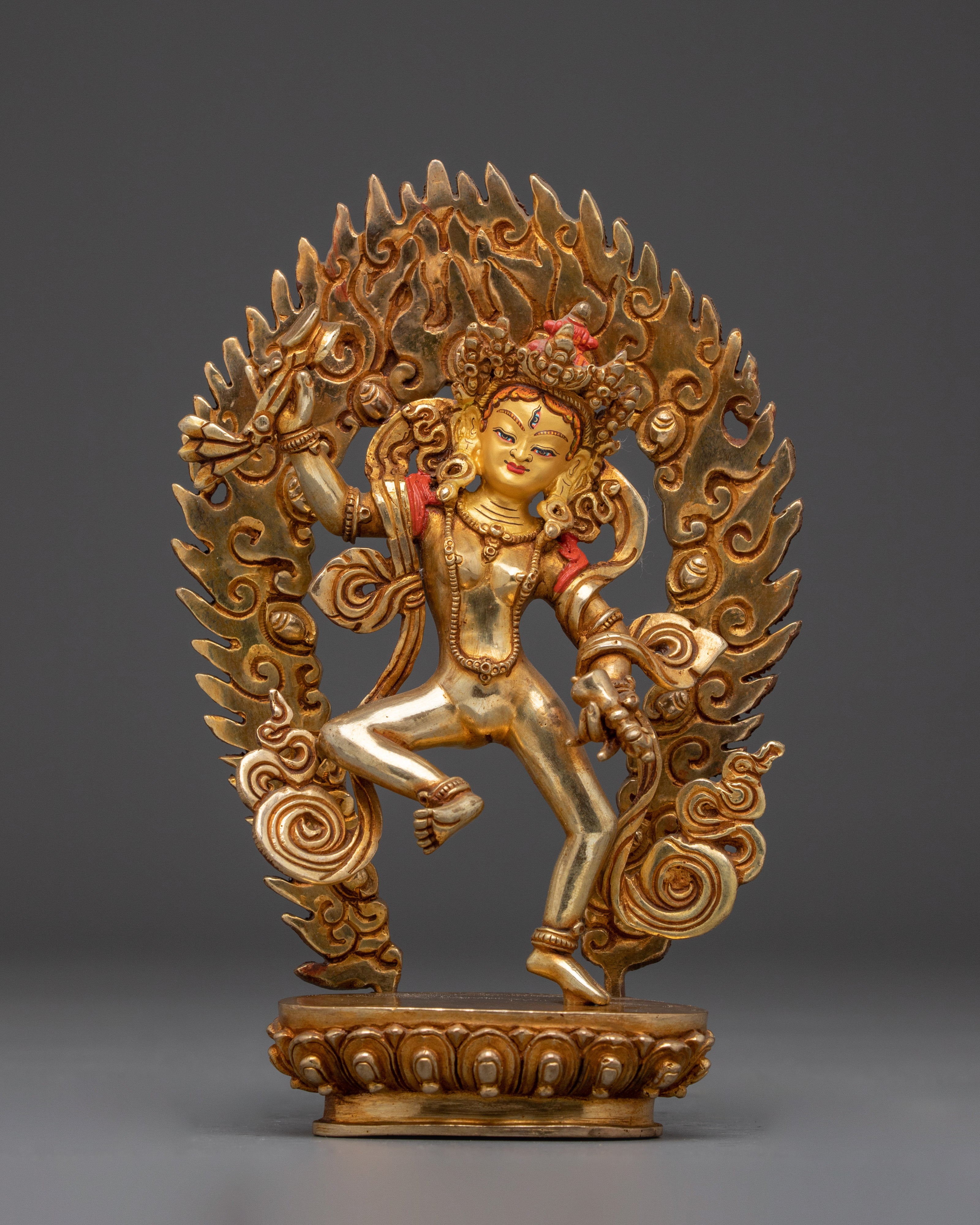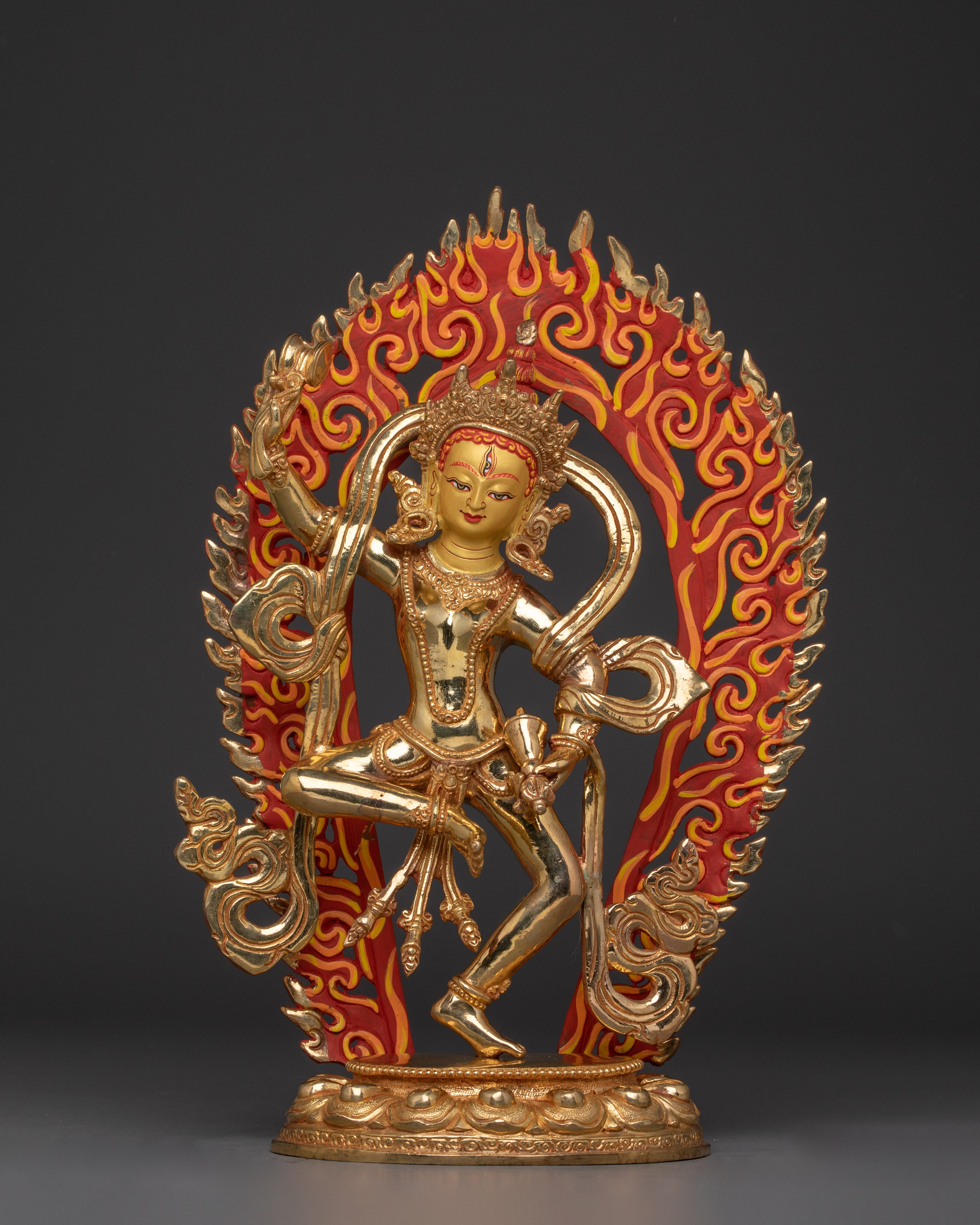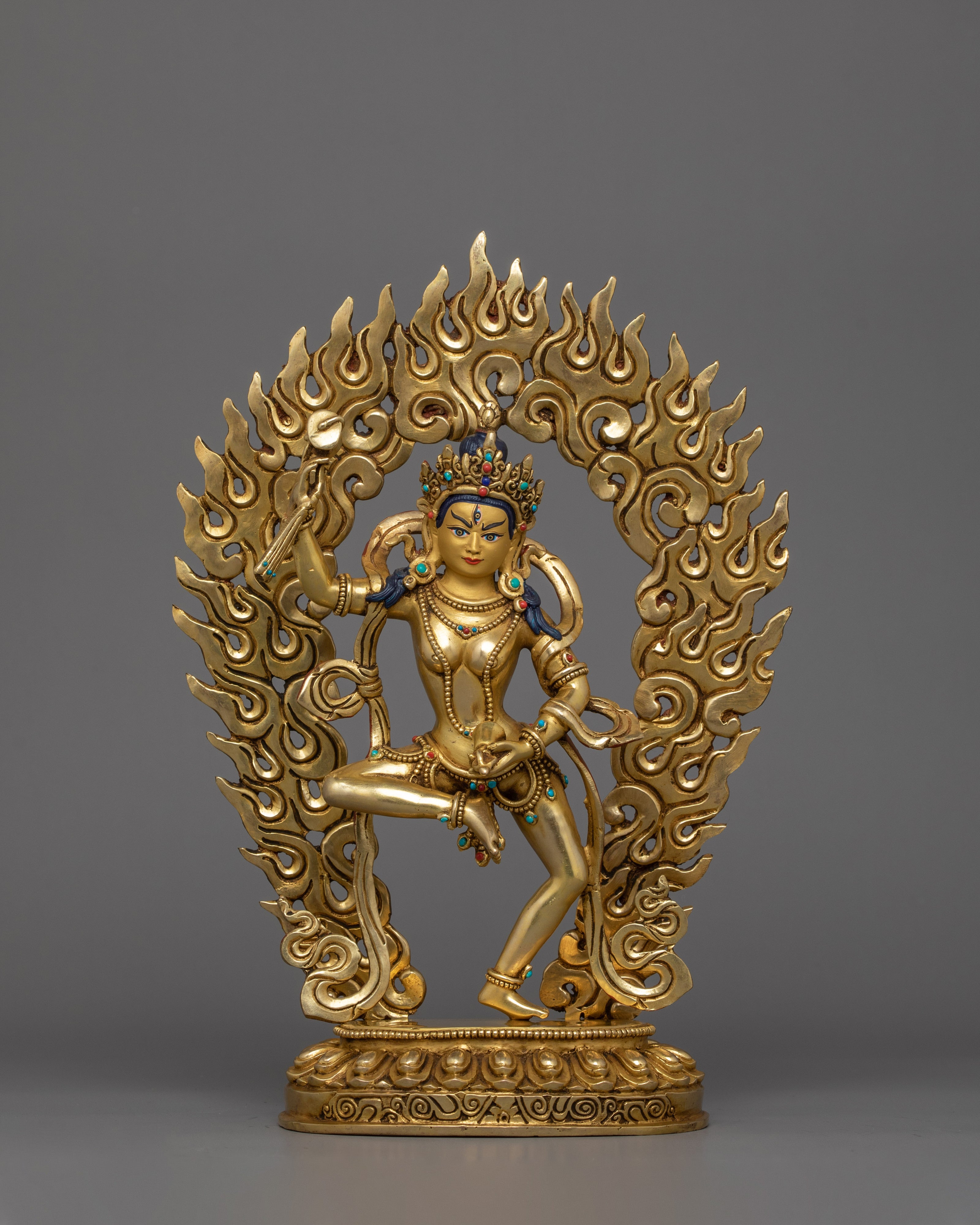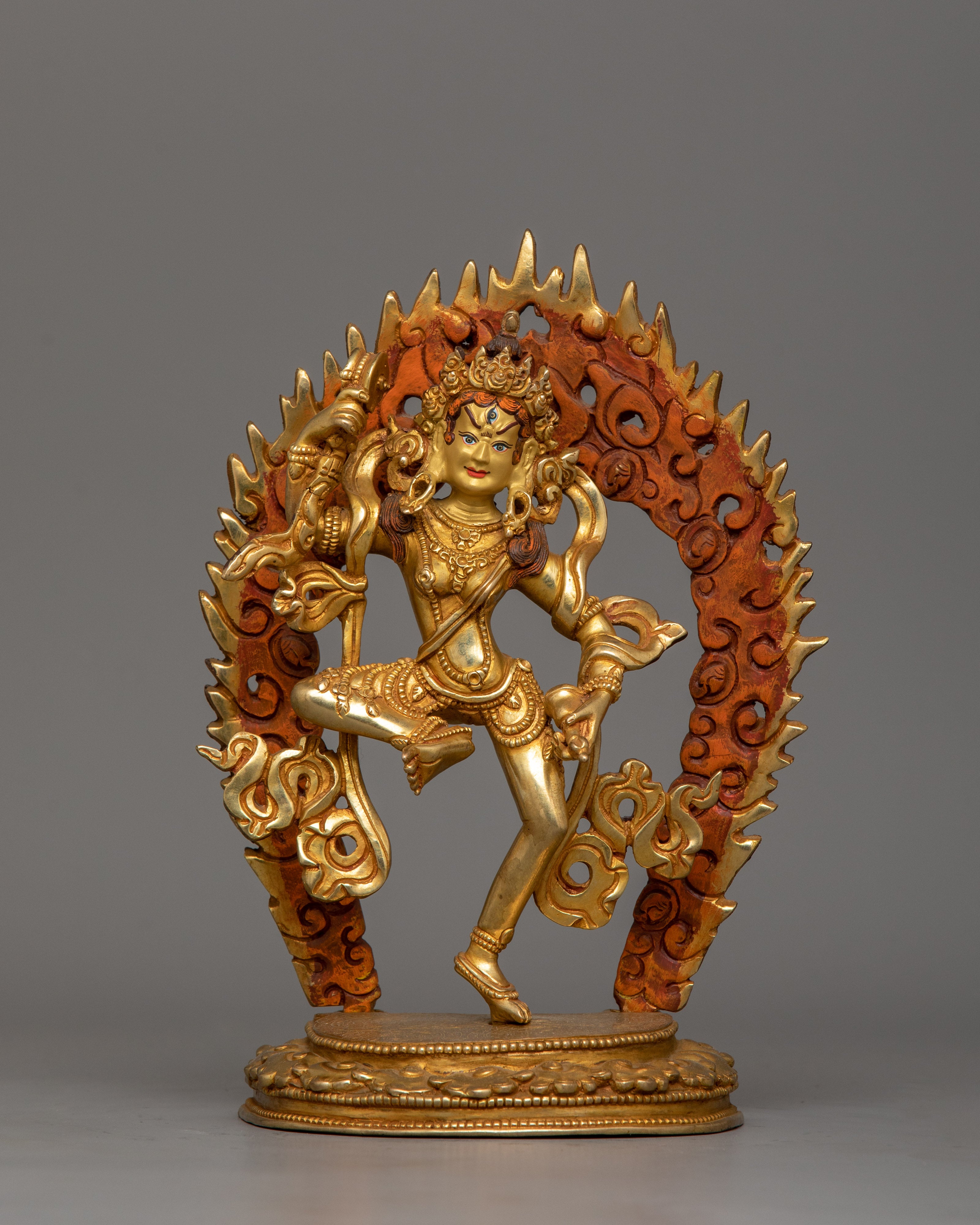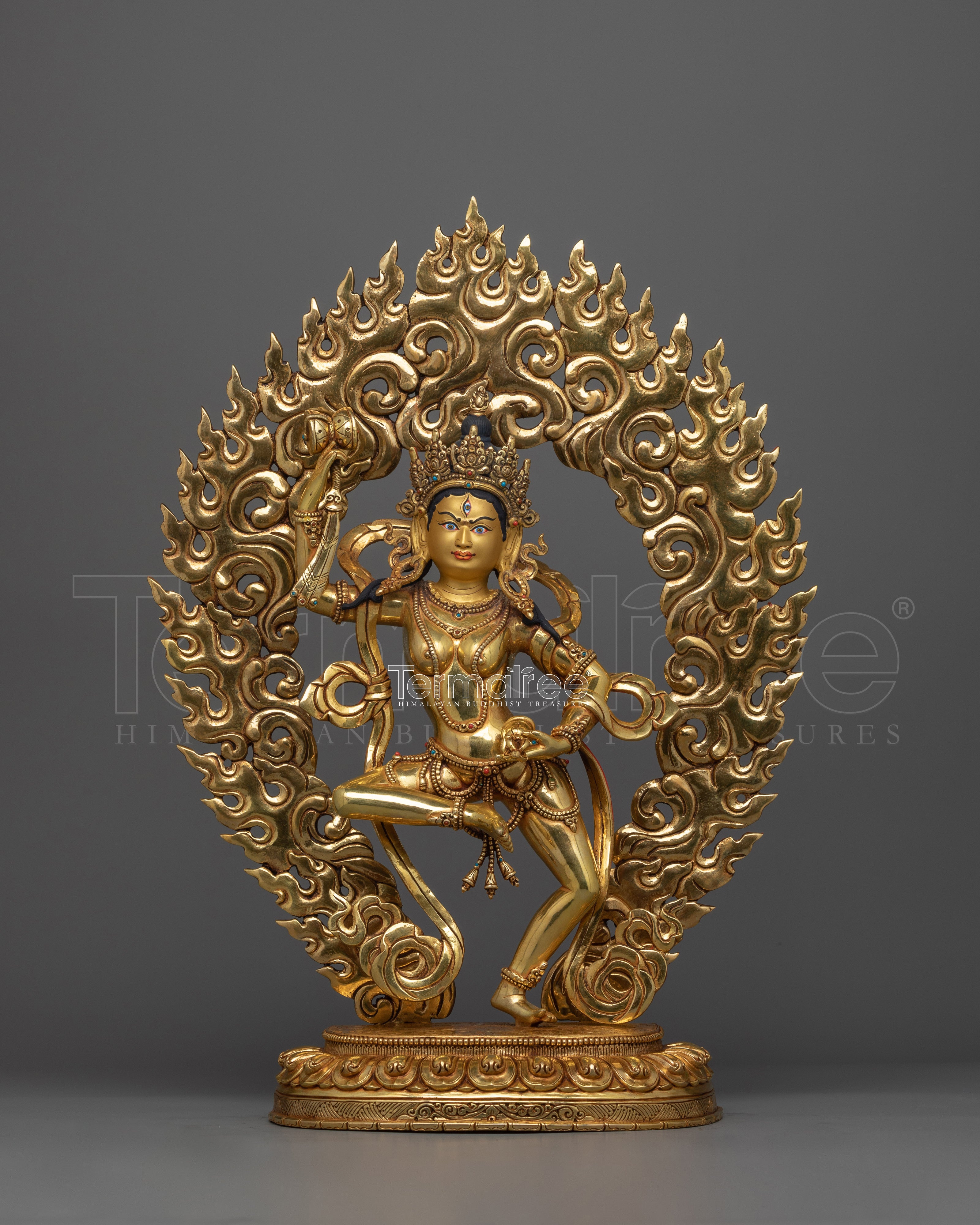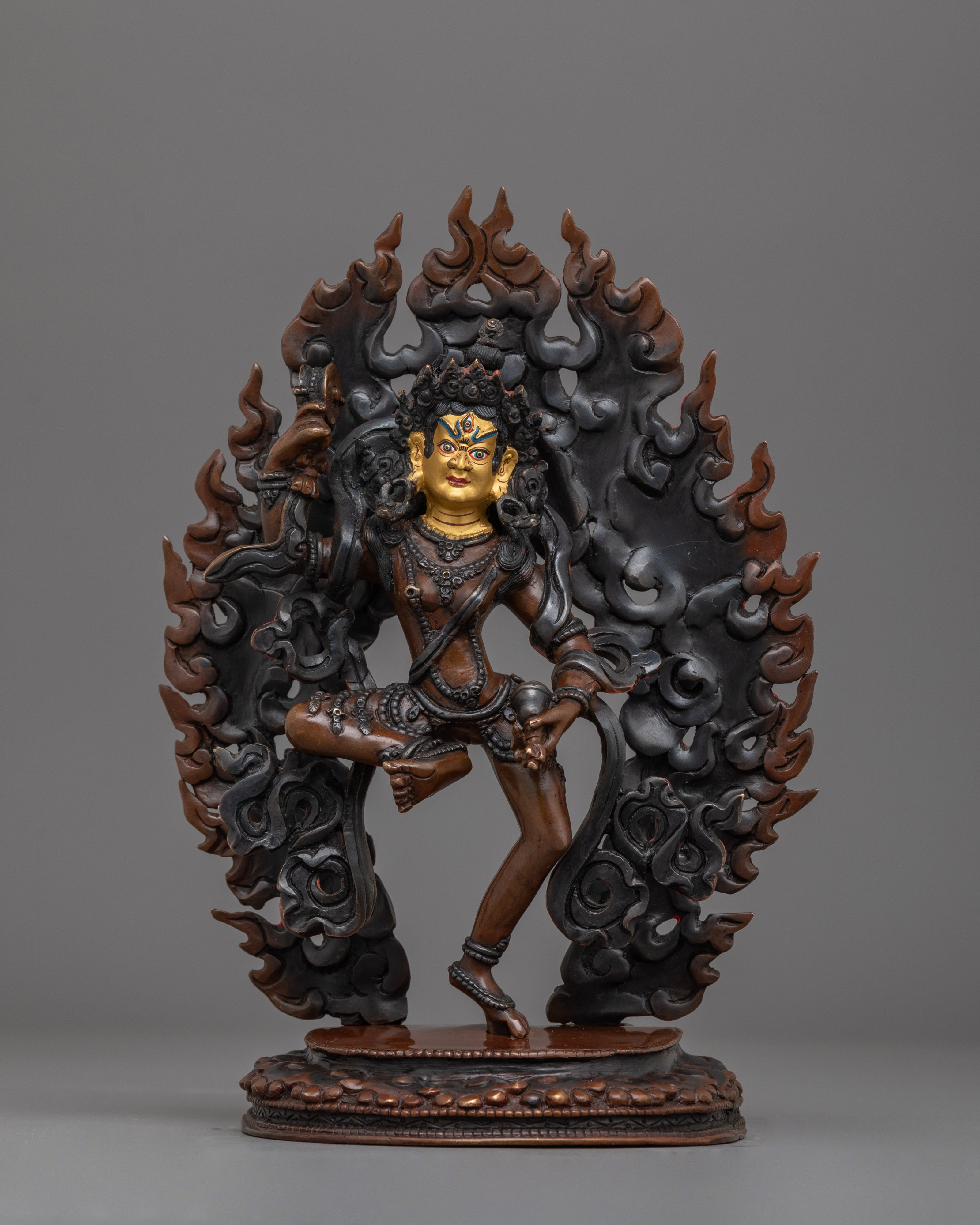
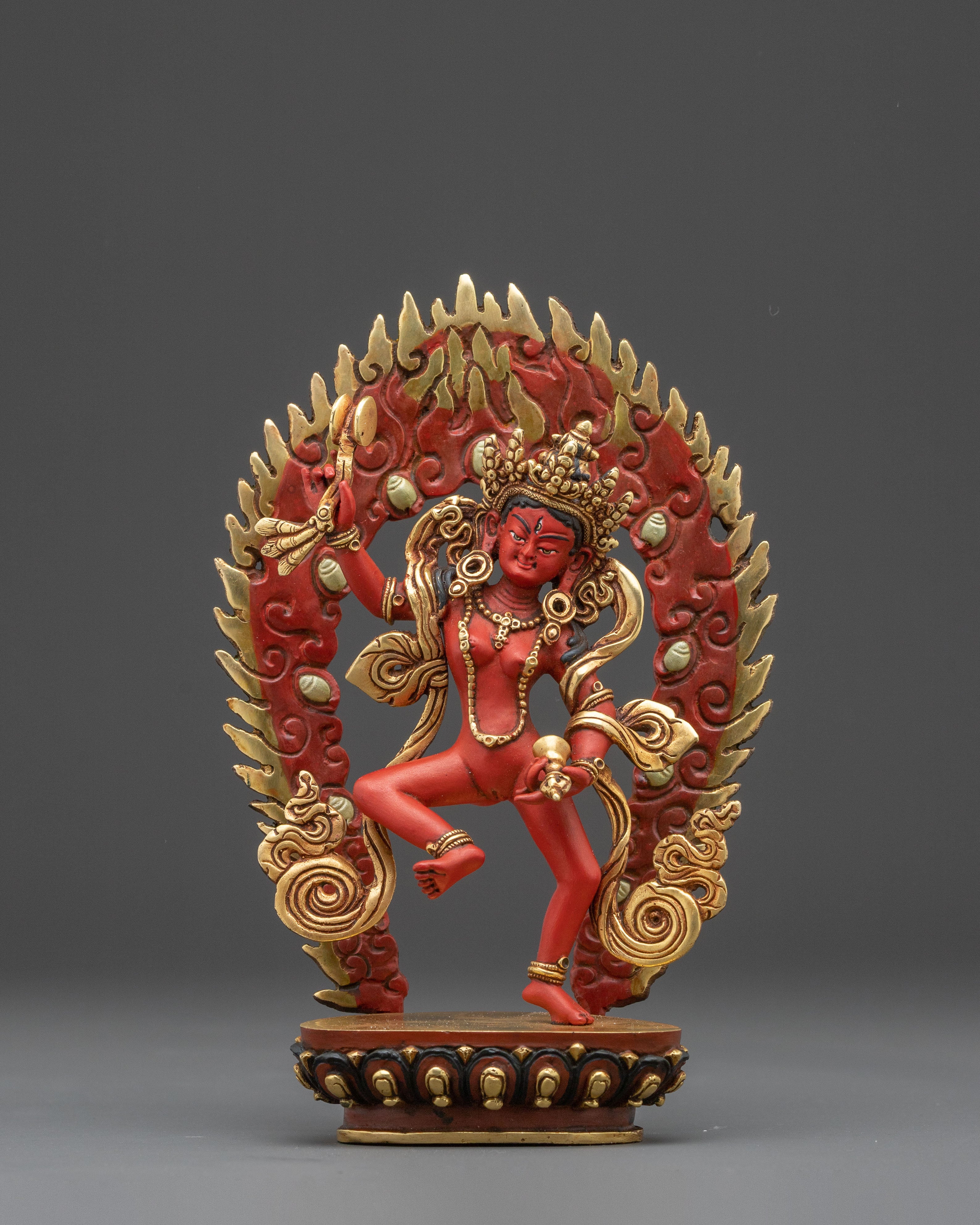
Machig Labdron
25 products
Showing 1 - 24 of 25 products
Machig Labdron: The Mother of Chöd Practice
Machig Labdron is regarded as one of the most significant and revered figures in Tibetan Buddhism, particularly within the Nyingma and Kagyu traditions. It is believed that she is the one who initiated the practice of Chod, which is an in-depth and transformational form of meditation that helps individuals to release their egos and attachments. Machig Labdron was born in Tibet in the 11th century. She is a famous, great yogini, teacher, and scholar whose teachings continue to inspire people to date. Her work and life demonstrate how one can be kind, wise, and courageous, and provide a radical approach to spirituality.
The Chöd Practice
The most significant contribution that Machig Labdron made in Tibetan Buddhism is the Chöd practice, which is translated as to cut in Tibetan. This is to assist individuals in overcoming the ego, attachment, and fear that enslave them to enable them to abandon the self and realize that nothing is empty.
Chöd refers to the act of seeing yourself as a gift to the world. In this meditation, individuals visualize that they are sacrificing their own bodies, cutting and serving them as a means of dispelling their attachment to their own bodies. The symbolic image of this radical action is the ritual of this practice that consists of a drum, bell, and ritual texts. It is aimed at transforming fear, attachment, and all forms of suffering into wisdom and compassion.
Chöd as a Way of Fearlessness: This is one of the most significant sections of Chöd because you have to be able to look right at your greatest fears, particularly death. Practitioners transcend their own anxiety about death and self-identification with the body by offering their bodies on a ritual sacrifice to everyone, therefore, liberating themselves. Chöd explains that you can use fear and change to become free, but you have to accept it.
Iconography and Symbolism
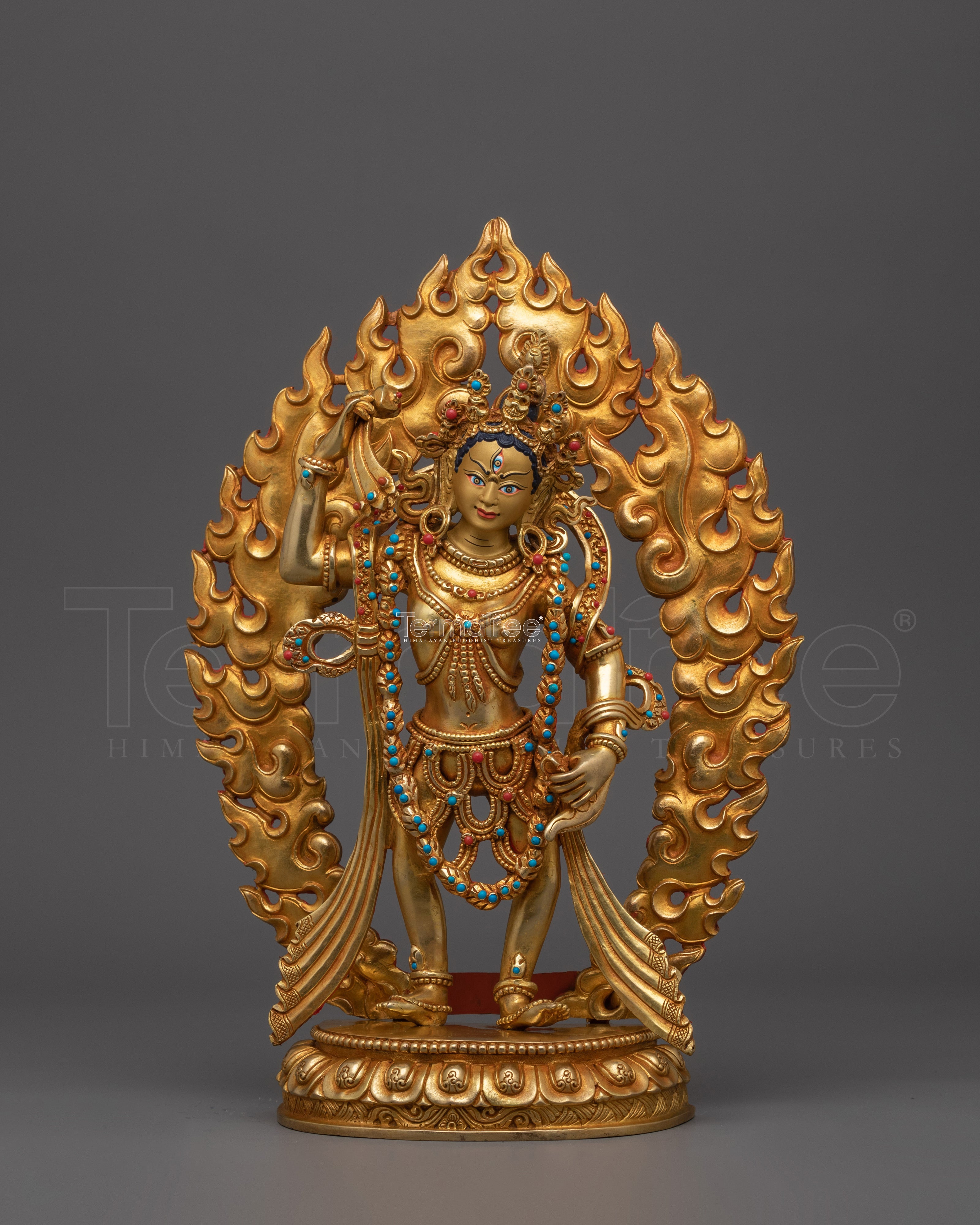
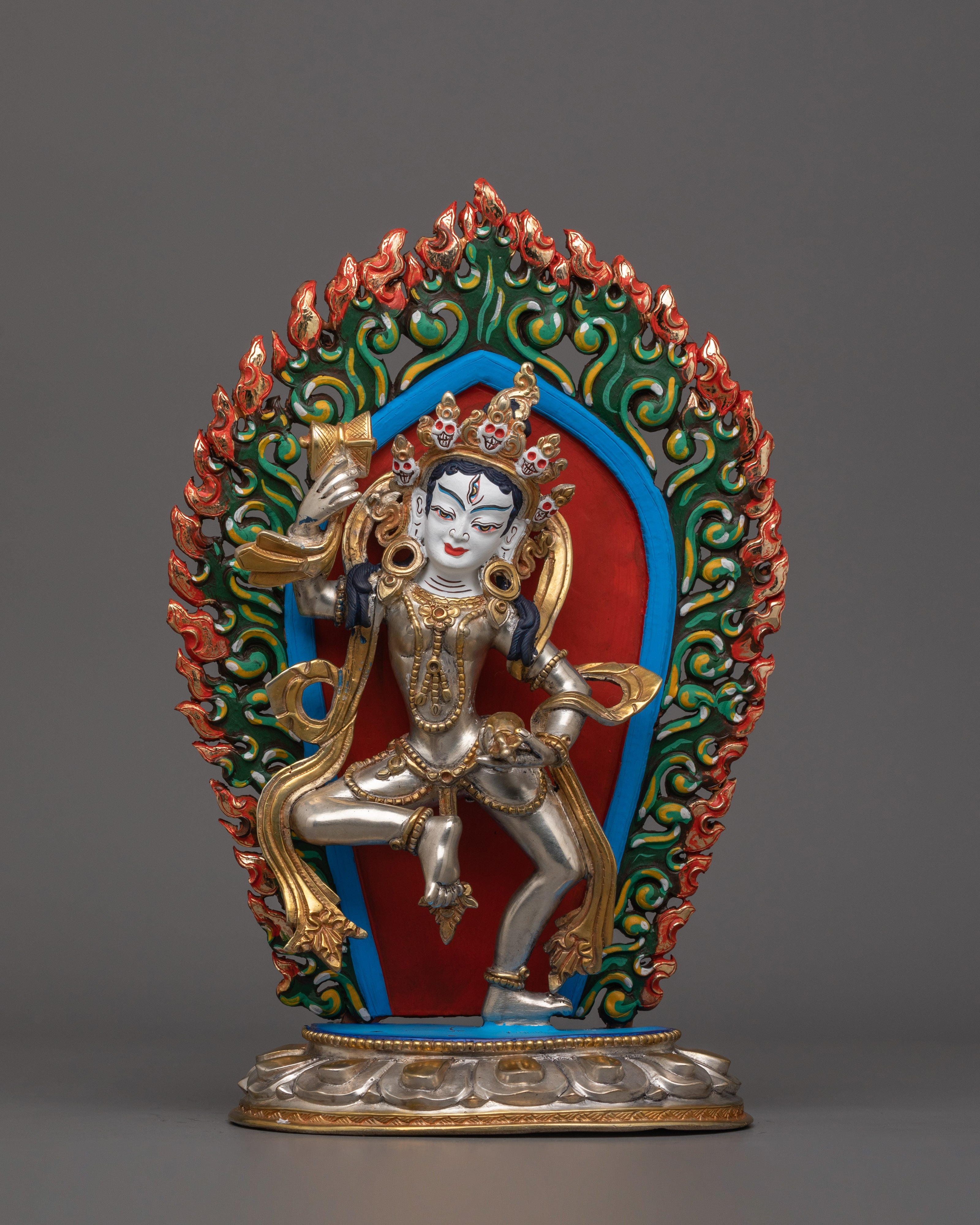
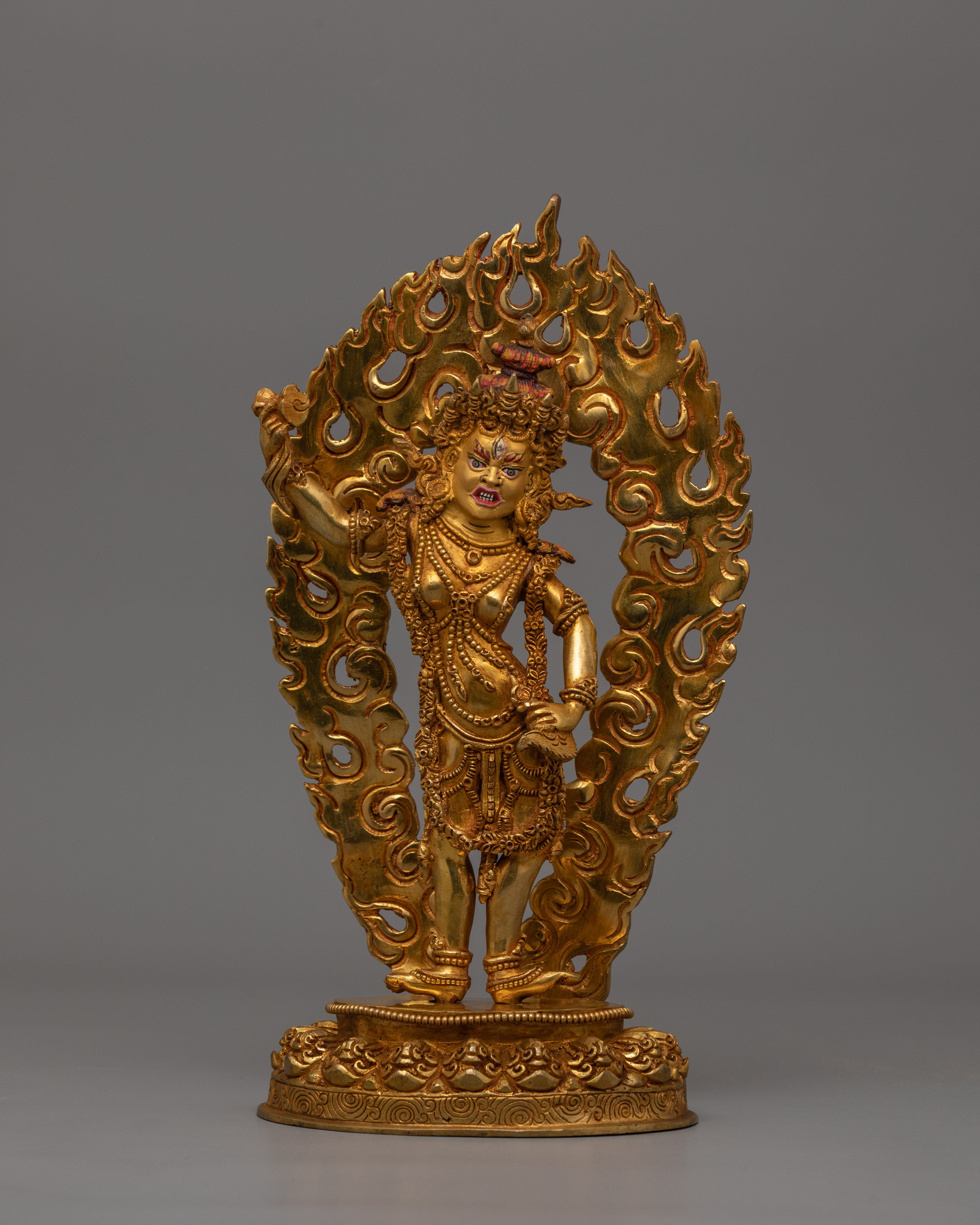
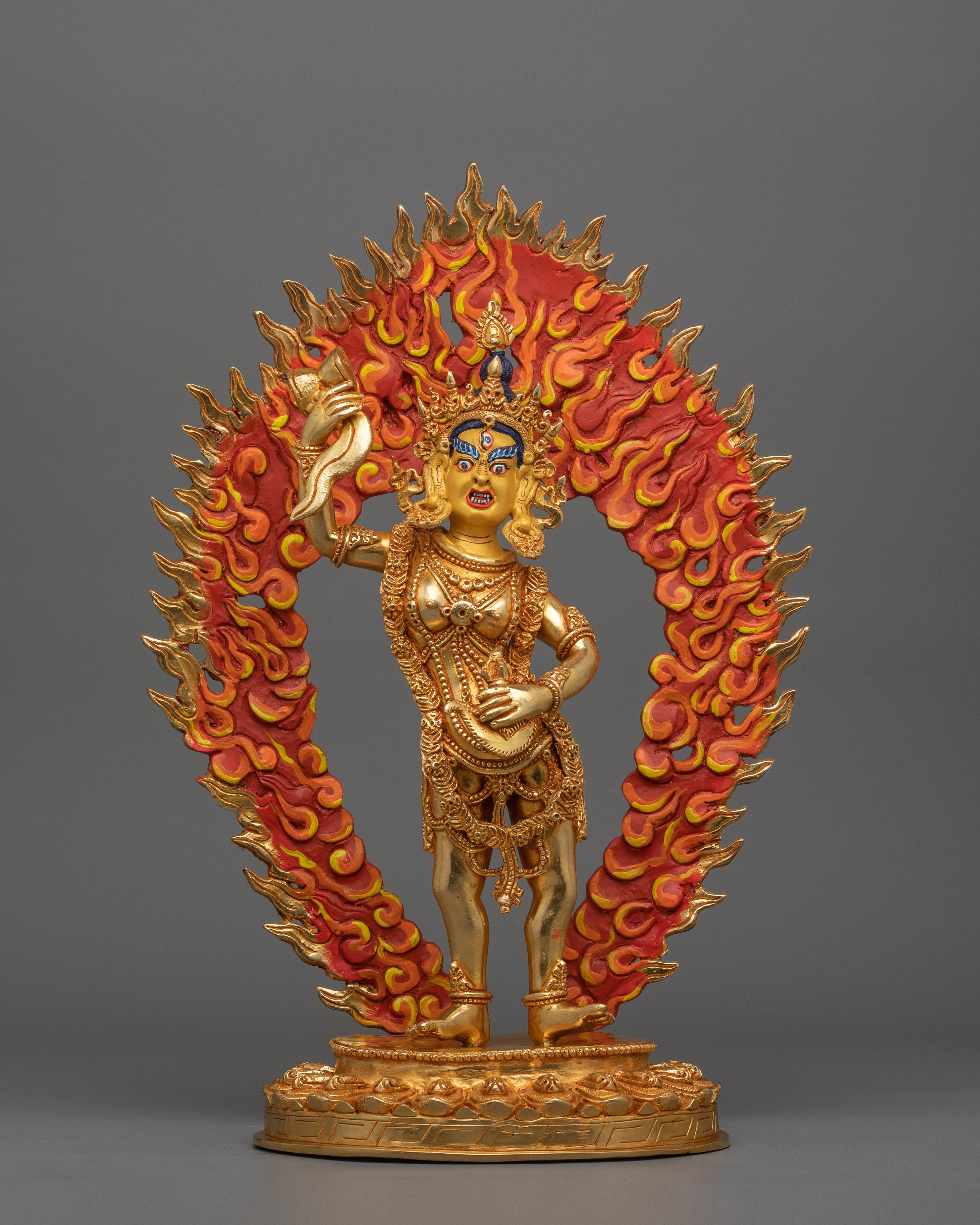
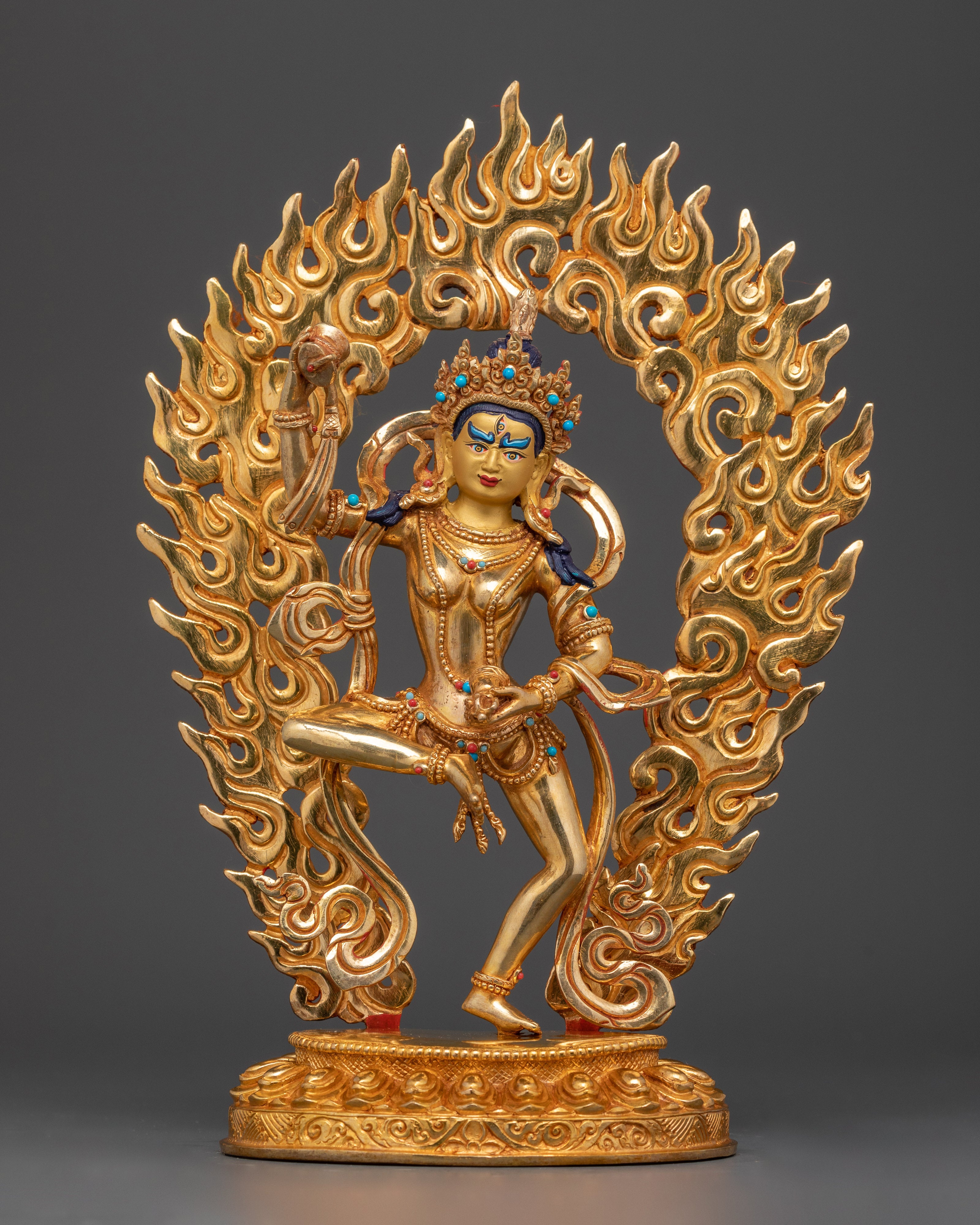
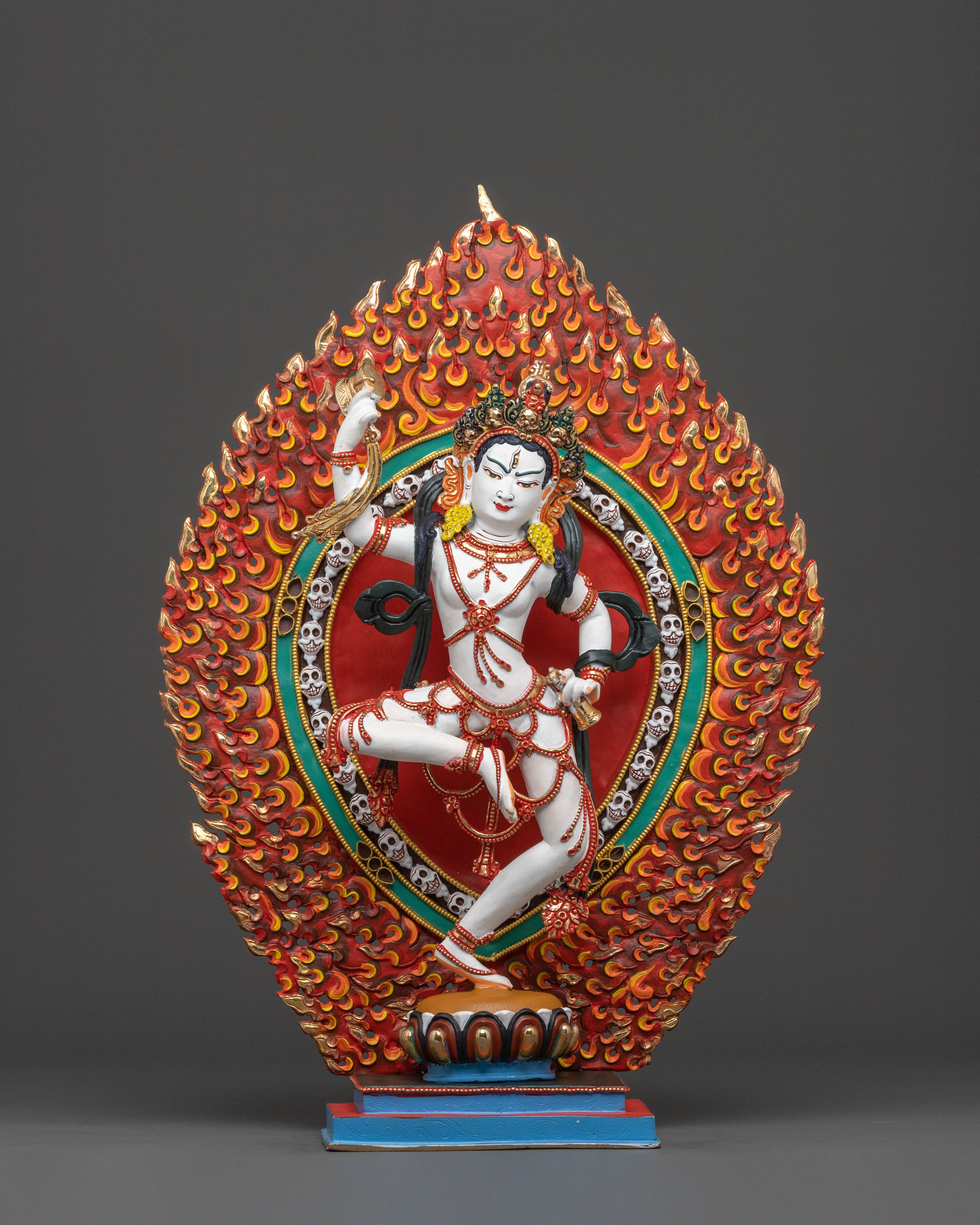
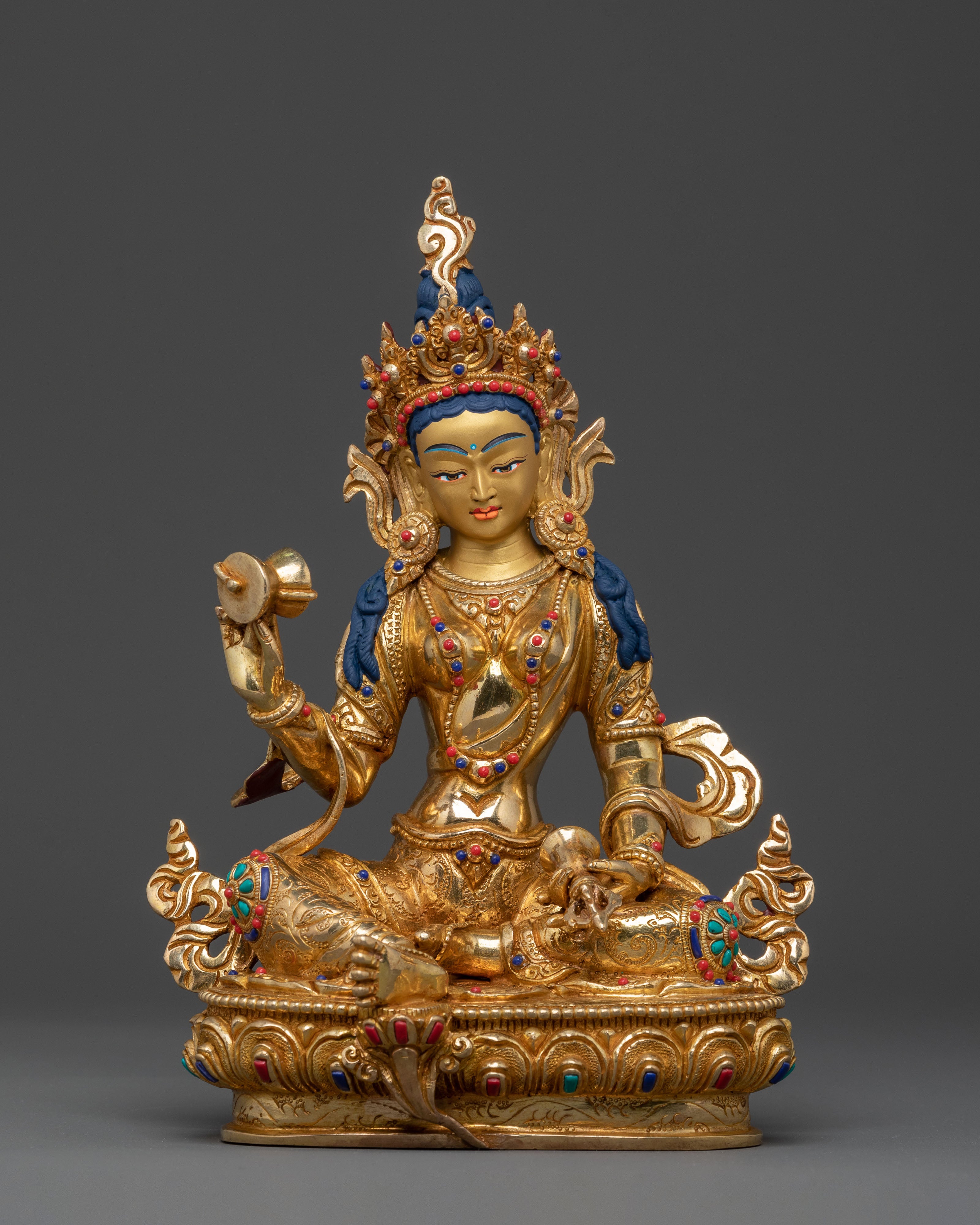
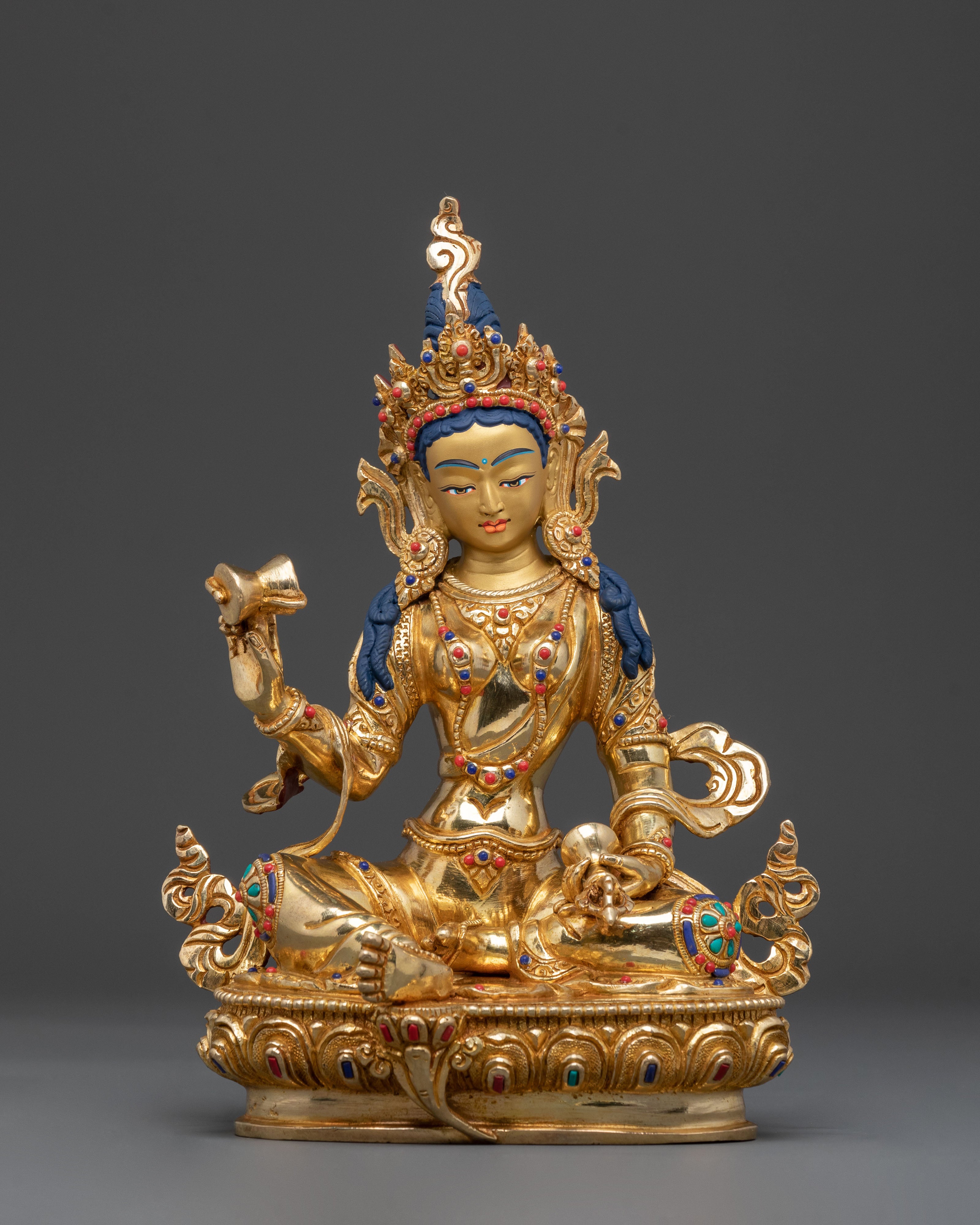
Machig Labdron is commonly characterized by people in various forms, all of which demonstrate how good she was in Chod and the wisdom and kindness she had.
The traditional images are of her having a long and flowing robe, a drum, and a chchod instrument (bell or a skull cup), all of which are very essential to the practice. She is even depicted with a knife sometimes, which means to eliminate ego and attachment.
Her artwork tends to demonstrate her relationship with the concept of nothingness (shunyata), which is a large portion of the Chöd practice. This connection to nothingness enables her to demonstrate bravery and pity in a manner that is inaccessible to the majority of people.
Teachings and Lineage
The teachings offered by Machig Labdron emphasize that it is necessary to transcend the ego to reach the center of wisdom and the first-hand experience of emptiness. She was taught the Chöd teachings by a great Tibetan teacher, Padmasambhava, and the teaching was introduced to Tibet by the teacher. It is, however, Machig Labdron who is credited with creating and popularizing the practice in a manner that would allow anyone, and not just a monk or an advanced yogi, to perform it.
Many students have learned under her, and her teachings remain highly significant even in Tibetan Buddhism, particularly in the Kagyu and Nyingma schools. The practice of Chodd that she designed has been preserved and enhanced by generations of teachers. She had some of her immediate students, such as her son, who continue to spread these teachings.
The Radical Nature of Her Practice
Machig Labdron is the person that people tend to consider revolutionary in the world of Tibetan Buddhism due to her challenge of the traditional norms and the place of women in the practice of the religion. Her Chod teachings emphasized the fact that anyone, regardless of his or her gender, can attain enlightenment. She was a woman teaching in a predominantly male monastic tradition, and she dismantled the barriers and demonstrated that spiritual awareness was not confined to gender, class, or background.
Through her life and her teachings, it becomes very clear that there is a need to receive first-hand experience, not to fear, and to be nice. She advised her followers to make an entry into the world itself and employ their everyday life and misery as the means of spiritual practice. Her teachings were not mere abstract concepts on philosophy, but also practical and life-transforming means of liberating oneself.
Her legacy and impact
Machig Labdron is today remembered by most people as one of the most significant women in Tibetan Buddhism. The teaching of her continues to inspire men and women, particularly Chod. Chöd is a common and reputable form of meditation that individuals utilize in the process of surpassing fear, attachment, and ego. Her example also leaves an impact on those who wish to lead their lives wiser and compassionate by taking her radical approach of abandoning the ego and accepting emptiness as a form of being free.
The work of Machig Labdron demonstrates the strength of spirituality. It demonstrates how any person can achieve enlightenment through conquering fear, attachment, and self-centeredness.