Handcrafted Nepalese Copper Statue Reflecting Compassion, Wisdom, and Spiritual Power
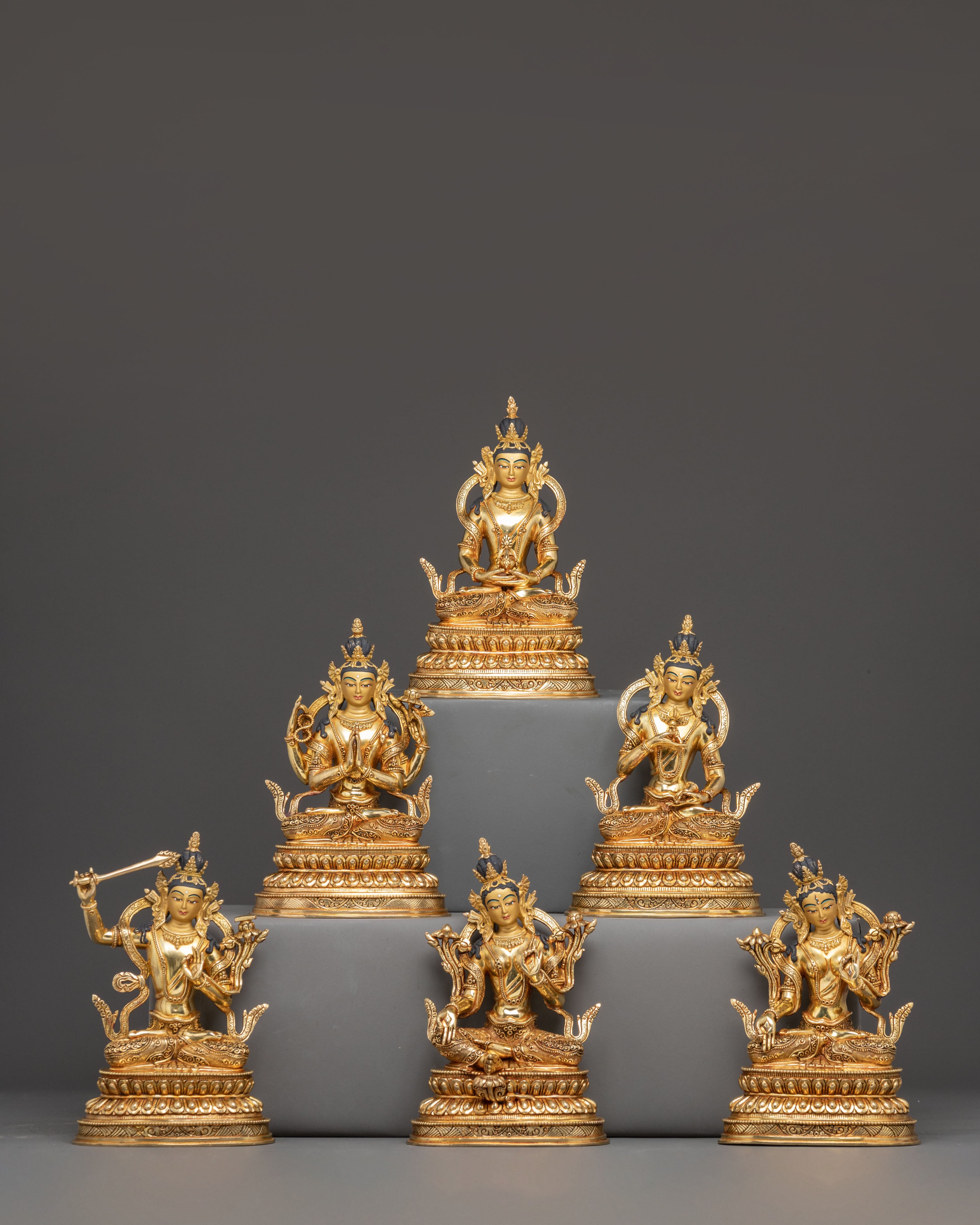
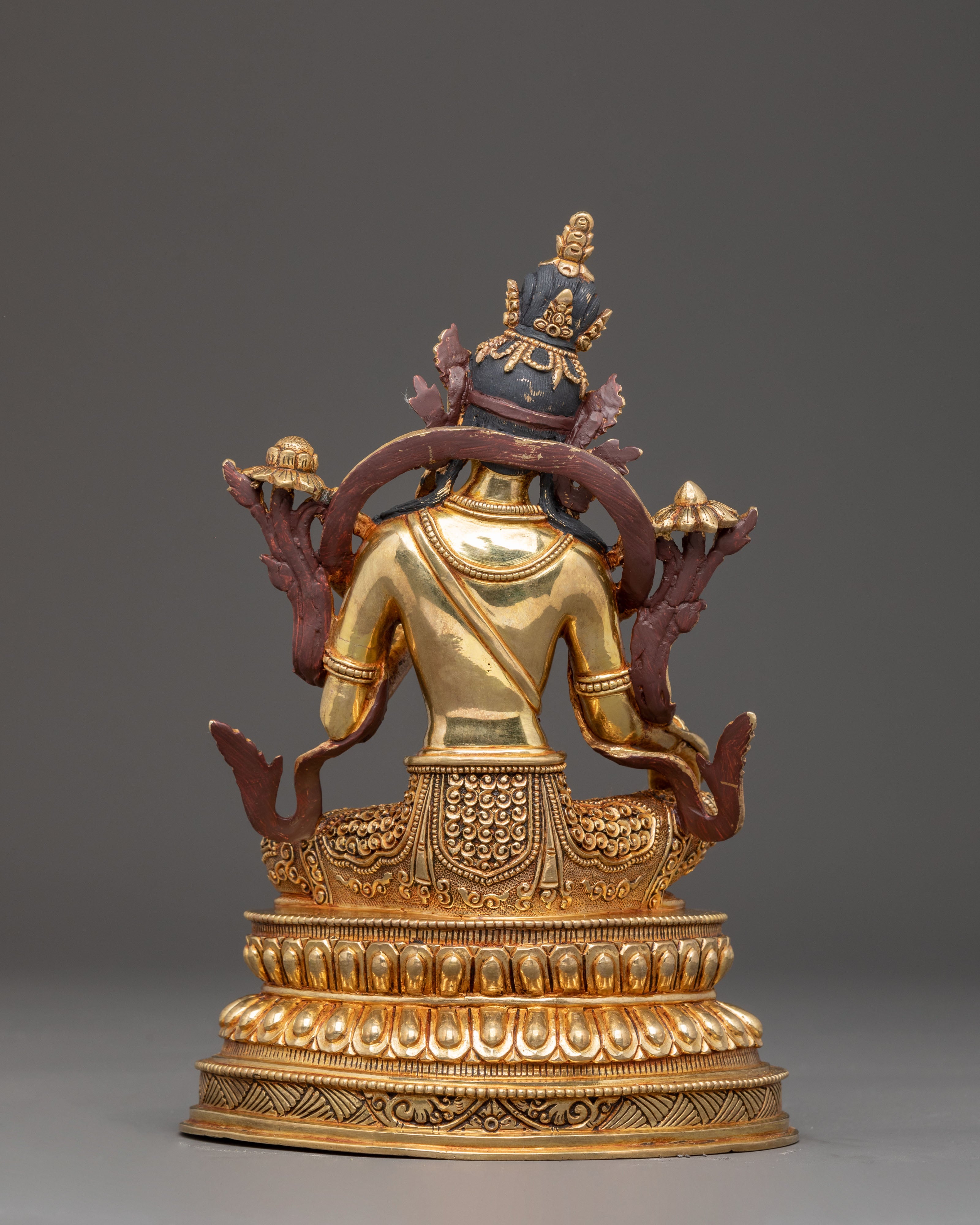
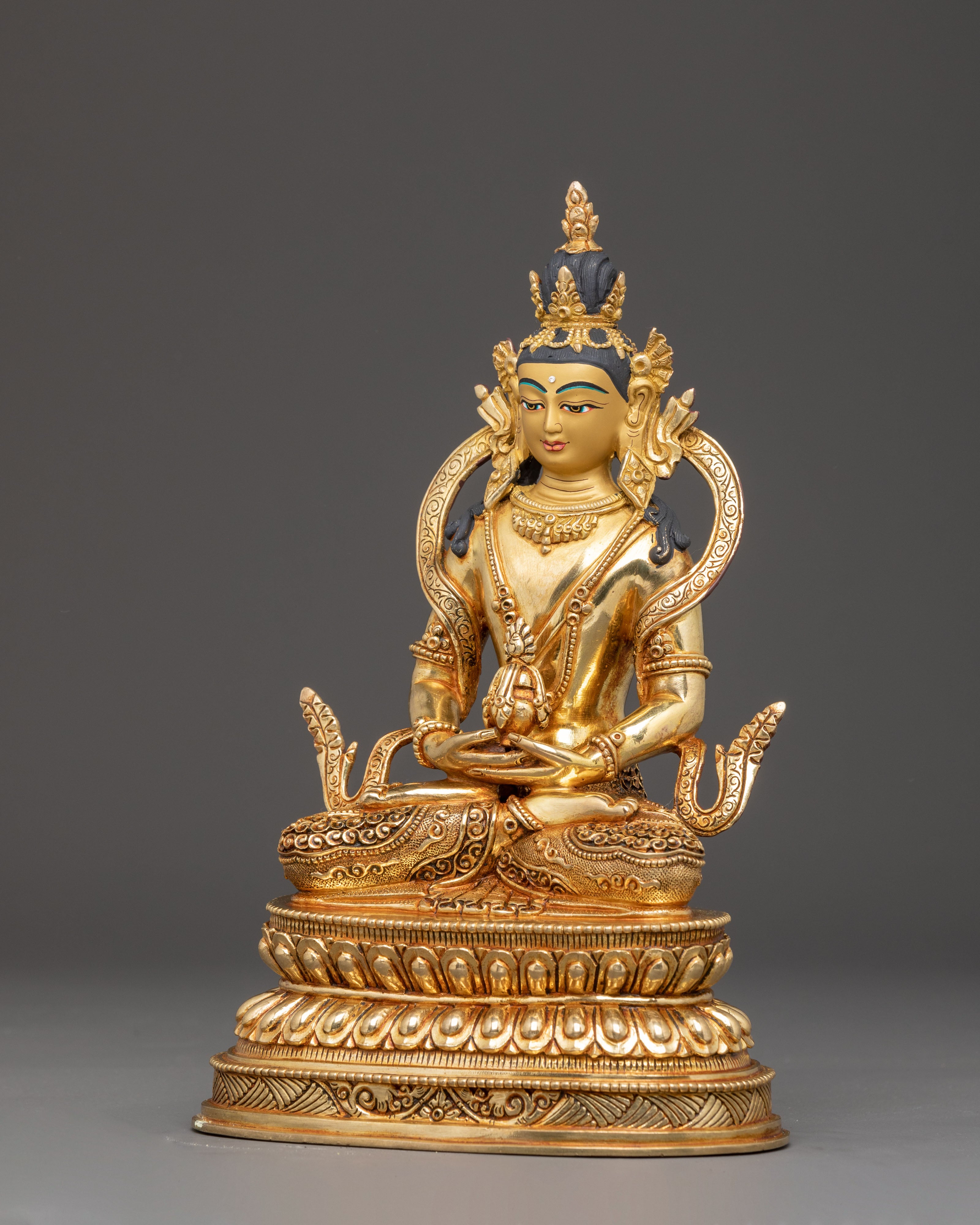
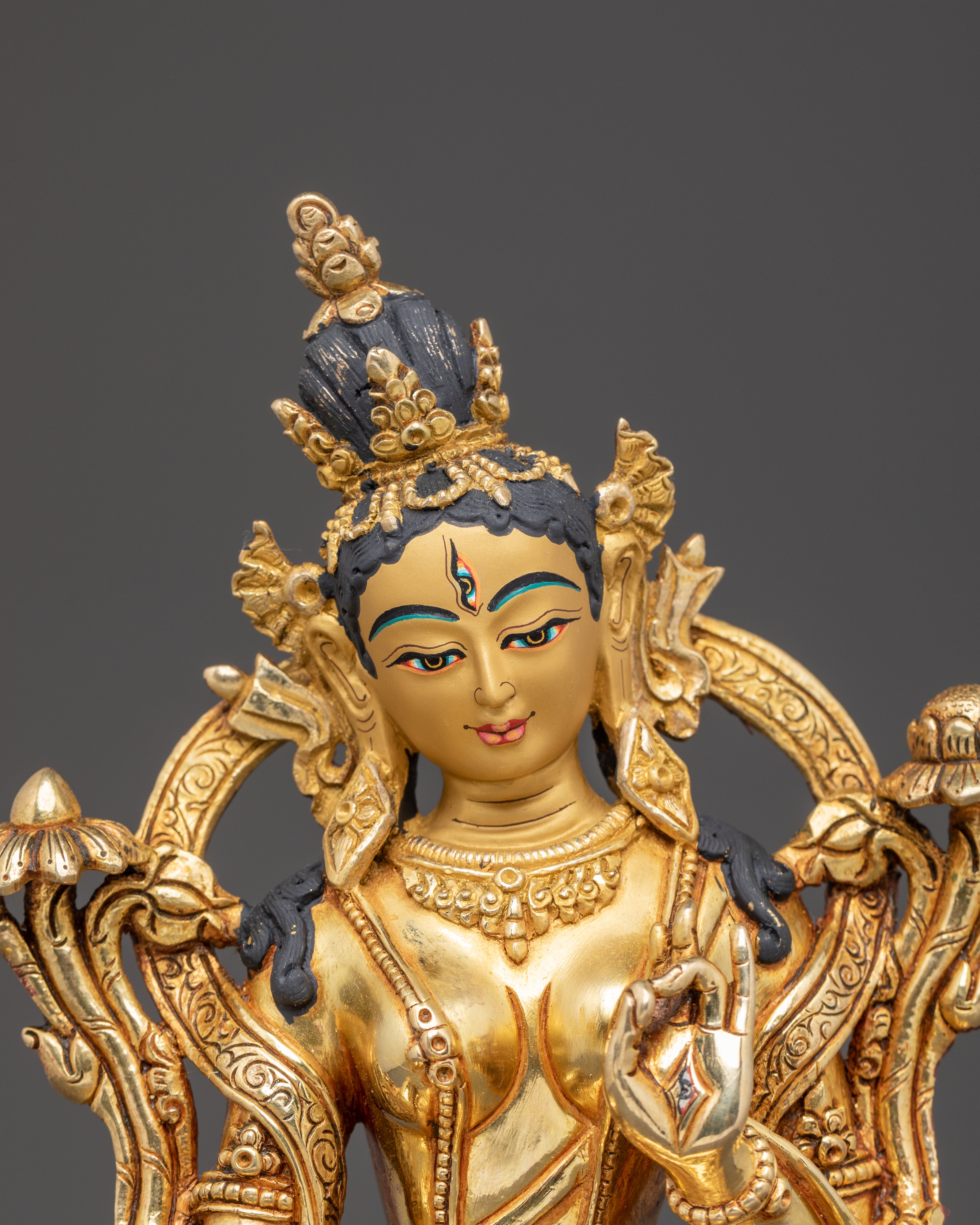
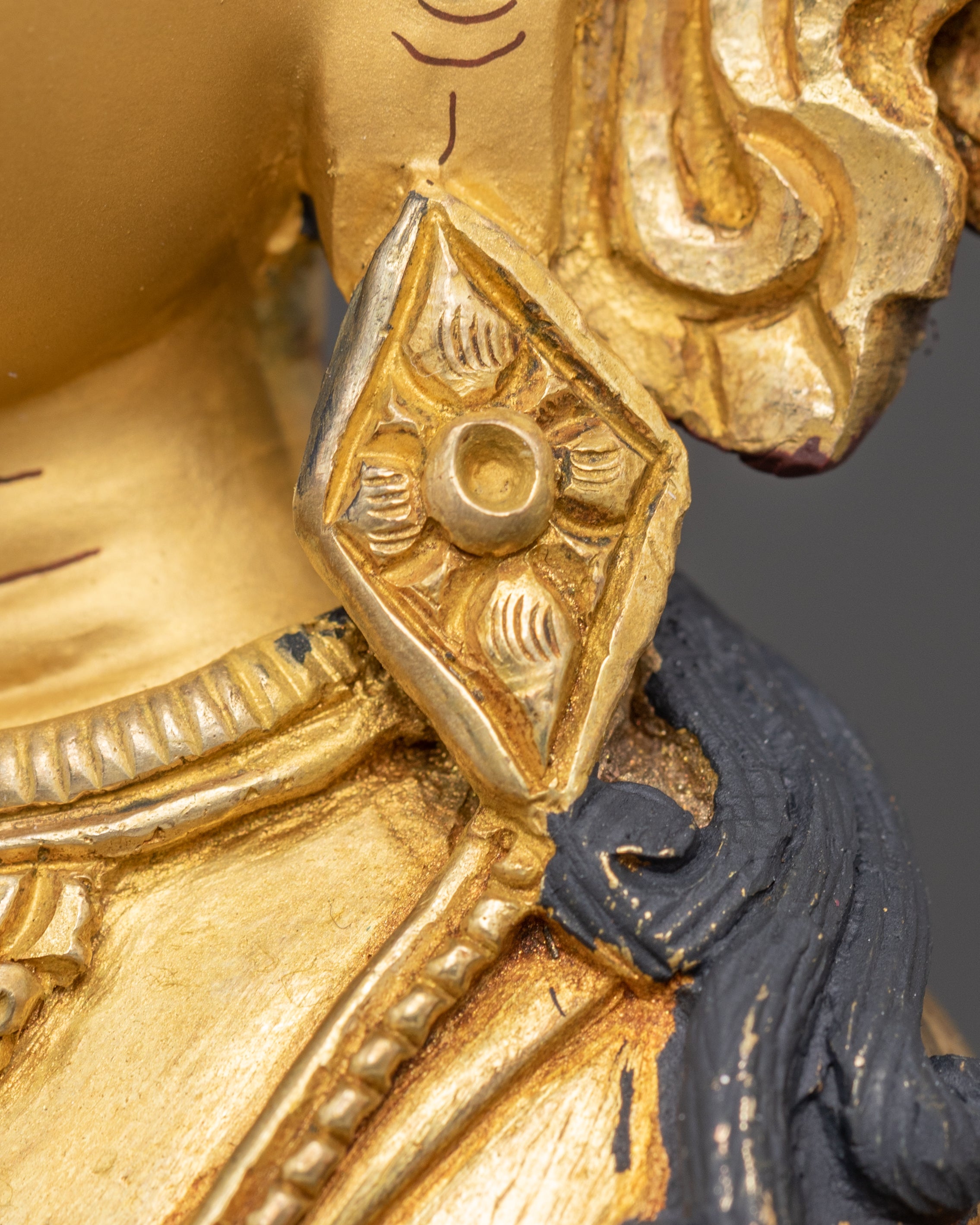
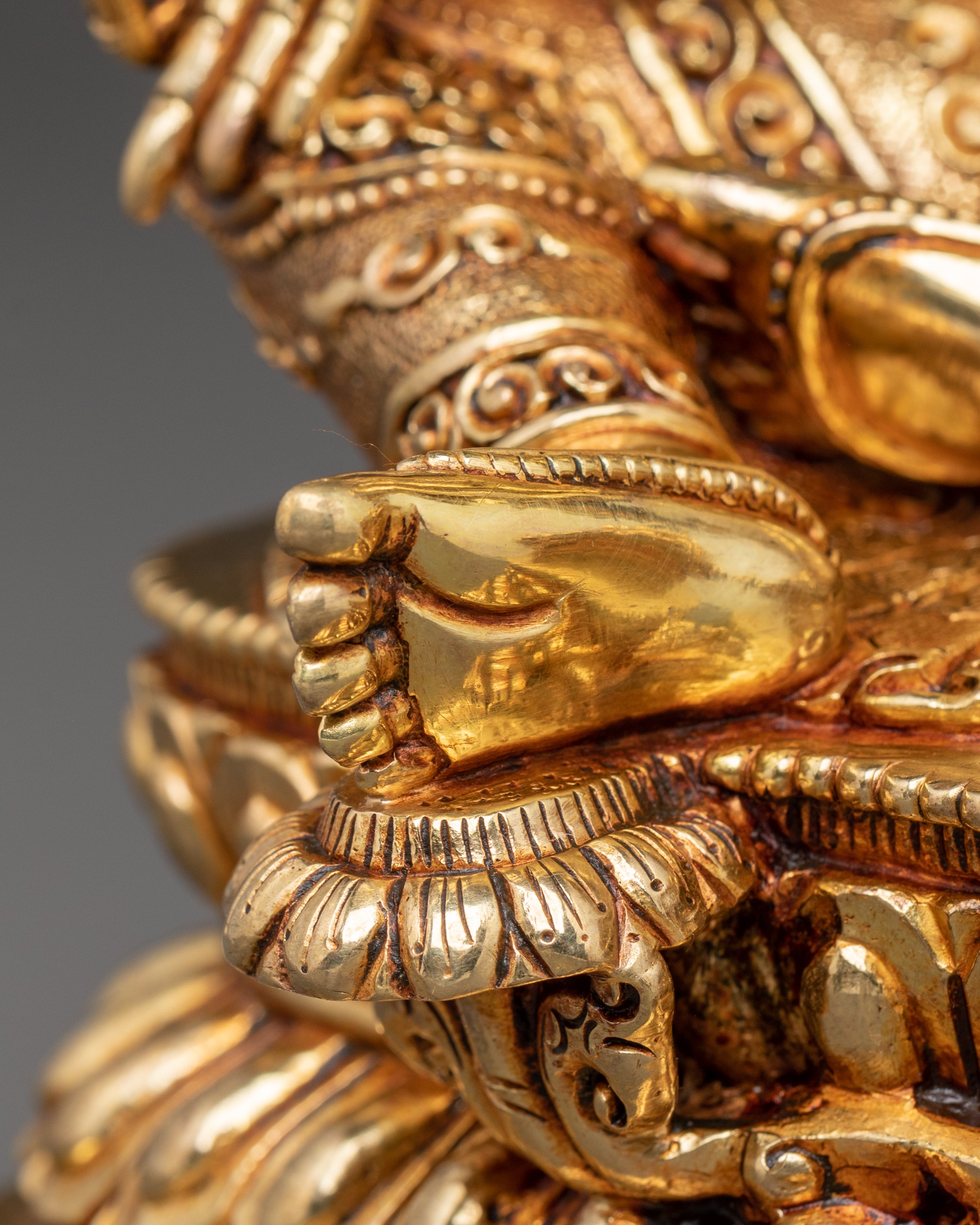
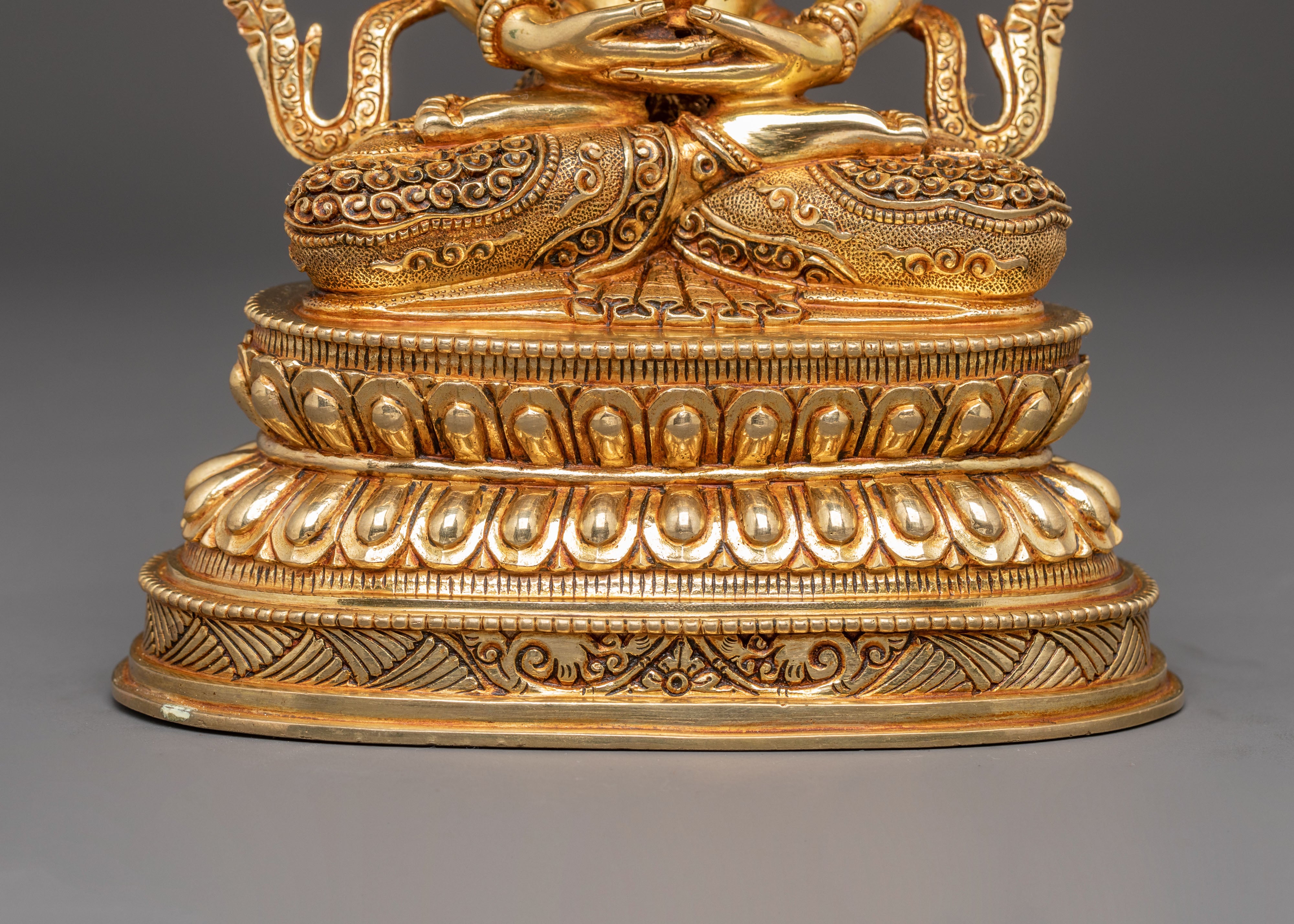
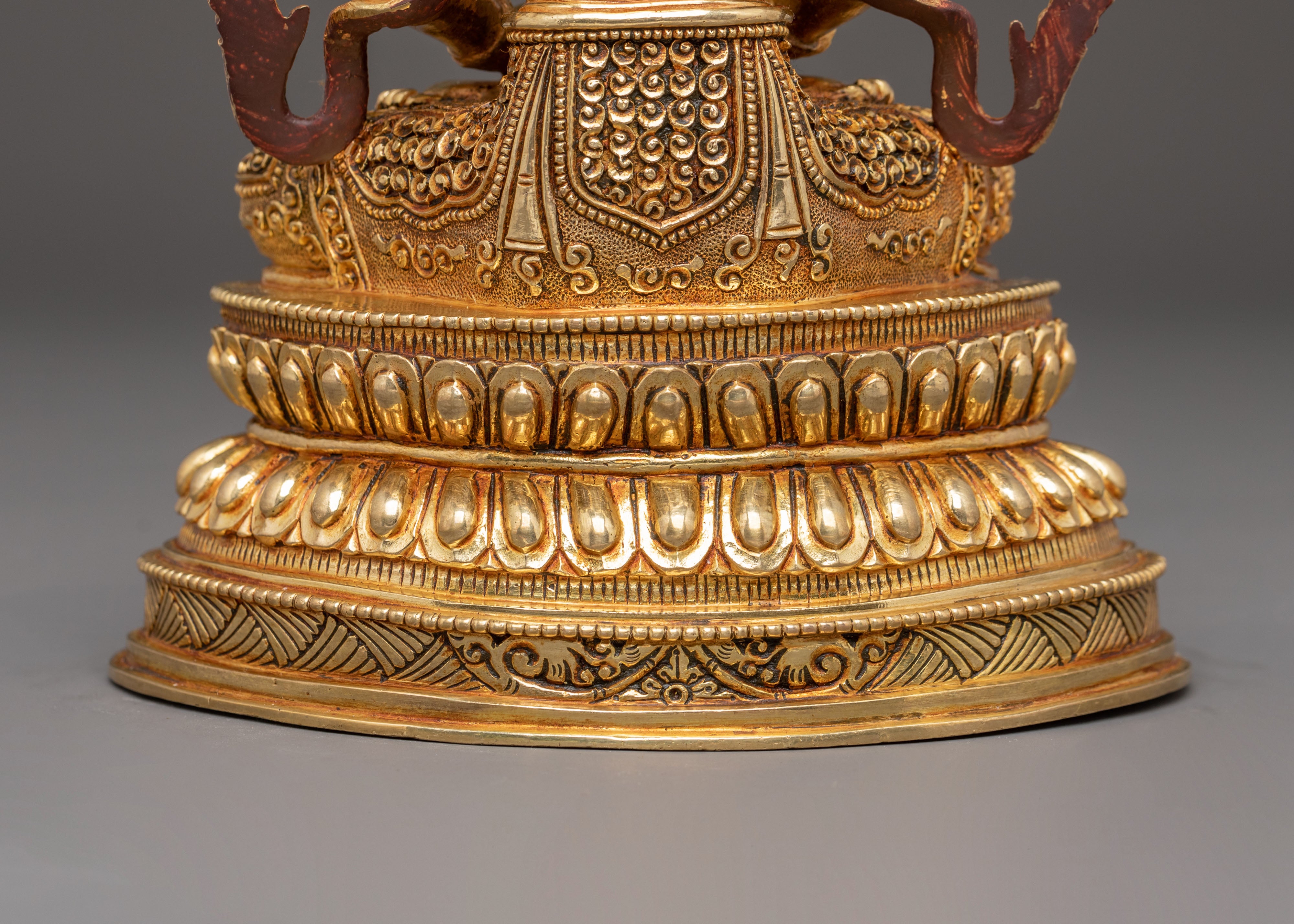
This incredible 24K Gold Gilded Bodhisattva Set is a one-of-a-kind ensemble that reflects the sacred beauty of Tibetan Buddhism. The six statues—Green Tara, Manjushri, Chenrezig, Vajrasattva, Amitayus, and White Tara—are masterfully crafted from copper and adorned with a layer of 24K gold gilding, intricate acrylic paintings, and radiant gemstones. Each piece is further enhanced with deeply engraved carvings that create a magnificent 3D-like effect, highlighting the depth and brilliance of the artistry. Together, these sculptures embody Buddhism's ultimate ideals: wisdom, compassion, protection, healing, and purification—making this collection a profound addition to any shrine, meditation space, or spiritual collection.
As you look at each image, you are urged to engage with the Bodhisattvas' heavenly spirit, which transcends time and space. Green Tara's compassionate protection, Manjushri's wisdom, and Chenrezig's loving-kindness combine to provide direction and comfort on your spiritual journey. Vajrasattva's cleansing energy aids in the removal of negative karma, Amitayus bestows longevity, and White Tara's healing power promotes bodily and emotional well-being. This set is more than simply a collection of sculptures; it's a transforming instrument for spiritual growth.
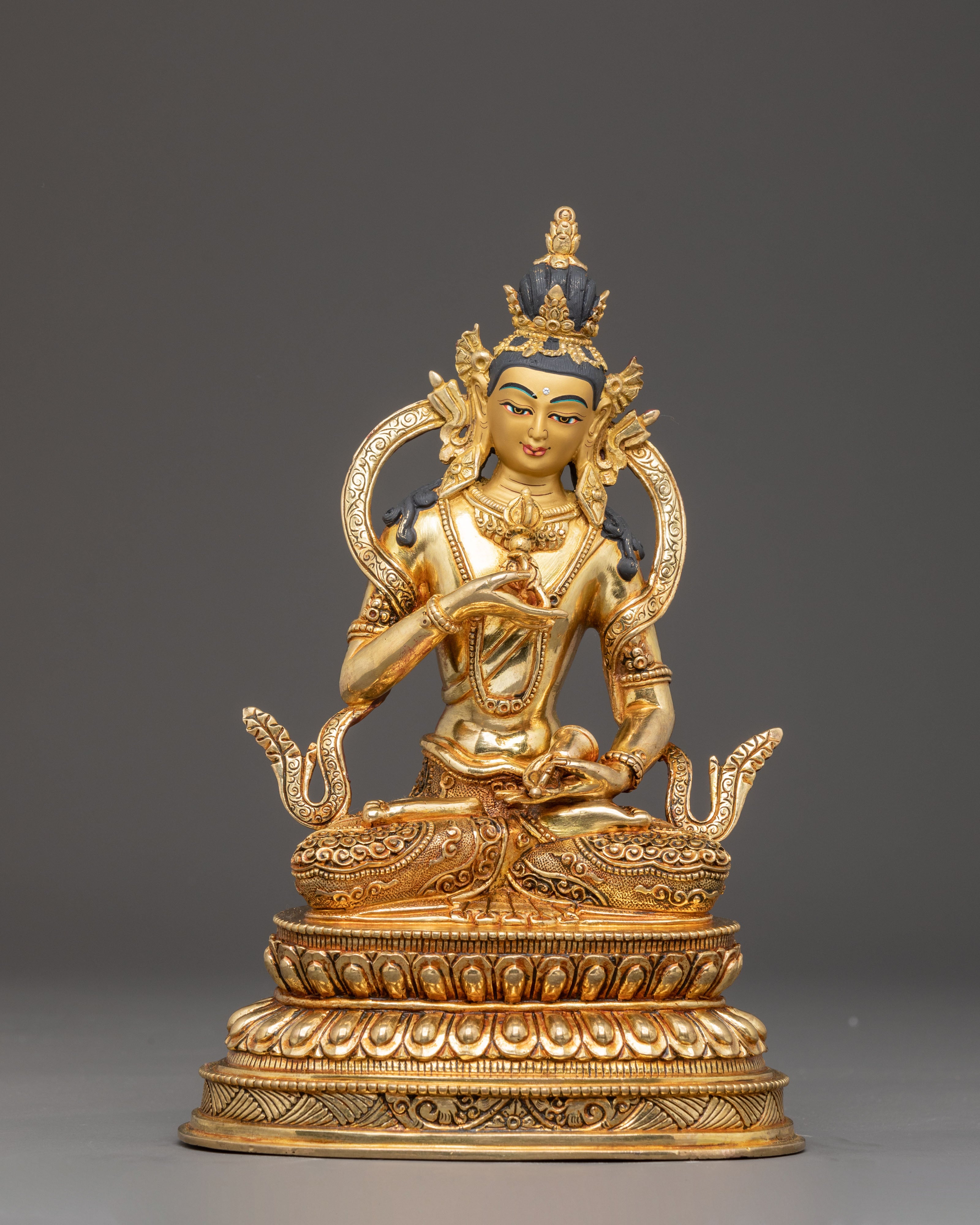
Vajrasattva Size: 9.4”/24cm (Height) x 6.3”/16cm (Base)
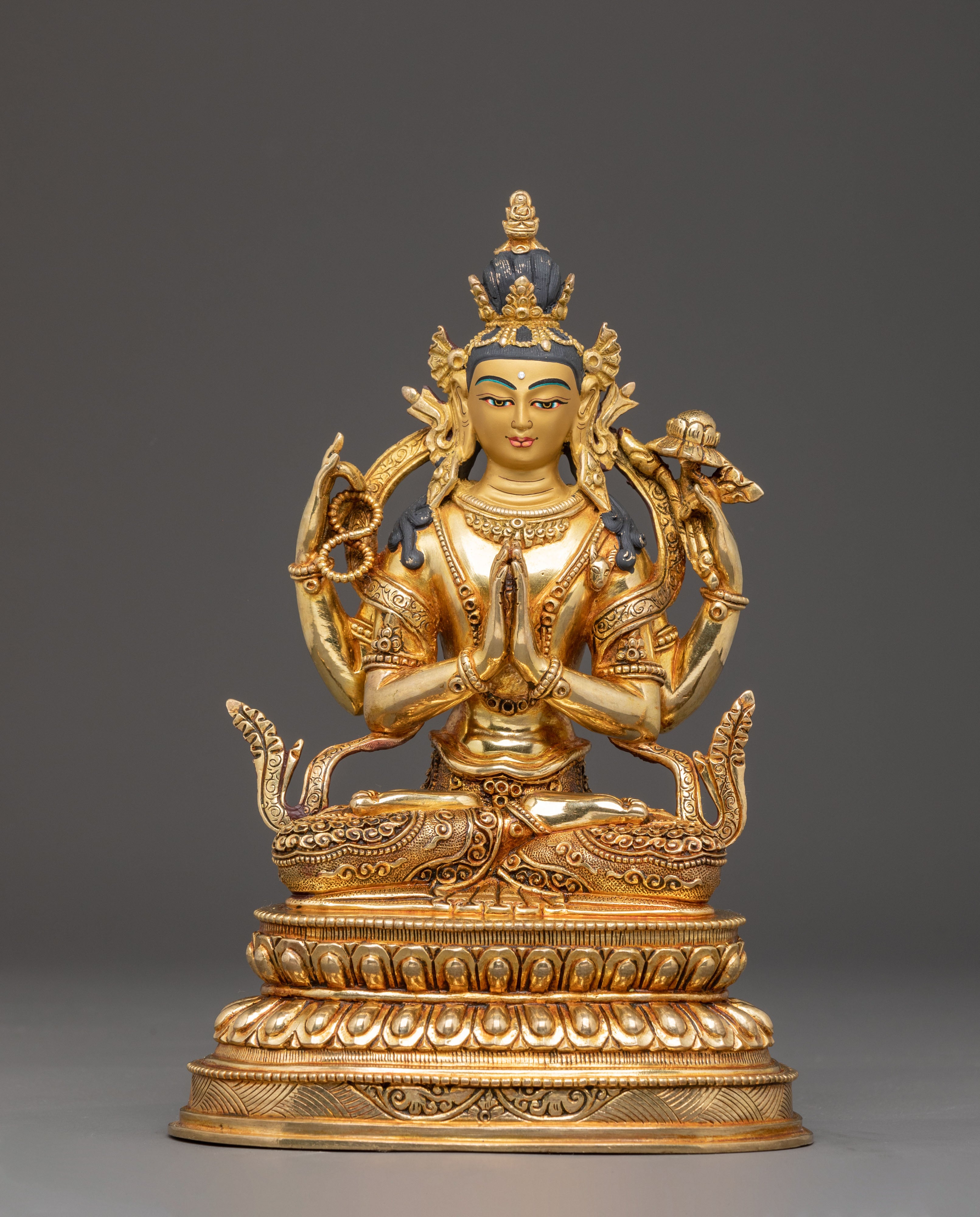
Chenrezig Size: 9.4”/24cm (Height) x 6.3”/16cm (Base)
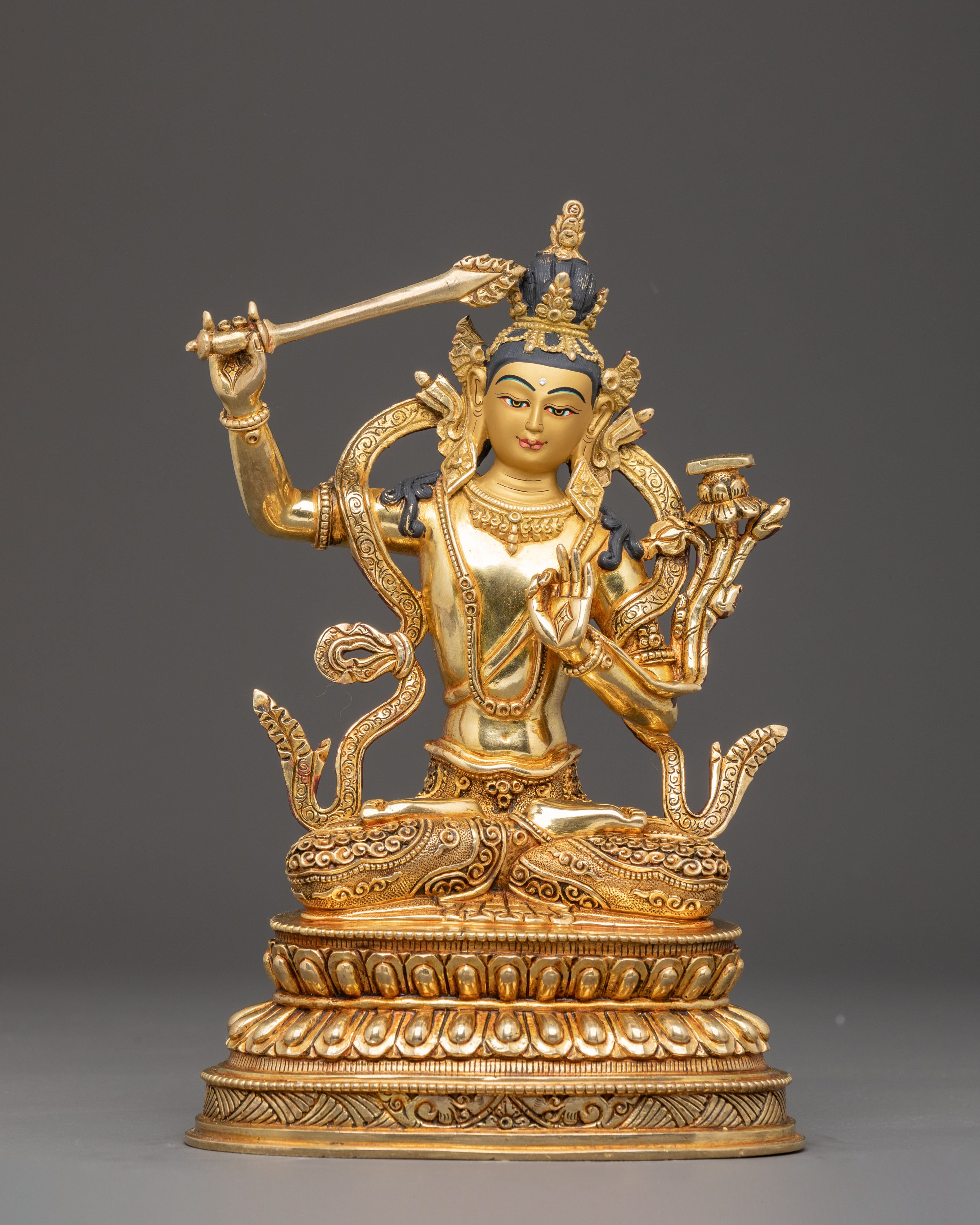
Manjushri Size: 9.8”/25cm (Height) x 6.3”/16cm (Base)
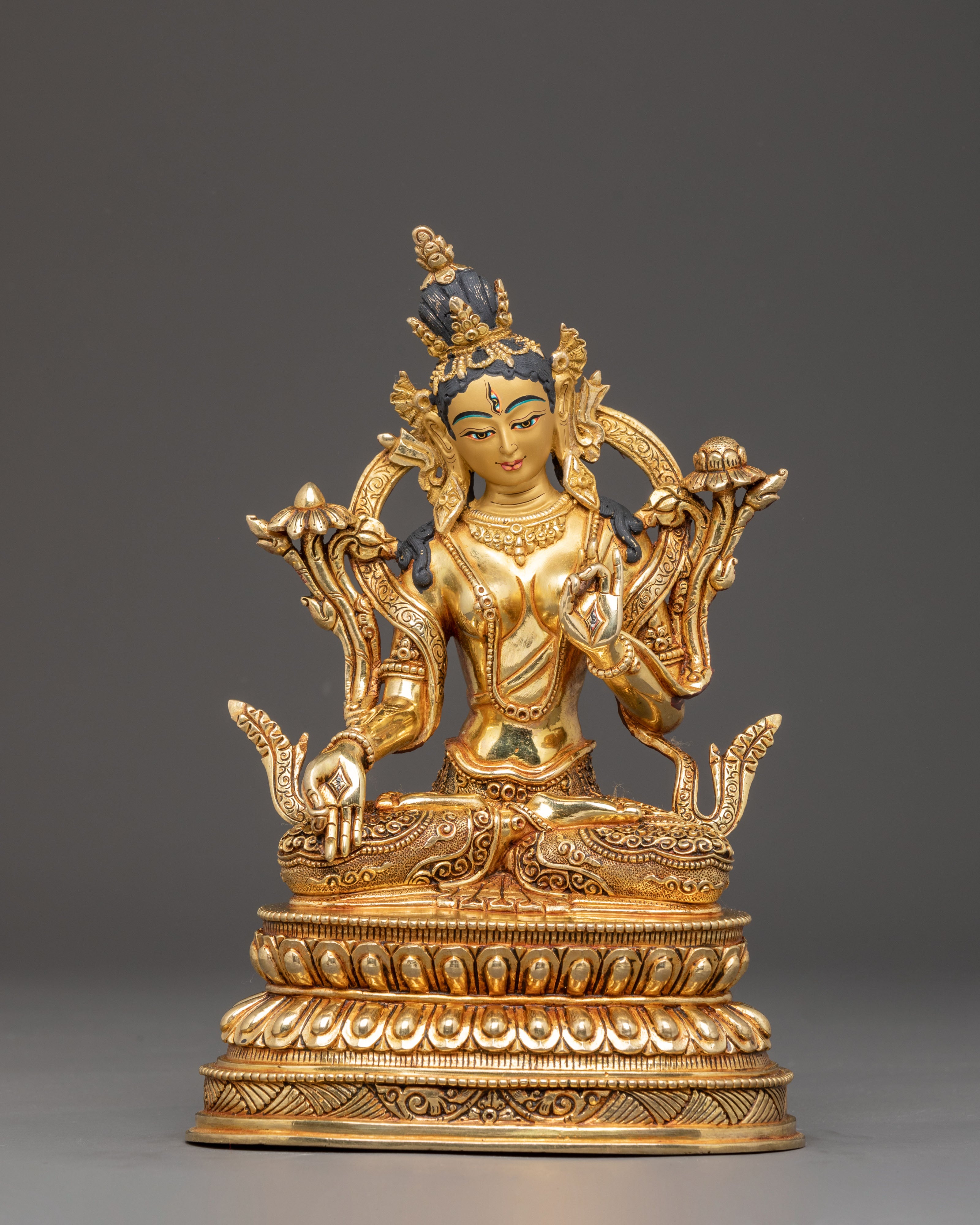
White Tara Size: 9.4”/24cm (Height) x 6.3”/16cm (Base)
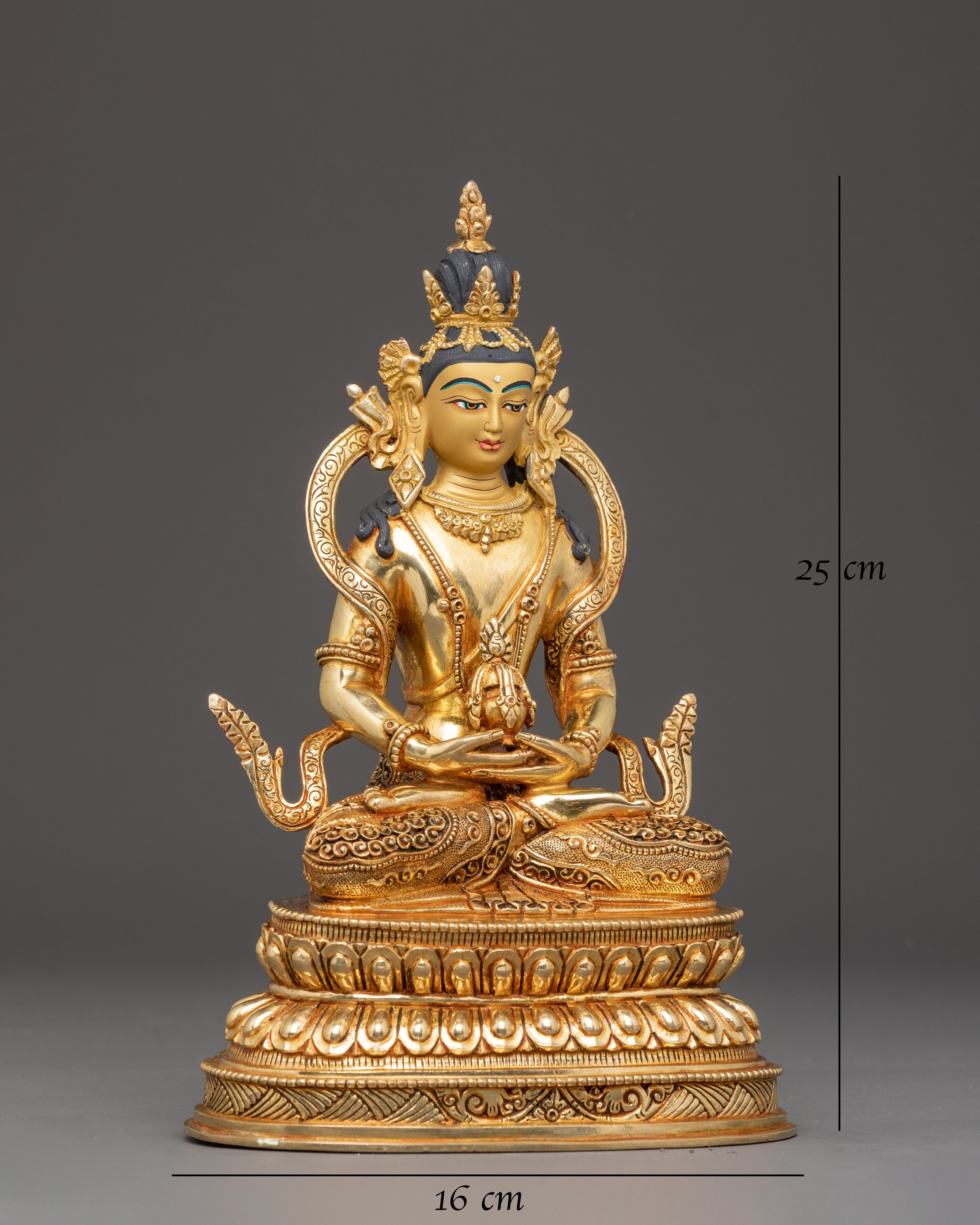
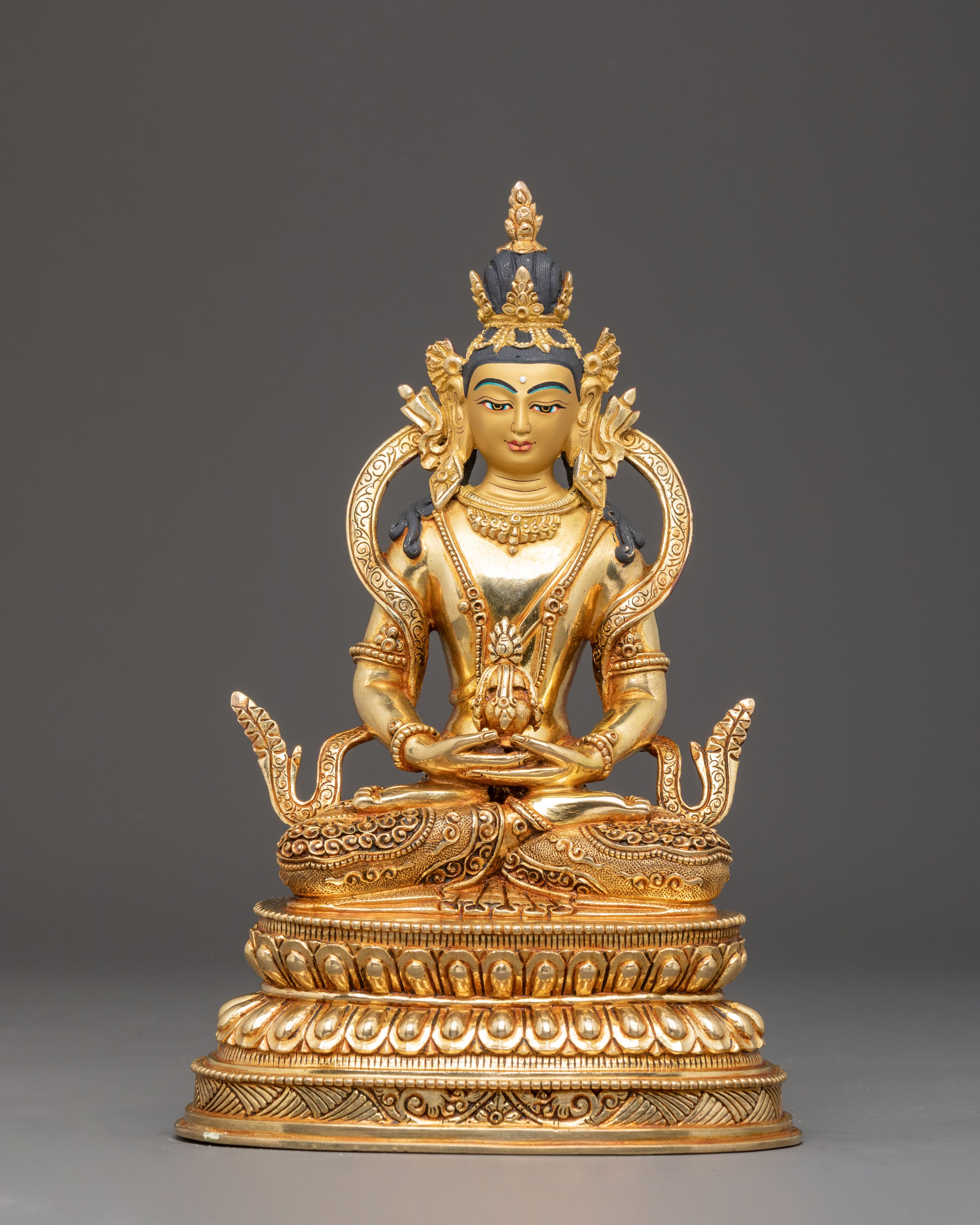
Amitayus Size: 9.8”/25cm (Height) x 6.3”/16cm (Base)
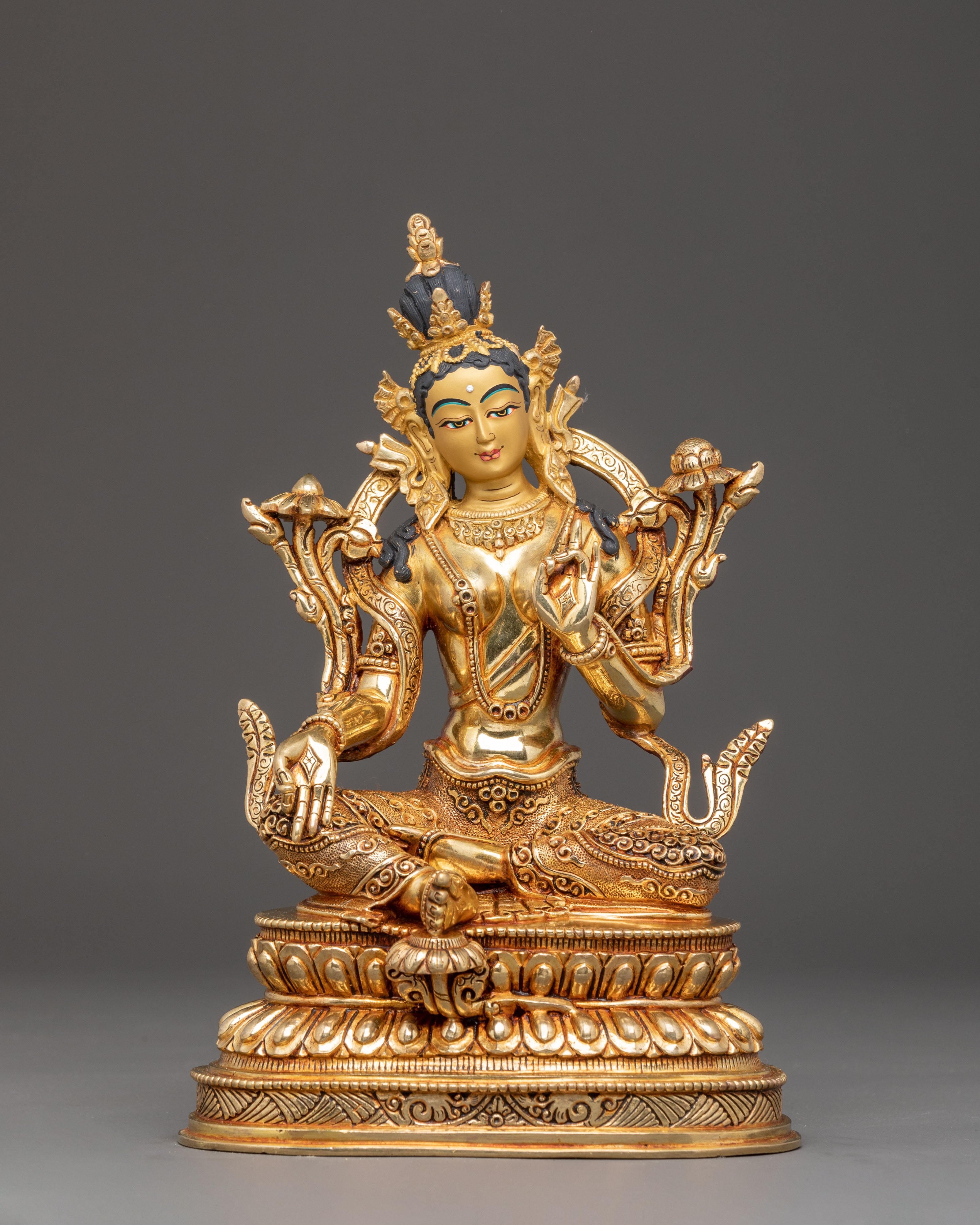
Green Tara Size: 9.8”/25cm (Height) x 6.3”/16cm (Base)
Material: 24K Gold Gilded, Gold & Acrylic Paintings, Copper Body.
Total Weight: 11.06kg
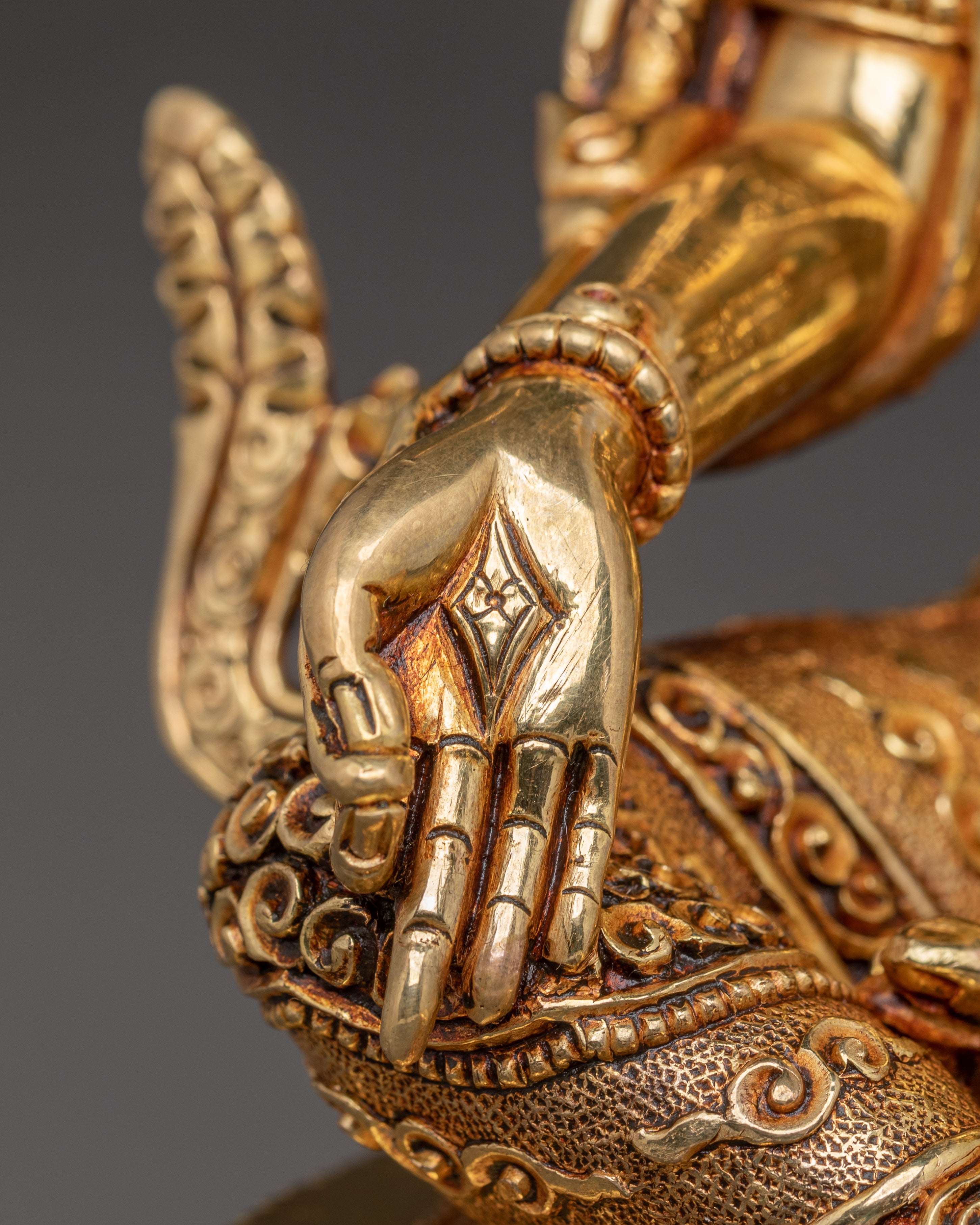
Green Tara, also known as Syamatara, is a highly adored deity in Tibetan Buddhism who represents active compassion and prompt help. She is referred to as the "Mother of Liberation" and is invoked to remove impediments, protect from harm, and soothe anxiety and pain. Green Tara is typically depicted as a beautiful young woman with a serene smile, seated with one leg extended and poised to spring into action, holding a blue lotus, which symbolizes purity and compassion. Her methods are centered on developing compassion, obtaining protection, and conquering personal and external challenges.
Manjushri is known as the Wisdom Bodhisattva. He is the personification of wisdom as
the route to enlightenment. In Mahayana Buddhism, Manjushri is related to prajna.
Manjushri is regarded as a fully enlightened Buddha in Northern Buddhism's Tantric literature, with numerous manifestations and appearances that span all four divisions of Tantra, ranging from simple to complex forms. Manjushri is depicted in the Eleven Figurative Forms as Peaceful, Semi-peaceful, Wrathful, and Animal-featured.
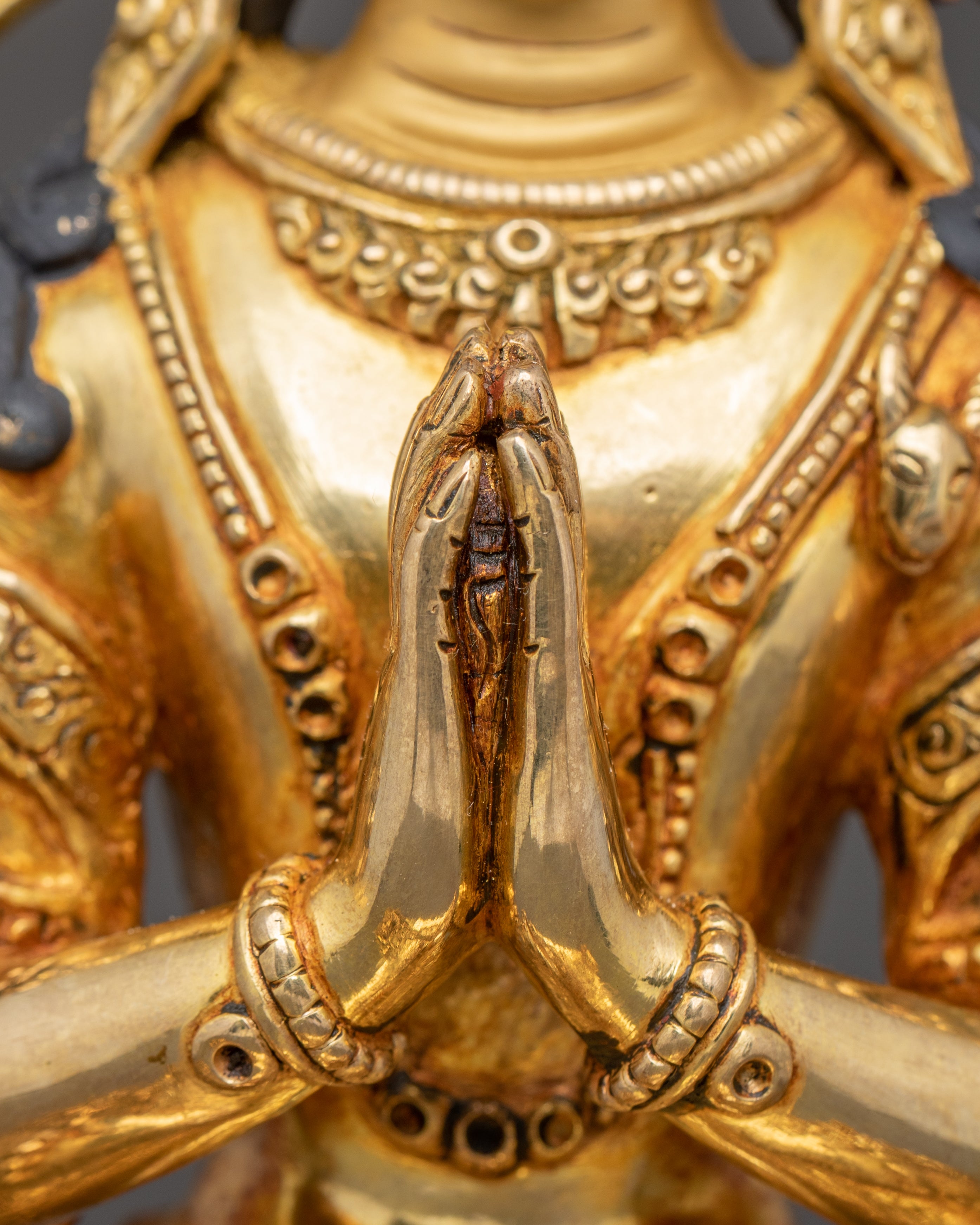
Chenrezig, also known as Avalokiteshvara, is a venerated bodhisattva in Mahayana and Vajrayana Buddhism, representing the compassion of all Buddhas. He is dedicated to helping all sentient beings achieve enlightenment and liberation from suffering. Chenrezig is sometimes depicted with numerous arms and heads, most notably four arms, representing his ability to assist multiple beings at once. His compassion and guidance to enlightenment make him an essential character in Tibetan Buddhism and other Mahayana traditions.
Vajrasattva is typically regarded as the second patriarch in the Shingon Buddhist lineage, the first being Vairocana Buddha. According to Kukai's writings in Record of the Dharma Transmission, Nagarjuna encountered Vajrasatva in an iron tower in southern India, based on Amoghavajra's testimony. As recounted in the Mahavairocana Sutra, Vajrasatva inducted Nagarjuna into the abhiseka ceremony and entrusted him with the esoteric teachings he had gained from Vairocana Buddha. Kukai doesn't go into detail on Vajrasatva or his beginnings.
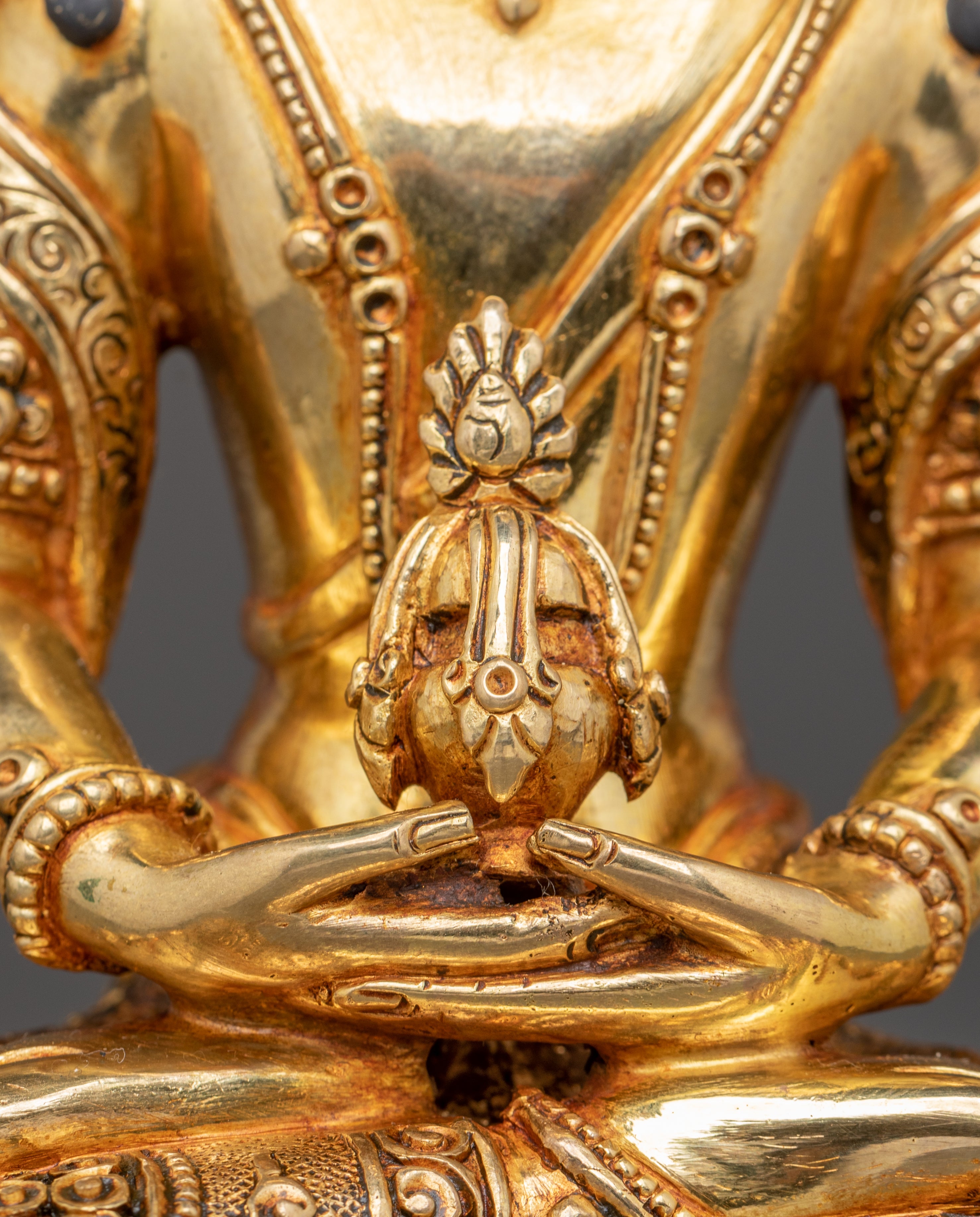
Amitayus, of the Aparimitagunasamchaya or Amitavyhavat pure world, is usually shown in his apparitional buddha form (sambhogakaya), red in color, wearing a crown and jewels, and holding a long-life vase over two hands in a meditation gesture. A Buddha is said to have three bodies in the Mahayana Buddhist tradition: a form body (nirmanakaya), an apparitional body (sambhogakaya), and an ultimate truth body (sambhogakaya) (dharmakaya).
White Tara, also called Sita Tara, is a significant figure who represents the maternal qualities of compassion. She is frequently called upon for her healing energies, her capacity to extend life and ward off bad luck, and her seven eyes, which are said to watch over all beings. This essence is exquisitely captured by the White Sita Tara Sculpture, which serves as a powerful reminder of the path to ultimate purity and enlightenment that is accessible to all creatures.