


Description
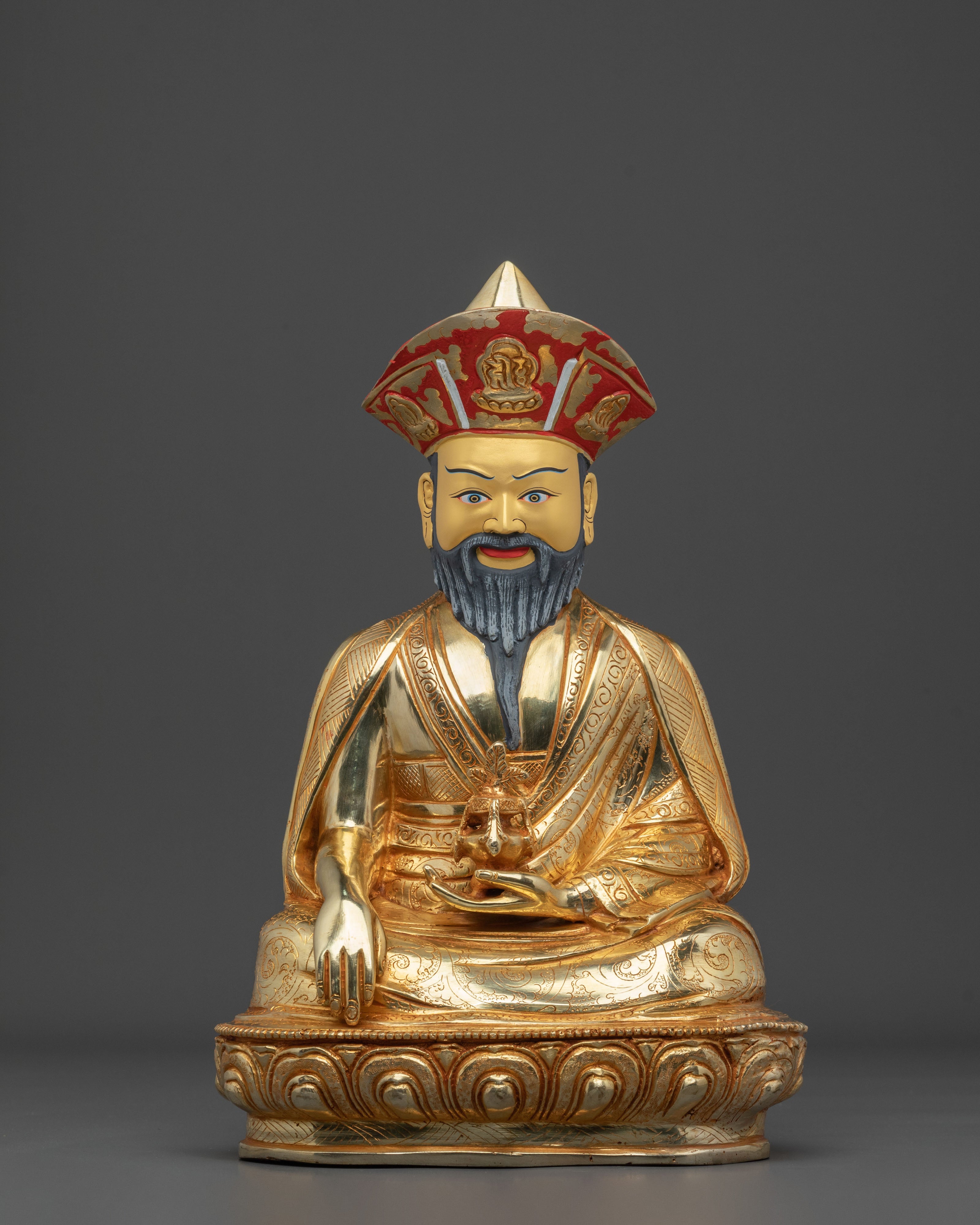
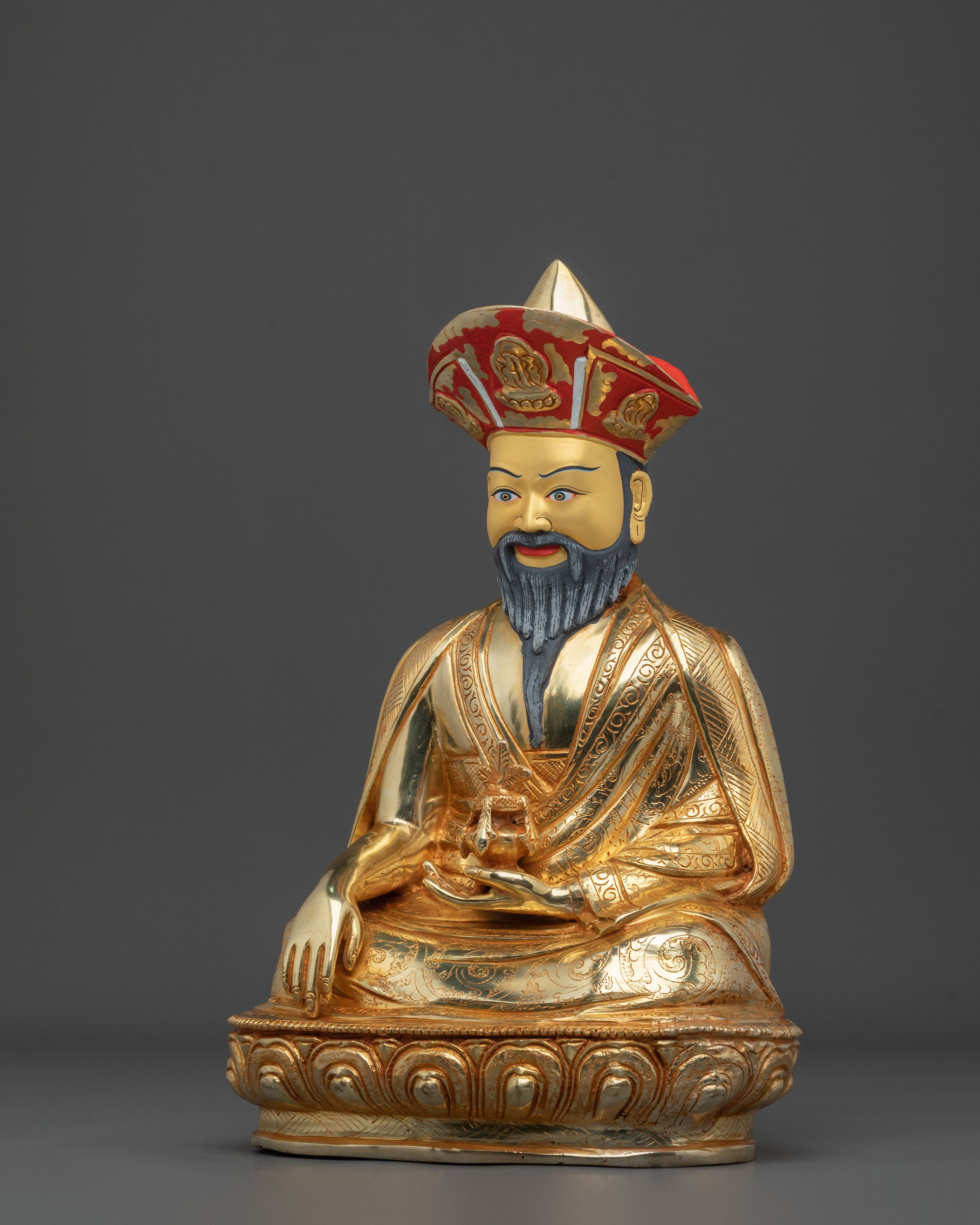
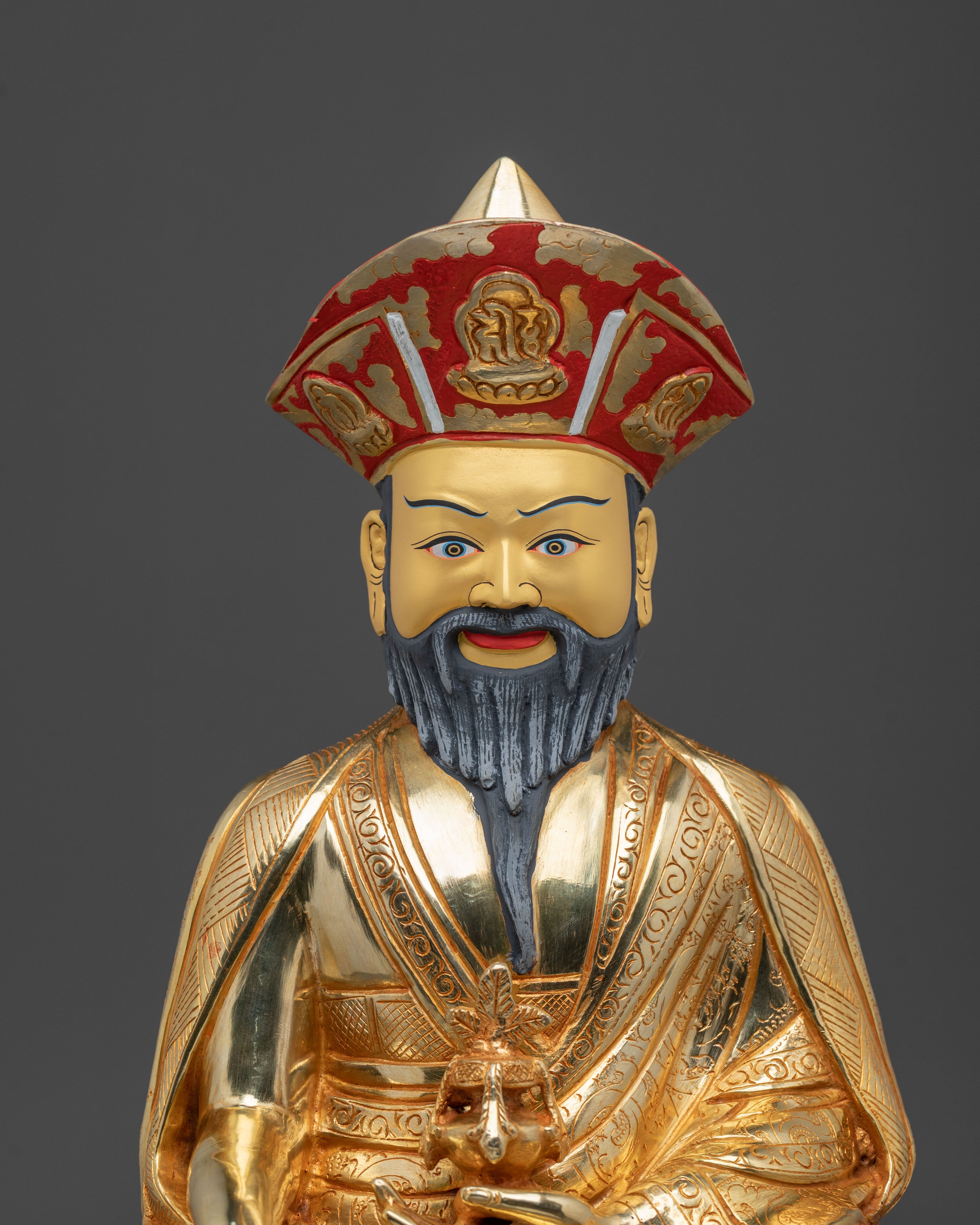
Buddhist Master: Guru Shapdum Statue for Spiritual Contemplation
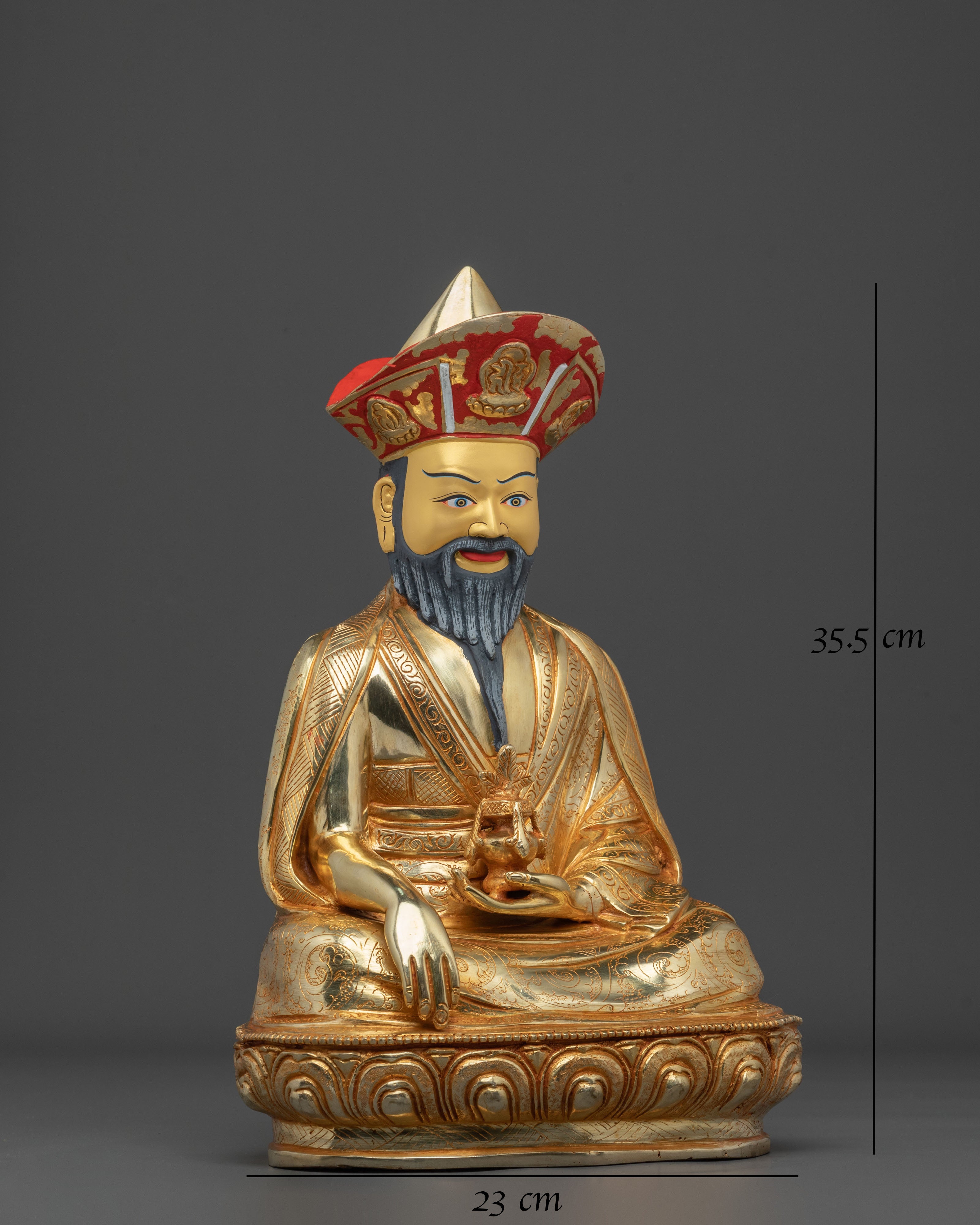
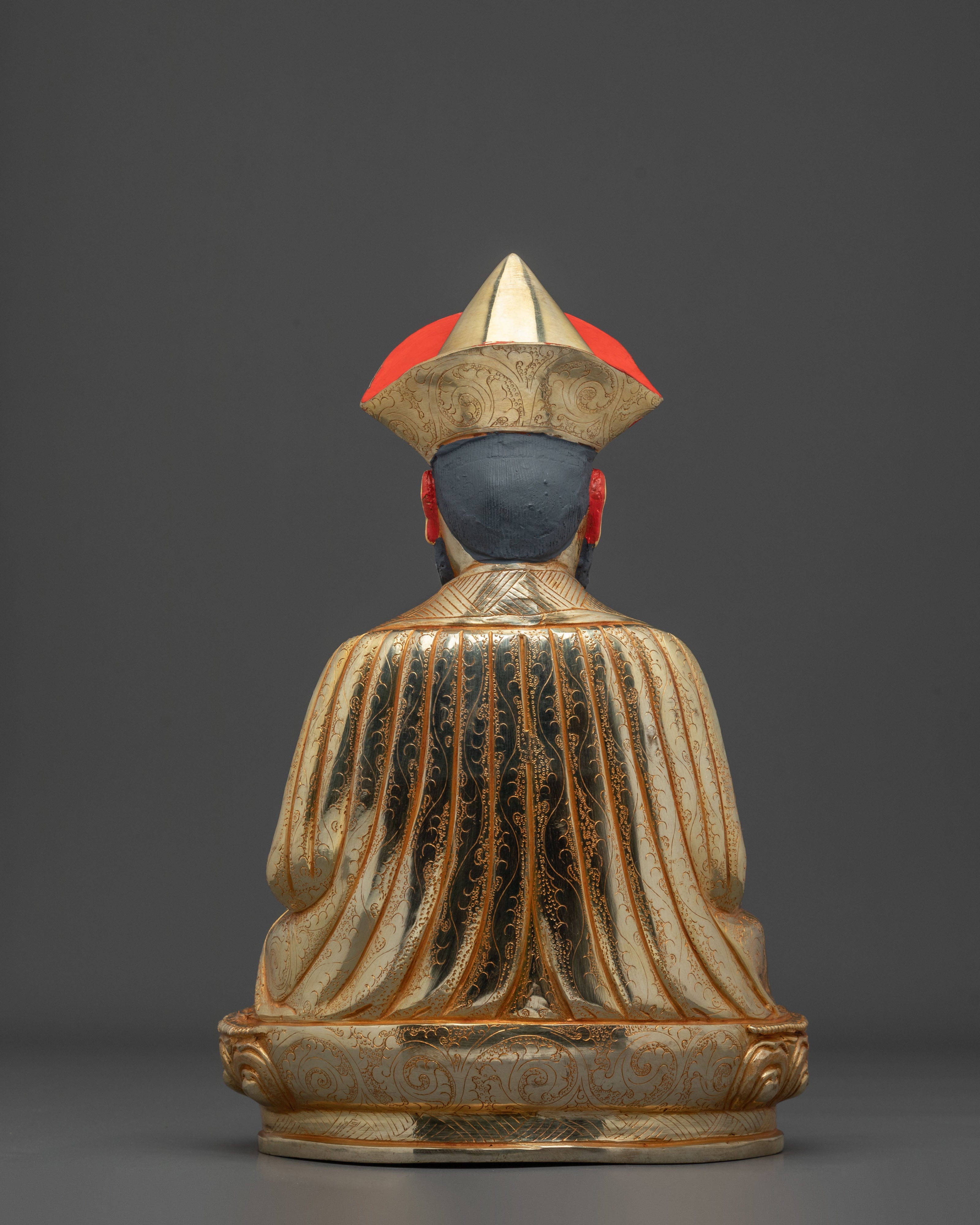
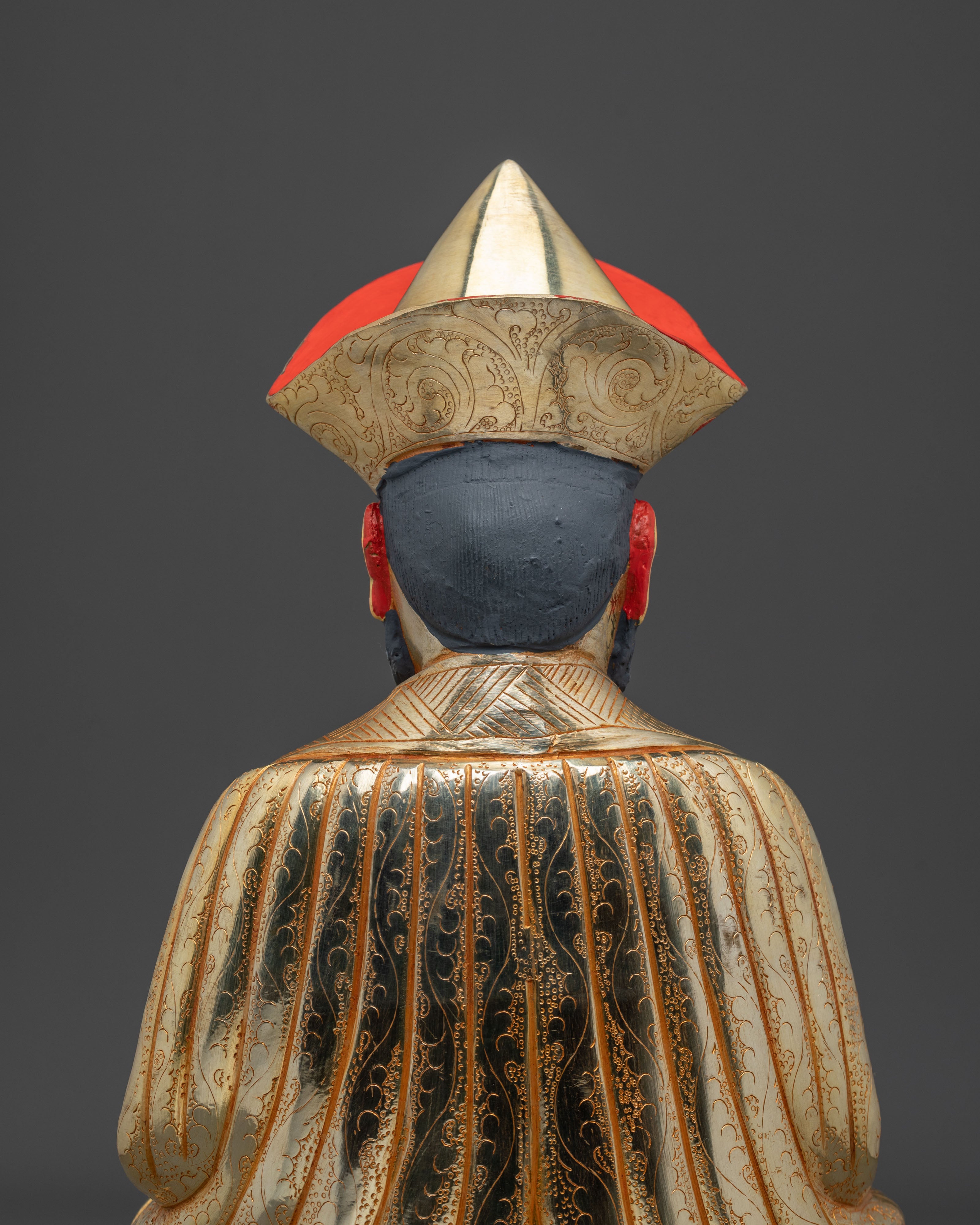
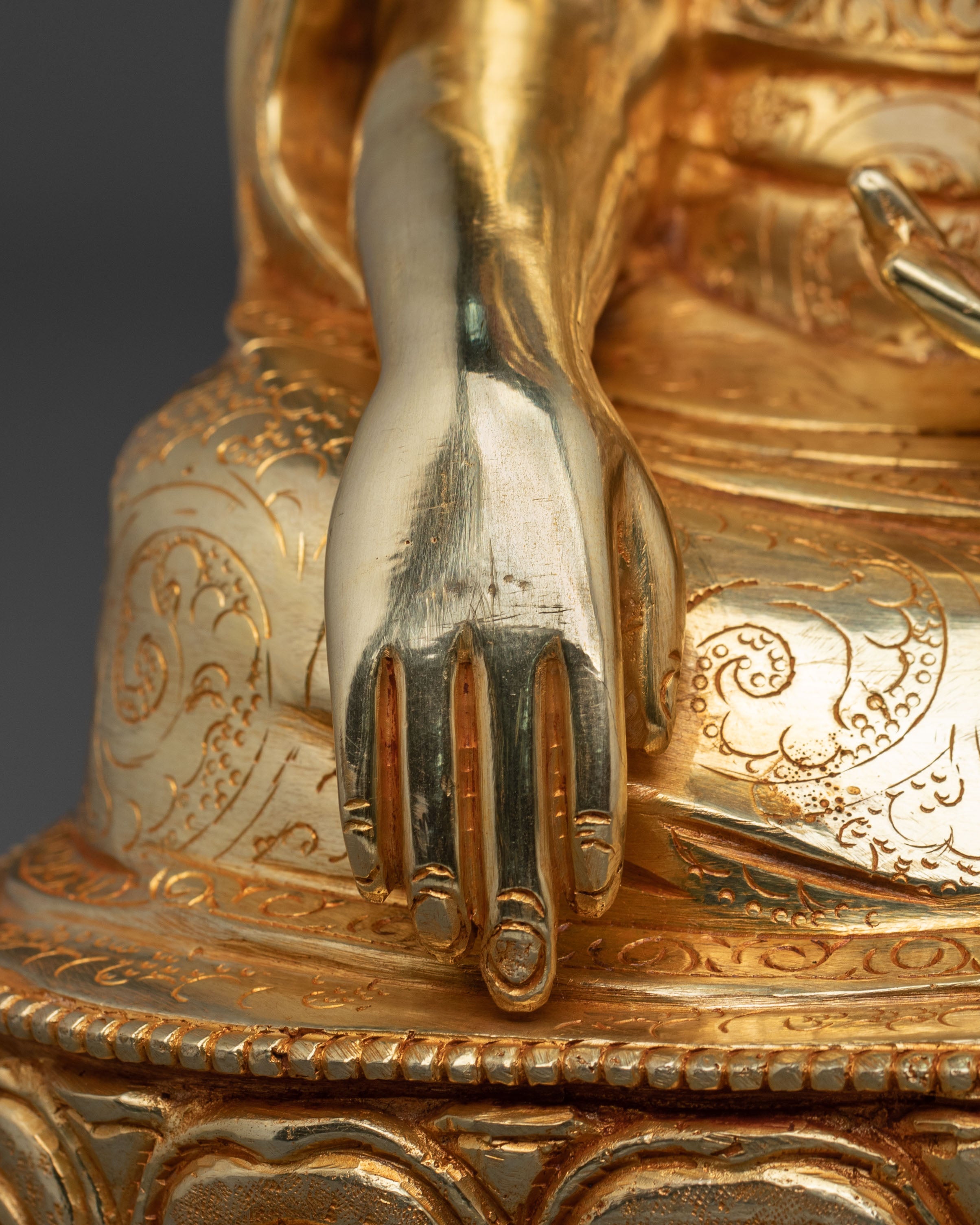
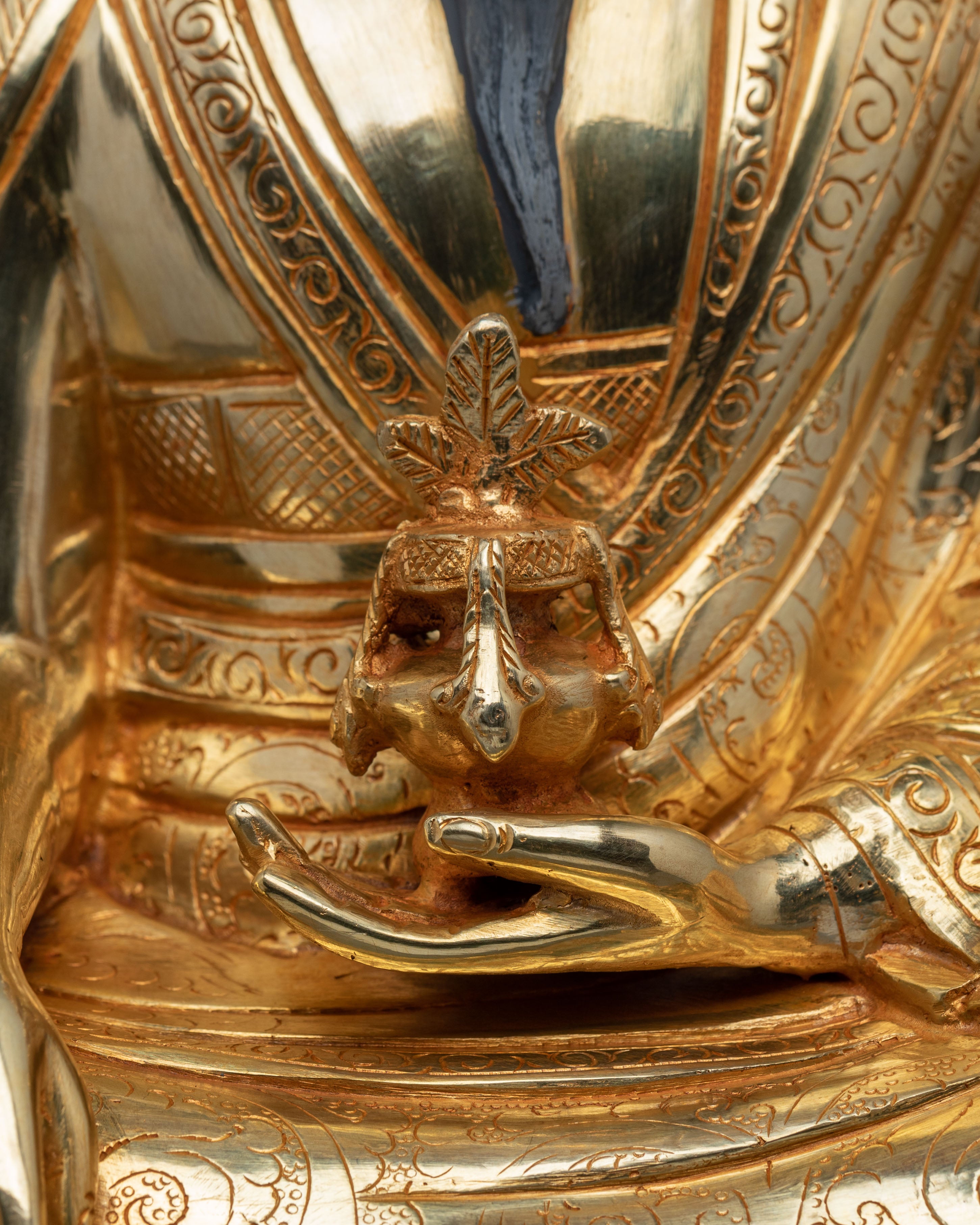
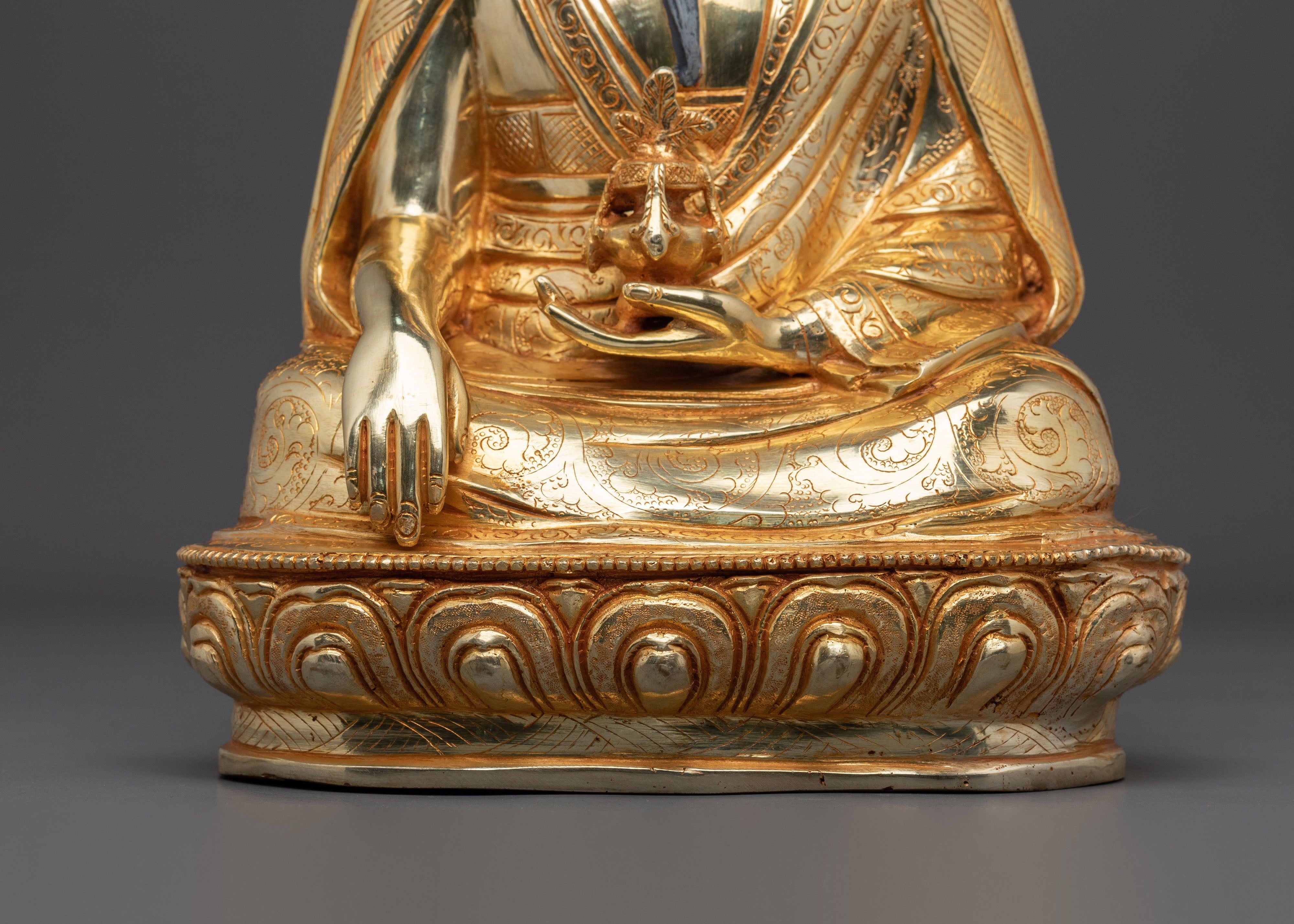
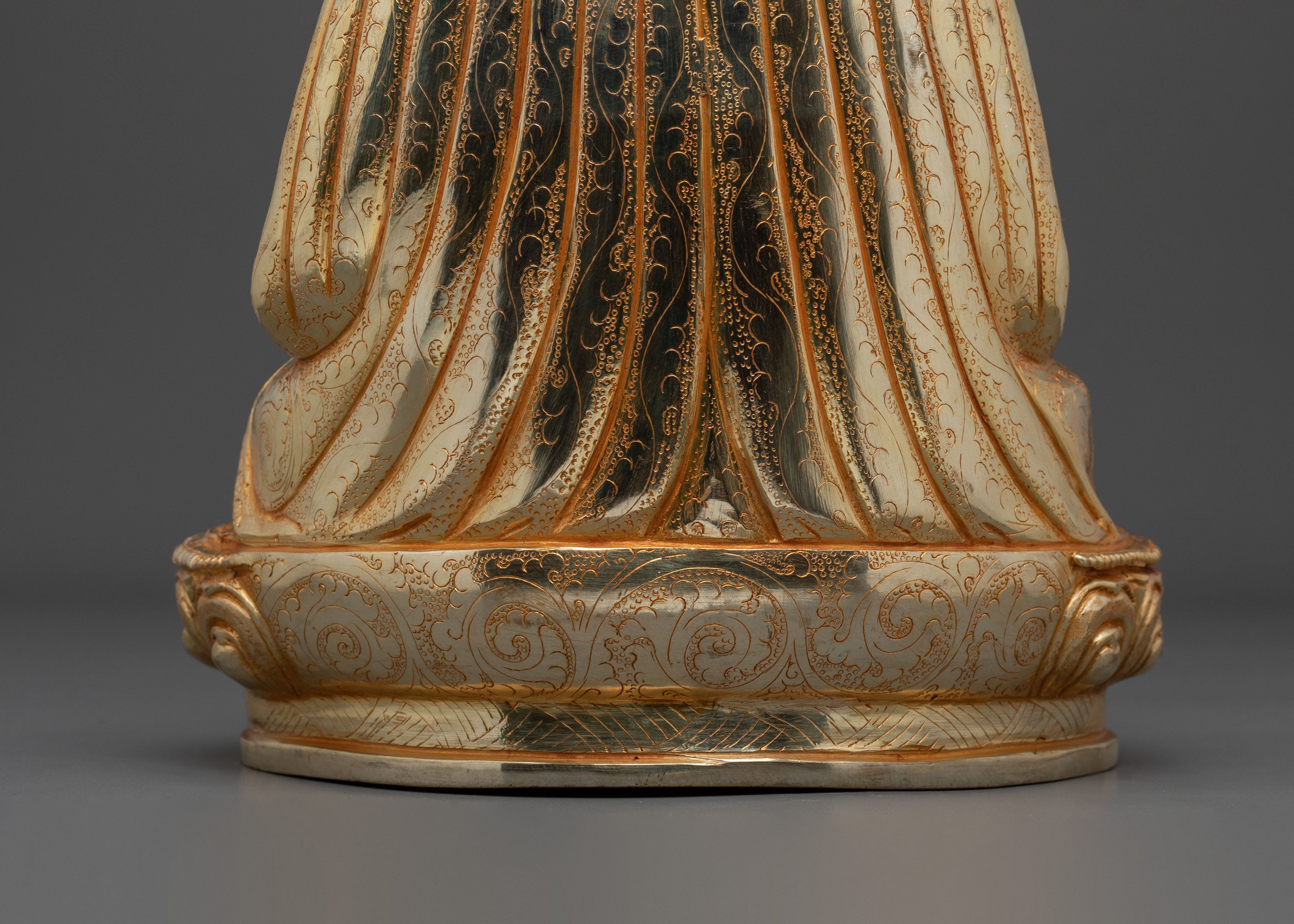
Handcrafted in Nepal, this Guru Shapdum Statue for Spiritual Contemplation reflects the refined artistry and traditional craftsmanship of Himalayan artisans. Standing 35.5 cm (13.98 inches) tall with a 23 cm (9.1 inches) base and weighing 3.39 kg, it is carefully crafted from a copper body and adorned with 24K gold gilding, gold electroplating, and detailed acrylic painting. The radiant gold finish, intricate details, and carefully applied painted elements showcase the precision, patience, and dedication of skilled Nepalese artisans. Guru Shapdum is a revered Buddhist master associated with profound teachings, spiritual realization, and the transmission of wisdom within the Himalayan Buddhist tradition. This finely crafted sculpture makes a meaningful addition to Buddhist altars, meditation spaces, temples, or sacred collections, reflecting the rich heritage of Himalayan Buddhist art and craftsmanship.
Guru Shapdum, a revered form of Guru Rinpoche (Padmasambhava), embodies the profound wisdom, compassion, and transformative power of the Vajrayana teachings. His serene expression and sacred gestures reflect the deep realization, inner clarity, and enlightened awareness of this great master. The peaceful yet powerful presence of Guru Shapdum serves as a reminder of the guru’s role in guiding practitioners beyond ignorance and obstacles toward spiritual awakening. This sacred statue acts as a meaningful meditation and devotional focus, inspiring practitioners to cultivate devotion, wisdom, inner peace, and a deeper connection with the profound teachings of the Dharma.
Size: 13.98”/35.5cm (Height) x 9.1”/23cm (Base)
Weight: 3.39 kg
Material: 24K Gold Gilded, Acrylic Painting, Copper Body, Gold Electroplating
Guru Zhabdrung Ngawang Namgyal, often referred to as Guru Shapdum, was a revered Tibetan Buddhist lama who unified Bhutan and established its unique cultural and religious identity in the 17th century. He founded the Drukpa Lineage of Kagyu Buddhism in Bhutan and is considered a manifestation of Avalokiteshvara, the Buddha of Compassion. His legacy includes the establishment of a dual system of government, the building of numerous dzongs, and the codification of Bhutanese law and customs, making him a central figure in Bhutanese history and spirituality.