Handmade Tsongkhapa, Je Gyaltsab, and Je Khedrup Statues Set | Tibetan Buddhist Deities
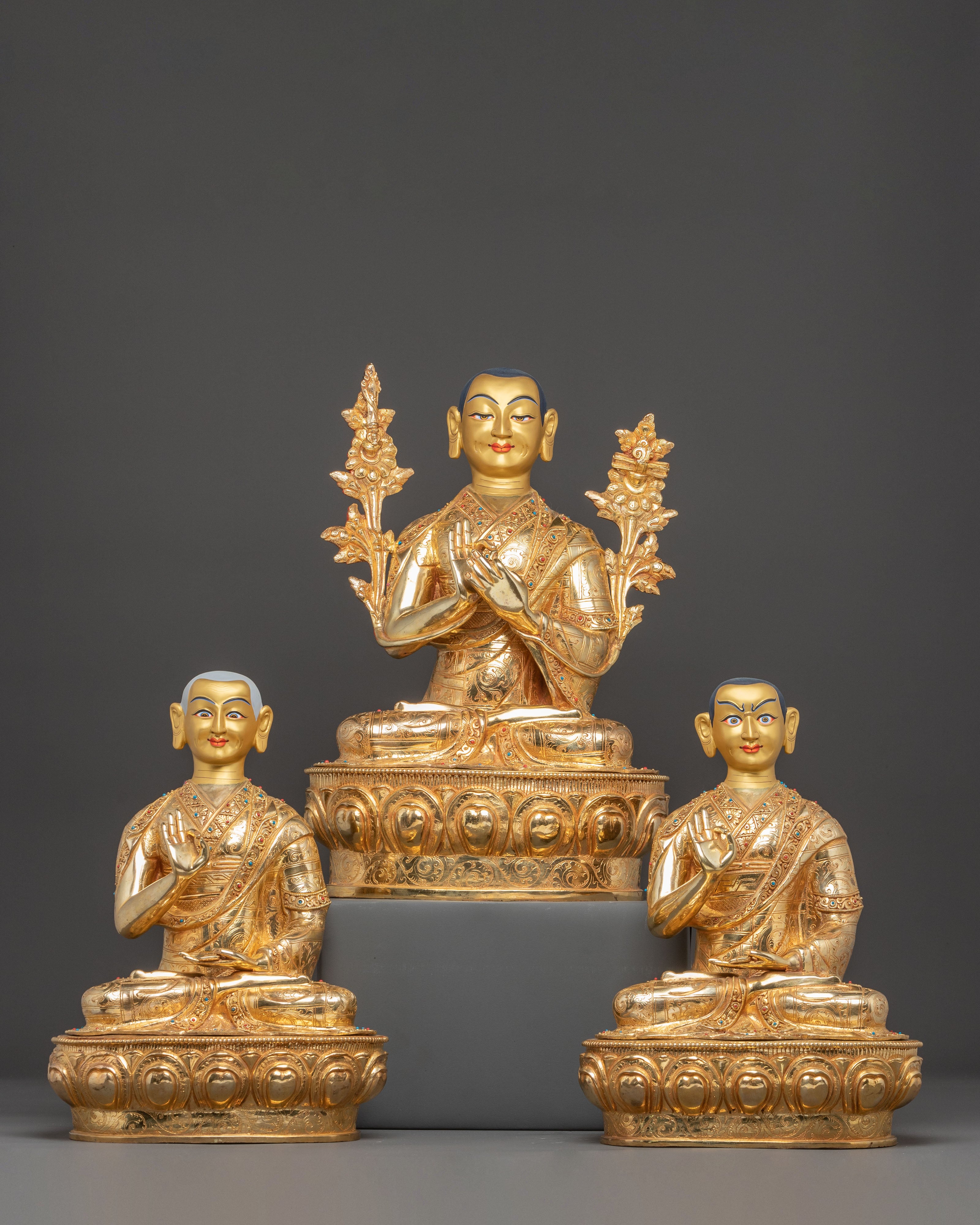
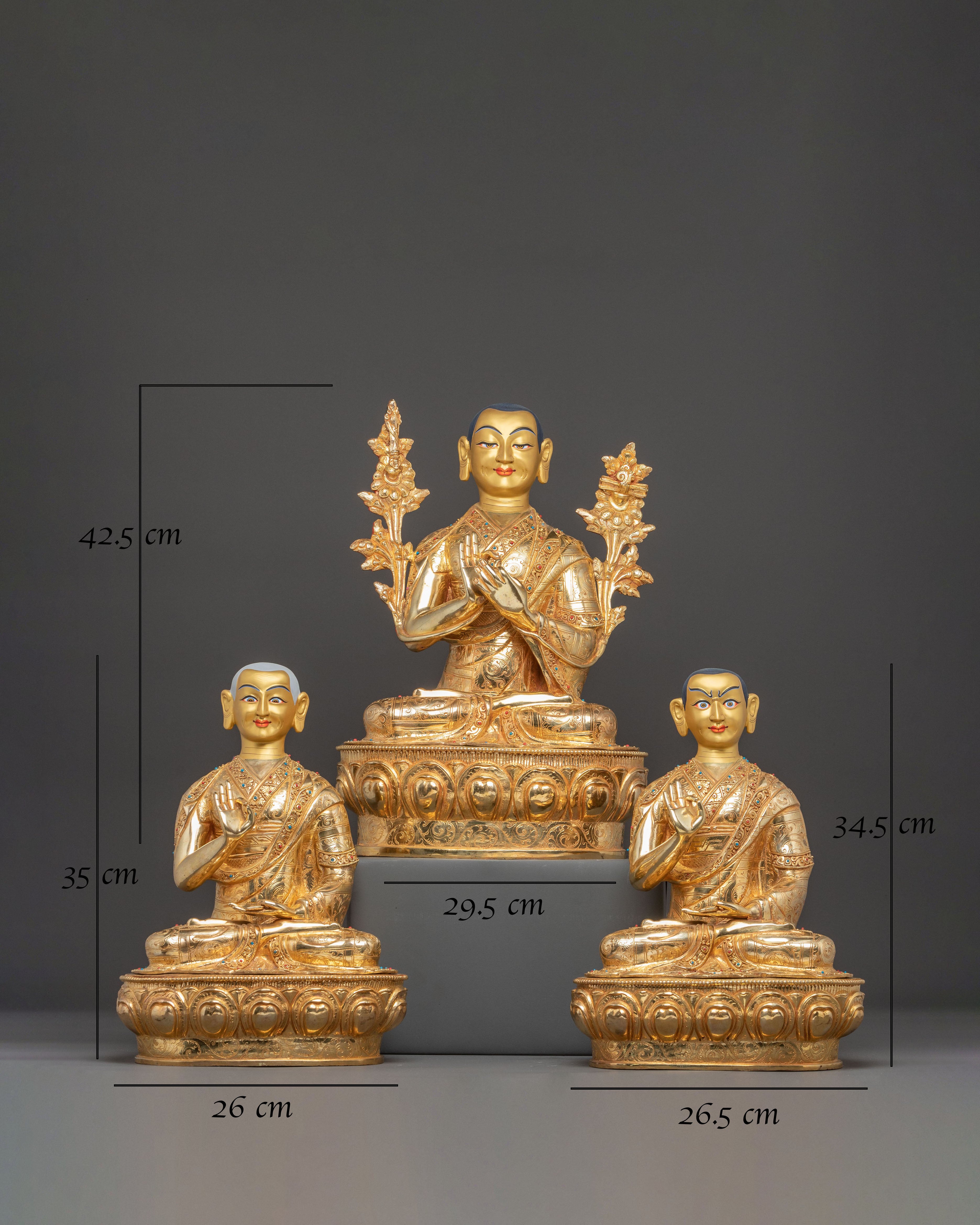
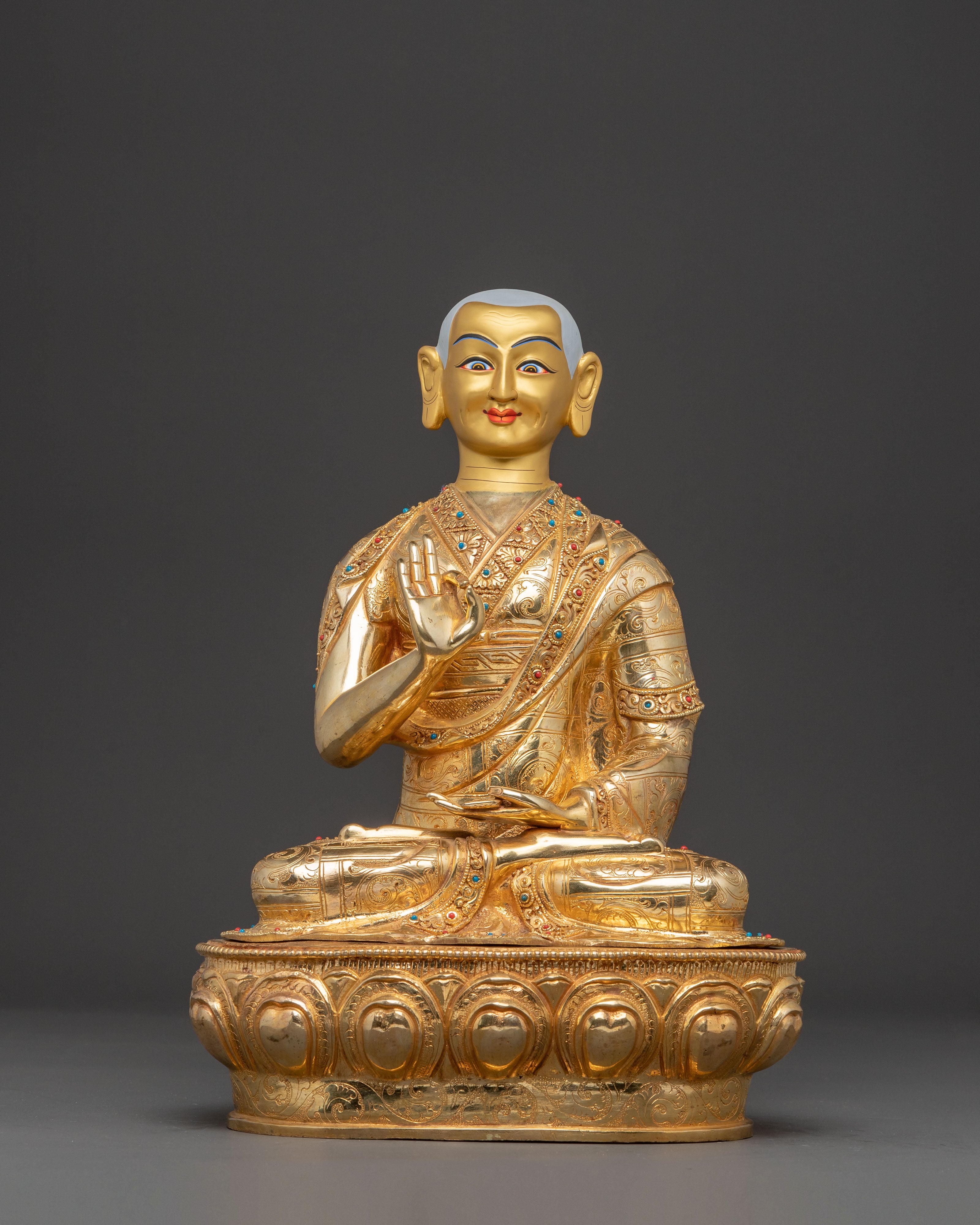
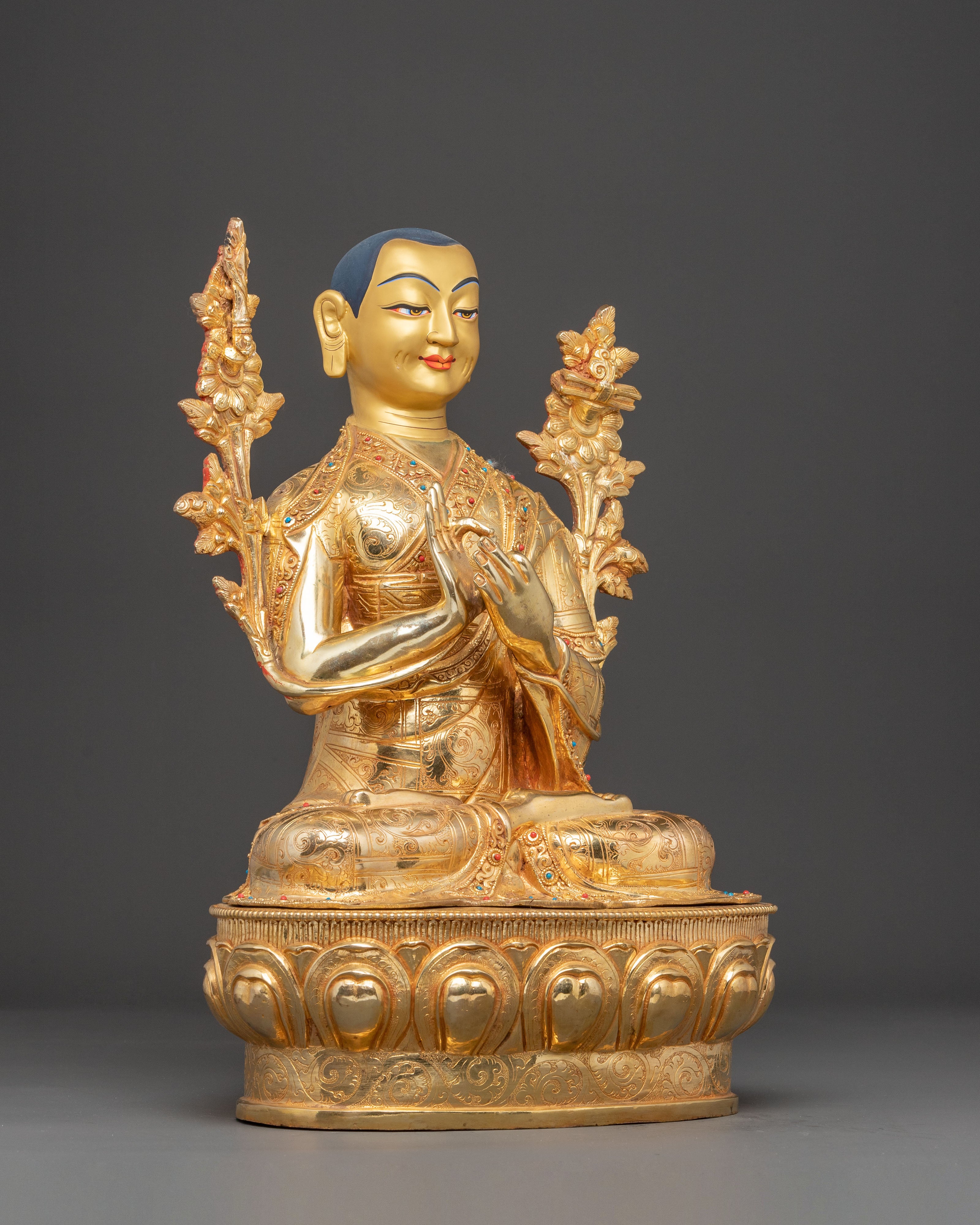
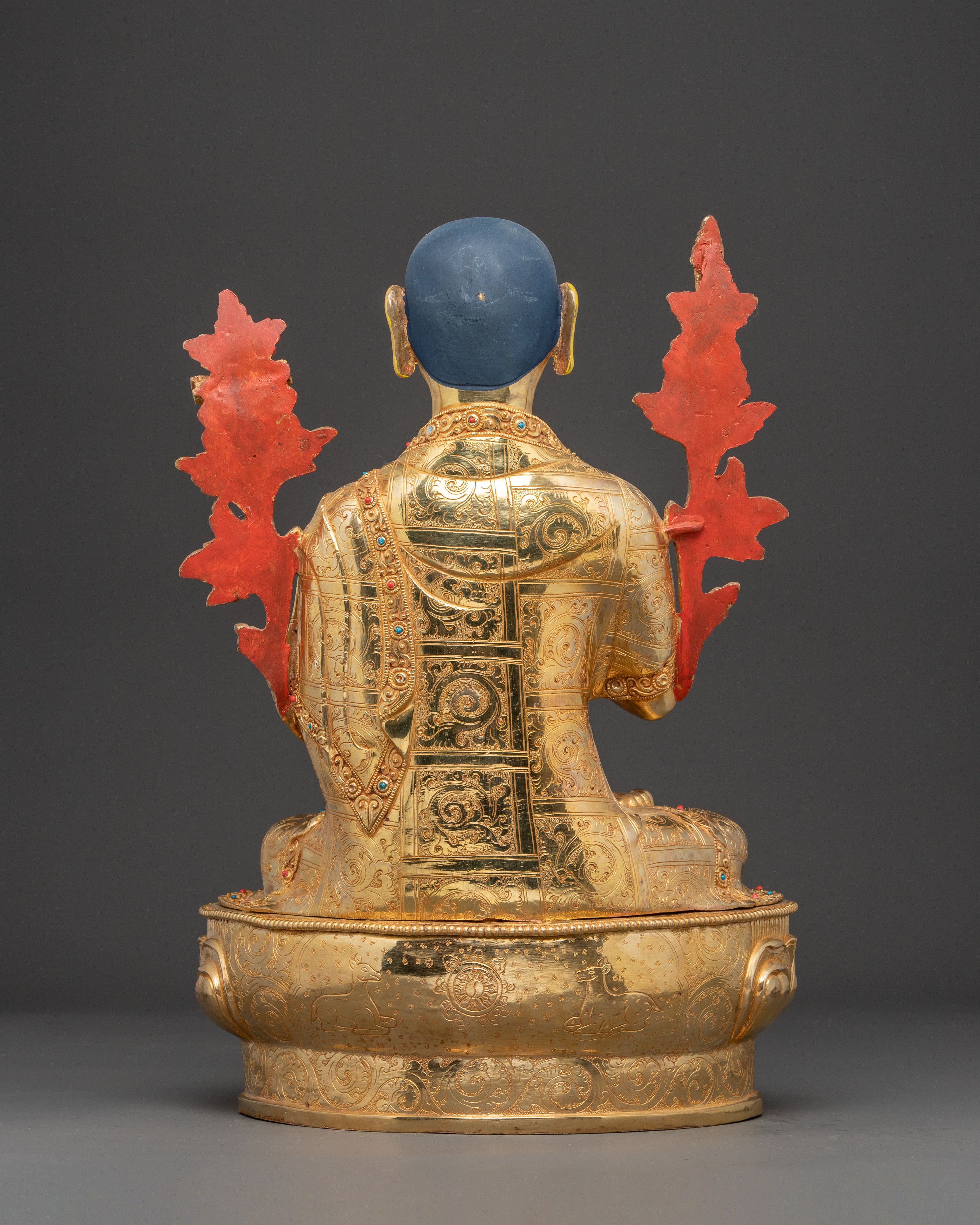
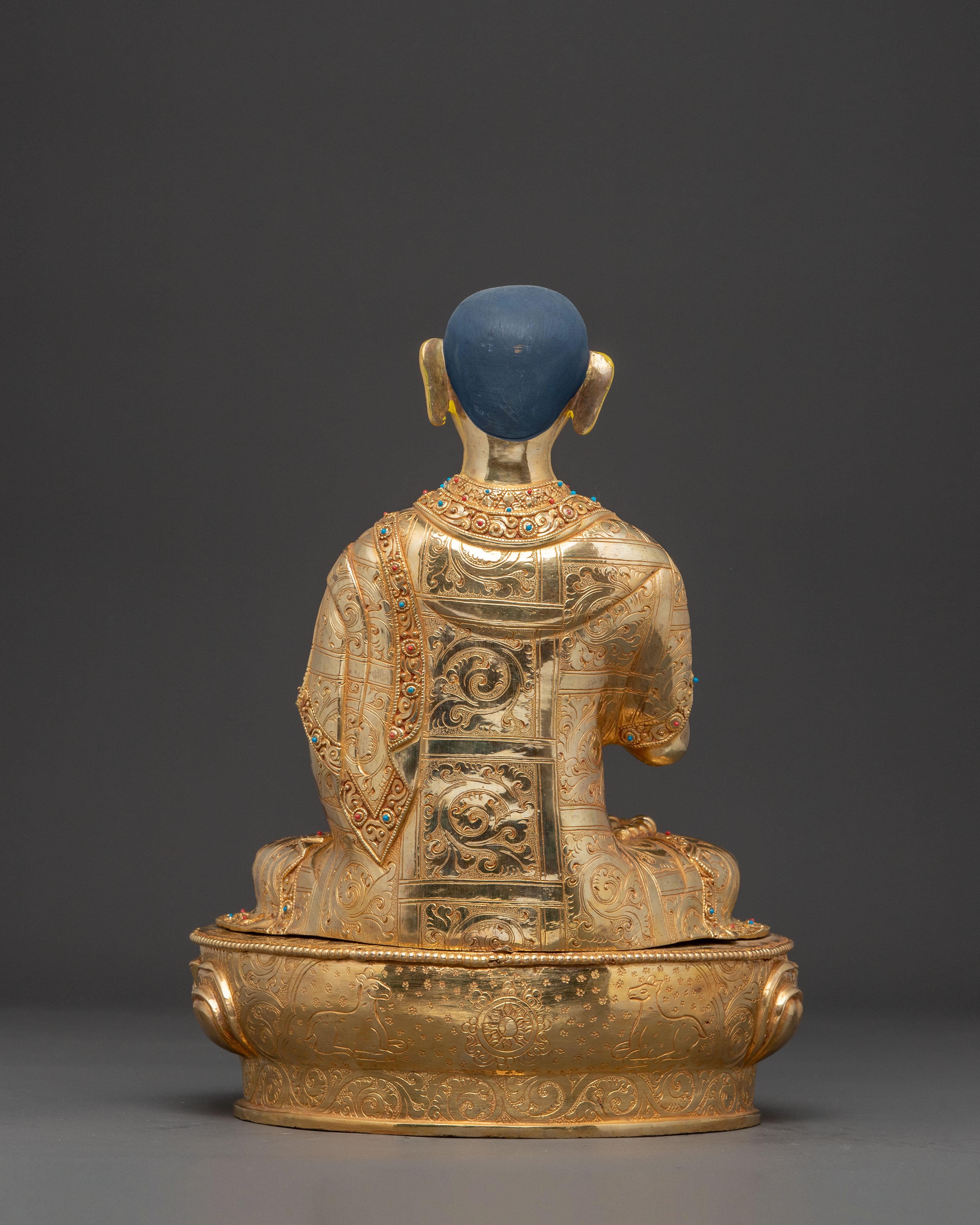
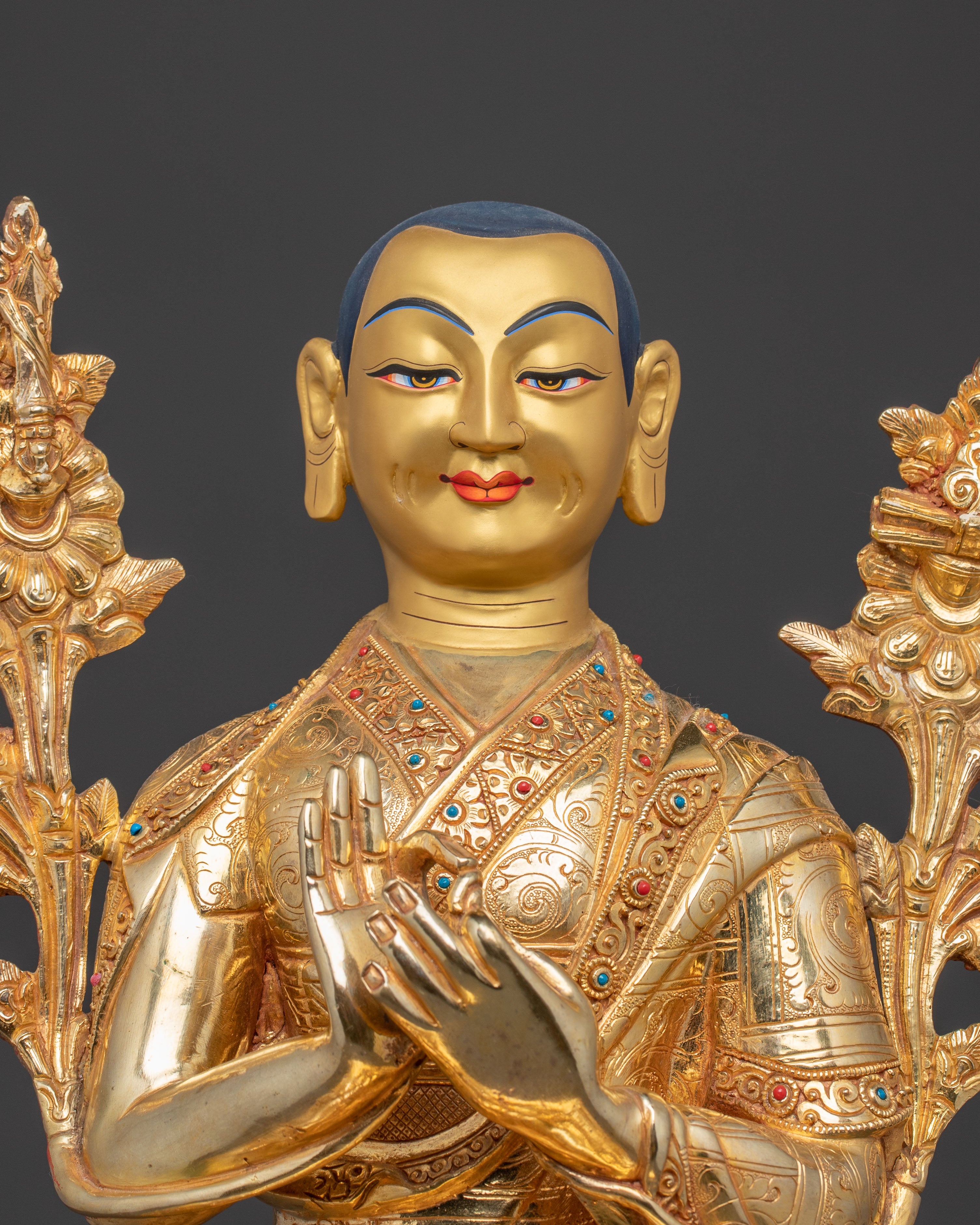
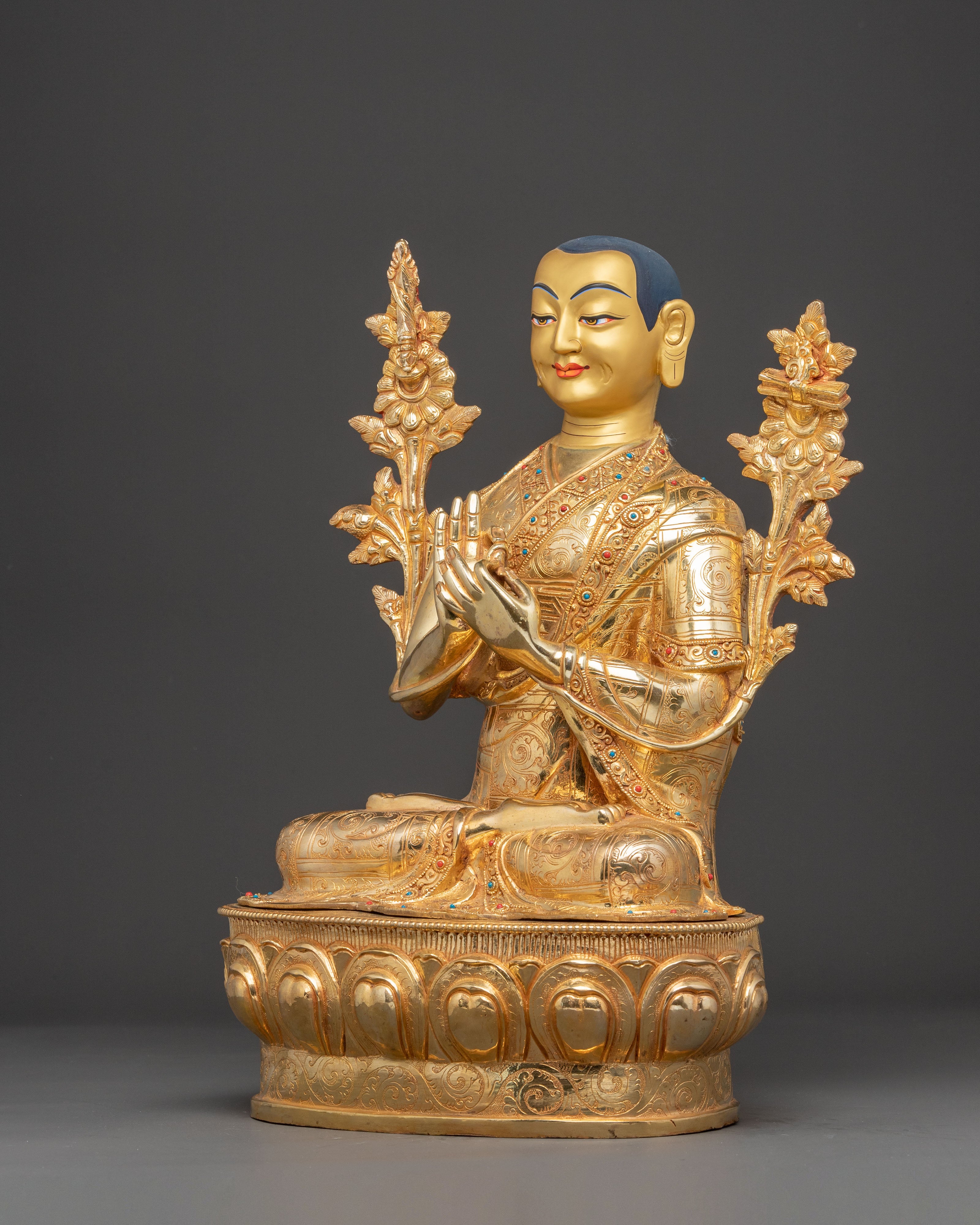
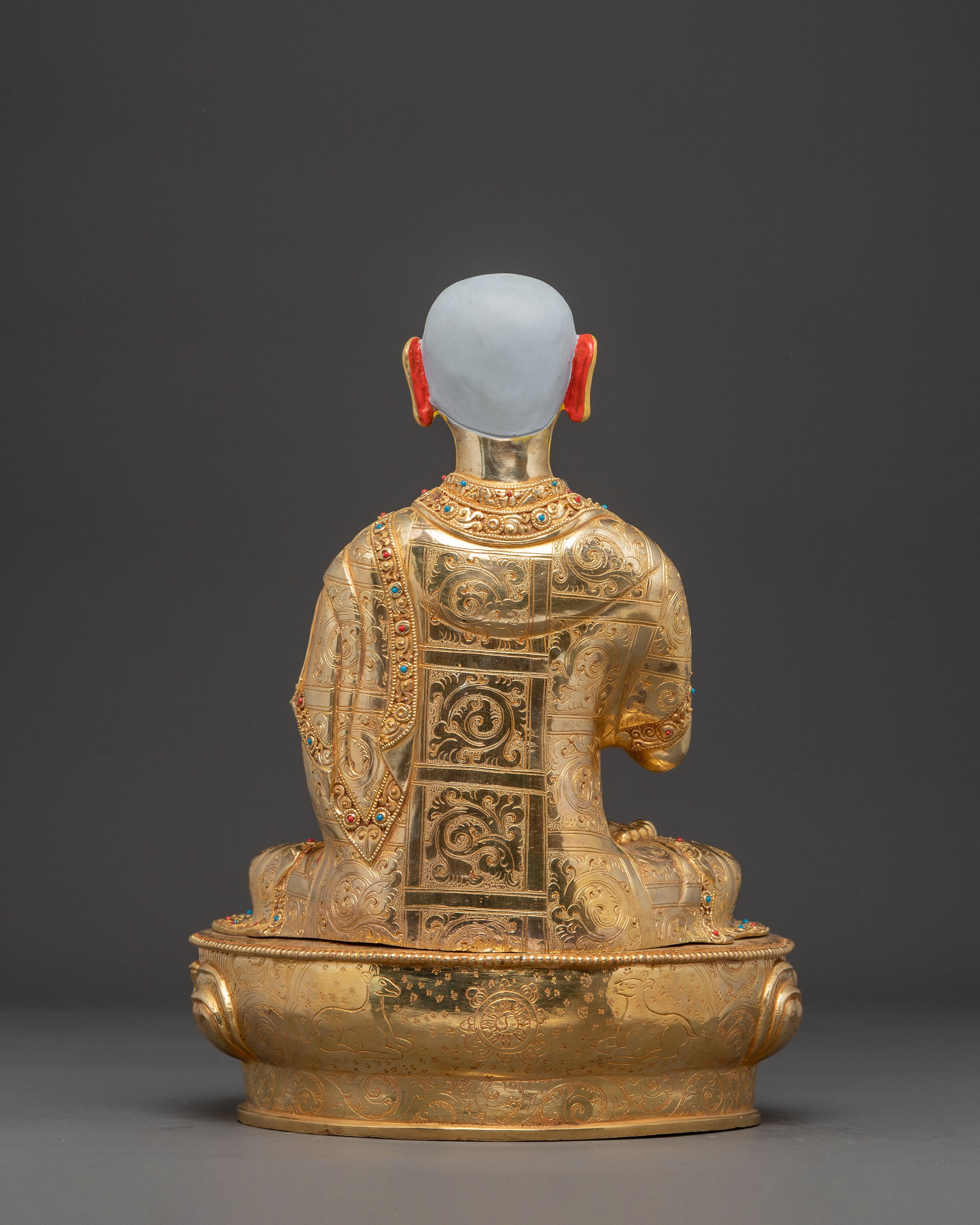
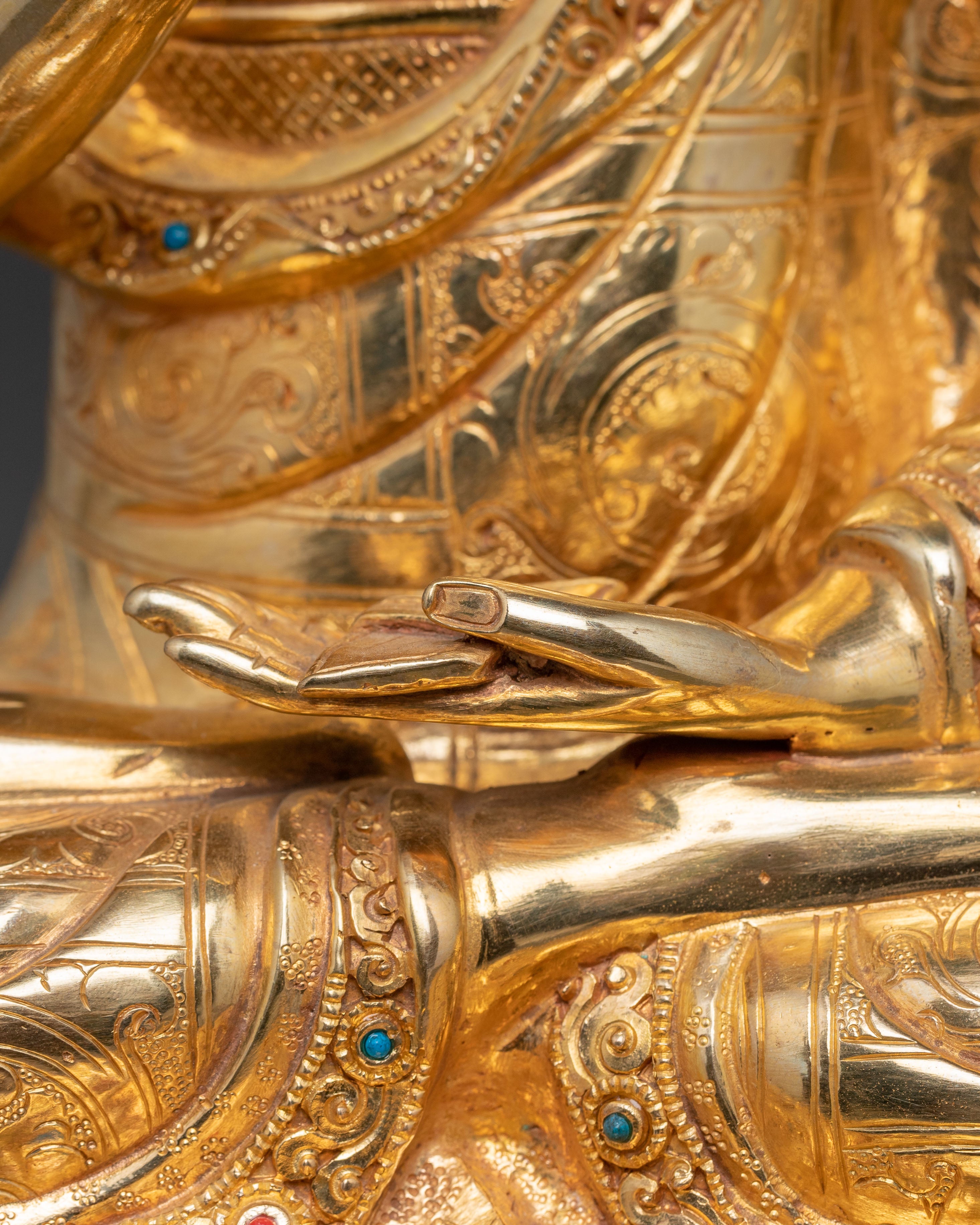
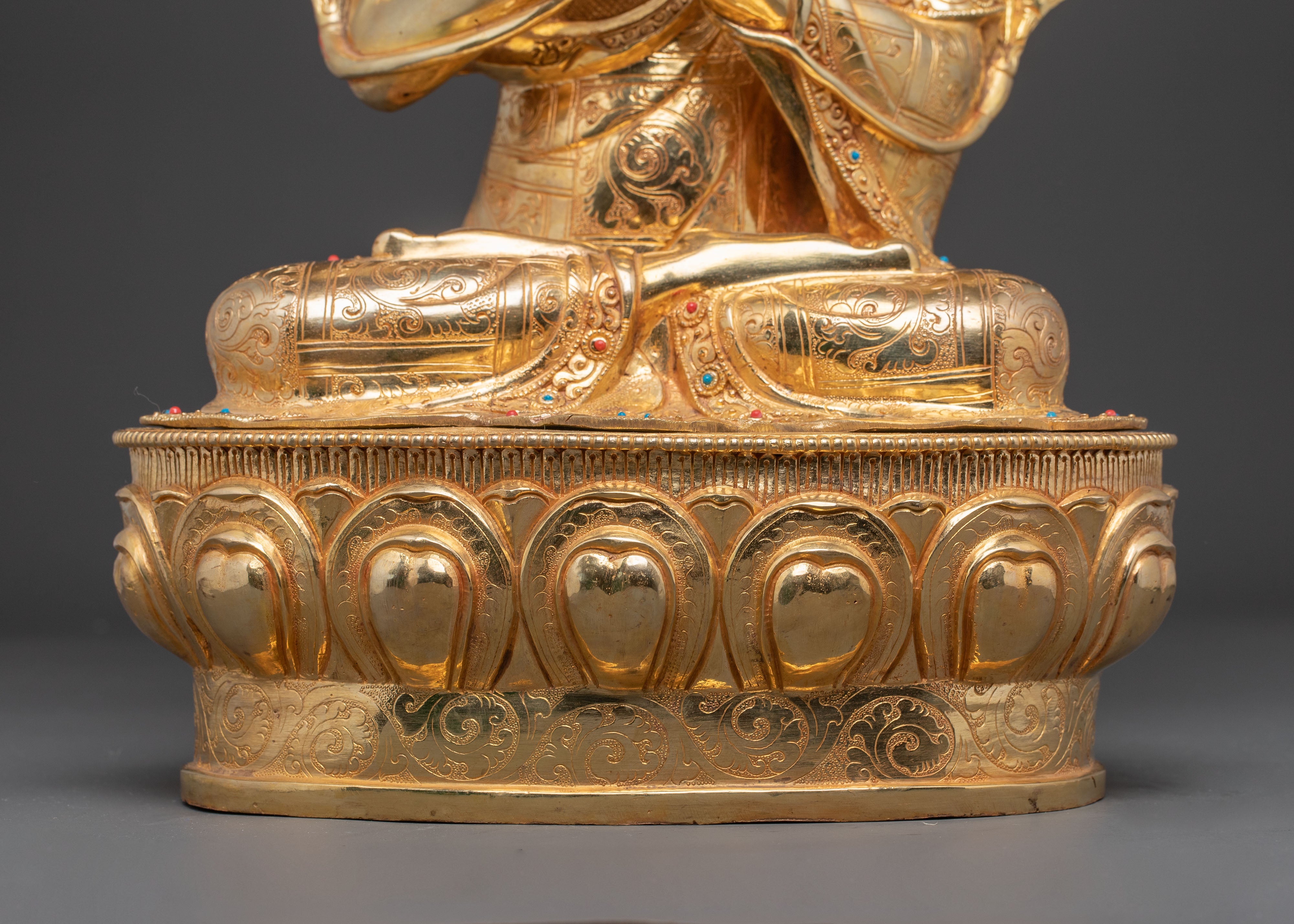
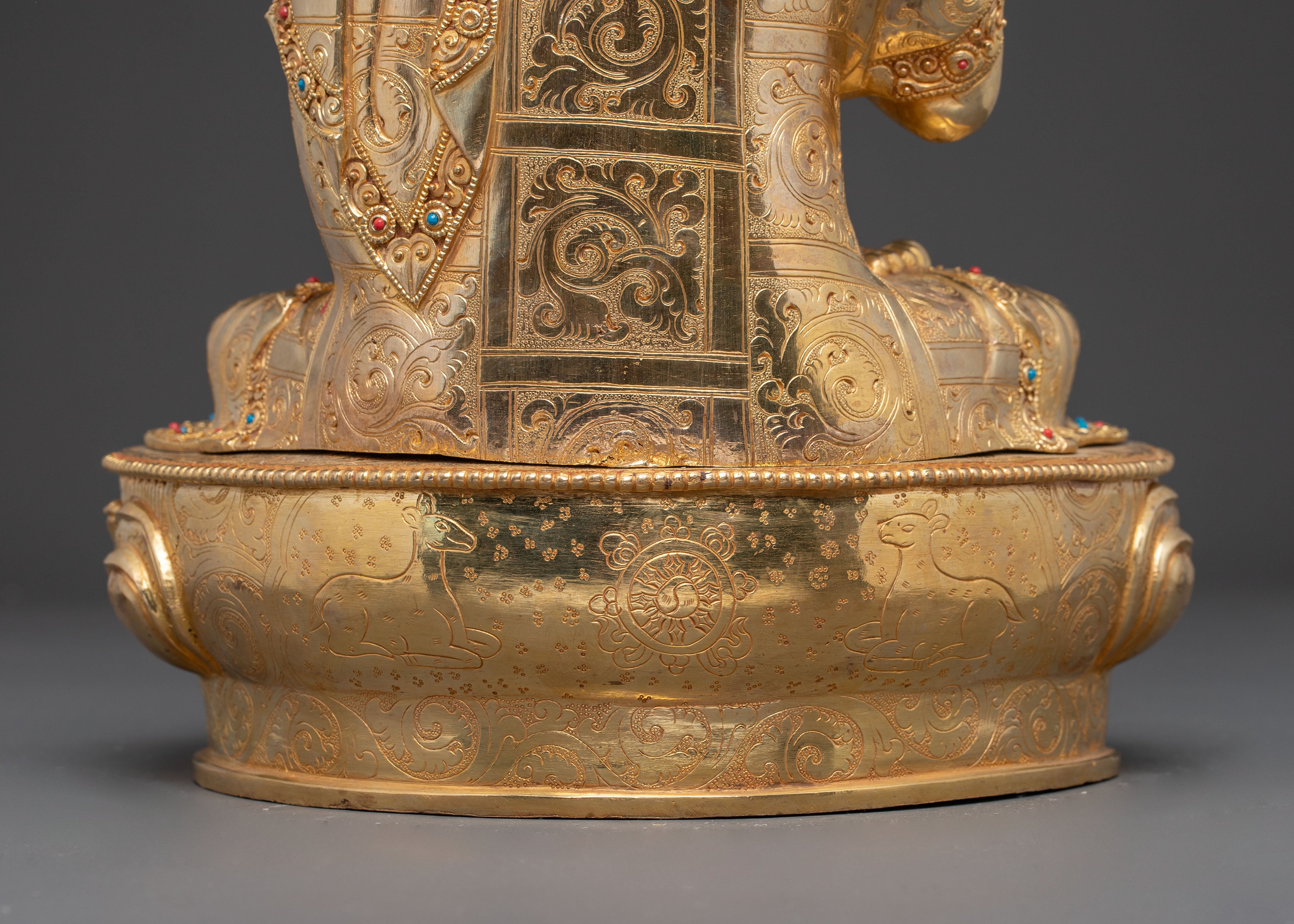
This handmade set of Tsongkhapa, Je Gyaltsab, and Je Khedrup statues features three revered masters, each meticulously crafted with a copper body adorned with 24K gold gilding, gemstones, and acrylic paintings. The Tsongkhapa statue measures 16.7”/42.5cm in height and 11.6”/29.5cm at the base, while the two attendant figures measure 15.7”/39.8cm in height and 10.2”/26cm in base width. Together, the set weighs 16.4 kg. Expertly crafted by skilled Nepali artisans, this collection reflects traditional craftsmanship and adds a refined touch to altars, meditation spaces, or personal spiritual collections.
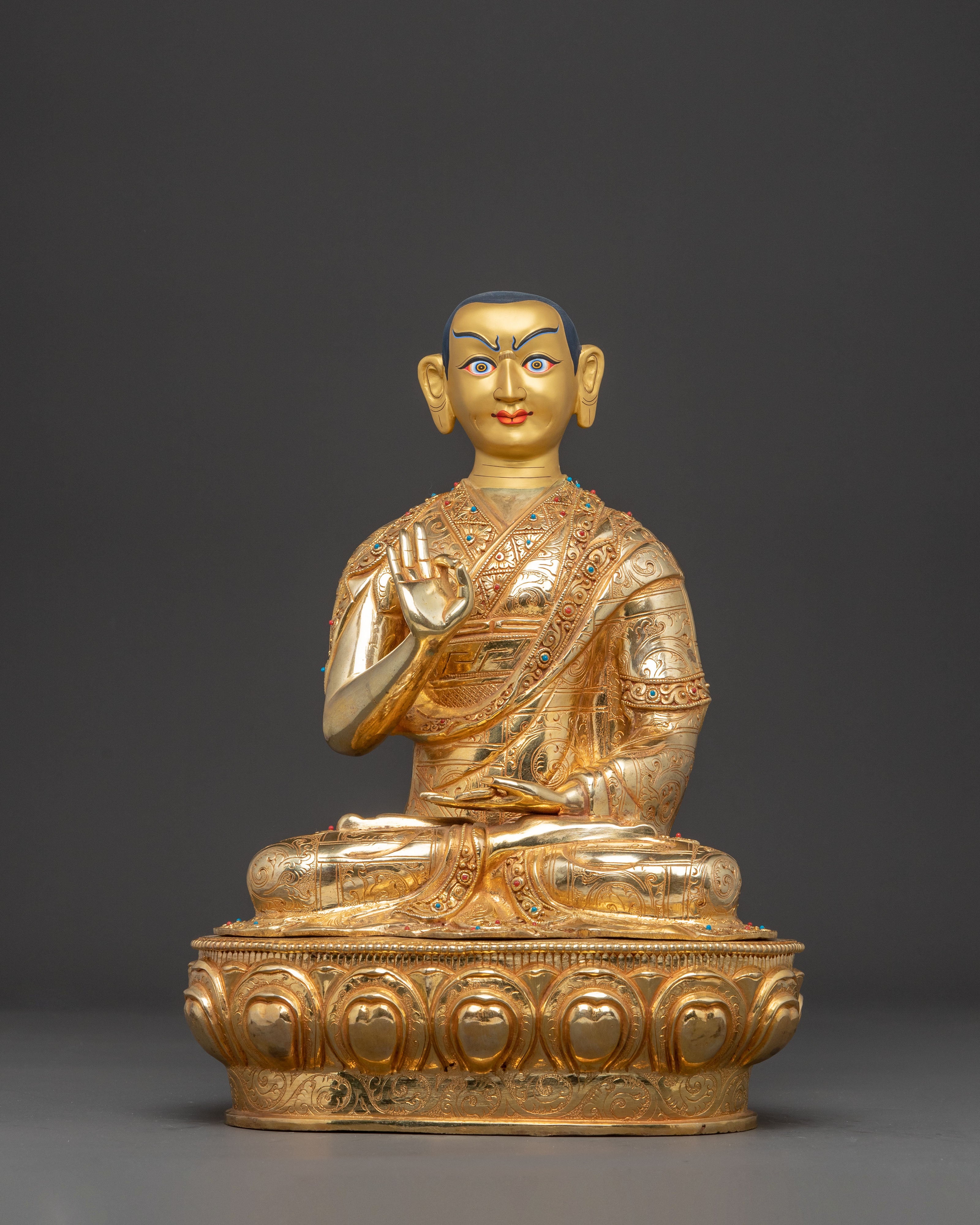
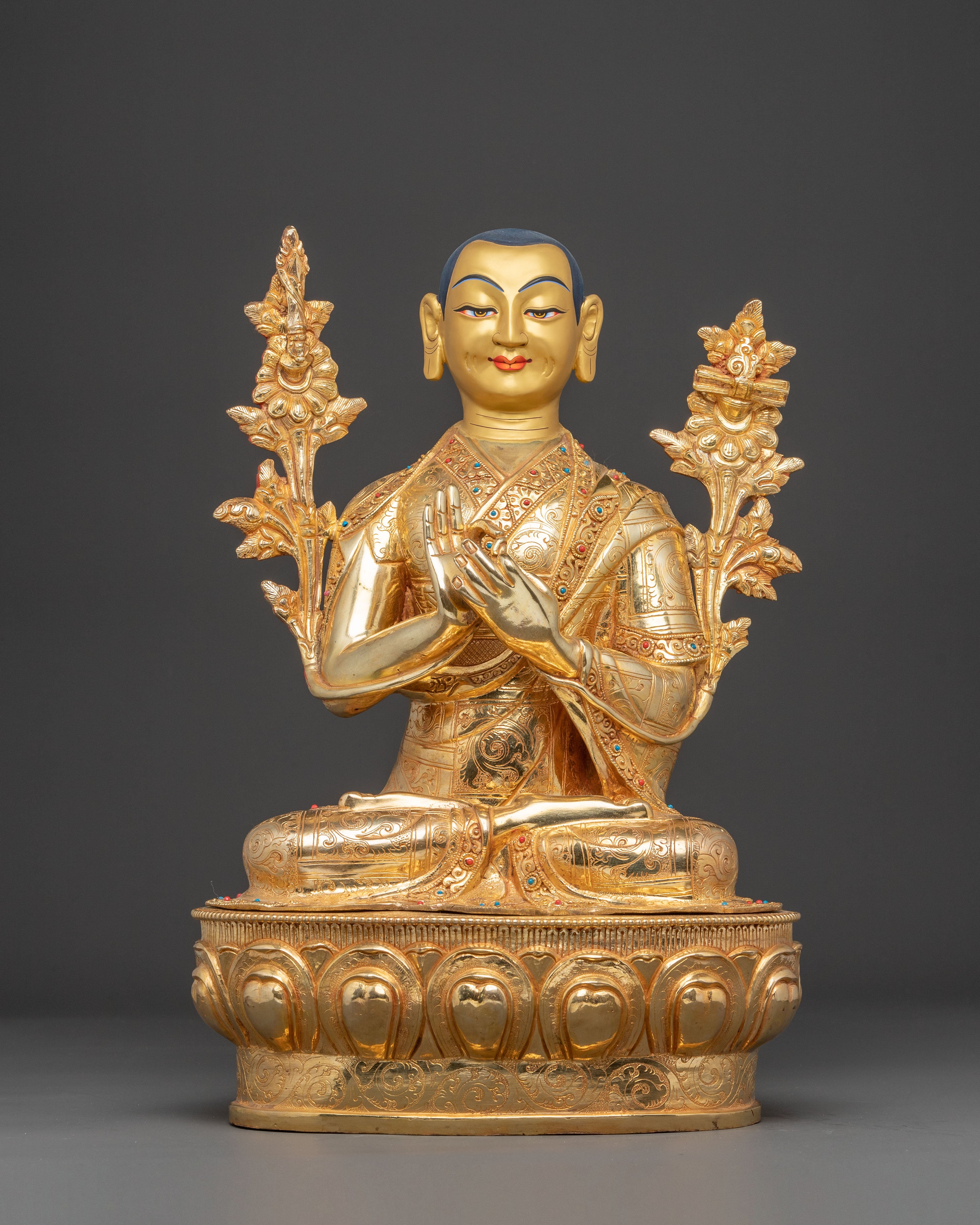
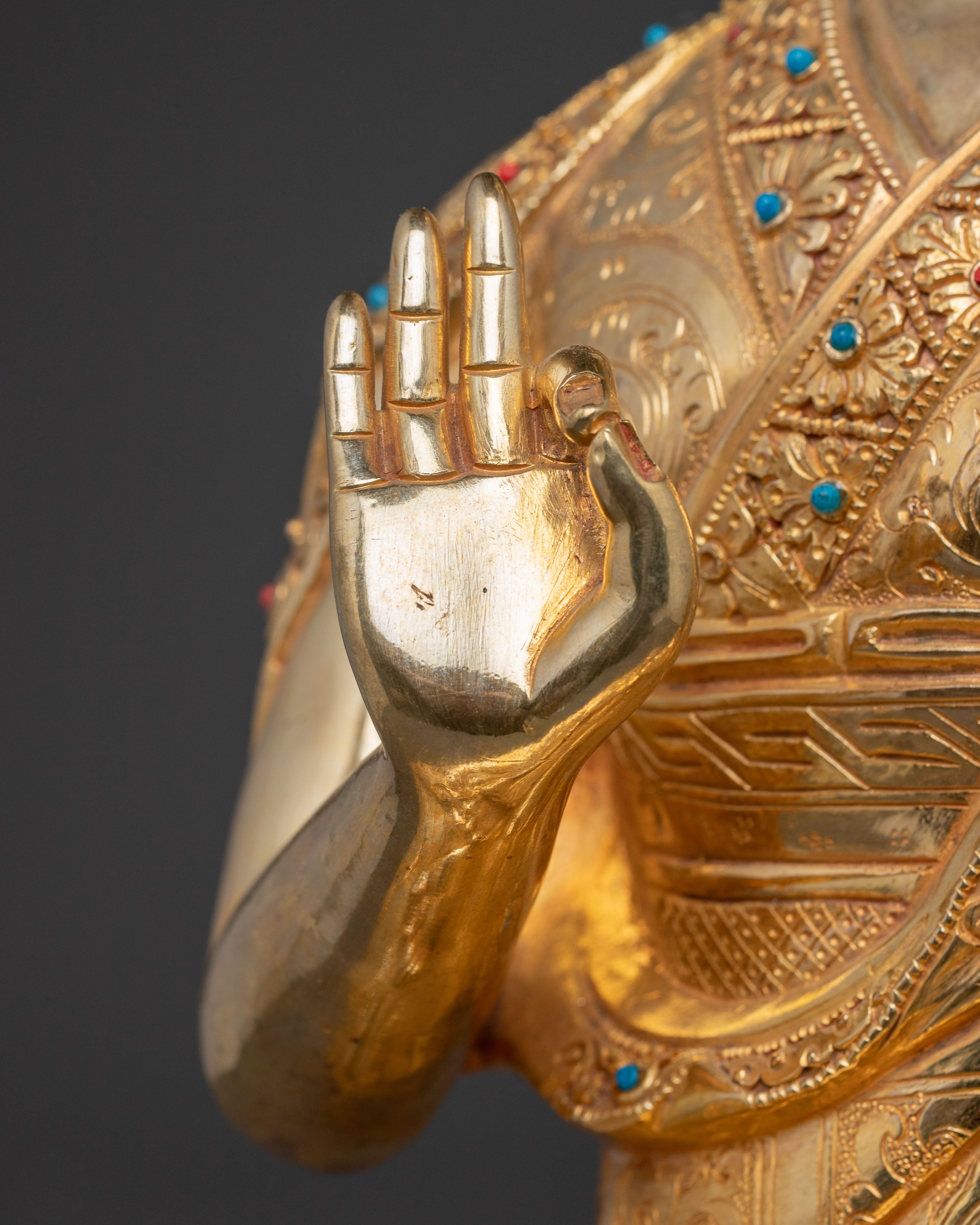
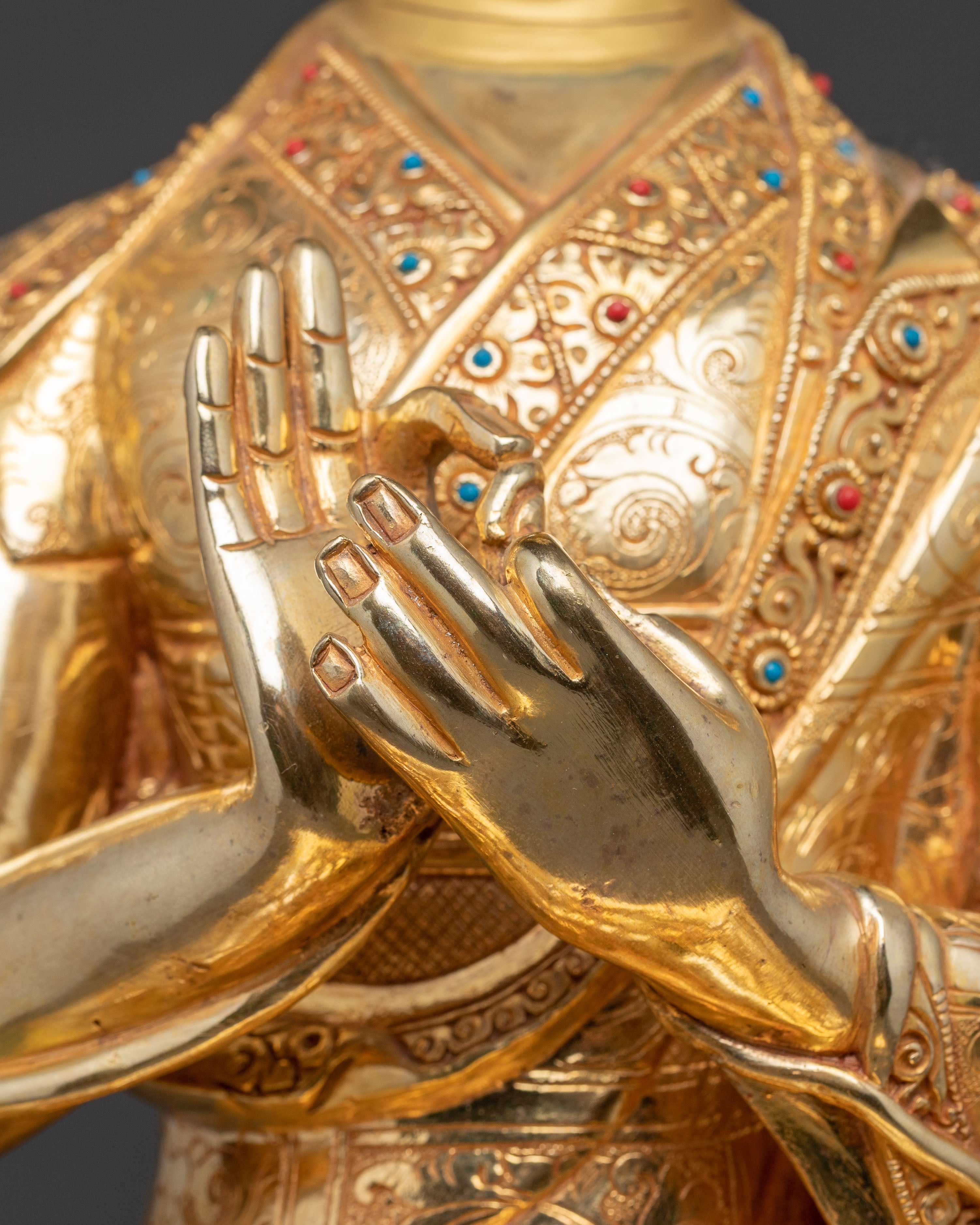
The three principal masters of the Gelug school—Tsongkhapa, Je Gyaltsab, and Je Khedrup—are honored for their profound teachings and dedication to preserving the Dharma. Tsongkhapa, the founder of the Gelug tradition, is shown in deep meditation performing the Dharmachakra Mudra, which represents the turning of the wheel of Dharma. His attendants, Je Gyaltsab and Je Khedrup, are depicted performing the Vitarka Mudra, symbolizing the transmission of knowledge through discussion and debate. This statue set is ideal for any Gelug practitioner, serving as a reminder of the tradition's foundations and the ongoing transmission of enlightened wisdom.
Tsongkhapa Size: 16.7”/42.5cm (Height) x 11.6”/29.5cm (Base)
Je Gyaltsab Size: 13.6”/34.5cm (Height) x 10.4”/26.5cm (Base)
Je Khedrup Size: 13.8”/35cm (Height) x 10.2”/26cm (Base)
Total Weight: 16.4kg
Materials: Copper Body, 24K Gold Gilded, Gemstones, Gold & Acrylic Paintings
Tsongkhapa (1357–1419) was a well-known Tibetan religious philosopher and devoted monk. He worked for decades to find and preserve the Indian Buddhist texts translated into Tibetan. In his famous yellow hat, he is seen meditating, symbolizing his profound understanding and dedication to the Dharma. Generations of Tibetan Buddhists have benefited from his teachings, which continue to be passed down via the Gelug school, which was dominant in Tibet until the Chinese takeover in 1951, and whose de facto leader is the Dalai Lama.
Among Tsongkhapa's most renowned pupils were Gyaltsab Je and Khedrup Je, who both played essential roles in the founding and development of the Gelug school. Both rose to become the abbots of Gaden Monastery, one of the two chief monastic institutions of the Gelug tradition, and were instrumental in the compilation and publication of the Gelug canonical literature. Their teachings and commentaries on Tsongkhapa's writings have continued to have a big impact on the Gelug tradition and Tibetan Buddhism as a whole.