




Description
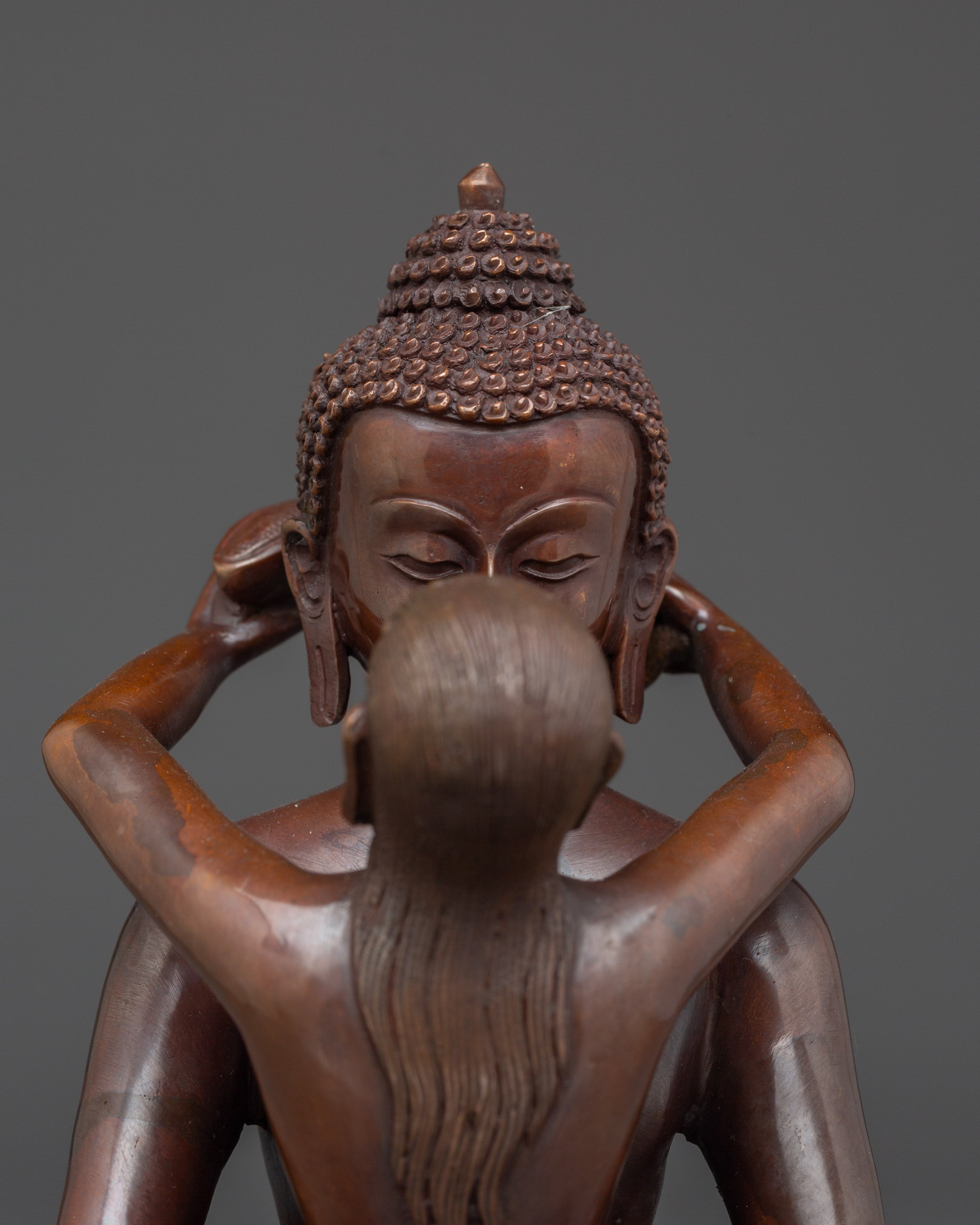
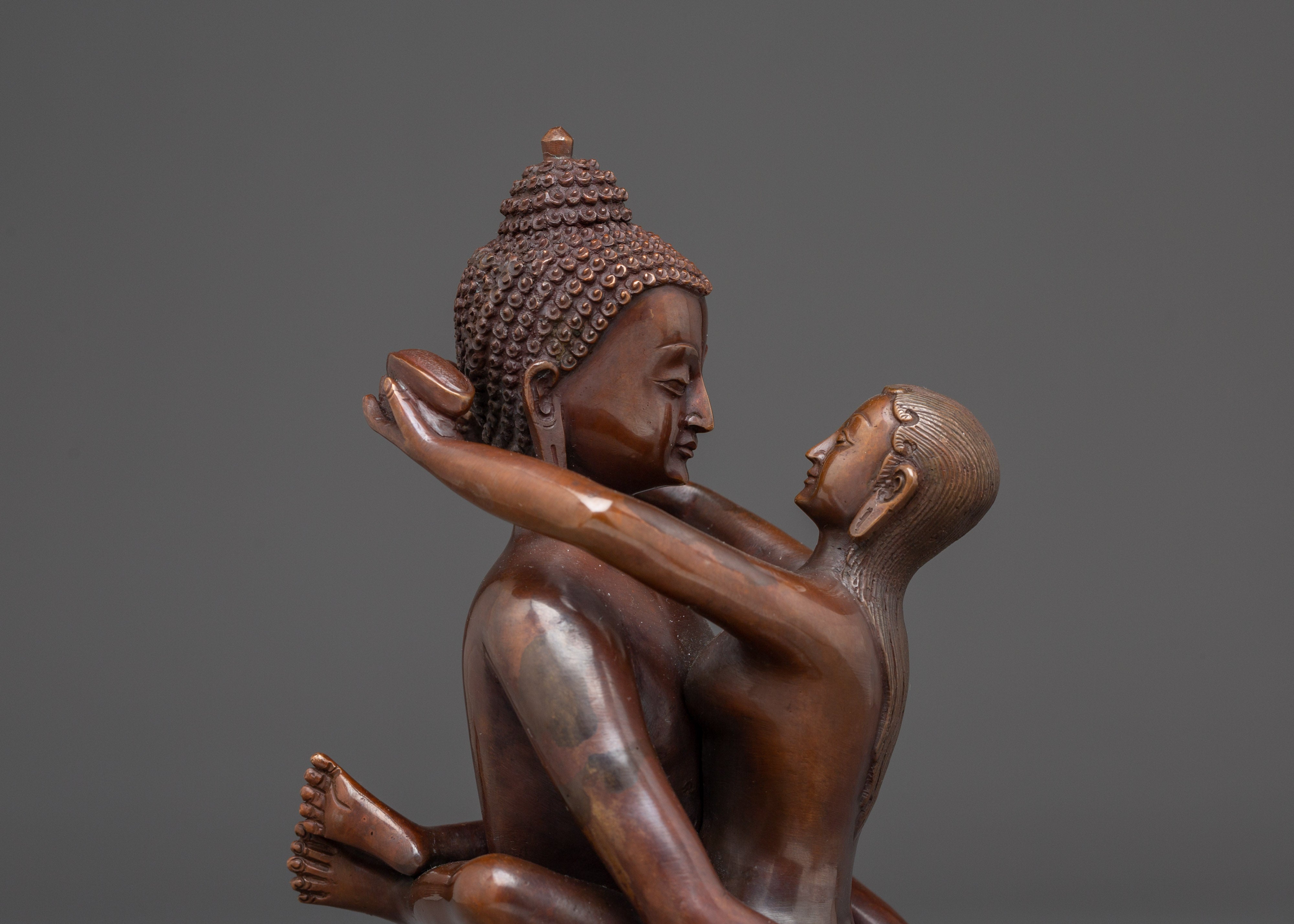
The Samantha Bhadra Statue, Enlightened Union With Consort | Spiritual Wisdom
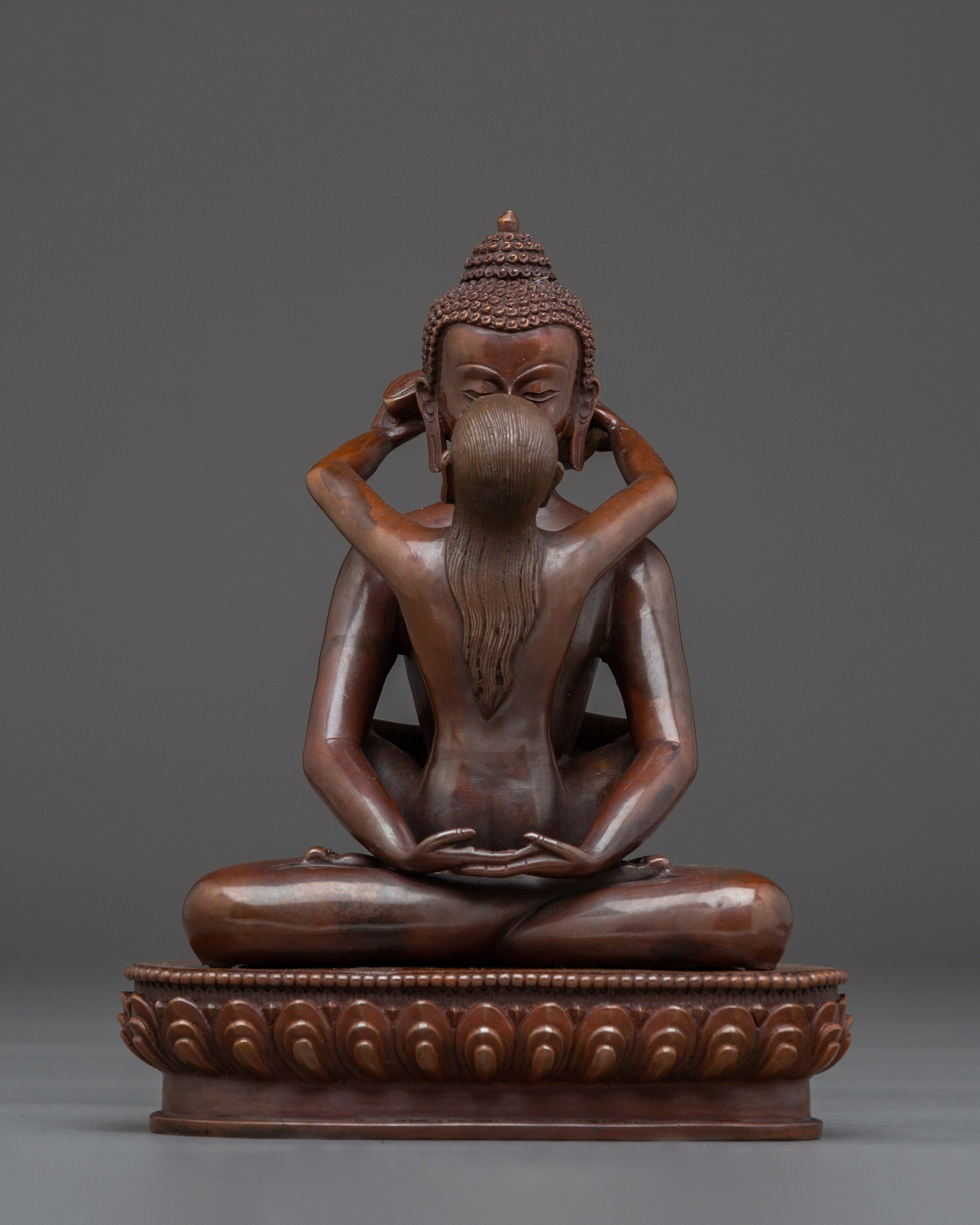
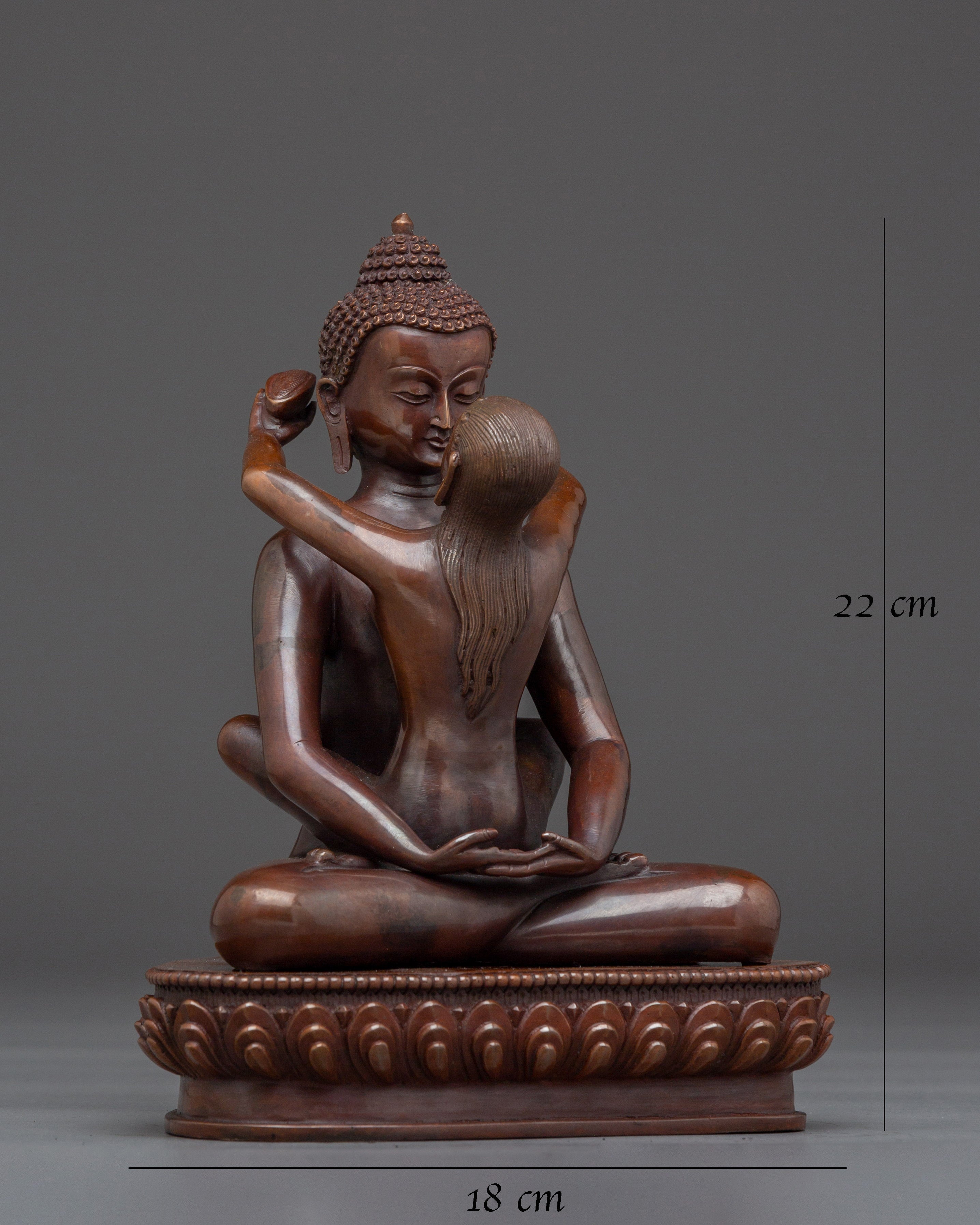
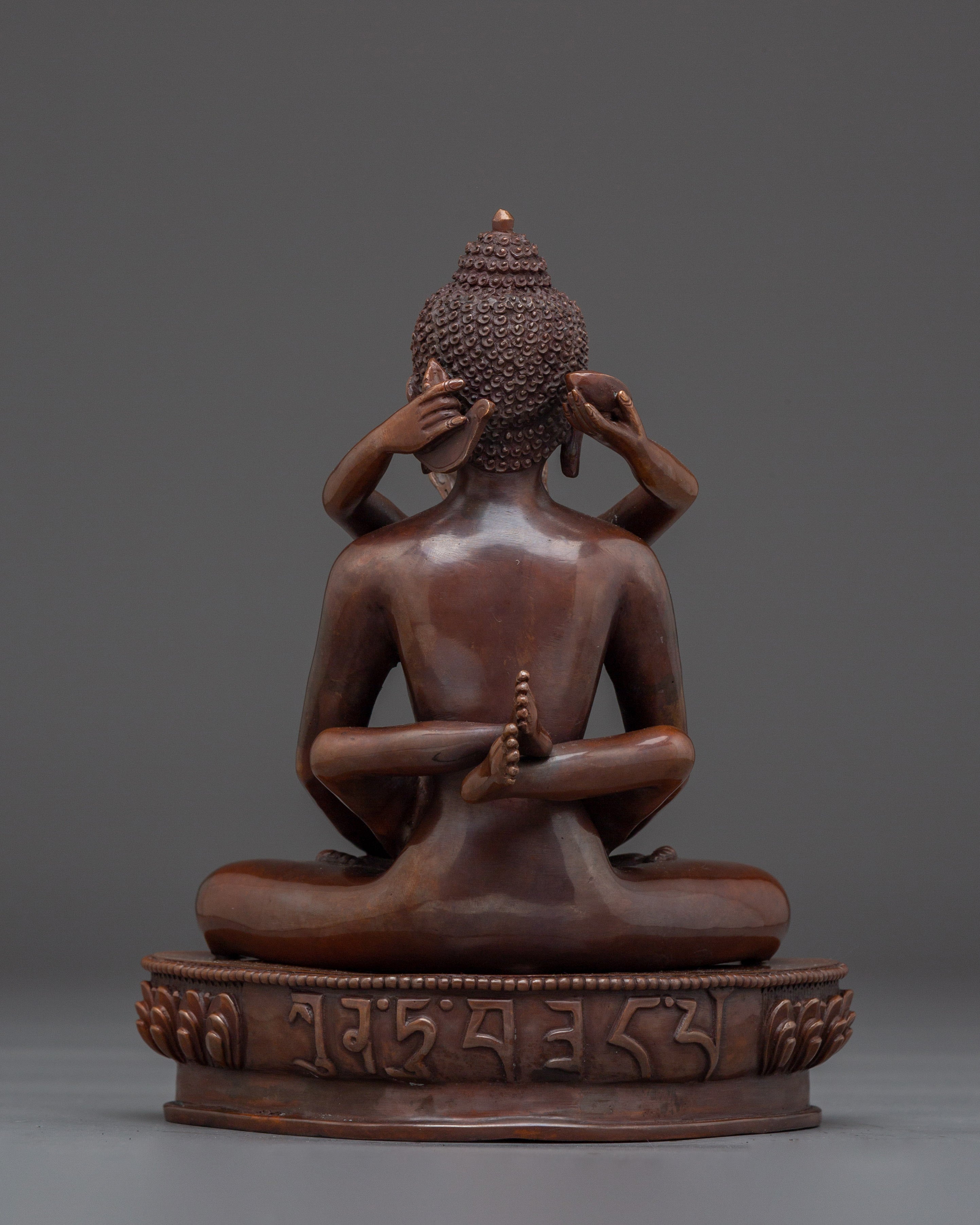
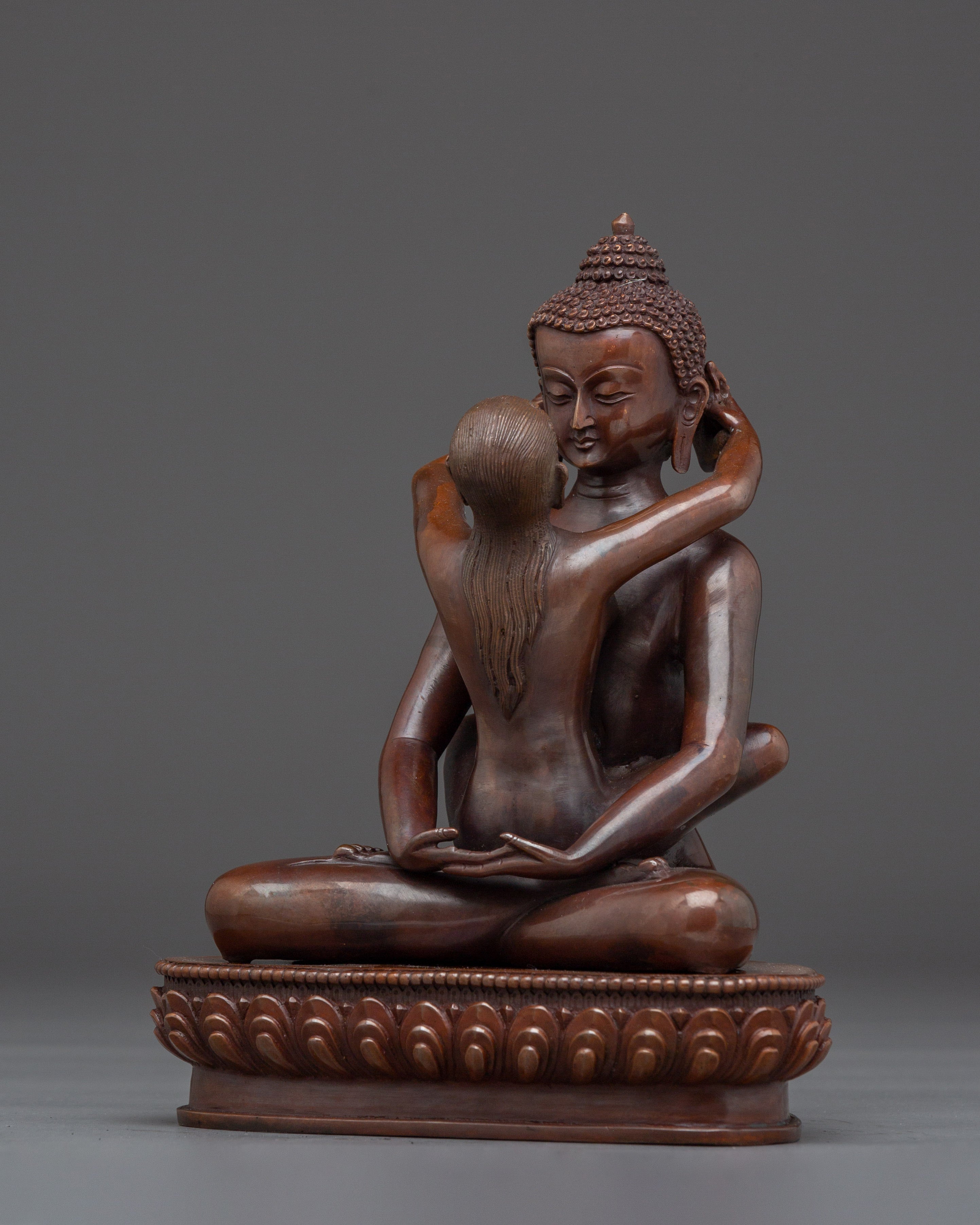
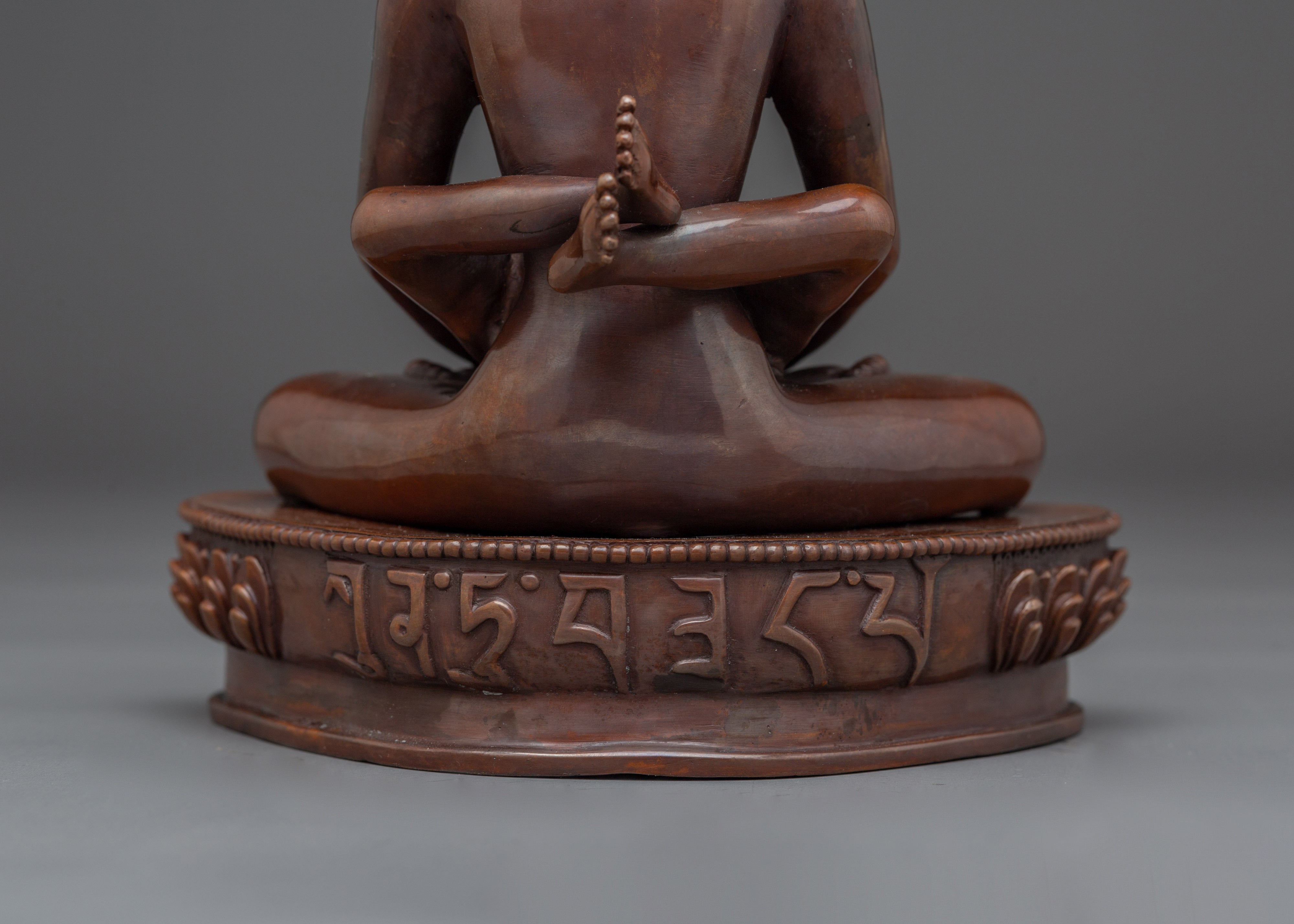
The Samantha Bhadra Statue, Enlightened Union With Consort, stands 22 cm tall with an 18 cm base and weighs 1.36 kilograms. Made from oxidized copper, it features a rich antique finish that highlights the detailed craftsmanship and traditional Himalayan artistry. Its understated elegance makes it perfect for personal altars, meditation spaces, or as a unique spiritual gift.
This statue depicts a profound representation of the union of skillful means (upaya) and wisdom (prajna). Samantabhadra represents compassionate action, while Samantabhadri represents the essence of wisdom. Together, they depict the way to ultimate truth and liberation. Their serene expressions demonstrate enlightenment, free of the dualities of existence, while the lotus base on which they sit represents purity and transcendence. This religious sculpture is ideal for personal altars, meditation spaces, or spiritual collections, establishing a profound sense of peace and enlightenment in any environment.
Size: 8.7”/22cm (Height) x 7.1”/18cm (Base)
Weight: 1.36 kg
Material: Oxidized Copper Body
In Mahayana Buddhism, Samantabhadra is a bodhisattva (buddha-to-be) representing benevolence or happiness. He is frequently depicted in a triad with Shakyamuni (the Buddha) and the bodhisattva Manjushri, either on a three-headed elephant or a single-headed elephant with six tusks. In China, he is the patron deity of Mount Emei, located in the province of Sichuan. He is regarded as the manifestation of Vairocana, the cosmic Buddha, in Vajrayana, or Tantric Buddhism. In Chinese, he is known as Puxian, while in Japanese, he is known as Fugen.