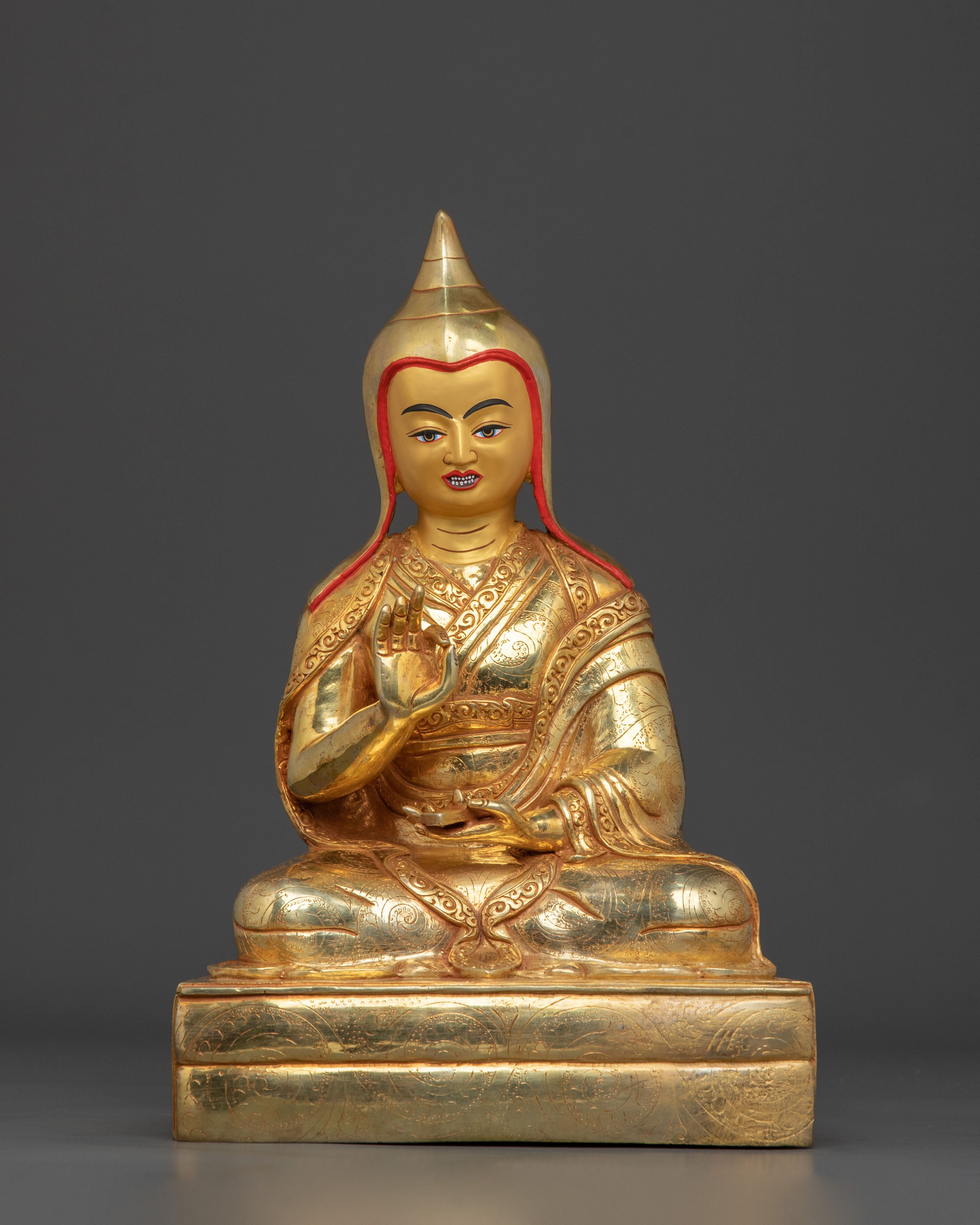
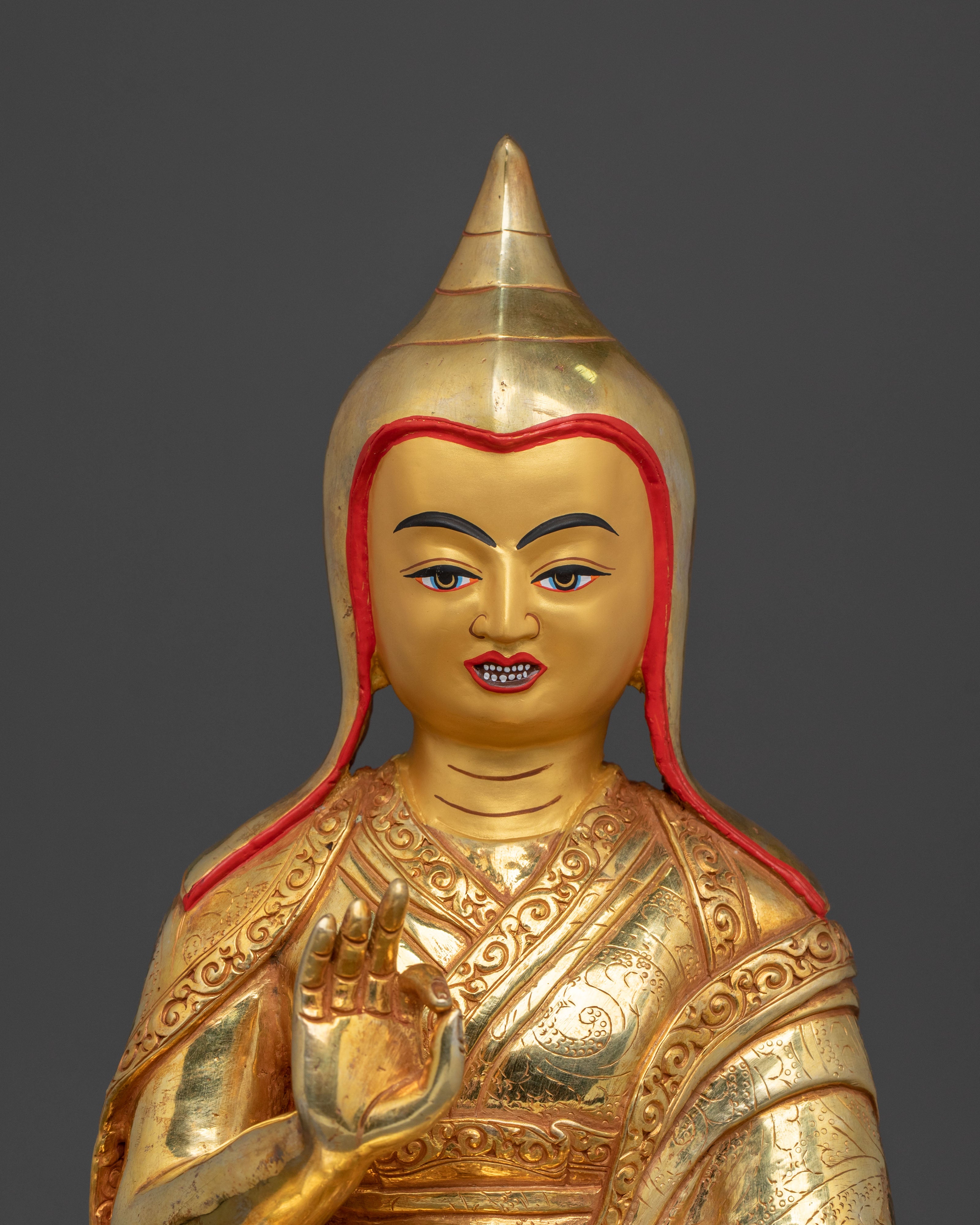
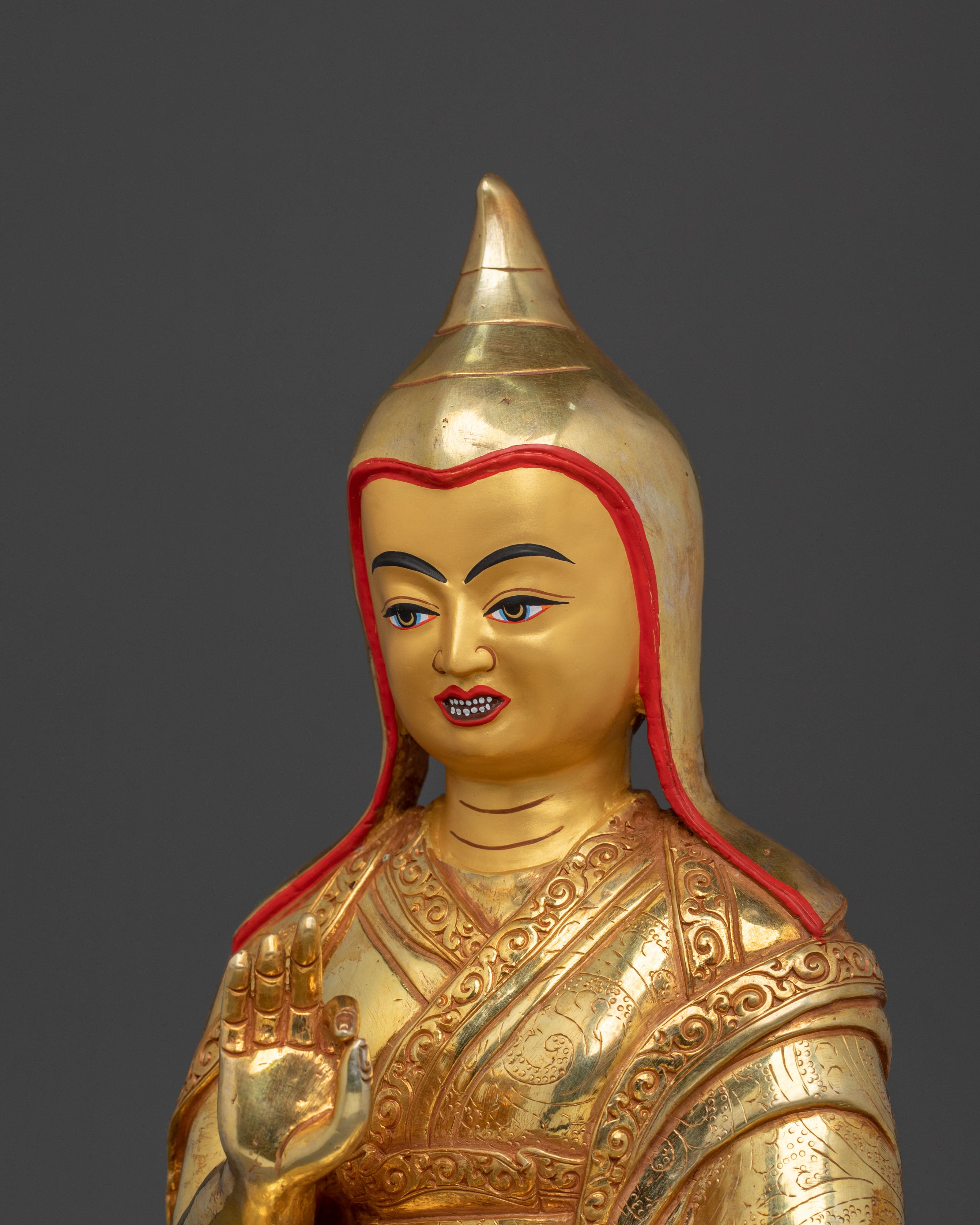
Reverent Santarakshita Statue for Spiritual Serenity
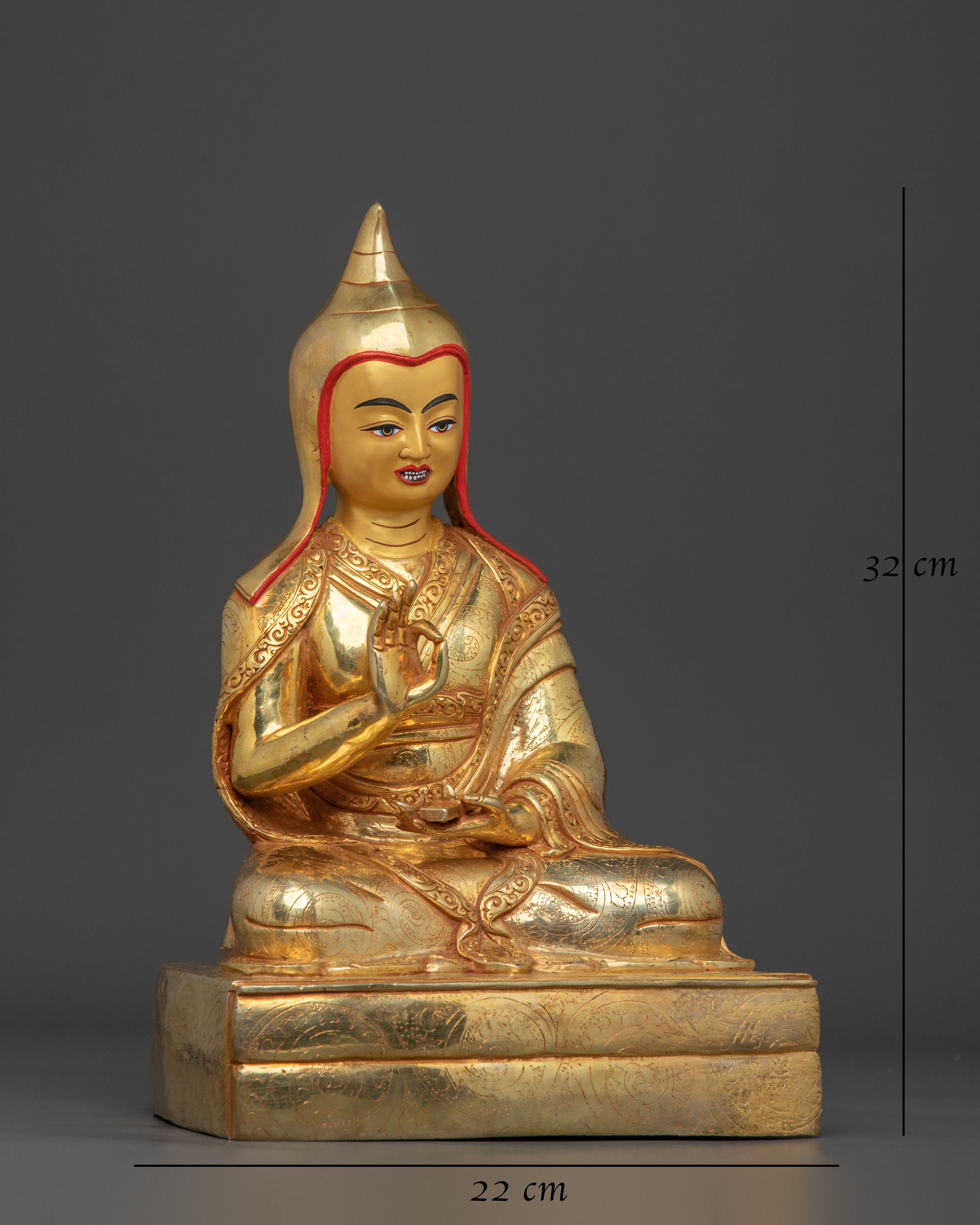
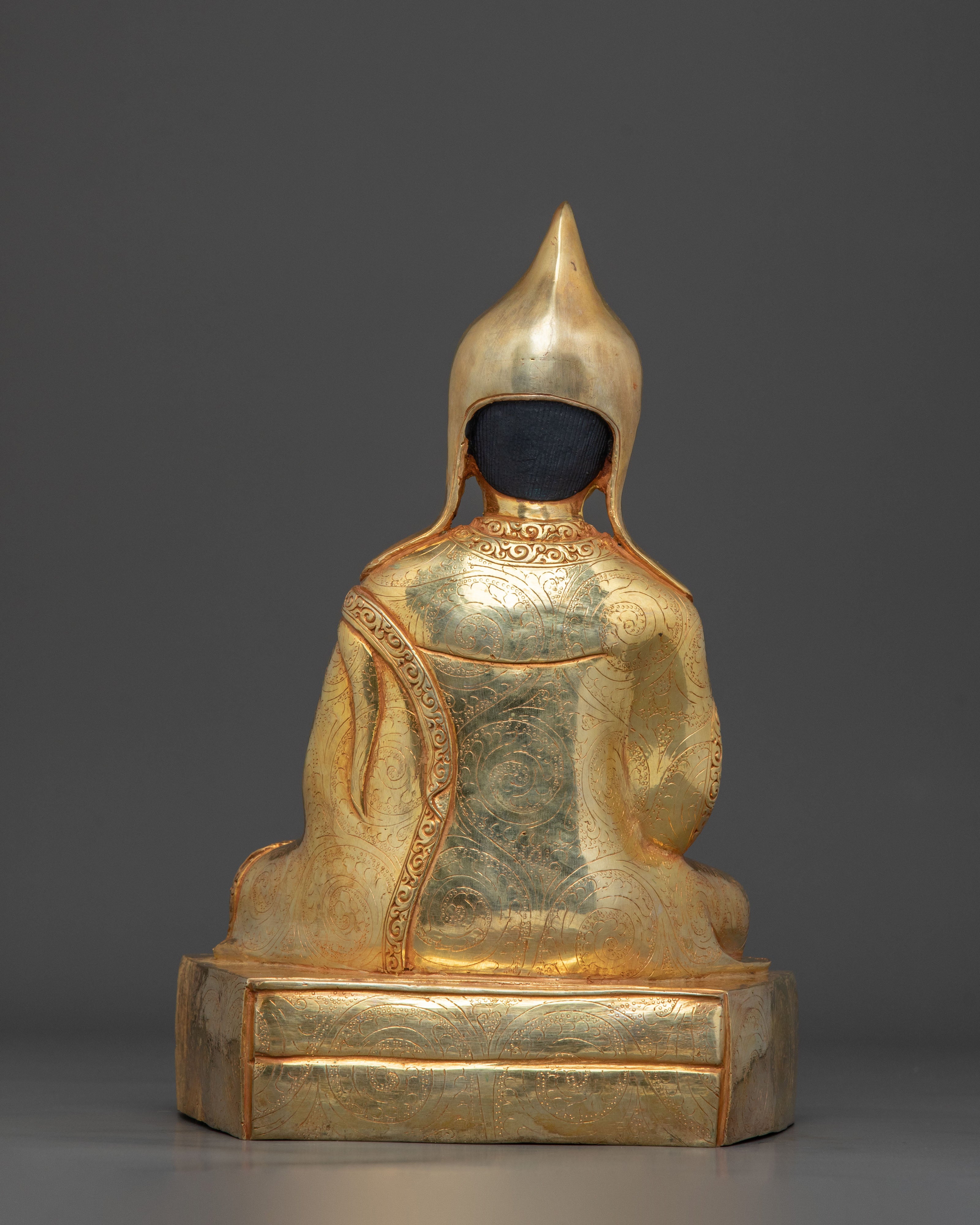
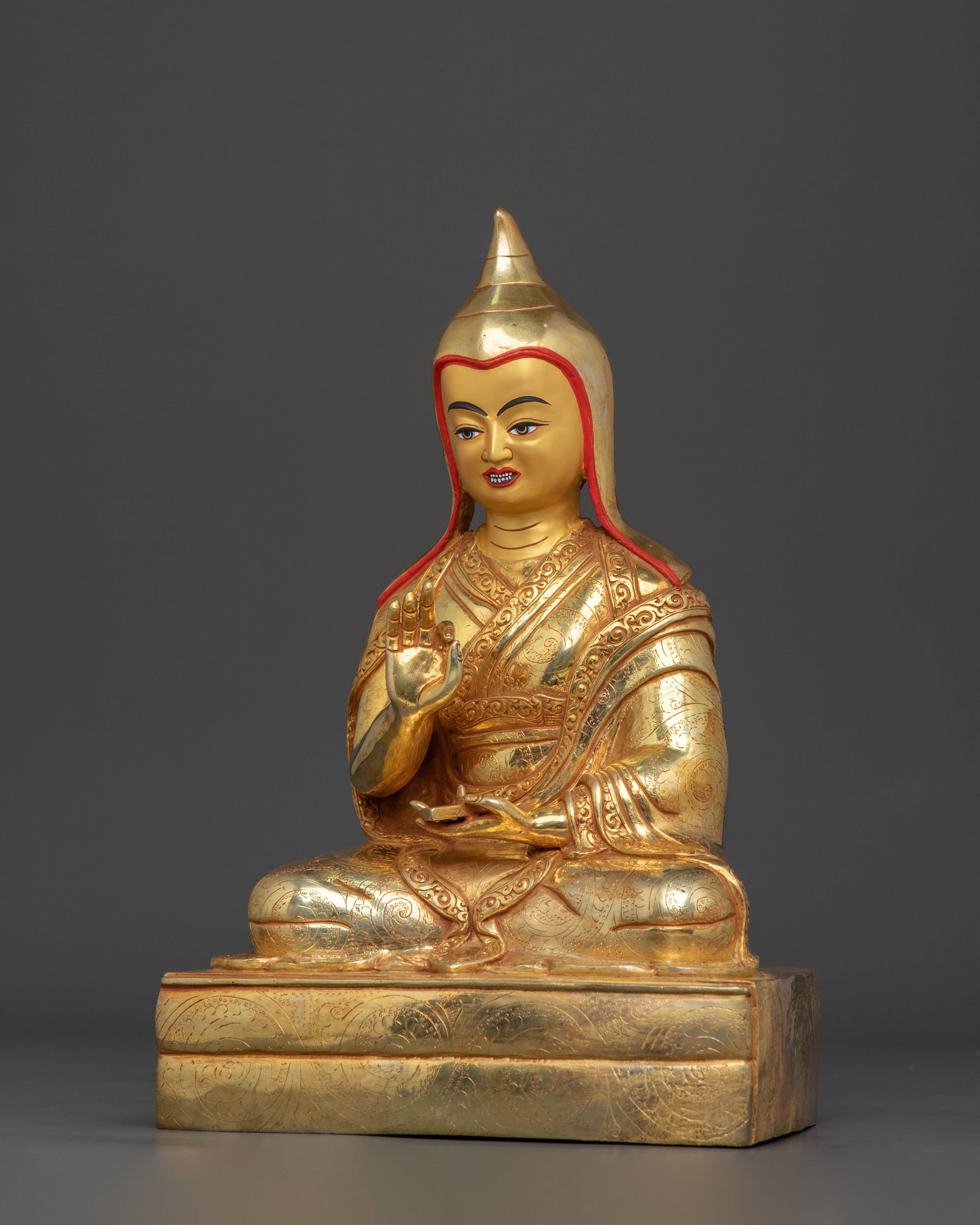
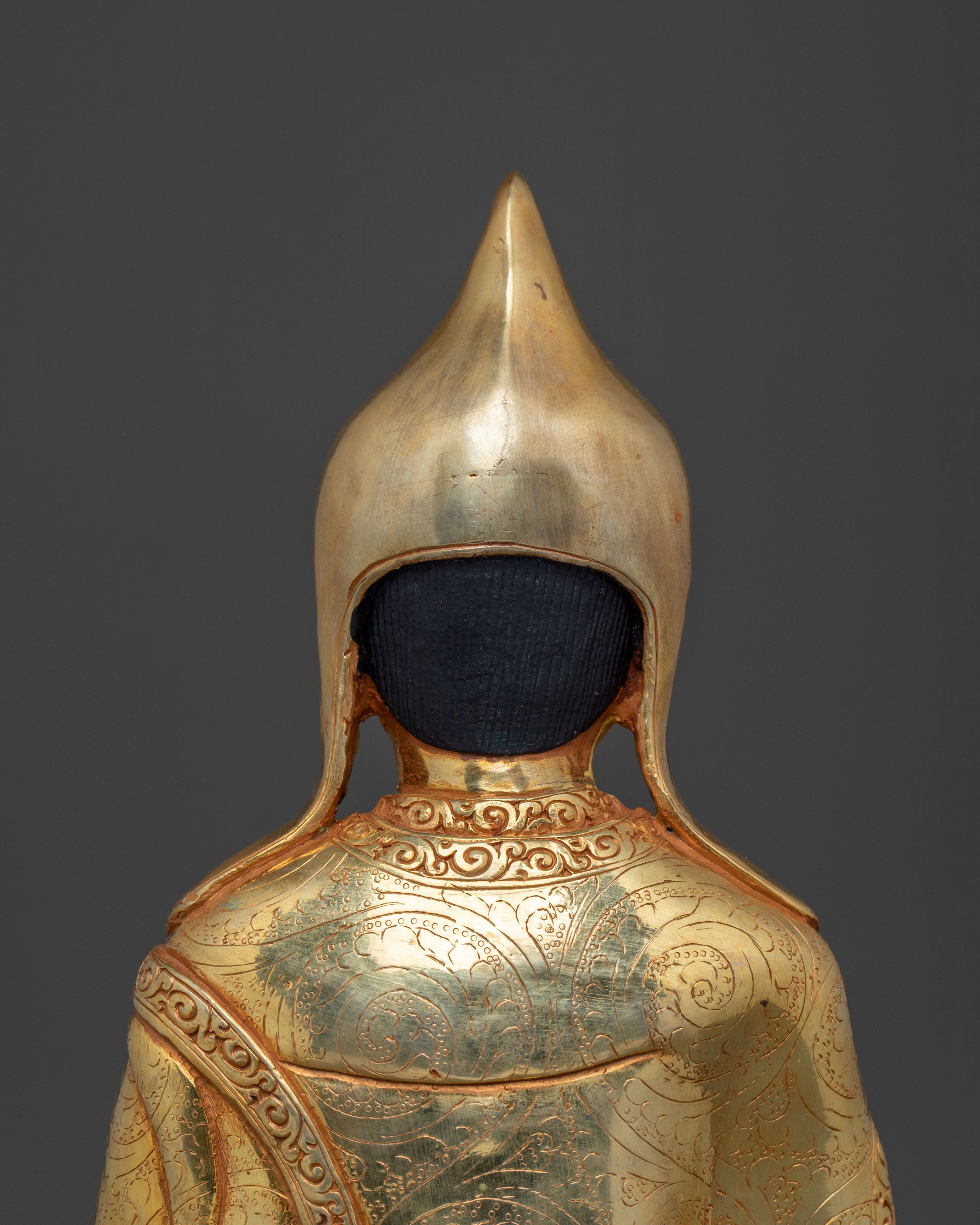
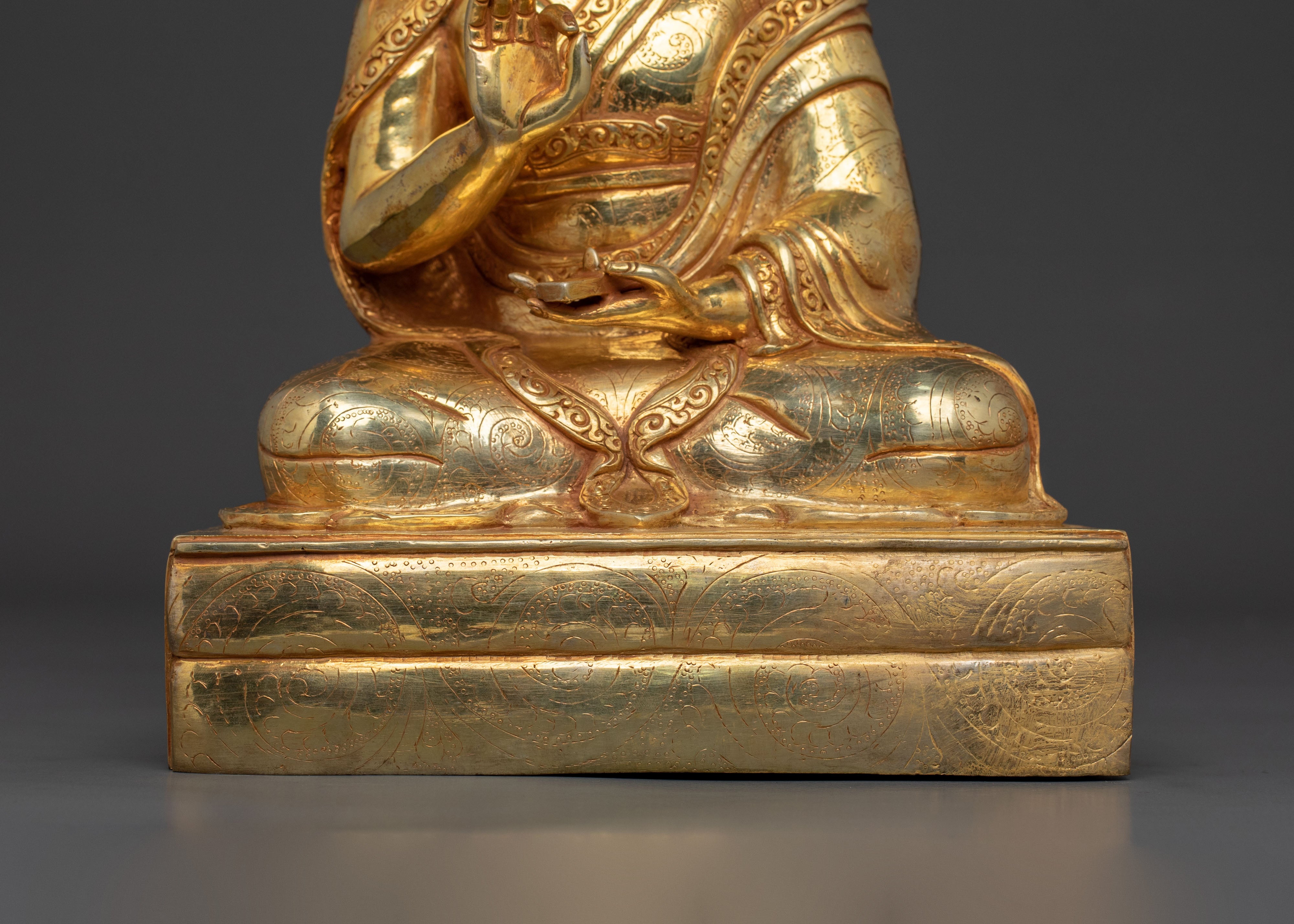
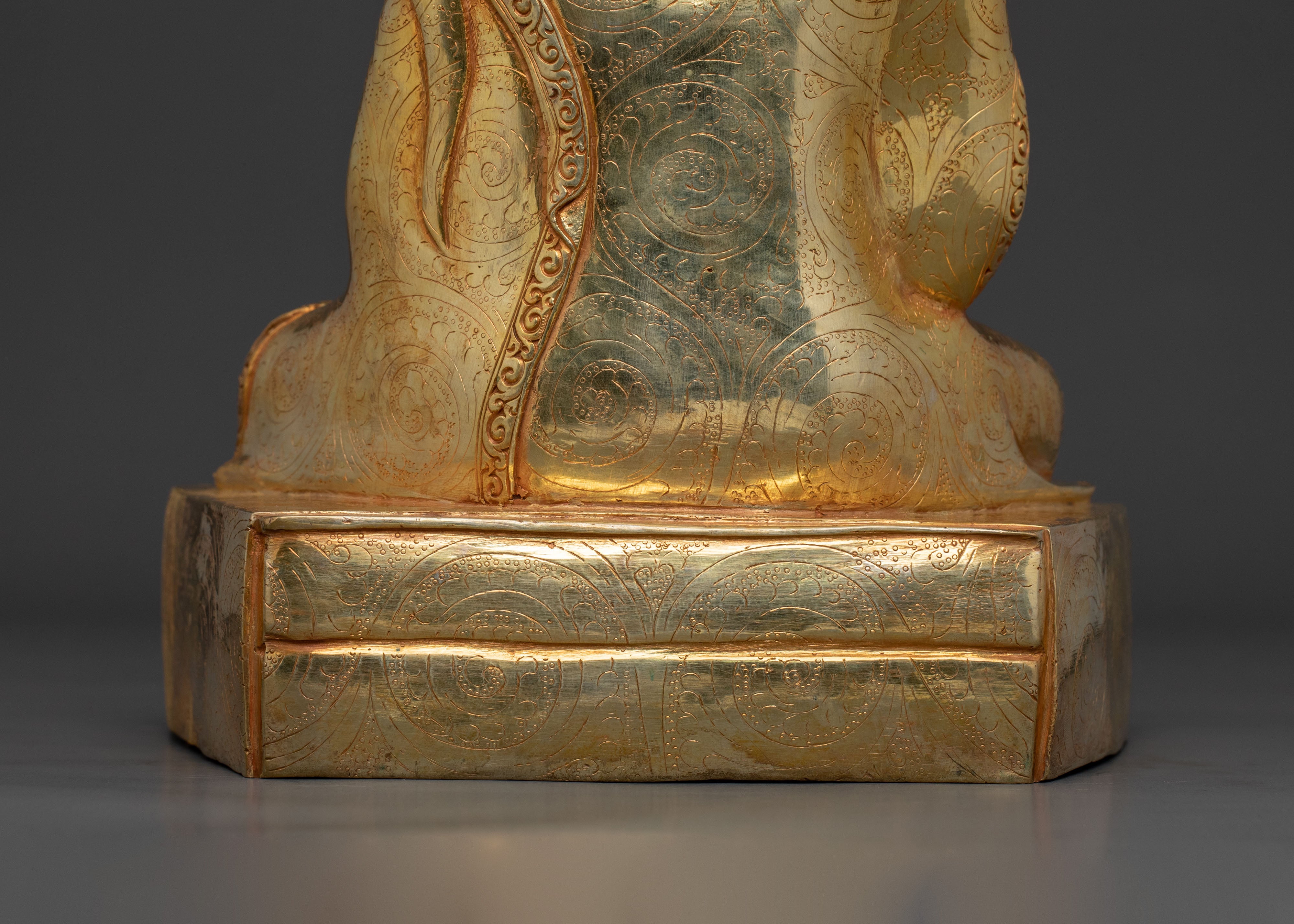
This exquisite Shantarakshita Statue is meticulously handcrafted by skilled Nepali artisans, preserving the rich traditions of Himalayan Buddhist craftsmanship. Standing 12.6 inches (32 cm) in height with an 8.7-inch (22 cm) base and weighing 3.51 kg, this elegant sculpture is expertly crafted from a copper body and beautifully finished with radiant 24K gold gilding and vibrant acrylic painting. Its refined proportions, intricate detailing, and luminous finish make it an exceptional centerpiece for Buddhist altars, meditation spaces, temples, or treasured spiritual collections.
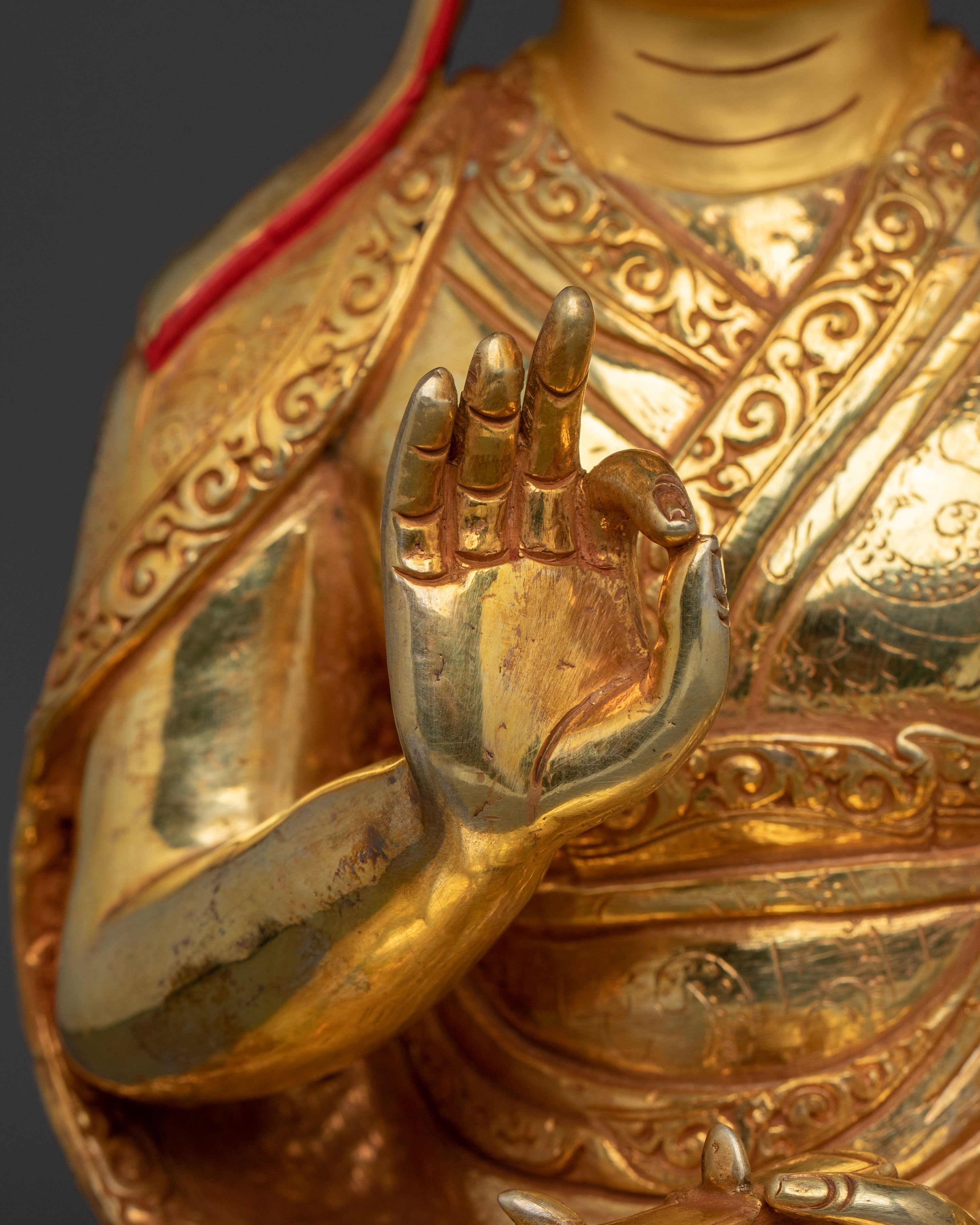
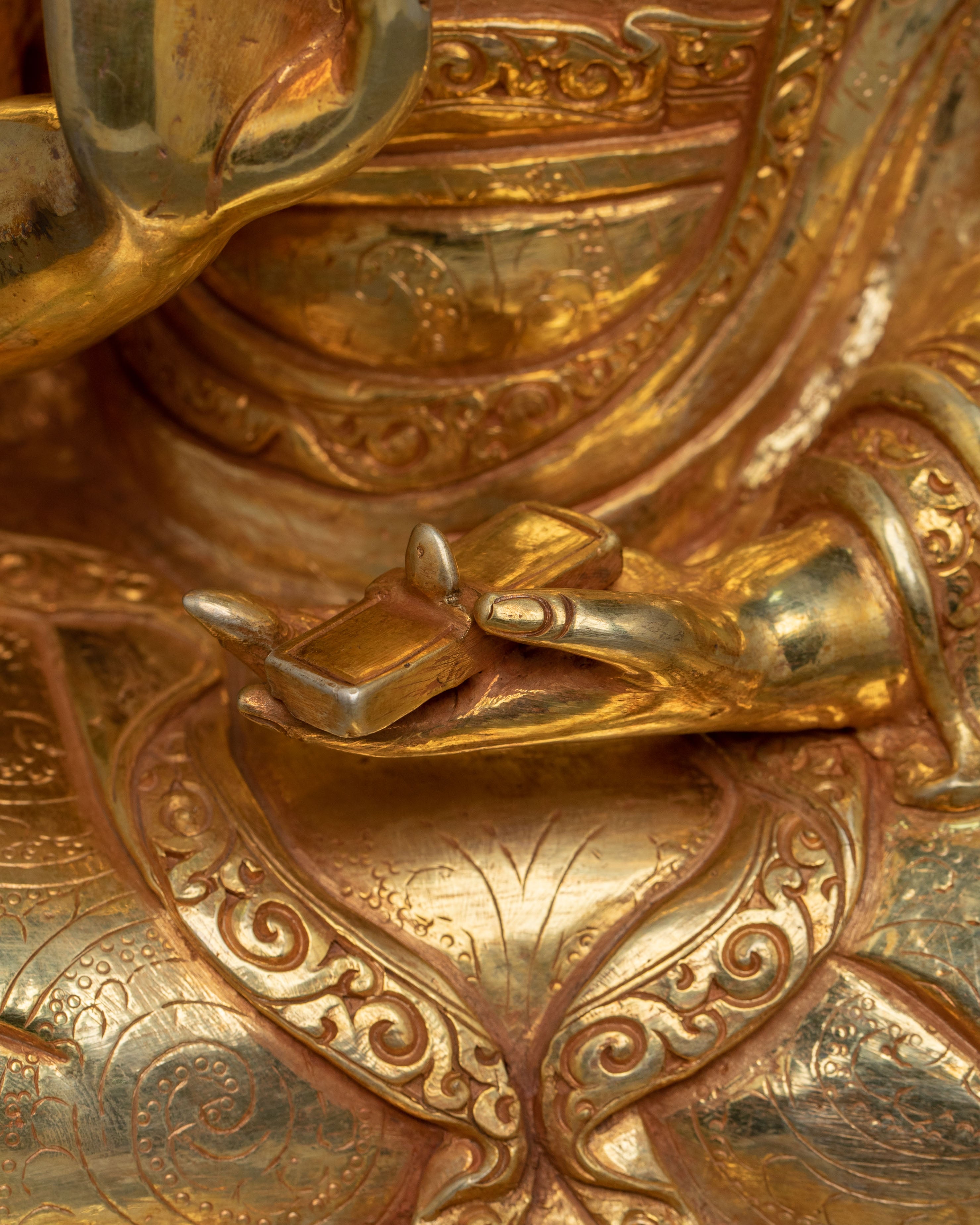
Santarakshita is depicted with his right hand in vitarkamudrā, the gesture of teaching and intellectual discussion, symbolizing his role as a master scholar. In his left hand, he holds a scripture, representing his transmission of monastic discipline and Madhyamaka philosophy. This iconography honors him as the great Indian abbot who laid the philosophical and monastic foundations of Buddhism in Tibet.
Size: 12.6”/32cm (Height) x 8.7”/22cm (Base)
Weight: 3.51 kg
Material: 24K Gold Gilded , Acrylic Painting , Copper Body
Santarakshita (8th century CE) was an Indian Buddhist philosopher and abbot of Nalanda Monastery. Invited to Tibet by King Trisong Detsen, he played a pivotal role in establishing Buddhism there, ordaining the first Tibetan monks and founding Samye Monastery. He emphasized the integration of Madhyamaka philosophy with Yogacara epistemology, laying foundational principles for Tibetan Buddhism.