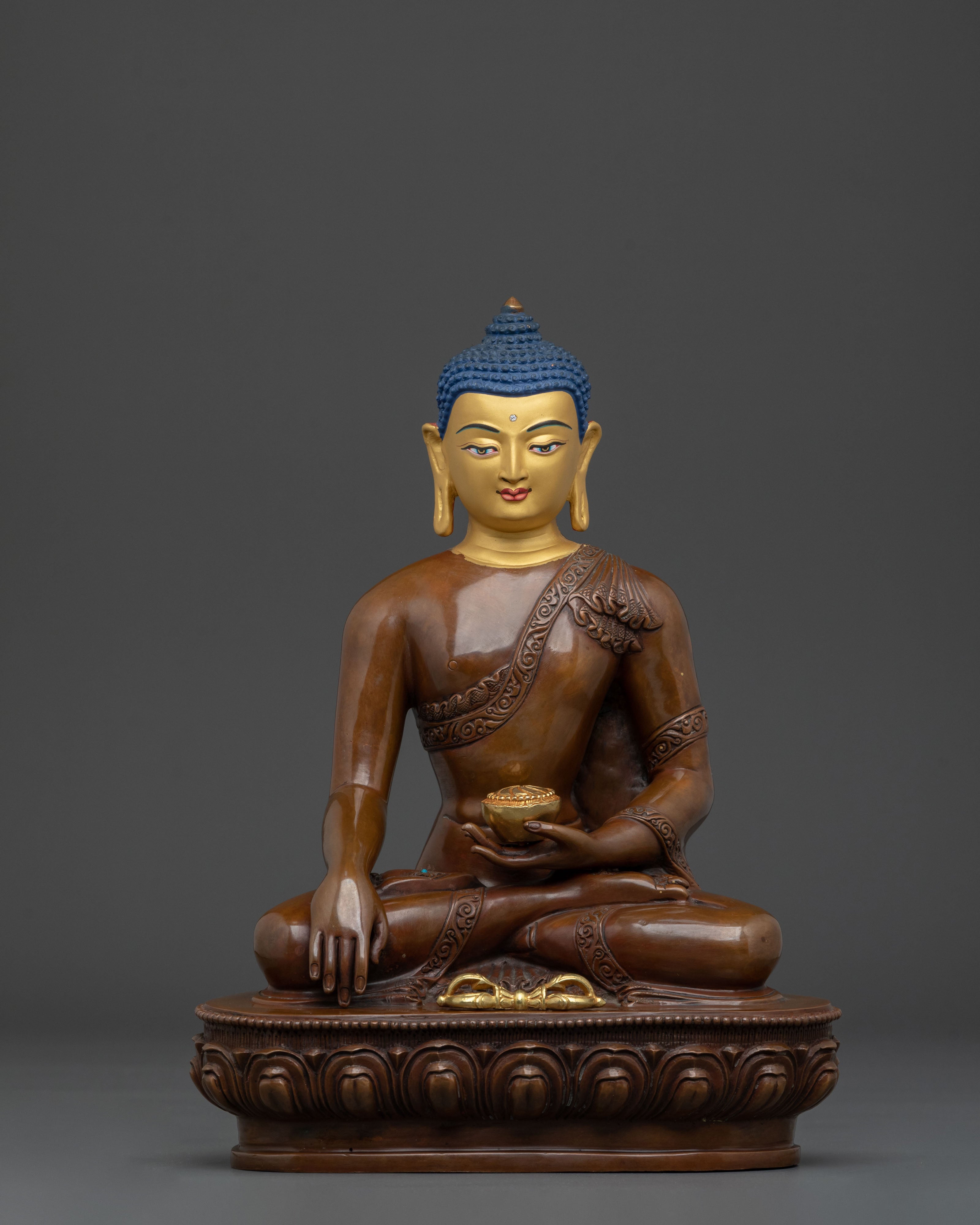
Siddhartha Gautama Figurine | Embodiment of Profound Peace
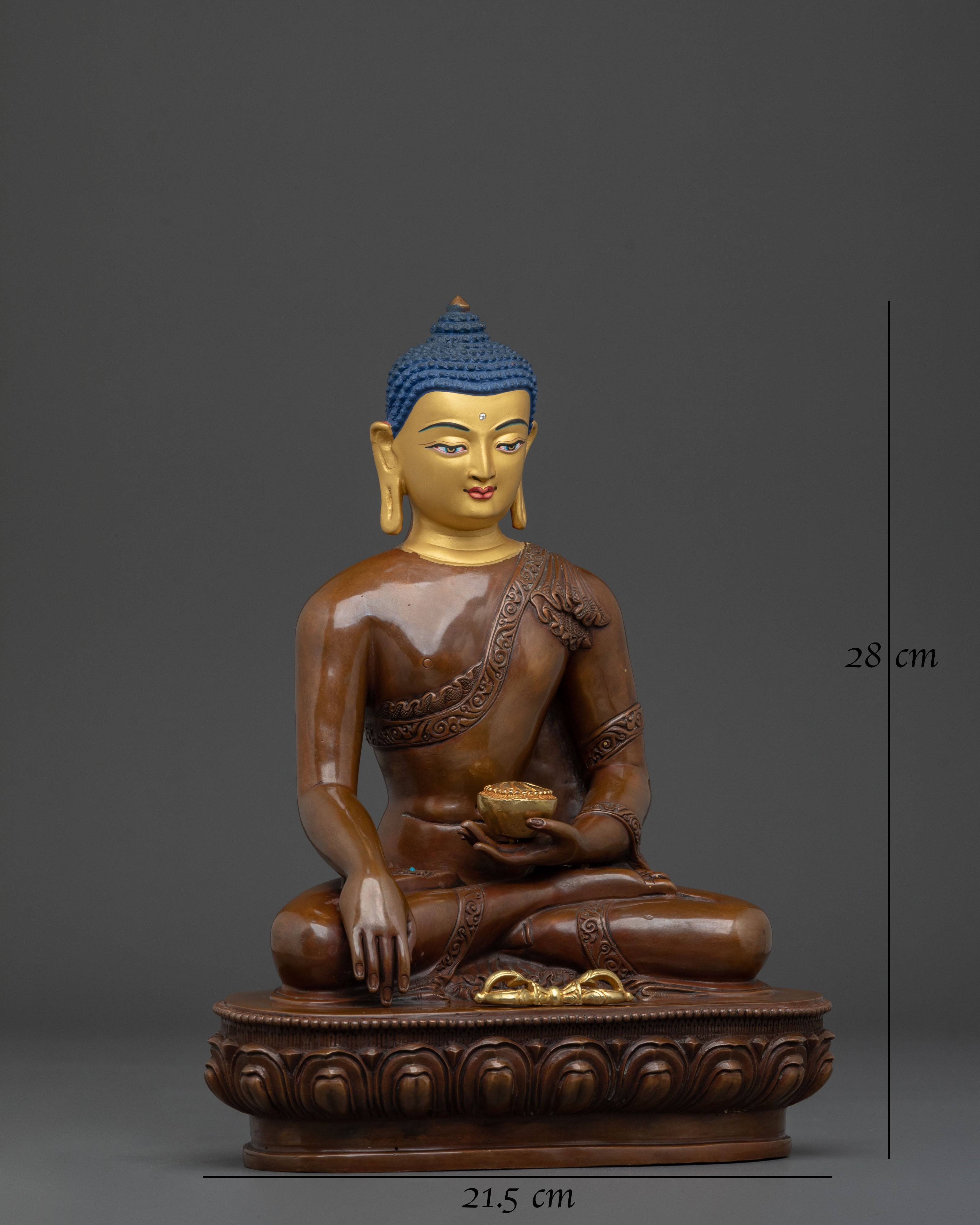
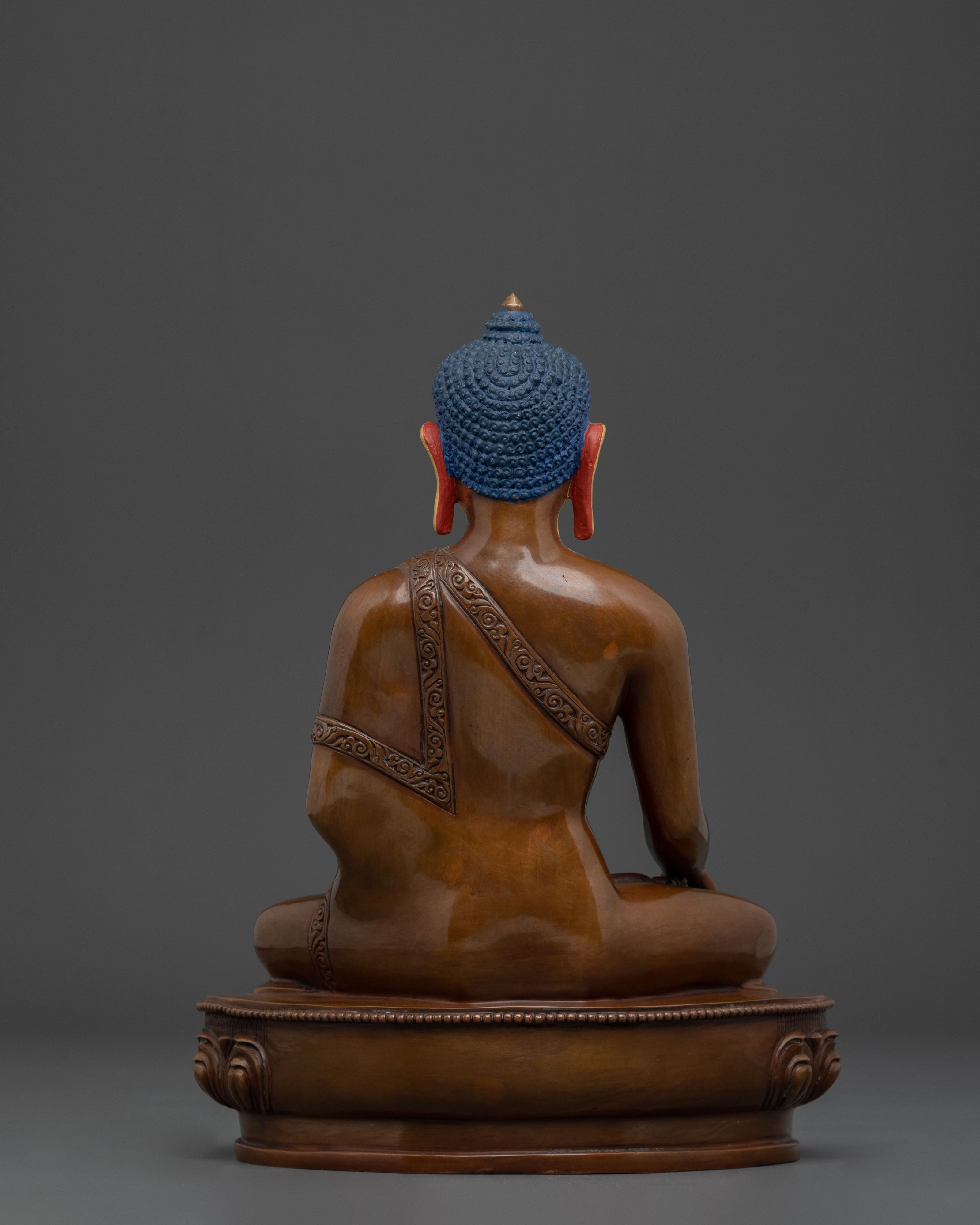
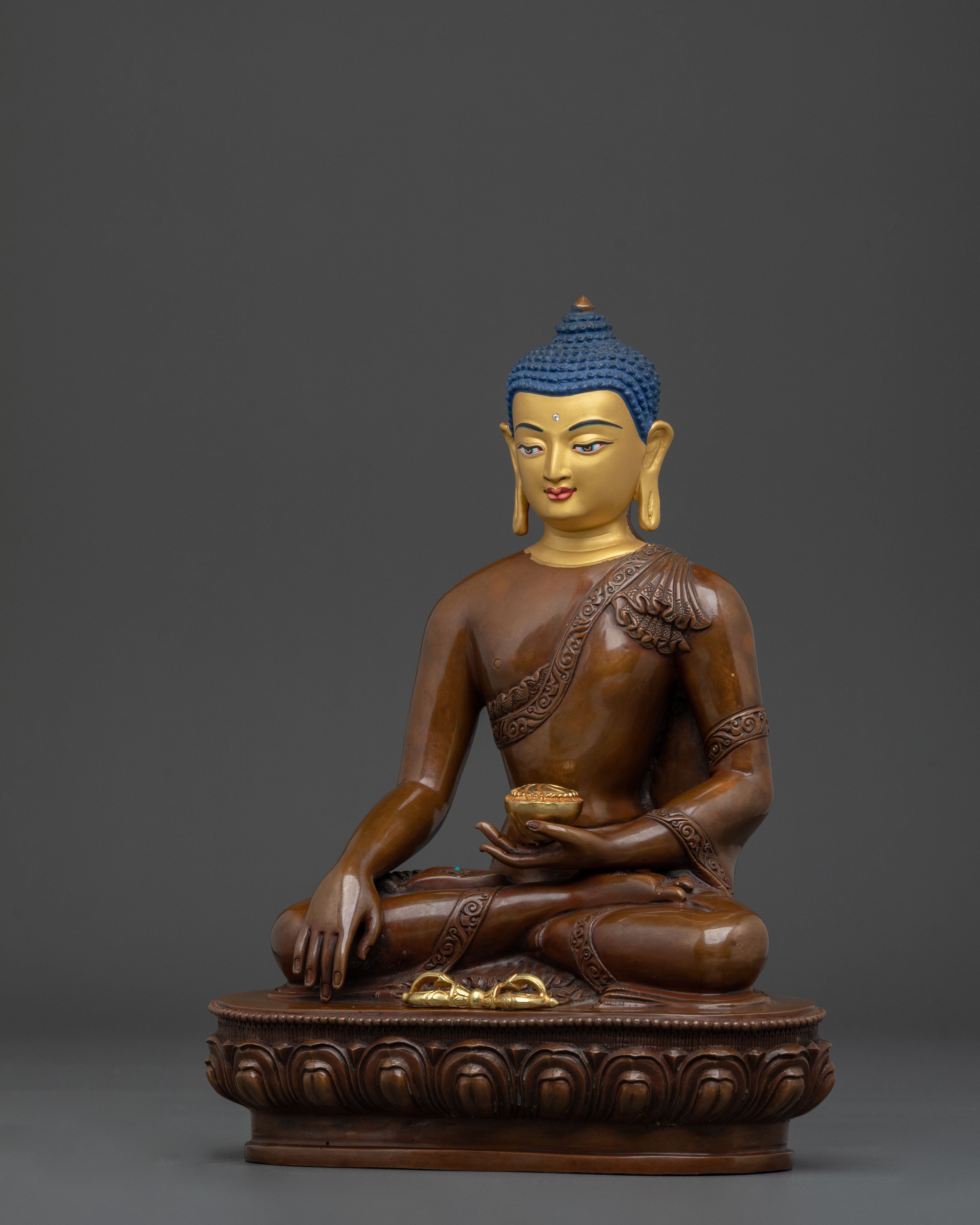
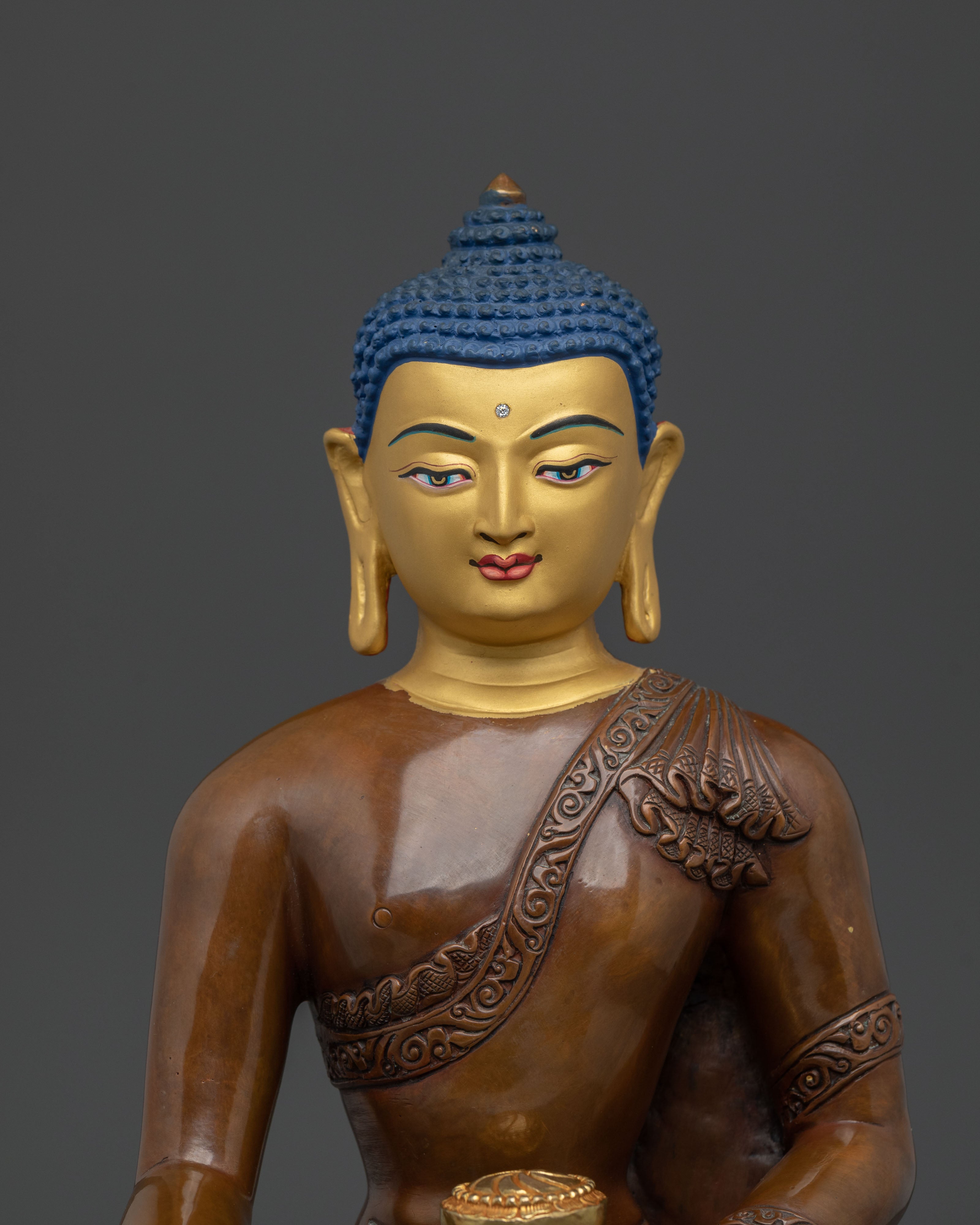
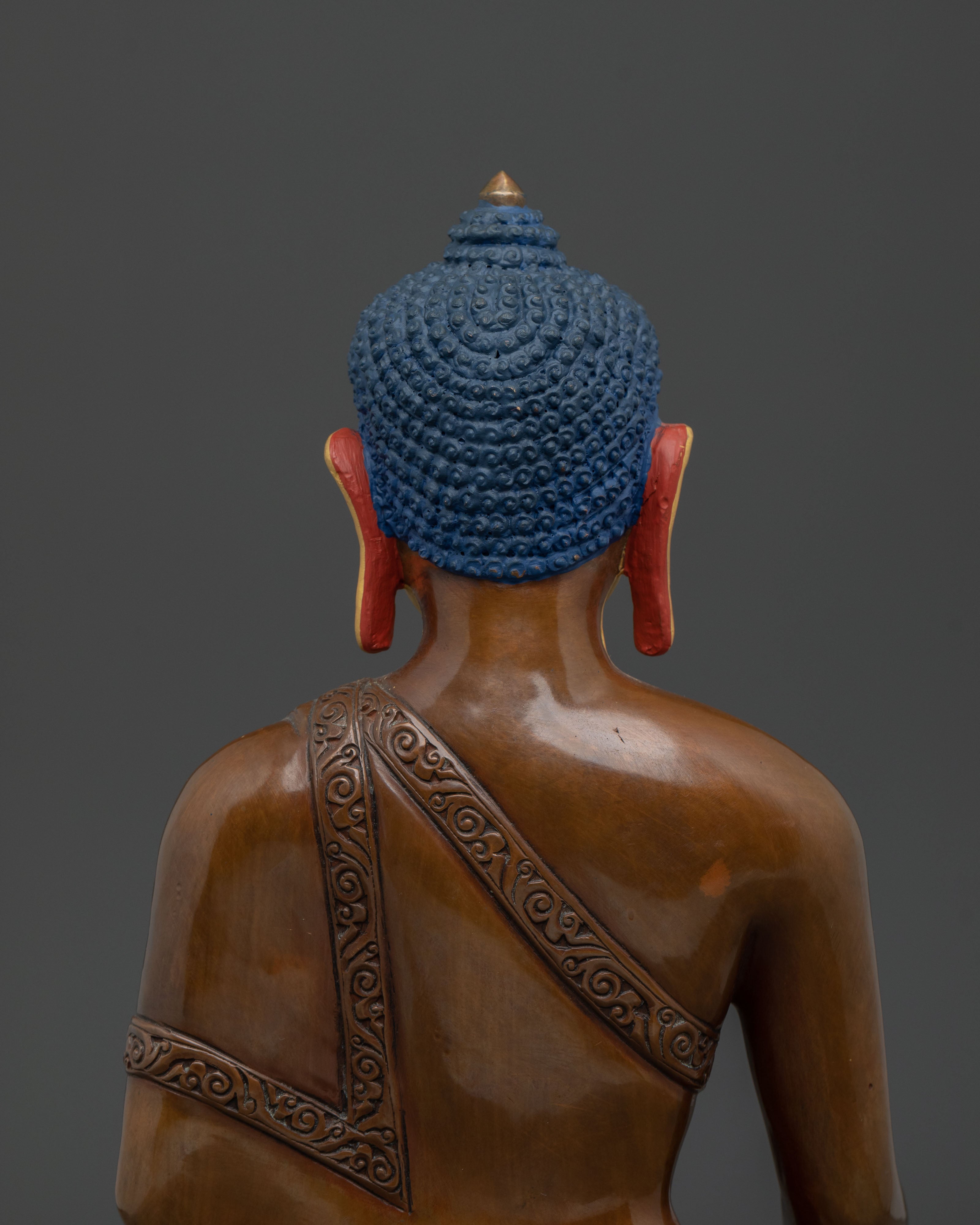
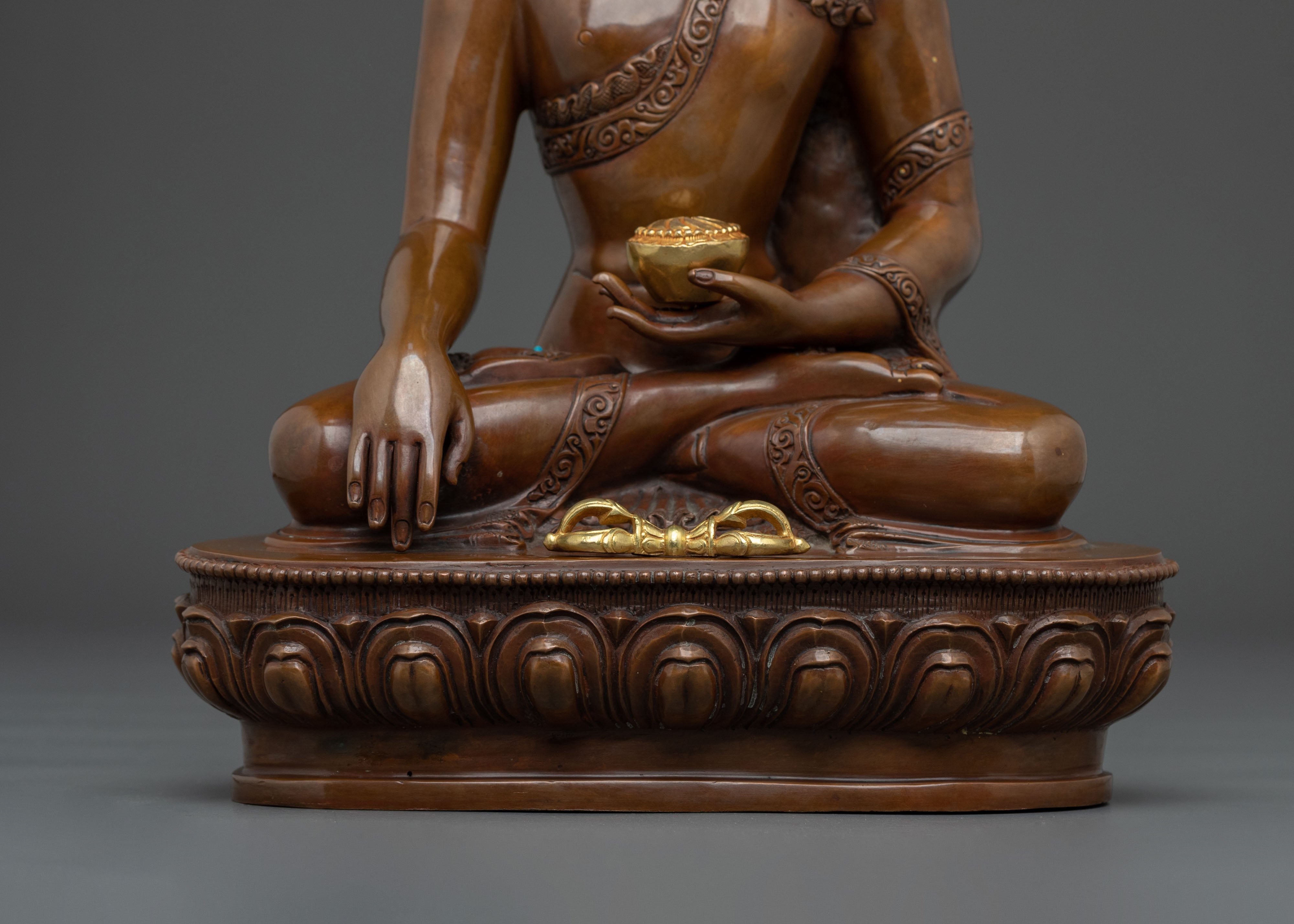
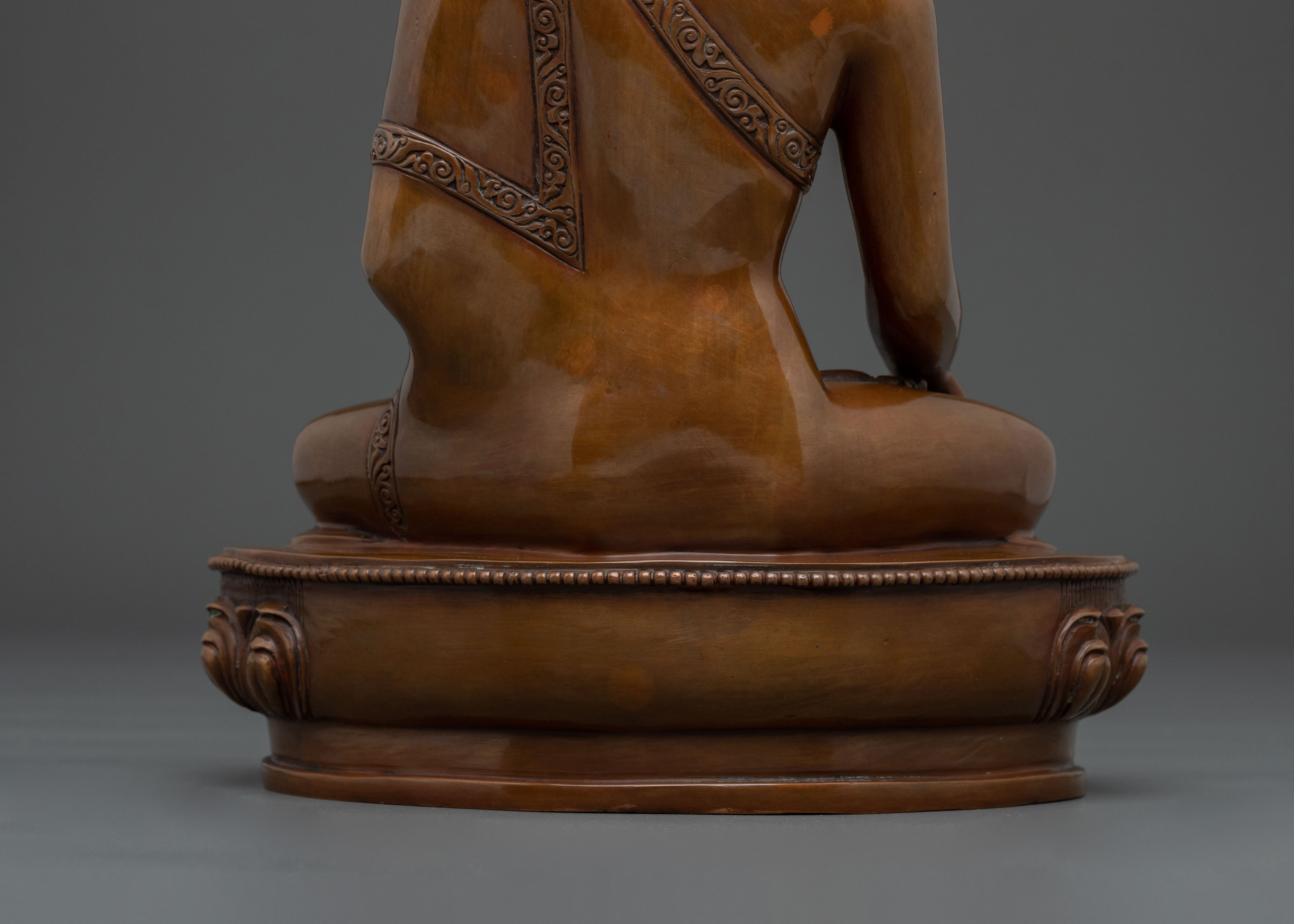
Handcrafted in Nepal, this sacred Siddhartha Gautama Figurine showcases the exceptional artistry and traditional craftsmanship of Himalayan artisans. Standing 28 cm (11.02 inches) tall with a 21.5 cm (8.5 inches) base and weighing 2.63 kg, it is meticulously crafted from an oxidized copper body and covered with a triple layer of 24K gold gilding, featuring deeply engraved carvings that create a magnificent three-dimensional effect. The sculpture is further enhanced with detailed acrylic painting, reflecting the precision, patience, and expertise involved in traditional Nepalese metalwork. The refined gold finish, intricate carved details, and carefully executed surface work highlight the dedication of skilled artisans. This finely crafted Siddhartha Gautama sculpture is a distinguished addition to Buddhist altars, meditation spaces, temples, or sacred collections, preserving the rich heritage of Himalayan sacred art and craftsmanship.
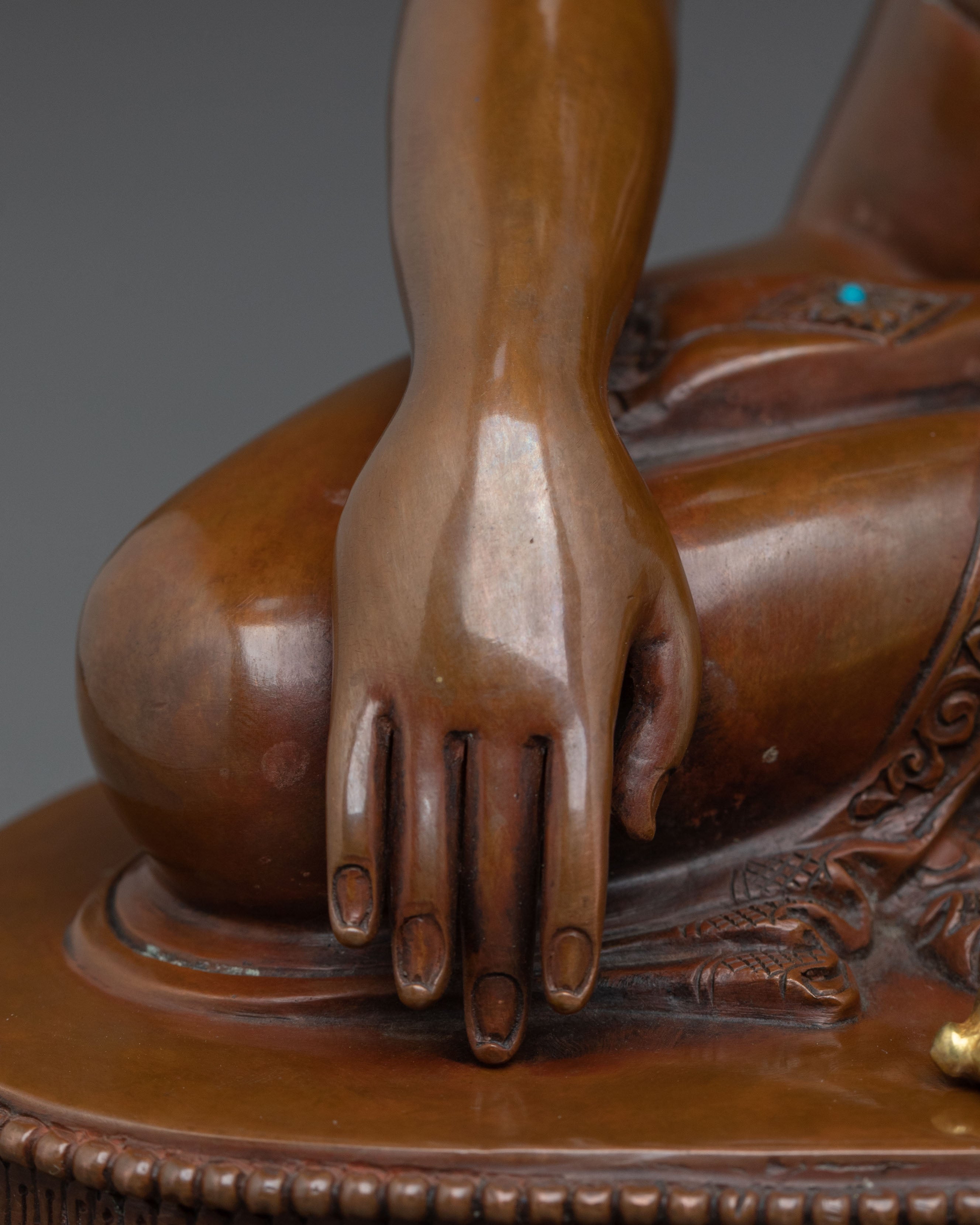
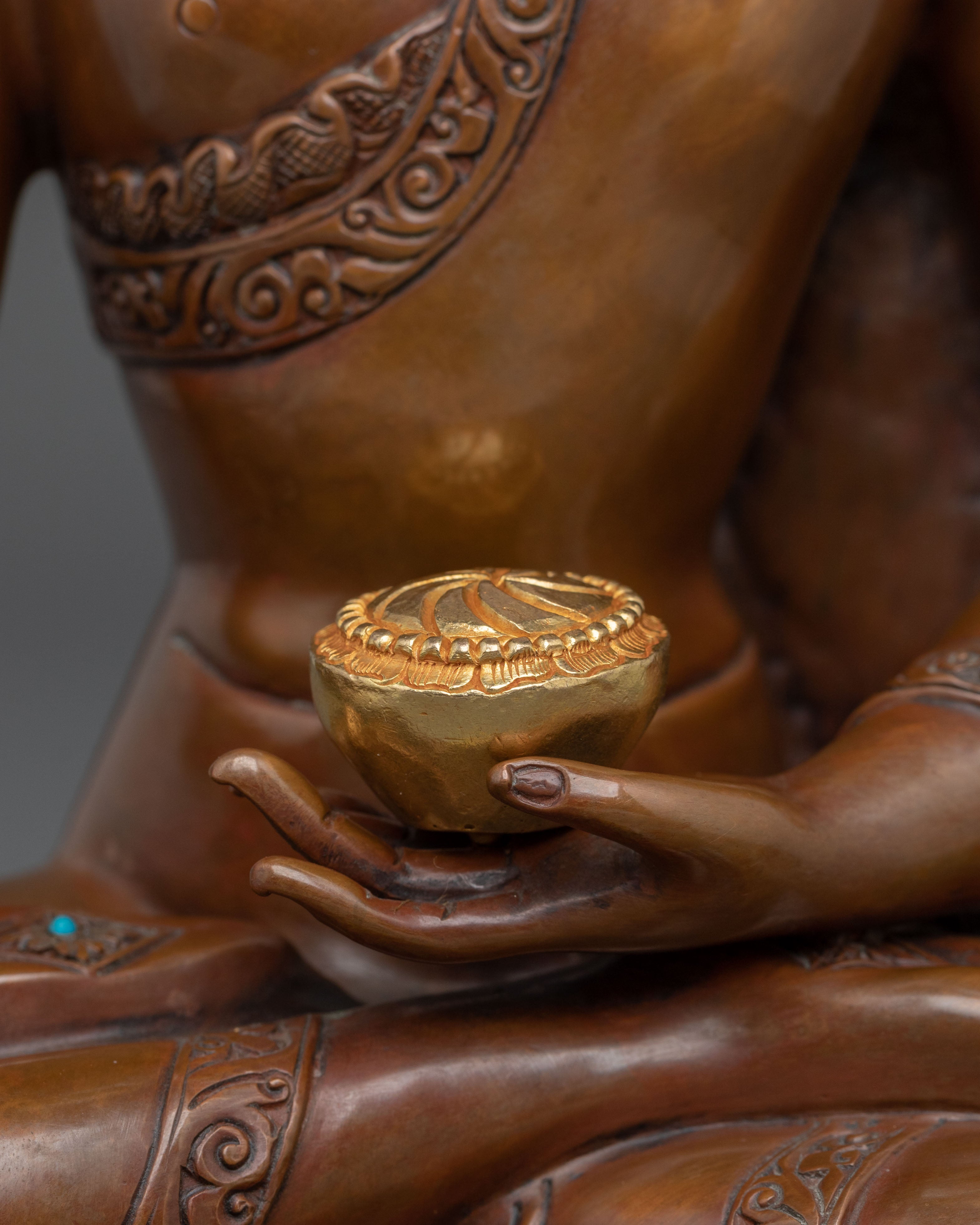
Shakyamuni Buddha, the historical Buddha and embodiment of enlightenment, is depicted in the revered Bhumisparsha Mudra, the “earth-touching” gesture that symbolizes his profound awakening beneath the Bodhi tree. With his right hand touching the earth, he calls upon the Earth to witness his unwavering resolve and his triumph over Mara’s temptations, ignorance, and delusion. His left hand rests in the meditation posture, representing deep concentration, inner stability, and the peaceful realization of the awakened mind. This powerful gesture embodies truth, wisdom, perseverance, and the overcoming of all obstacles through profound realization. The serene presence of this Siddhartha Gautama figurine serves as a meaningful meditation and devotional focus, inspiring practitioners to cultivate mindfulness, inner strength, clarity, and the path toward spiritual liberation.
Size: 11.02”/28cm (Height) x 8.5”/21.5cm (Base)
Weight: 2.63 kg
Material: 24K Gold Gilded, Acrylic Painting, Oxidized Copper Body
Siddhartha Gautama, the historical Buddha, lived in ancient India around the 6th to 4th century BCE and is revered as the founder of Buddhism. Born as a prince, he experienced the realities of aging, sickness, and death, which inspired him to renounce worldly comforts in search of deeper truth. After years of spiritual practice and meditation, he attained enlightenment beneath the Bodhi tree in Bodh Gaya, becoming the awakened teacher known as the Buddha. His profound realization gave rise to the teachings of the Four Noble Truths and the Eightfold Path, providing a timeless guide for understanding suffering, cultivating wisdom, practicing ethical conduct, and developing mental discipline. Through these teachings, countless beings have been guided toward liberation, inner peace, and the attainment of Nirvana.