







Description
A Sacred Embodiment of Universal Compassion and Himalayan Craftsmanship
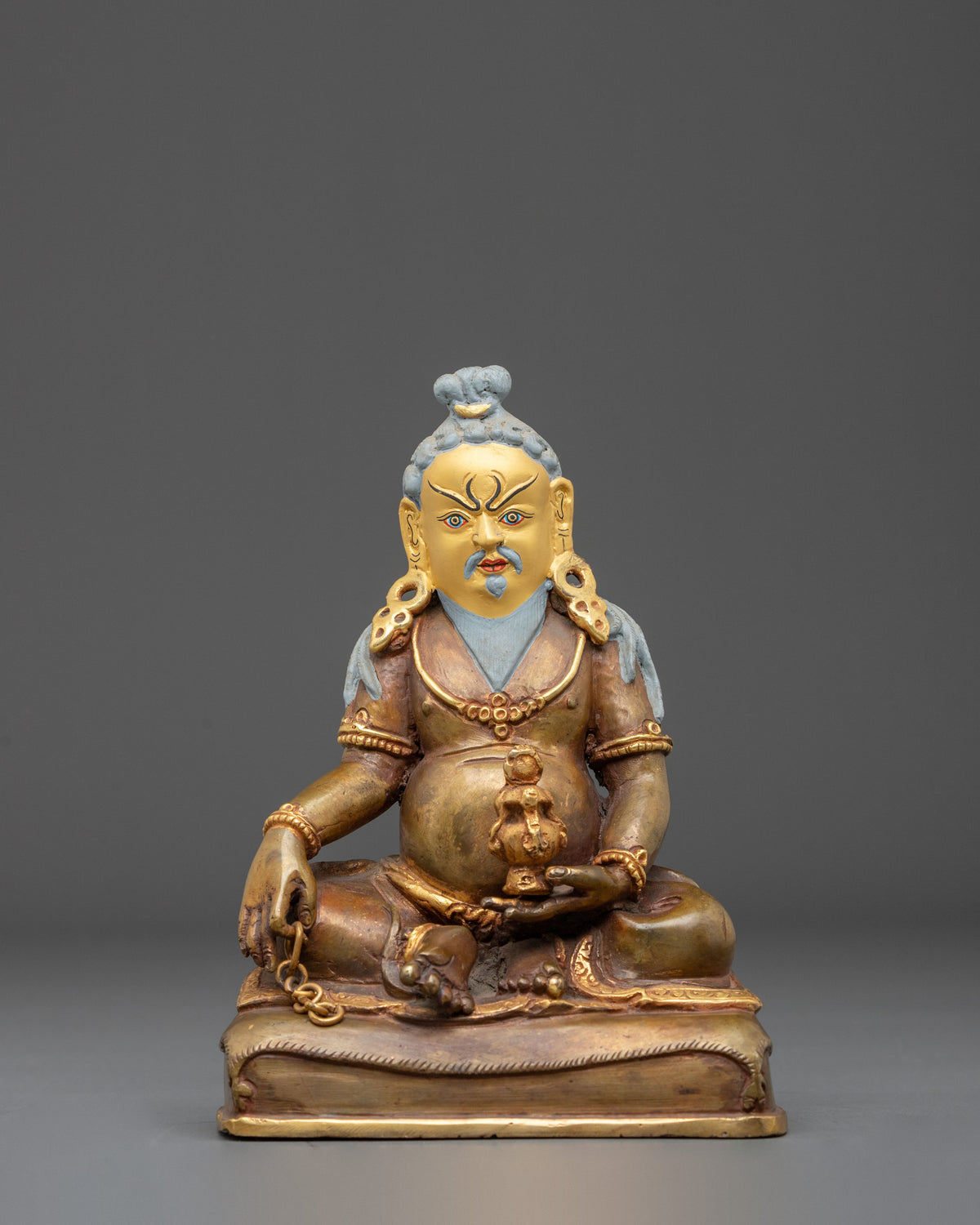
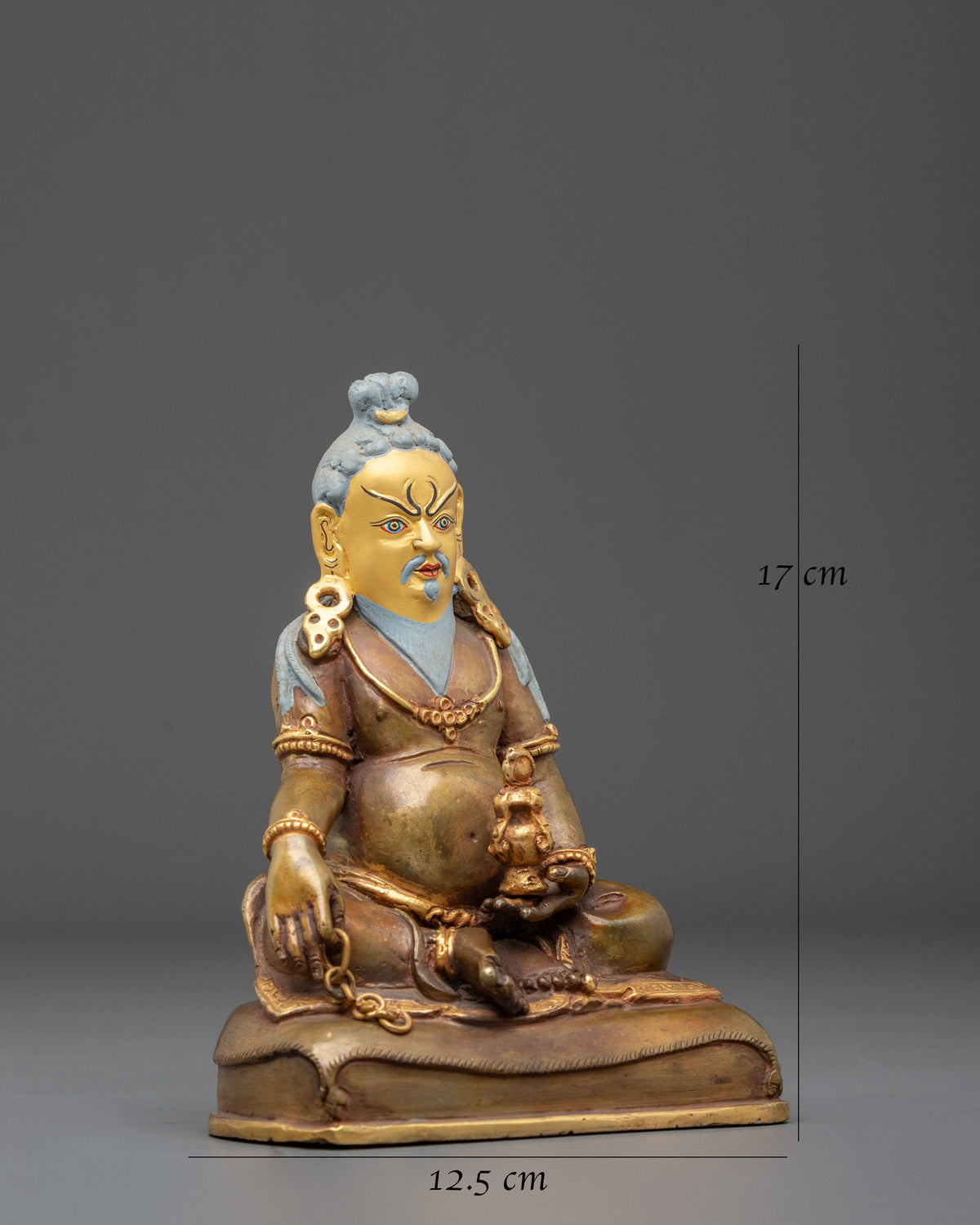
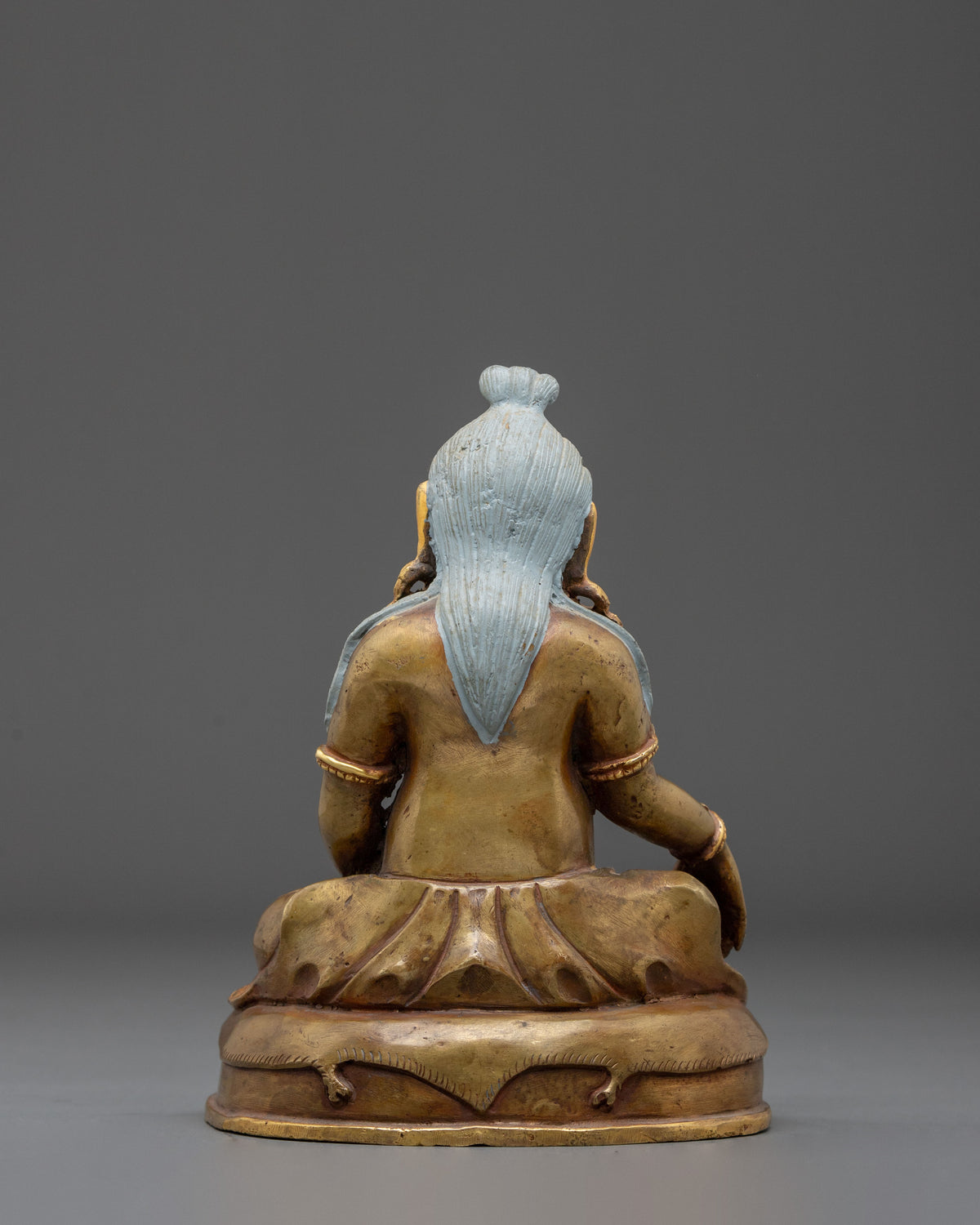
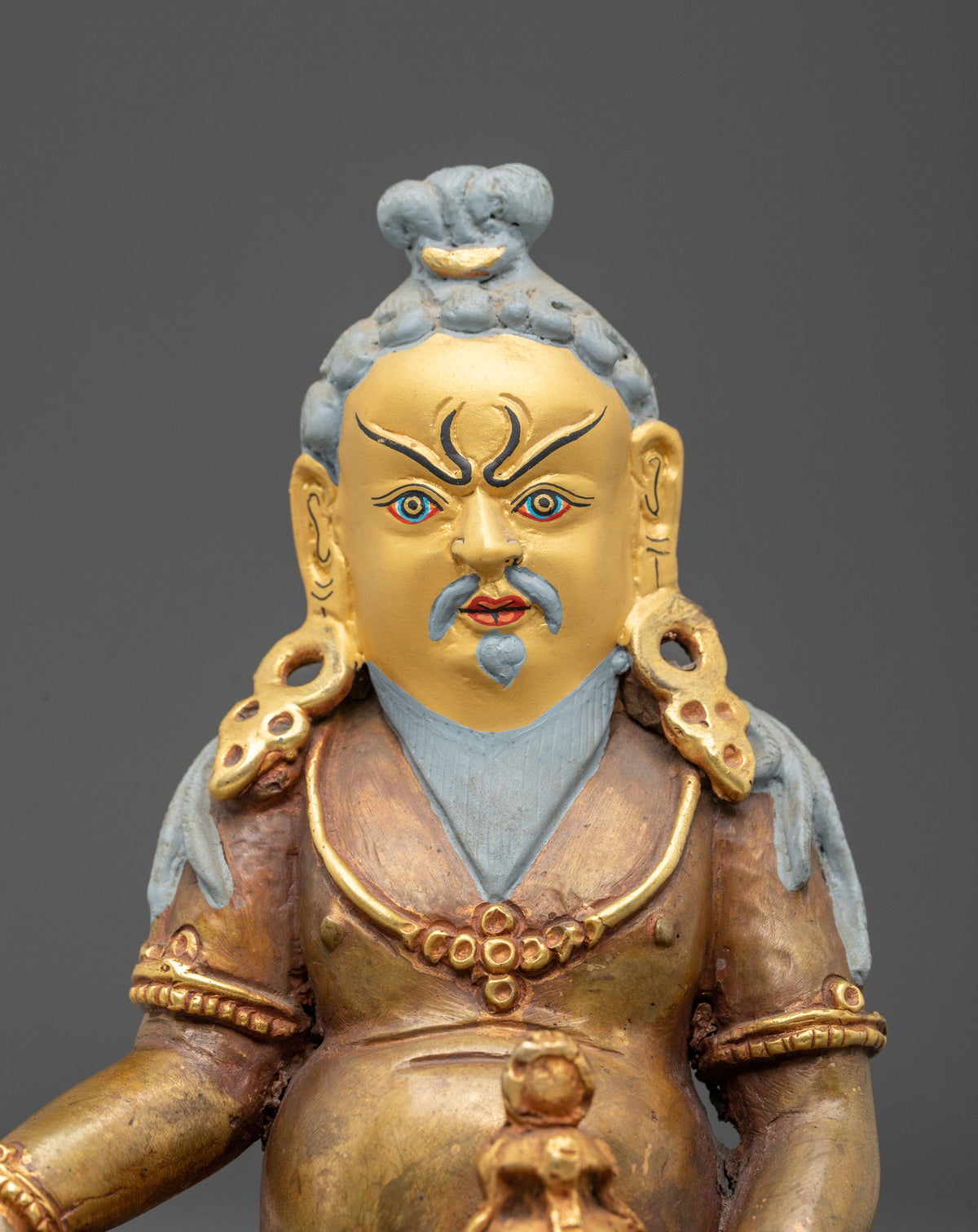
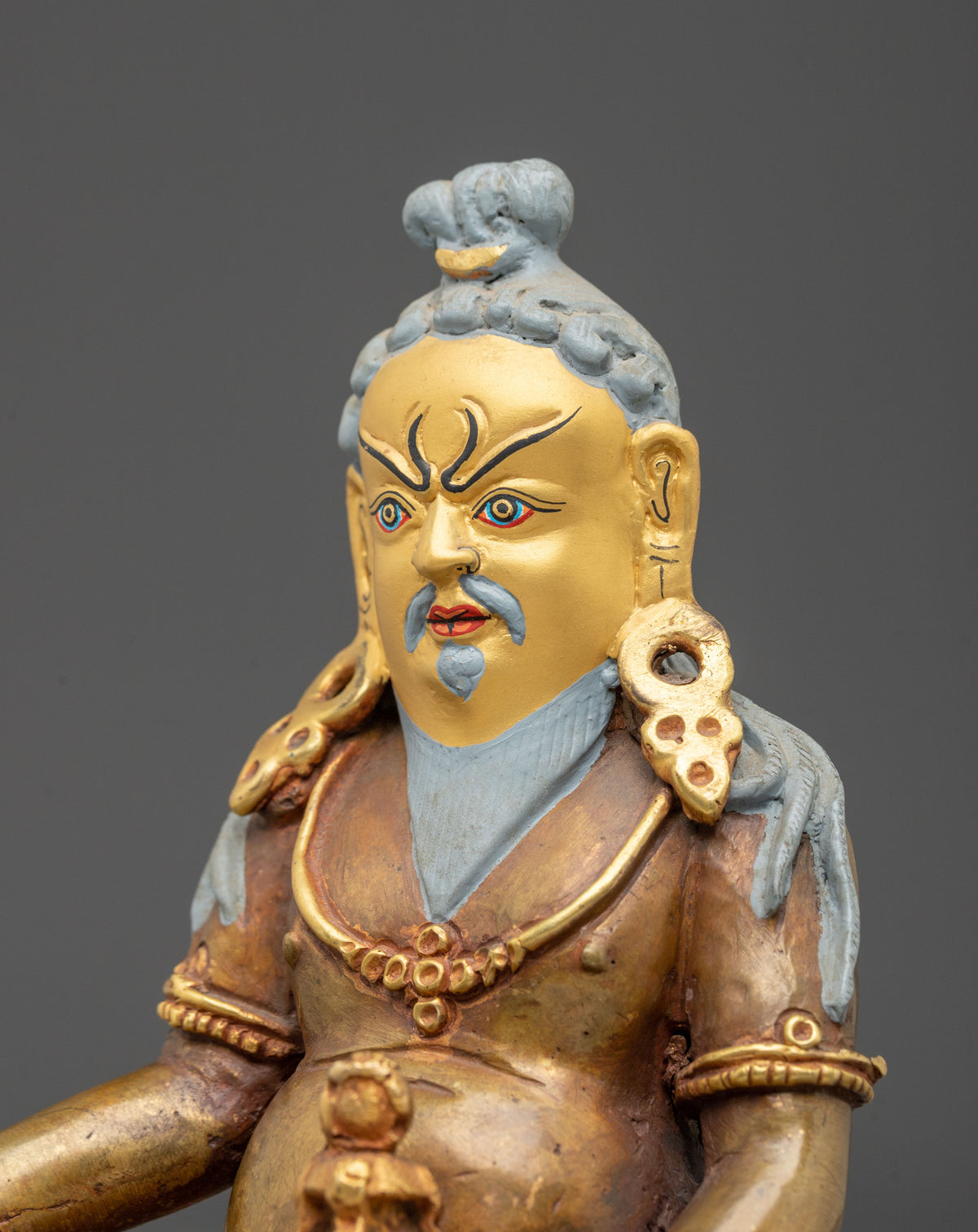
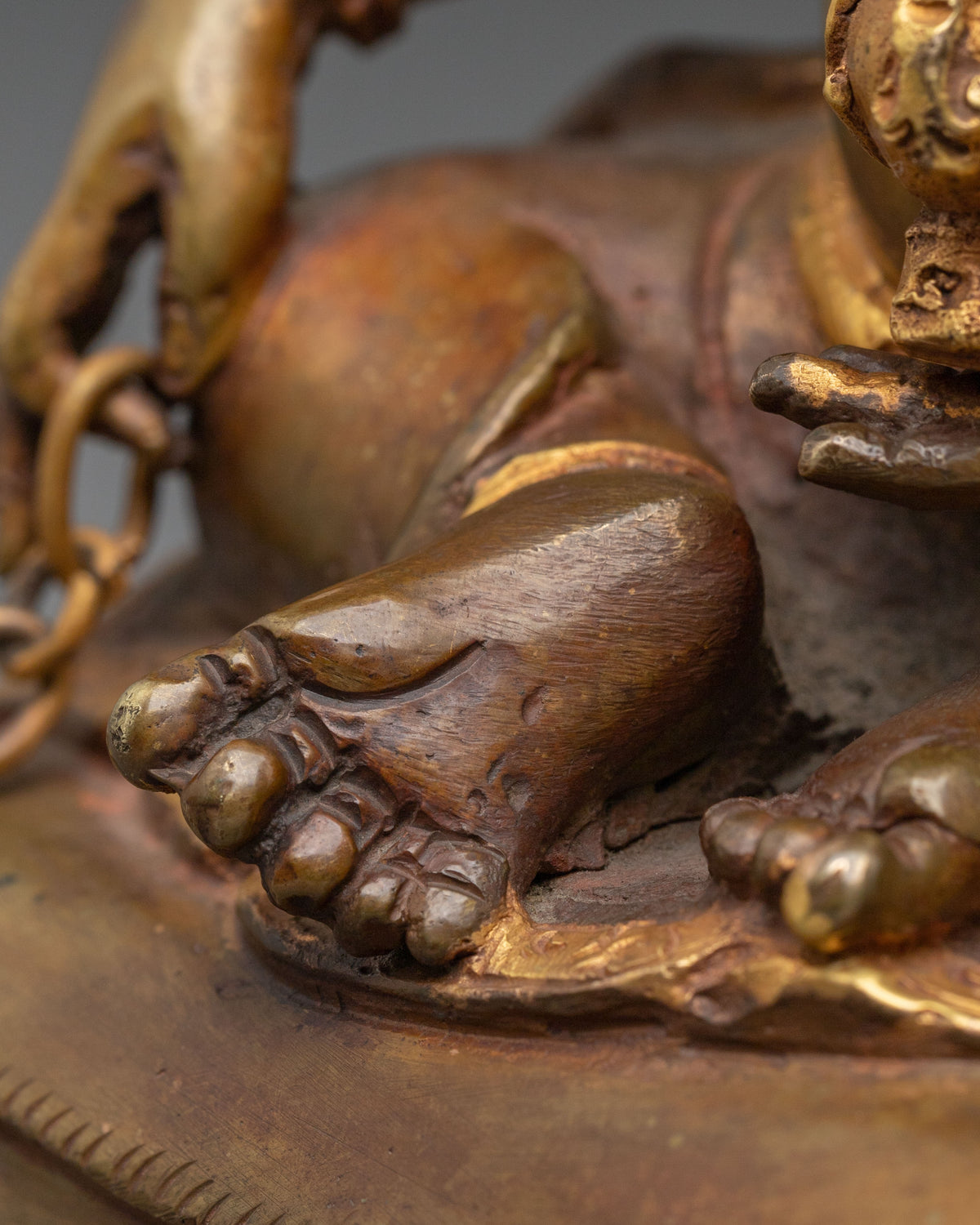
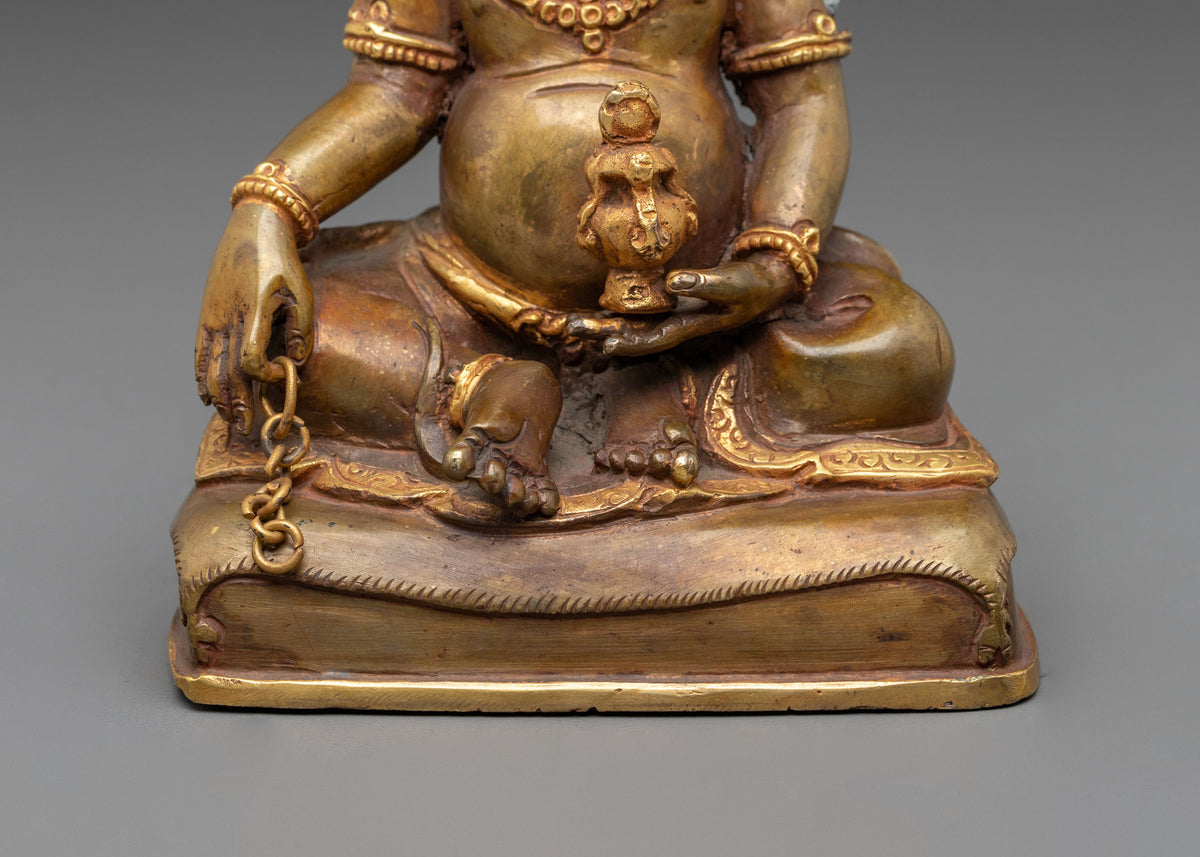
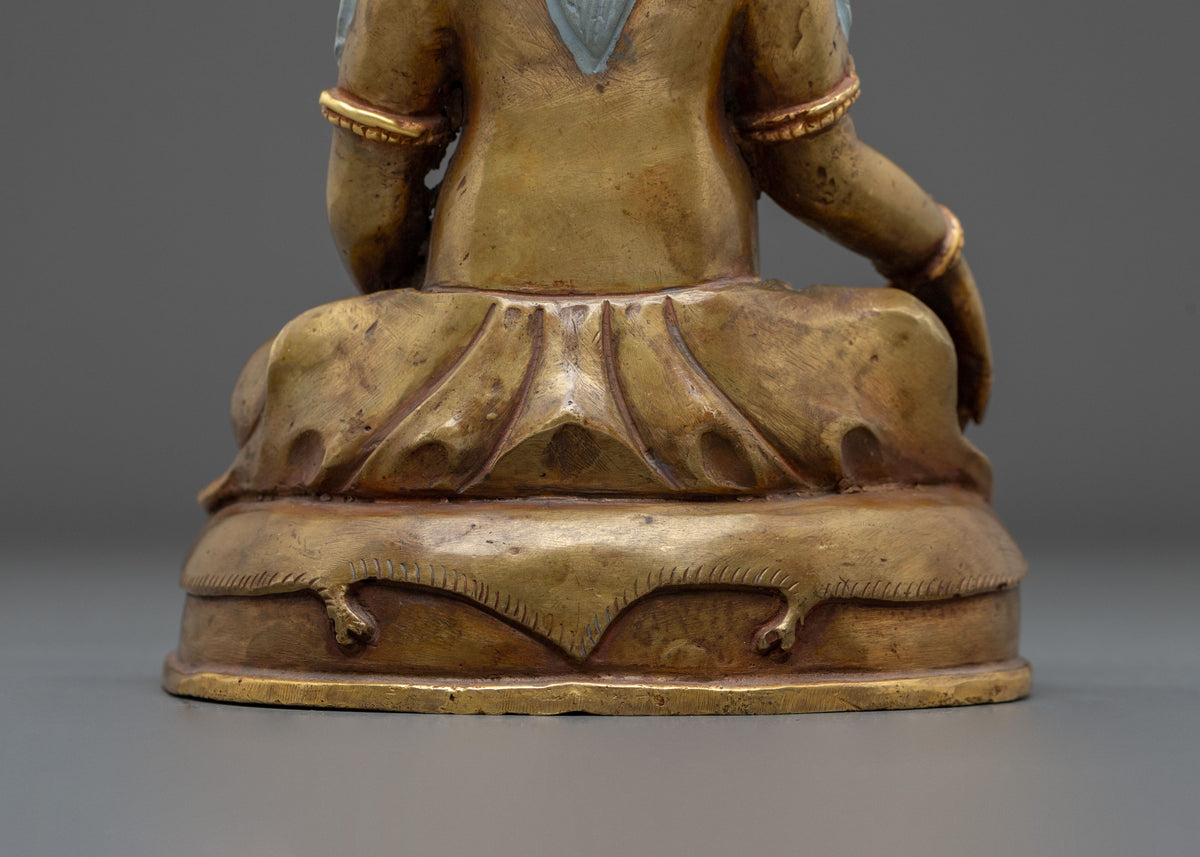
The Thangtong Gyalpo Oxidized Copper Statue is a finely handcrafted Himalayan Buddhist sculpture measuring 6.6”/17cm in height with a base width of 4.9”/12.5cm and weighing 1.15 kg. Crafted from an oxidized copper body, the statue features 24K gold gilding that highlights its facial features, jewelry, ritual objects, and decorative details. The oxidized copper finish creates warm brown tones across the robes and seated figure, contrasting with the golden accents. The carefully sculpted facial expression, detailed ornaments, and compact proportions reflect the traditional artistry of Himalayan Buddhist metalwork. This statue is suitable for Buddhist altars, meditation spaces, monasteries, and collections dedicated to Himalayan Buddhist masters.
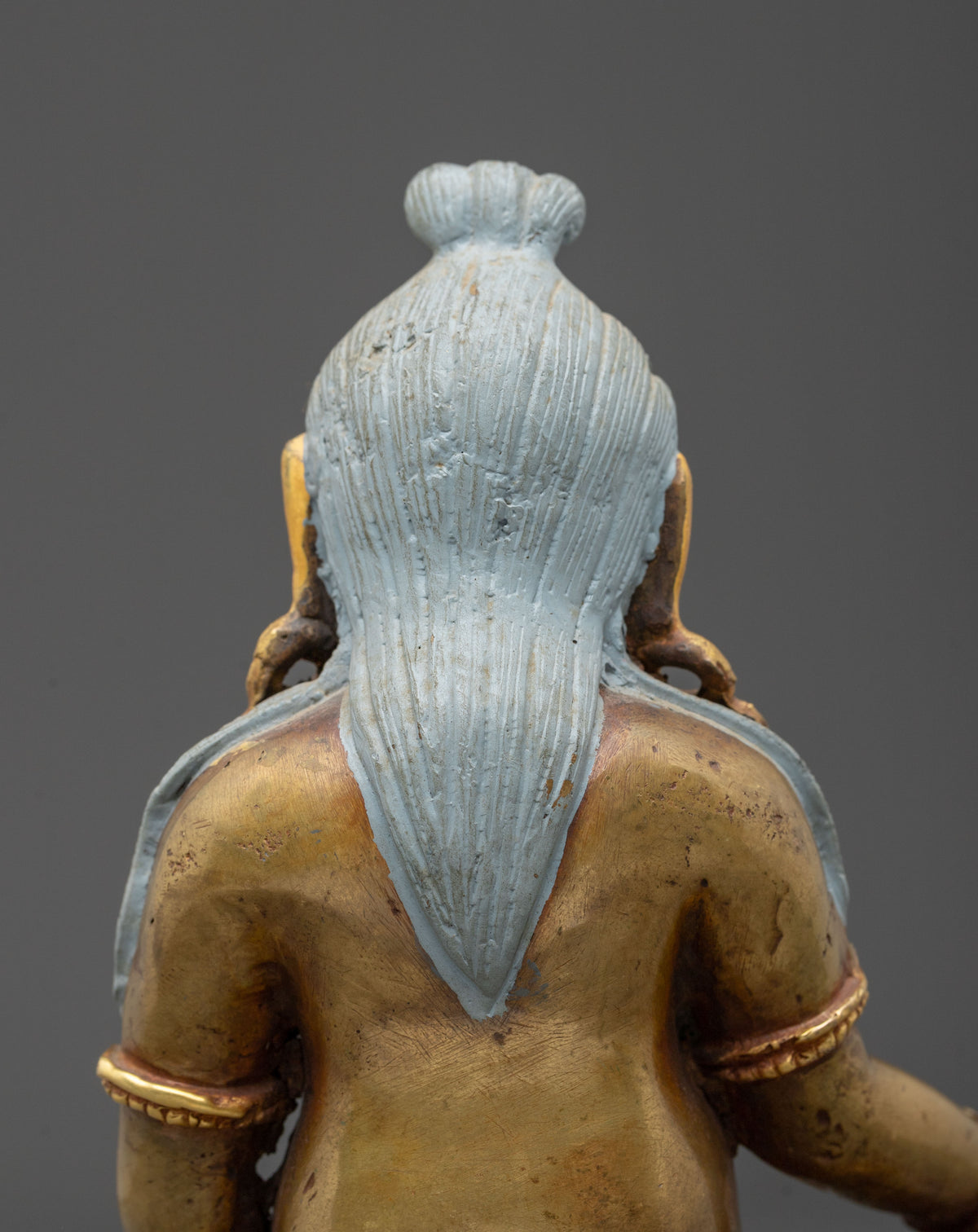
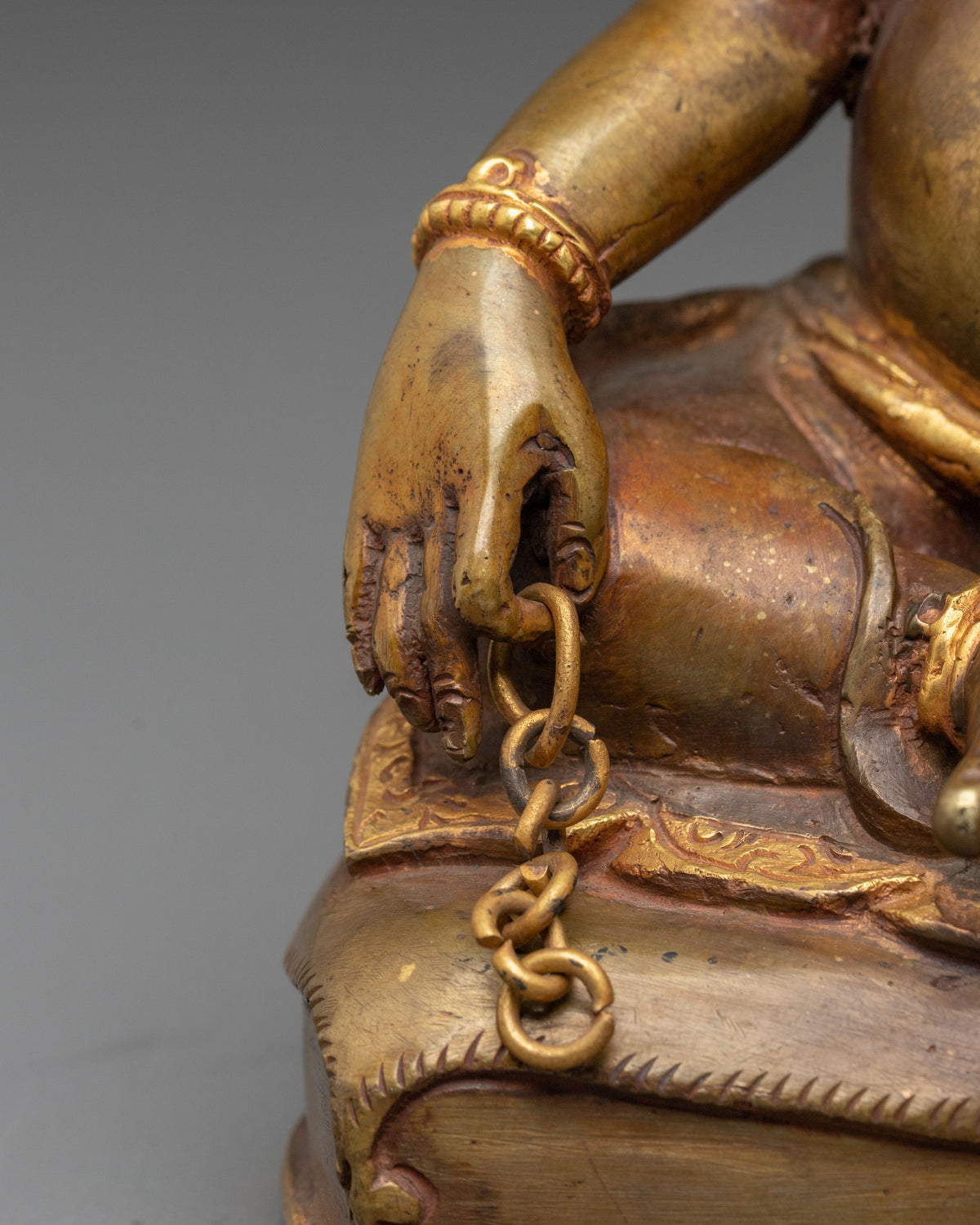
Thangtong Gyalpo is depicted seated in a cross-legged posture upon a rectangular cushion, with a distinctive rounded belly and a commanding facial expression. His wide-open eyes, arched eyebrows, mustache, and pointed beard emphasize his appearance as an accomplished tantric master. His hair is arranged in a high topknot, while large circular earrings, necklaces, and bracelets adorn his figure. His right hand extends downward, holding a short length of chain with several interlinked rings, traditionally associated with his remarkable achievements in constructing iron-chain suspension bridges. His left hand rests in his lap, supporting an ornate ritual vessel. His layered robes feature decorative borders, while the rectangular cushion provides a stable foundation for his seated form. The combination of his distinctive appearance and symbolic attributes reflects his identity as both a spiritual practitioner and an extraordinary figure in Tibetan history.
Size: 6.6”/17cm (Height) x 4.9”/12.5cm (Base)
Weight: 1.15 kg
Material: 24K Gold Gilded, Oxidized Copper Body
Thangtong Gyalpo, often known as the Iron Bridge Builder, was a renowned Tibetan Buddhist master, yogi, engineer, and visionary traditionally dated to the 14th–15th centuries. He is celebrated for constructing iron-chain suspension bridges across Tibet and the Himalayan region, helping communities travel through difficult mountainous landscapes. Beyond his engineering achievements, he was an influential practitioner of Vajrayana Buddhism and is closely associated with longevity practices, particularly those dedicated to White Tara and Amitayus. He is also remembered for his contributions to Tibetan performing arts and religious traditions. Revered for combining spiritual realization with practical compassion, Thangtong Gyalpo represents wisdom, perseverance, longevity, and compassionate activity. This statue serves as a meaningful tribute to his extraordinary legacy and the enduring connection between Buddhist practice and service to others.