
Gyalpo Lhosar 2026: A New Year of Tradition, Family, and Spiritual Renewal
Gyalpo Lhosar is one of the most exciting Nepalese festivals that are celebrated by the Sherpa and Tamang communities and other people residing in the Himalayas. It is a symbol of a new beginning, hope, and renewal, and something that most people in these communities look forward to every year on this special day. The festival must take place in 2026, as it will be the beginning of a new cycle in the Tibetan lunar calendar. In 2026, the year 2148 will also mark the start of the celebration of Gyalpo Lhosar and will bring forth a year of prosperity, spiritual growth, and happy experiences to all the people.
This festival is a timekeeping celebration, a sacred cultural festival, which brings together families and communities and bridges the gap between different age groups. Gyalpo Lhosar is a holiday through which we are reminded of the reason why we should preserve these old traditions, and at the same time be excited about the future with new hopes and dreams. The festival is marked by colorful traditions, merrymaking, and a special focus on family unity.
Understanding Gyalpo Lhosar: What Makes It Special?
 (Photo from English MakaluKhabar)
"Lhosar," also known as the new year in Tibetan, is a big festival in the Himalayan states of Nepal and particularly among the Sherpa community, Tamang community, and other communities affected by Tibetan culture. The individuals celebrate their New Year through the Gyalpo Lhosar festival, which uses the Tibetan lunar calendar, and shares its theme of new beginnings with other New Year celebrations in Nepal, including the Nepali New Year.
According to the lunar cycle, Gyalpo Lhosar occurs at the end of February or the first part of March. The year 2148 will start in the year 2026. The festival is a purification rite that cleanses anything bad that happened in the past year, thus giving individuals new energy and hope to start their new life.
The Origin of Gyalpo Lhosar
Those influenced by Tibetan culture in Nepal, the Sherpa and Tamang, as well as others, prepare the Sherpa Lhosar that marks the beginning of the Tibetan lunar year. The term "Gyalpo" translates to "King." The holiday commemorates the coronation of King Nyatri Tsenpo, who became the first Tibetan king to establish the first Tibetan dynasty in the 2nd century BCE.
The Lhosar was a festival that was held to mark the onset of spring, the cessation of winter, and the beginning of the crop time. The era was also a time to honor and seek the help of deities in order to achieve fruitful crops and material well-being. The Gyalpo Lhosar holiday turned into a religious celebration, family reunion, feast, and folk dance performance. The festival is a critical cultural and religious event that is a continuation of the rich Tibetan Buddhist cultural legacy that is present in the Himalayan area in Nepal.
The Spiritual and Cultural Meaning of Gyalpo Lhosar

The Gyalpo Lhosar festival has very strong religious implications among its participants, on top of its holiday nature. The New Year is a time of introspection and spiritual growth for the Lhosar people who start a new year. The festival gives the people an opportunity to engage in the traditions of Buddhism, reconsider what they went through last year, and also strive to get rid of the bad luck, bad energy, and past hardships. The celebration requires families to perform various dedicated activities, which include rituals, prayers, and ceremonies to support their ancestral memory while requesting divine assistance for family well-being. This period of spiritual purification enables individuals to enter the new year with unblemished emotional, mental, and spiritual states. The process provides people with the opportunity to establish new objectives about their personal health, financial success, and general life satisfaction.
Lhosar provides an opportunity for people to engage in spiritual practices while they unite with their families and communities through shared celebrations. The occasion unites the family members who are not close to each other and have few chances to meet due to their work and their daily duties. During the festival, people go back to their ancestral home and reunite with their family members and observe the family customs, which make them stronger. The event is a chance to express gratitude to the past generations and also to wish others a happy New Year, and strengthen the ties with their loved ones and neighbors. The major experience of Gyalpo Lhosar is the one that brings together people in terms of shared festival celebration. The festival creates a feeling of belonging, and this becomes crucial during New Year celebrations that include family ties and community relationships, and also conserving traditional practices.
Preparation of the Altar during Gyalpo Lhosar
 (Photo from YoWangdu)
One of the key characteristics of the Gyalpo Lhosar celebration is the altar. It is a spiritual sanctuary upon which prayers, offerings, and spiritual thoughts are offered. It is a ritual and a major ceremony that assists in ushering in a new year with optimism and blessings. The altar of Gyalpo Lhosar is usually arranged by families in the following way:
- Selection of the Location: The altar must be in a clean, visible area of the house, such as the living room or a special prayer room. It must be in such a location that the family may gather to conduct rituals and pray.
- Butter Lamps: Butter lamps are also part of the most significant items on the altar. It is an emblem of the light of wisdom and the termination of the darkness. The flickering is believed to bring sense and orientation to the new year, shedding light into the future with good omens and blessings.
- Fruits and flowers: Symbolize wealth and opportunities for the new year. They represent beauty, new beginnings, and the hope for good fortune, conveying the vibrancy of life and the expectation of a happier year ahead.
- Incense Burning: Incense is burnt by individuals to clean the air and introduce good energy in their homes. Society believes that the smoky smell purifies the air and preconditions the following year as good and prosperous.
- Tibetan Prayer Flags: It is another custom whereby some of the families opt to place Tibetan prayer flags on or surrounding the altar. The flags are thought to be blessings and prayers for everyone and symbolize the hope to be happy, healthy, and at peace for all people.
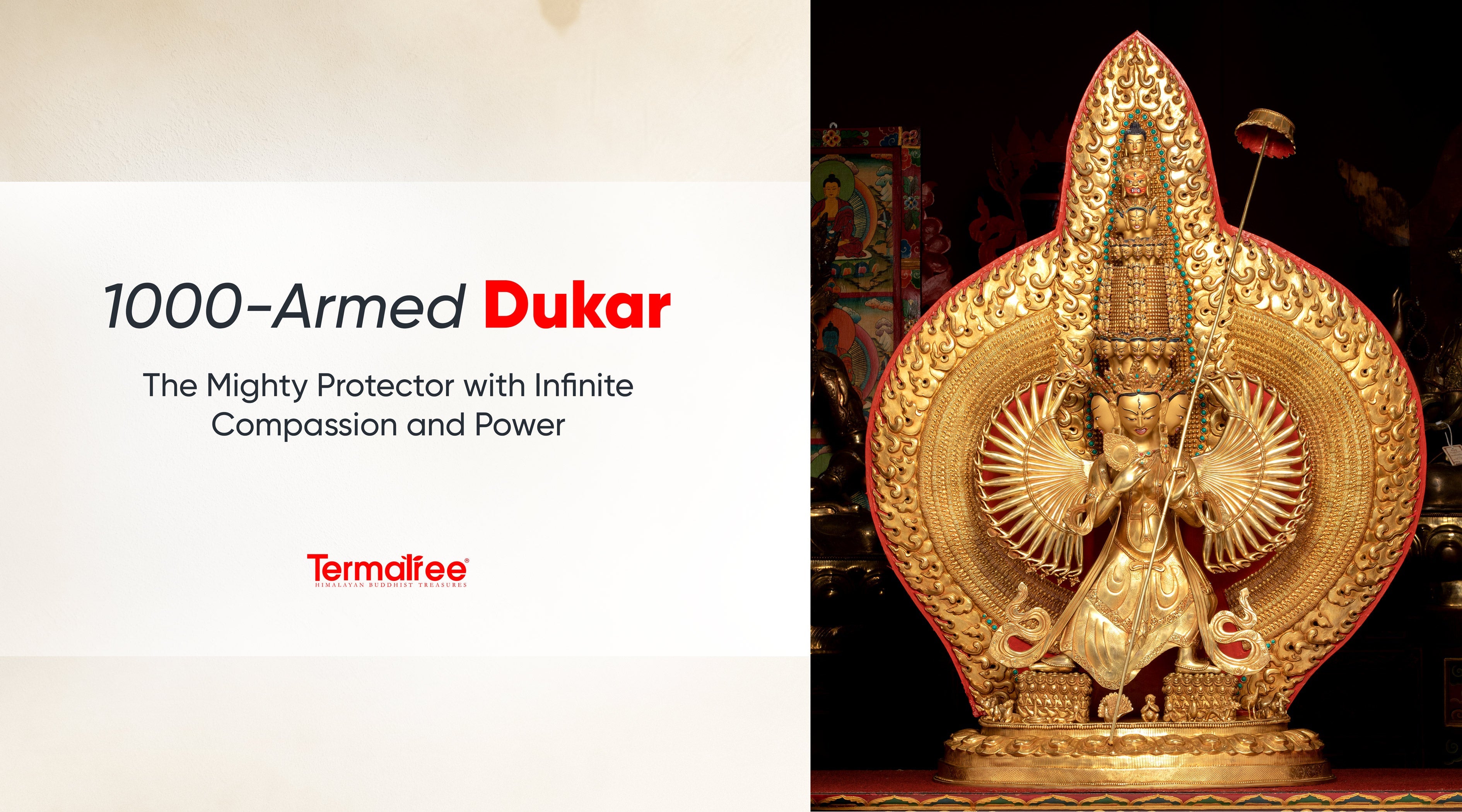
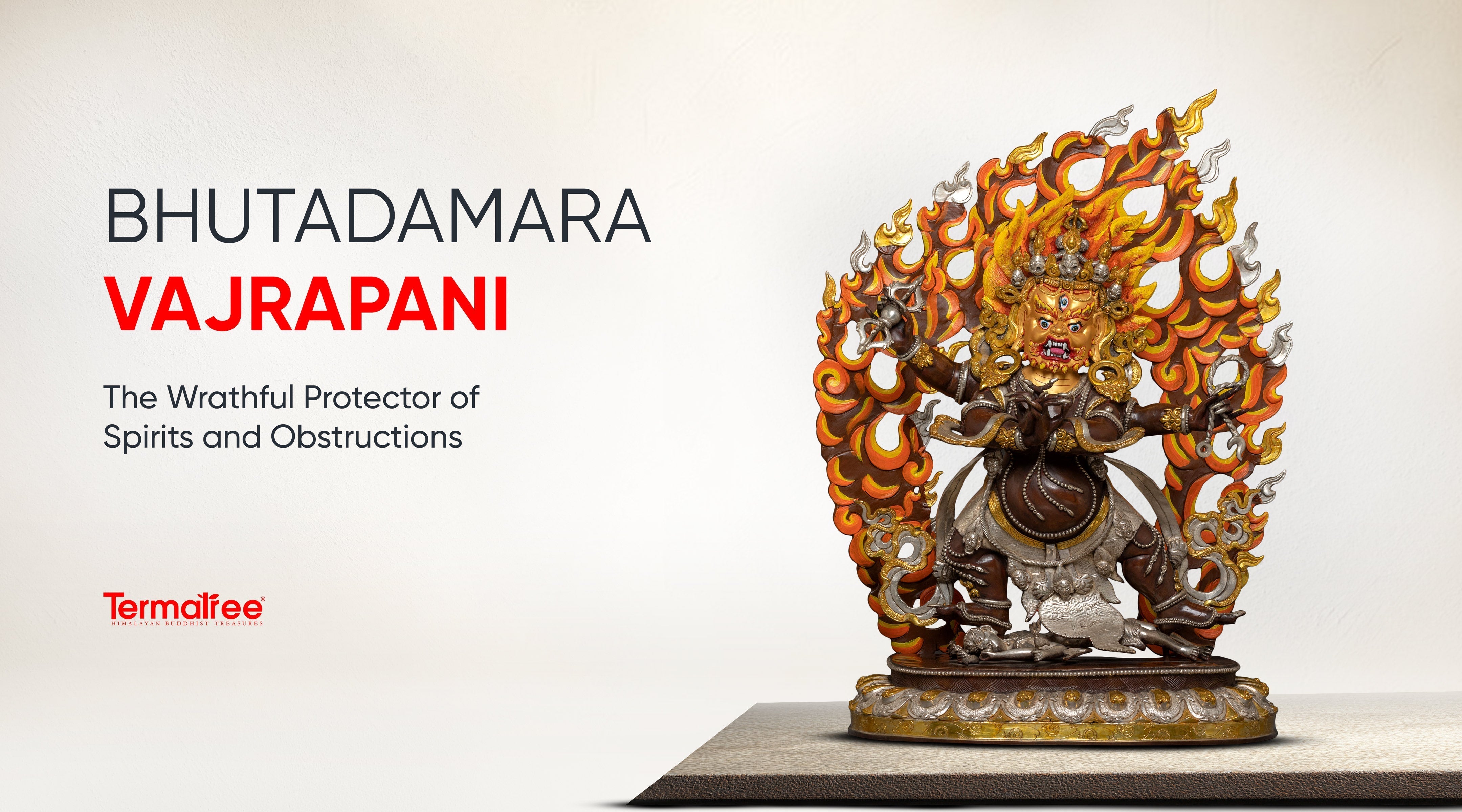
- Religious Artifacts: Small statues of deities, religious books, and prayer beads are often found on the altar. These items commemorate the spiritual nature of the celebration and assist the families to associate with their religion and cultures as they seek the deity to bless them in the coming year.
- Family Rituals: Once the altar is prepared, the family surrounds the altar to pray, offer incense, and perform pujas, ritual prayers. It is in the course of this that people contemplate the previous year, thank you, wishing to be healthy, wealthy, and happy in the new year.
The altar serves as a solid reminder of the spiritual aspect of Gyalpo Lhosar. It is one of the places where family members meet to pray and worship their ancestors, deities, and the new year. The process of installing the altar is physical as well as spiritual in nature and succeeds in making the home peaceful, harmonious, and new.
Explore Our Collection of Buddhist Statues for Your Altar.
Gyalpo Lhosar Traditions, Dance, and Music
 (Photo from DCnepal)
The Gyalpo Lhosar festivities rely on music and dance as essential elements of their festival. The folk dances, such as the Lhosar Dance and “Yaksong,” are accompanied by the beat of drums and horn rhythms. The dances express deep meanings through their performances. The dancers show through their movements that good triumphs over evil, while all negative aspects from the previous year disappear. The community also celebrates with unified dancing because they celebrate a new year with a lot of hope, fortune, and success. The Gyalpo Lhosar festival incorporates spirited music and dancing to generate the festal cheer, besides facilitating spiritual healing, which are two crucial themes of the festival.
Torma (Tormo) and Khapsey in the Gyalpo Lhosar Celebrations

Torma (Tormo) and Khapsey are some of the Gyalpo Lhosar. When praying, they make torma, a ritual Tibetan cake of flour, butter, and sugar, or place it on altars to seek the blessings of deities. It is also molded into various shapes, as it is a way of showing respect and spiritual worship, and it is a request to protect and bring good fortune in the new year.

(Photo from Tibetan Nuns Project)
The other Lhosar delicacy is khapsey, which is a fried pastry that is quite traditional. The pastries are sweet and crunchy, and they are made of dough and are formed in various shapes. They are the symbols of joy and festivity. Families tend to prepare and eat khapsey. It is a symbol of togetherness, welcoming, and good wishes for a new year. Torma and Khapsey collaborate with the aim of making the Lhosar festival more significant culturally and spiritually.
The Gyalpo Lhosar Experience in 2026
As Gyalpo Lhosar 2026 approaches, individuals will celebrate by using technology to celebrate their traditions (e.g., through family gatherings and praying). This allows family and friends to connect via social media despite physical distance. In cities like Kathmandu and Pokhara, there has been a shift toward more publicly accessible celebrations of Gyalpo Lhosar, including parades, fairs, concerts, and other cultural activities. These types of events allow for the celebration of Himalayan culture through the use of arts, music, and dancing. The manner in which the younger generations are adopting the practices of Gyalpo Lhosar with a twist of modernity depicts the capability of these two being able to coexist in society.
A Message for the New Year
The Gyalpo Lhosar 2026 new year festivities allow us to enjoy both the festive and the renewal and gratitude moments, which give us hope. The saying which states,
“May the new year shine some light upon your life, be prosperous upon your family, and be peaceful upon your heart.”
Tashi Delek
is a guiding principle of all who celebrate this new year celebration. The present challenges us to remember our past benefits as we look forward to the future with our nearest friends who are close and those who are not so close who live in faraway locations.