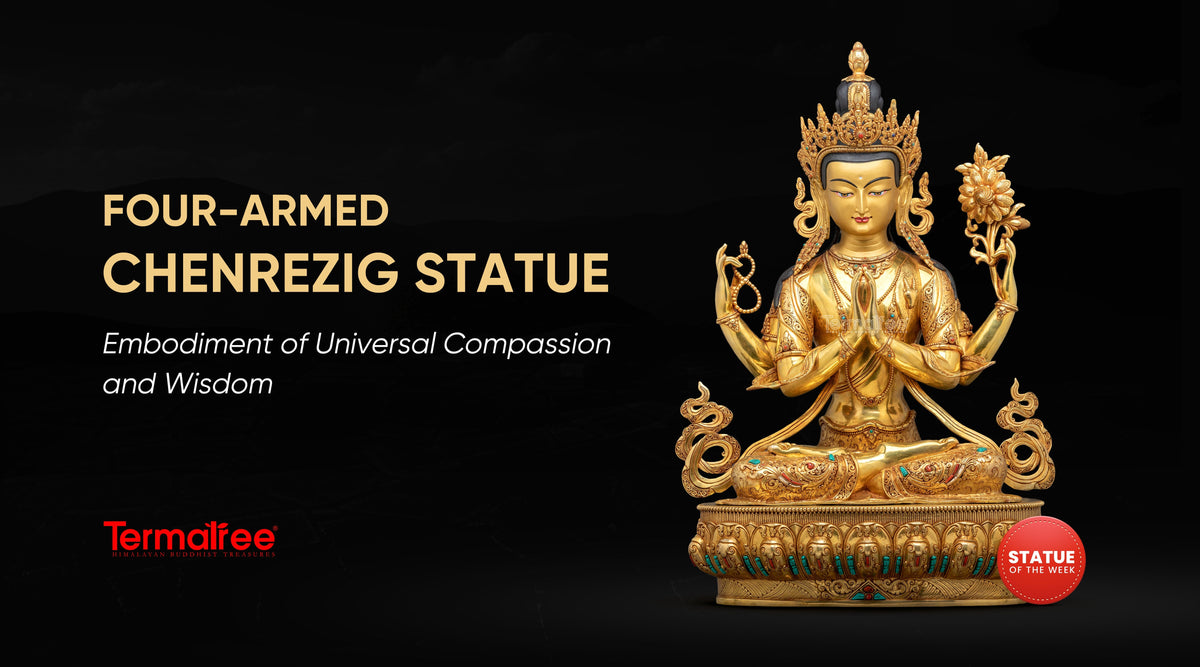

Understanding the Spiritual Connection through Life-Size Statues
Life-size statues have captivated human beings for centuries. They are not mere objects of decoration; they are potent phrases of spirituality, culture, and masterly works of art. Their human-sized appearance establishes a special emotional and psychological relationship, and viewers can feel that they are in the presence of something living, religious, or really important. Since ancient times, to the present day, in homes and temples, these still play the role of connecting both the world of the body and the world of the spirit. Their craftsmanship, meaning, historical context, and how to position them for maximum impact.
The Spiritual Power of Life-Size Statues

The presence created by life-size statues is one of the most impressive things in life. In comparison to smaller figurines, a life-size statue is very realistic and relatable, as it is able to reflect human proportions. This realism enables one to interact more with the statue on their emotional and spiritual level.
Statues are not considered representations in most traditions, particularly Buddhism and Hinduism. After being consecrated, they are supposed to have the energy of the sacred. They are not simply looked at by the devotees, but they communicate with them in the form of prayer, meditation, and offering. This feeling of presence is important in spiritual practice. The life-size statue can be a center of meditation, whereby individuals focus on it and calm their minds. The posture, facial expression, and movements of the statue have a subtle impact on the viewer; they tend to bring tranquility, sympathy, and self-reflection.
In addition to spirituality, these statues also have a psychological effect. Their immobility promotes silence in the viewer. They are calm, and inner peace is encouraged. In the busy world that is full of distractions, they provide one with a chance to unwind and reconnect back into touch with themselves.
Historical Foundations: The Tradition of Early Life-Size Statues and Bhrikuti

Life-size statues are a tradition that existed in ancient times in places like Egypt, Greece, and India. The human-size sculptures were used to depict the gods, rulers, and other significant figures in these cultures with an accent on their power, presence, and significance.
In the Himalayan land, the creation of life-size spiritual statues is directly connected with cultural diffusion and religious growth. One of the most important figures in this history is the 7th-century Nepalese princess Bhrikuti, who had a radical influence on the proliferation of Buddhist art and craft. It is believed that Bhrikuti brought along the religious Buddhist images, artisans, and artistry to Tibet when she married the 33rd Tibetan king Songtsen Gampo (618–650 AD). This trade was a landmark in the development of Himalayan art. Her impact resulted in the ingraining of highly sophisticated Newar craftsmanship into Tibetan culture. The statues produced during and after this era were not only technically excellent but also spiritually significant. They were crafted in the exact ratios, expressively produced during and after this era, and were not only technically excellent but also spiritually significant gestures, and other features that represented profound philosophical messages.
These ancient statues assisted in creating the convention of viewing the sculptures as religious representations instead of ornamental works. The legacy remains today, especially in Nepal, where the artisans still use the centuries-old techniques to make life-size statues that are used in temples, monasteries, and by collectors the world over.
Craftsmanship: The Art of Life-Size Statues

A life-size statue is a complex and highly professional job that requires artistic creativity and a combination of technical skills, with accuracy and focus needed at every step. It begins with the conceptualization, where artists create drawings or computer models to determine posture, proportions, and symbolism, and proceeds to modeling using clay or wax to detail aspects of the form. The actual making varies depending on the material; stone is chiseled, metal is cast in molten pouring, and wood is cut to look natural, all of which require some special skills. The last phase is to finish the work by painting or decorating to improve the look and durability. The purpose of the artist is much more important than technique, and it is that which makes handcrafted statues so special. Sculpting, practiced in most of the traditions, is considered a kind of worship; this adds a touch of genuineness, spirituality, and emotional investment to the end product, which is extremely difficult to detect in the machine-produced sculptures.
Read More: Wooden Statues Collection by Artist: Suresh Lawot Tuladhar
Materials and their Symbolism
In making life-size statues, the material used is one of the most important decisions, not only in terms of aesthetics but also in terms of symbolism and spiritual interpretation. The materials in which these statues are produced affect their utility and appearance, and the way in which they are perceived, materially and spiritually.
|
Materials |
Symbolism |
Description |
|
Stone |
Timelessness and Permanence |
Stone sculptures are a symbol of survival and stasis, and they can be placed inside the temple and in open spaces since they can be enduring and stable. |
|
Metal |
Strength and Resilience |
The statues made of bronze or brass metals represent a feeling of power and permanence, and a radiance that contributes to the effect. |
|
Wood |
Warmth and Connection to Nature |
Wood is also a product of living trees and is associated with life energy, organic beauty, and a feeling of closeness to nature, and it can be more personal and intimate. |
|
Resin |
Adaptability and Affordability |
Modern materials like resin and fiberglass allow a greater degree of freedom in design and affordable production. and still maintain a pleasing visual and aesthetic look. |
Cultural and Spiritual Significance of Life-Size Statues

Buddhism and Hinduism have so deep spiritual meaning in the life-size statues, just that they are not works of art, but they are regarded as the physical manifestation of divine being and are worshipped and meditated upon. The Buddha statues in Buddhism are supposed to represent the enlightenment of Buddha. These statues are not merely a physical memory of the teachings of Buddha, but they are also used as a means of meditation and reflection. The followers worship such statues as a means to relate to the wisdom, calmness, and kindness of the Buddha. The physical presence of the statue enables the practitioners to concentrate their minds and will towards the path to enlightenment, which helps them in their self-realization process.
In Hinduism, statues of gods and goddesses such as Shiva, Durga, and Krishna that are life-size are worshipped as a manifestation of divine energy. These images are seen as both images and gateways for followers to communicate with the supernatural. Worshippers also present prayers, flowers, and incense to these statues and expect the higher powers to be able to connect with the worshippers to be blessed, guided, and protected. The intricate features and symbolic gestures of Hindu gods represented in life-size sculptures can be understood as their visual representations of the spiritual attributes that they possess, e.g., strength, wisdom, love, etc., and that motivate people to enhance such qualities in their lives.
Important Placement Tips for Life-Size Statues: Creating Meaningful Spaces
- Eye Level or a Little Higher: In statues being placed indoors, particularly in meditation or prayer rooms, eye level or a little higher provides a natural and respectful contact that can be tapped more deeply when practicing spirituality.
- Lighting: The lighting should be soft and warm, and it should be used to accentuate the features of the statue and to provide a relaxing, meditative effect. The lighting should not be too harsh, as it will distract from the spiritual meaning of the statue.
- Keep the Area Clean: To maintain the central point, as in the statue, it is always advisable to keep objects at a distance. The statue is a reflection point because of the openness and clean space.
- Locate Close to Natural Features Outdoors: In the outdoor environment, the life-size statues should be located near water, plants, or rocks. These elements contribute to the relaxing element of the statue, and they create order in nature.
- Adhere to Traditional Directional Rules: For such practices as Vaastu or feng shui, one must also think of the directions. To demonstrate this, east-facing statues symbolize new beginnings, north-facing ones are considered the symbols of wisdom and prosperity, and central positioning leads to the creation of a balance and harmony in the area.
Modern Relevance of Life-Size Statues

In modern times, when we do most of our interactions using computers, life-size statues provide a welcome relief as a tangible experience. They make us return to the physical world and remind us of the significance of real-world experiences. These sculptures are a relief against the madness of electronic communication, something enduring and suspended. They cause individuals to remain silent, thoughtful, and mindful of the present and one another with a greater intent since they are in an environment that causes them to remain. Absence of them in an area causes individuals to be silent and reflective and identify with the present, and each other, in a more profound manner. No matter the temples, households, or open streets, the sculptures are life-size, which makes one think and offers a profound feeling of being a part of culture, the past, and spirituality.
Conclusion
Life-size statues are not merely objects, but they are powerful experiences that are appealing to the mind, body, and soul. They represent an ideal combination of size, symbolism, and craftsmanship, and each of them is, in its turn, a separate fragment of information about traditions, beliefs, and cultures that created them. Since their dawn, just like the ones who were inspired by such men as Bhrikuti, or their applicability in the modern context, these statues endure over time and remain topical. They are able to convert any environment into a place of beauty, reflection, and inner peace to improve the physical and spiritual environment of a room. On the one hand, they can be made intentionally and placed in strategic locations in a room.