Karmapa: The Holder of the Kagyu Lineage and Embodiment of Enlightened Activity
The Karmapa is one of the most respected figures in Tibetan Buddhism and is recognized as the spiritual leader of the Karma Kagyu tradition. The title “Karmapa” means “The One Who Carries Out Buddha Activity,” representing the compassionate activity of enlightened beings working for the benefit of all sentient beings.
The Karmapas are part of the unique Tibetan Buddhist tulku tradition, where enlightened masters are believed to consciously continue their spiritual activity through successive incarnations. Since the first Karmapa, Düsum Khyenpa, the lineage has preserved profound teachings on meditation, Mahamudra, compassion, and wisdom.
Our Karmapa Statue Collection – Sacred Representations of the Kagyu Lineage
-
Handcrafted Traditional Artistry: Each statue is created by skilled Himalayan artisans with careful attention to the traditional appearance and symbolism of the Karmapa lineage.
-
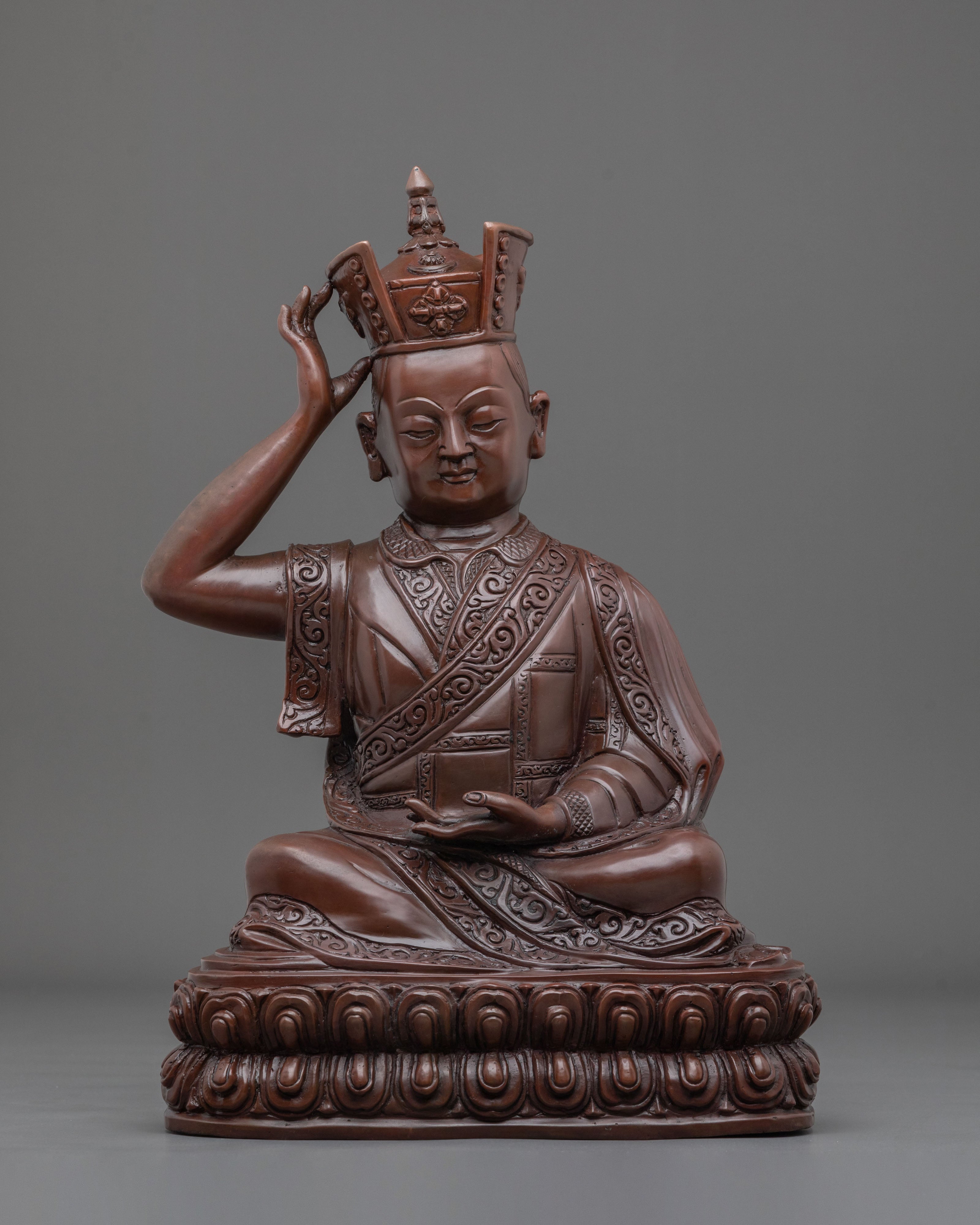
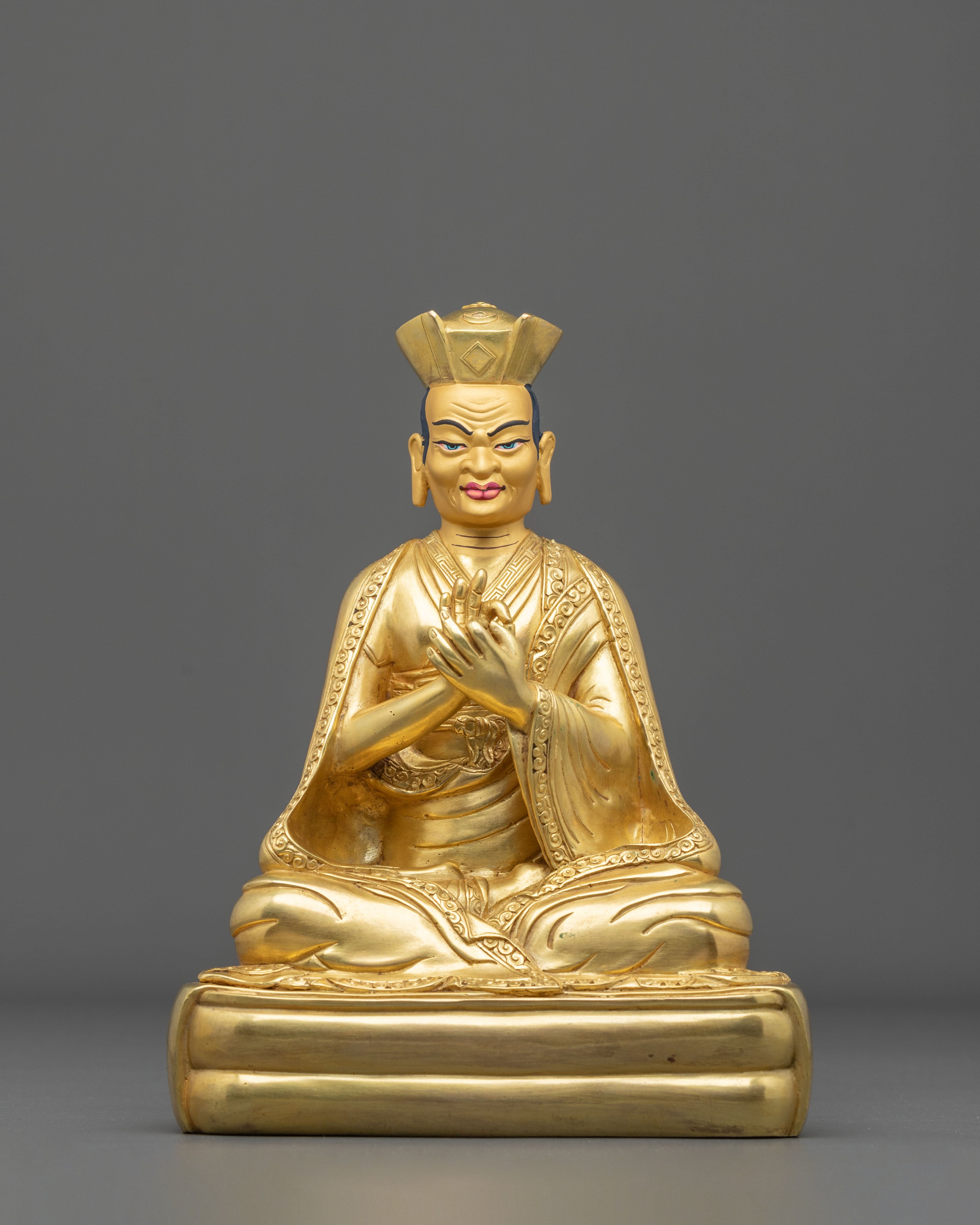
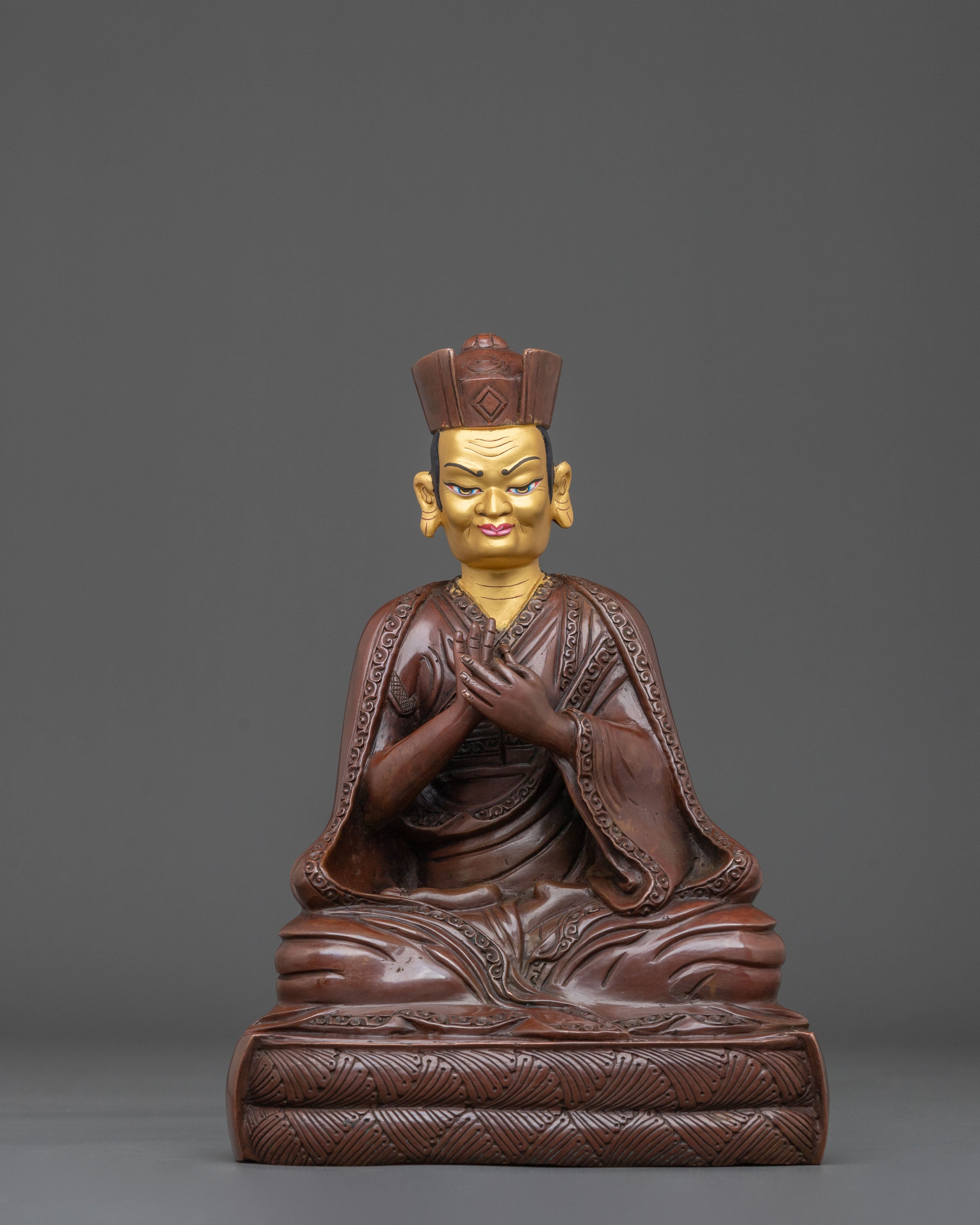
Authentic Representation: The statues portray the Karmapa wearing traditional monastic robes and the distinctive black crown associated with the lineage.
-
Symbolic Details: Every element, from the meditation posture to sacred gestures, reflects the wisdom, compassion, and spiritual authority of the Karmapa.
-
Suitable for Practice and Collection: These statues serve as meaningful additions to Buddhist altars, meditation spaces, monasteries, and Dharma collections.
Attributes and Iconography of Karmapa Statue
The Karmapa is generally depicted as a seated monk figure, expressing humility, wisdom, and enlightened activity.
Posture:
The Karmapa is generally depicted seated in a meditation posture on a throne, representing stability, realization, and his role as a teacher of Dharma.
Monastic Robes:
He wears traditional Tibetan monastic robes, symbolizing renunciation, discipline, and dedication to Buddhist practice.
Black Crown:
The most distinctive feature of the Karmapa is the Black Crown, known as the Vajra Crown. It represents enlightened awareness and the compassionate activity of the Karmapa lineage. Traditionally, it is associated with the first Karmapa, Düsum Khyenpa, and the enlightened qualities of the lineage.
Hand Gestures:
His hands are often shown in meditation mudra or teaching gestures, symbolizing the transmission of Dharma teachings and meditation instructions.
Meditation Expression:
His peaceful expression represents wisdom, compassion, and the qualities of an accomplished spiritual master.
Why Choose a Karmapa Statue?
-
Connect with the Kagyu Tradition: A Karmapa statue represents one of Tibet’s most influential Buddhist lineages.
-
Symbol of Compassionate Activity: The Karmapa embodies the active expression of enlightened wisdom.
-
Honor Spiritual Teachers: It serves as a reminder of the importance of lineage, guidance, and transmission of Buddhist teachings.
-
Traditional Himalayan Craftsmanship: Each statue reflects centuries-old artistic traditions preserved by skilled artisans.
Why Keep a Karmapa Statue on Your Altar?
-
Inspire Meditation Practice: The Karmapa’s presence encourages mindfulness and dedication to the Dharma.
-
Receive Lineage Blessings: Practitioners honor the Karmapa as a source of teachings and spiritual guidance.
-
Strengthen Connection with the Kagyu Path: The statue represents devotion, wisdom, and the continuation of enlightened teachings.